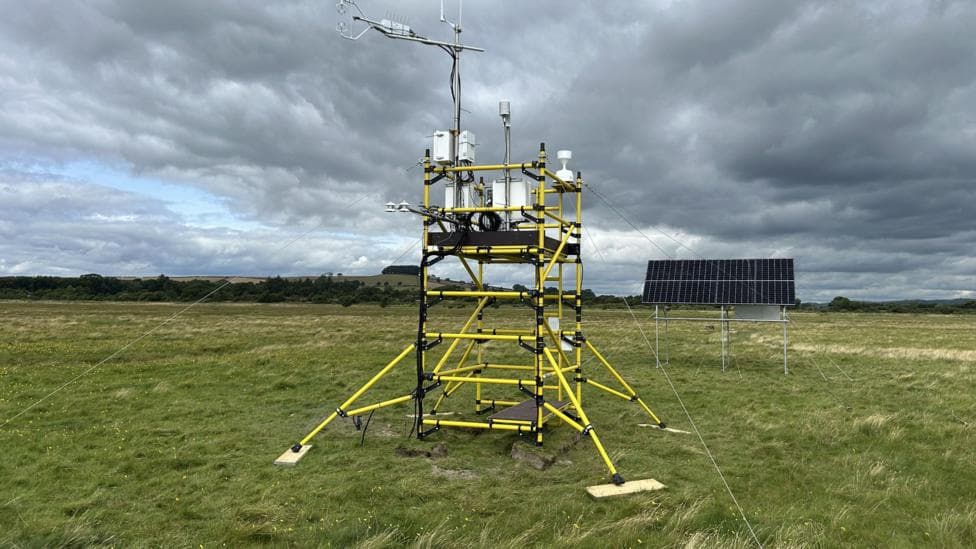
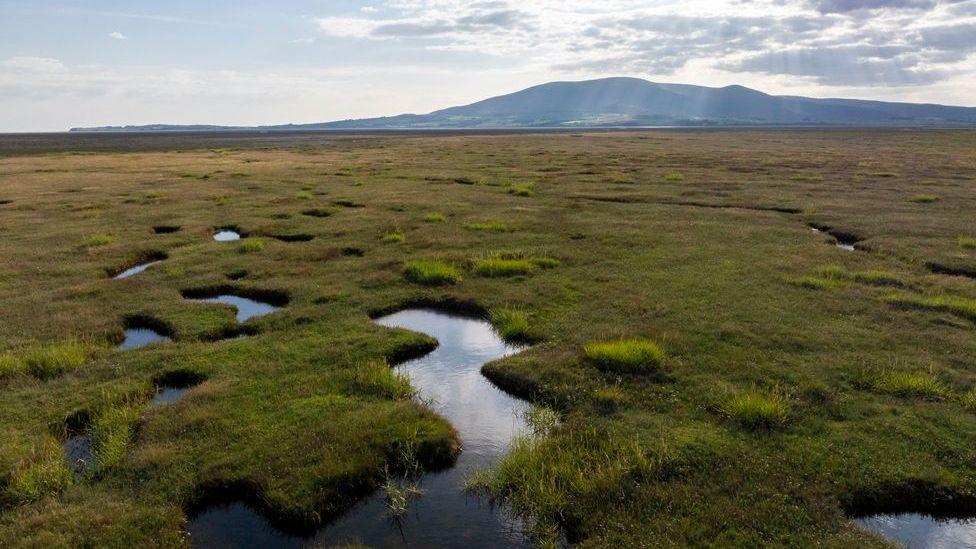
Monitoring equipment has been deployed to measure carbon absorption at Caerlaverock on the Solway Firth, marking the first saltmarsh flux tower installation in Scotland. The technology will provide real-time data on how much atmospheric carbon is being sequestered by the nation's largest saltmarsh, contributing to a growing understanding of these ecosystems' role in climate mitigation.
The project represents a collaborative effort involving the UK Centre for Ecology and Hydrology (UKCEH), the Scottish government, NatureScot, and WWF-UK. According to UKCEH's research programme, saltmarsh habitats are not yet included in the UK greenhouse-gas inventory, though the organisation is developing a pathway and gathering evidence for possible future reporting.
Corallie Hunt, coastal habitats adviser for NatureScot, described the tower's installation as an "important milestone" for understanding saltmarsh conservation.
By measuring carbon exchange in real time, it will strengthen our understanding of the carbon storage potential of saltmarshes and the value of protecting and restoring these habitats,Hunt stated.
Why saltmarshes matter for carbon storage
Saltmarsh plants absorb carbon dioxide during photosynthesis and trap carbon-rich sediments in their roots and stems as tides rise. Beyond their climate benefits, these ecosystems support biodiversity, provide natural flood protection, and help absorb wave energy to reduce flooding and storm surge impacts. According to UKCEH estimates, natural UK saltmarshes function as a net sink of 6.5 tonnes of CO₂ equivalent per hectare annually, though this figure reflects both carbon storage of 1.83 tonnes per hectare and methane emissions of 6.26 kilograms per hectare.
The scale of saltmarsh loss has been dramatic. Approximately 85% of UK saltmarshes have disappeared since the mid-19th Century due to land reclamation for agriculture and development, coastal flood defence construction, pollution, and erosion from rising sea levels.
What the Caerlaverock tower will reveal
Annette Burden, a wetland scientist at UKCEH, explained that the Solway flux tower represents the most northerly addition to a network of monitoring stations around the UK coast.
The data collected will aid in understanding the role saltmarsh plays in climate mitigation, provide evidence for saltmarsh inclusion in the UK Greenhouse Gas (GHG) Inventory, which in turn will strengthen calls to safeguard and restore this valuable habitat,Burden said.
Recent research has provided baseline data for the Caerlaverock site itself. A study based on 293 sediment cores estimated the top 30 centimetres of the marsh contains 45.6 ± 6.0 kilotonnes of organic carbon. The research also identified a concerning pattern: where higher-carbon marsh is eroded, it is replaced by lower-carbon pioneer marsh, representing a short-term carbon loss.
The broader ecological significance
Tom Brook, ocean conservation specialist at WWF, highlighted the Solway's exceptional biodiversity value.
The Solway is an extraordinary place for nature. From thousands of migratory birds that depend on these wetlands to the rare natterjack toad, the saltmarsh supports an incredible variety of wildlife. It's also working hard for people too – helping to absorb wave energy and reduce the impacts of flooding and storm surges. The data gathered by the tower will help us better understand and champion the value of these remarkable coastal habitats.
Recent scientific advances and future direction
The installation comes as scientific understanding of saltmarsh carbon dynamics has advanced significantly. UKCEH research published in December 2025 reported the first emission factors for saltmarshes in northern temperate Europe, providing evidence relevant to future UK greenhouse-gas accounting and strengthening the case for including these habitats in national climate reporting frameworks.
The Scottish Government has committed to running the tower project for multiple years, with findings reviewed at the end of each year. The longer-term future of the installation, including the possibility of expanding monitoring to other Scottish saltmarsh sites, will be considered based on these annual assessments.
Key facts
- The Caerlaverock flux tower is Scotland's first saltmarsh carbon monitoring installation and the most northerly in the UK coastal network
- UK saltmarshes sequester an estimated 6.5 tonnes of CO₂ equivalent per hectare annually, though methane emissions partially offset this benefit
- Approximately 85% of UK saltmarshes have been lost since the 1850s due to land reclamation, development, and coastal erosion
- The project is a partnership between UKCEH, the Scottish government, NatureScot, and WWF-UK, with findings to be reviewed annually
- Saltmarsh is not yet included in the UK greenhouse-gas inventory, but UKCEH research is developing evidence to support future inclusion