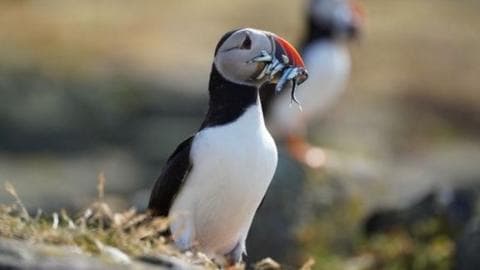
Conservationists have raised alarm over a sharp decline in puffin numbers at one of the UK's largest colonies, with researchers attributing the drop to a combination of extreme weather, violent storms, and dwindling food supplies caused by warming ocean temperatures.
NatureScot, working alongside the UK Centre for Ecology & Hydrology (UKCEH), found that occupied burrows on the Isle of May in the Firth of Forth fell by 30% over two years. The latest survey, conducted during summer 2026, identified approximately 36,500 active burrows on the island—a significant decline from the 52,000 burrows recorded in the previous census in 2024. According to NatureScot's 2024 annual report, the 2024 count of 52,104 apparently occupied burrows itself represented a 33% increase from 39,000 in the 2017 census, making the recent reversal particularly striking.
Researchers described the population decline as "disappointing and concerning," noting that the seabirds have faced mounting pressures in recent years.
What is driving the puffin decline?
Multiple environmental factors are combining to threaten the colony's survival. Rising ocean temperatures have severely damaged populations of sand eels, the birds' primary food source, while violent storms have directly killed puffins and disrupted their breeding cycles. Mark Newell, UKCEH's field manager on the Isle of May, explained the scale of the threat:
We believe that the puffin population has recently suffered from a series of extreme climate events, including marine heat waves and intense storms affecting survival in three of the last five winters. The concern for puffins and other seabirds is that climate scientists are predicting an increase in the frequency and severity of extreme events.

David Steel, manager of the Isle of May National Nature Reserve, linked the current crisis to earlier population crashes.
The decrease appears to be linked to a combination of ongoing pressures on seabird food supplies, poor winter survival and increasingly extreme weather conditions,he said. The pattern echoes the early 2000s, when puffin numbers fell sharply before recovering during the 2010s. Historical data shows the colony held around 40,000 breeding pairs in 2019, following a much larger crash from roughly 80,000 pairs approximately 10 to 12 years earlier, according to earlier reporting on the island's seabird populations.
How was the decline measured?
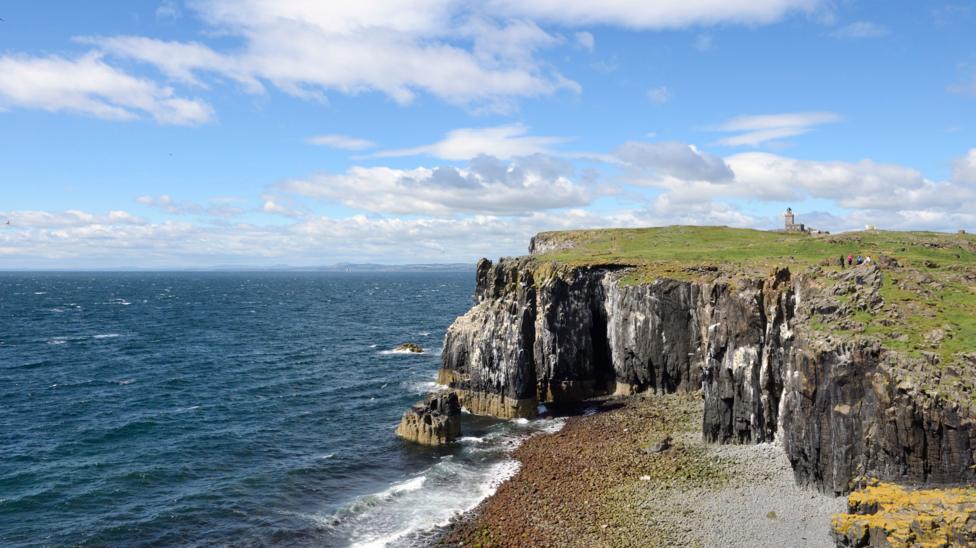
The survey involved researchers systematically sweeping back and forth across the island over a six-day period during summer, counting burrows and determining whether they were occupied by puffins or rabbits. The Isle of May, located approximately 4.9 miles (8 kilometres) off the coast of Fife, has served as a national nature reserve since 1956 and hosts nearly 300 bird species overall.
What other wildlife inhabits the island?
Beyond puffins, the Isle of May supports diverse seabird populations including guillemots, fulmars, terns, and gulls, all of which benefit from the island's isolation and lack of terrestrial predators. During autumn and winter months, thousands of breeding seals use the island as a haul-out site, while approximately 250 species of migratory birds rely on it as a stopover point during their journeys.
Why is continued monitoring essential?
Steel emphasised the importance of sustained research efforts at the reserve.
All of this underlines the importance of continued monitoring and conservation work at sites like the Isle of May NNR, where data and research are playing a vital role in helping us to understand these trends and respond.The reserve operates a visitor season from 1 April to 30 September, during which annual public access and monitoring activities continue, allowing researchers to track population changes and environmental conditions year on year.
The Isle of May's experience reflects broader challenges facing UK seabird colonies. Similar pressures have affected other species across the country, with conservation efforts intensifying as climate-driven environmental changes accelerate.
Key Facts
- Puffin burrows on the Isle of May fell from 52,000 in 2024 to 36,500 in 2026, a 30% decline in two years
- Rising ocean temperatures have severely reduced sand eel populations, the primary food source for puffins
- Extreme weather events, including marine heat waves and intense storms, have killed birds and disrupted breeding over three of the last five winters
- The Isle of May has been a national nature reserve since 1956 and hosts nearly 300 bird species
- The colony previously crashed in the early 2000s before recovering in the 2010s, suggesting potential for recovery if environmental pressures ease