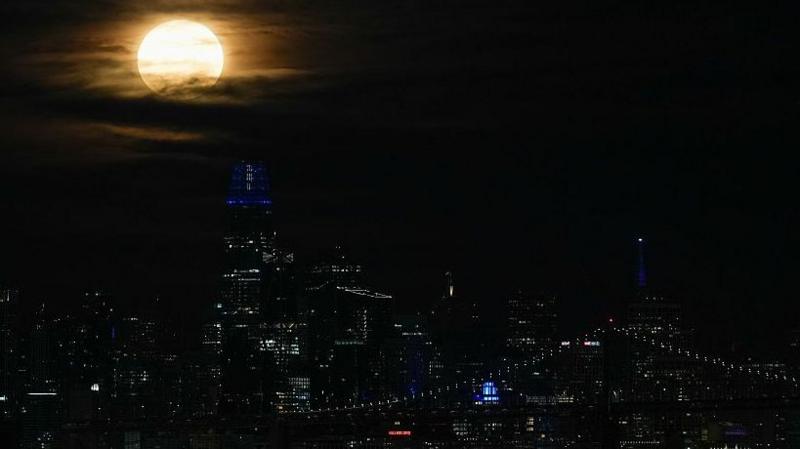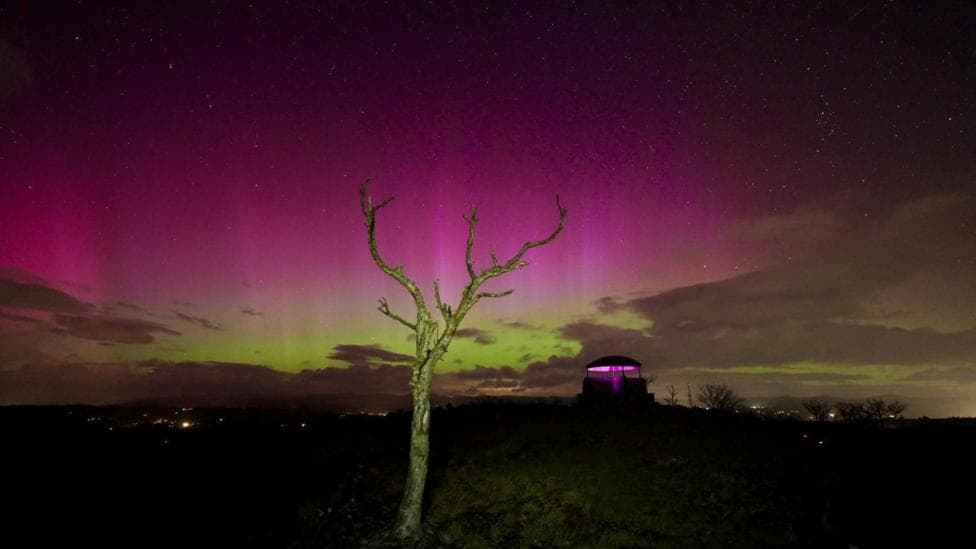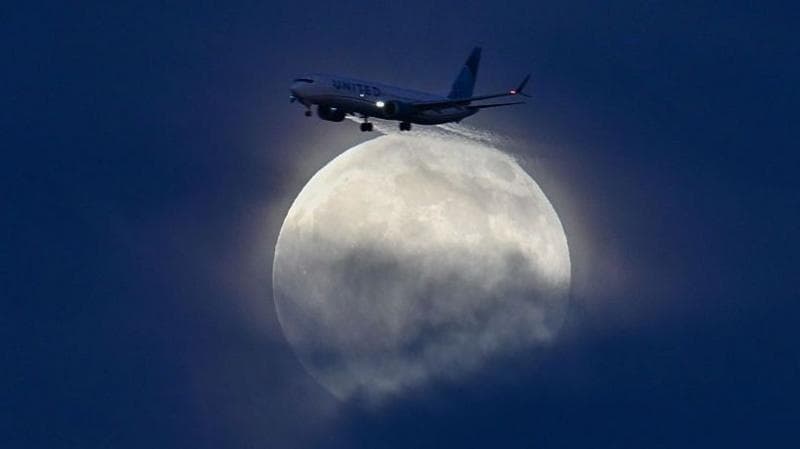
The October full Moon created a spectacular display across the world this past weekend, with observers from North America to the Middle East capturing striking images of the celestial event. According to BBC News, the phenomenon drew particular attention from photographers positioned at vantage points ranging from aircraft over San Francisco Bay to historic landmarks in Istanbul and Baghdad.
Full Moons throughout the year carry traditional names that reflect seasonal natural phenomena. October's full Moon is known by several designations, with the Hunter's Moon being the most prominent name in the Northern Hemisphere, rooted in historical hunting practices and seasonal cycles.
The Hunter's Moon possesses a distinctive characteristic that sets it apart from many other lunar events: it remains visible in the sky for an extended period, much like the preceding Harvest Moon. This prolonged visibility provided hunters with additional light during evening hours, a practical advantage that inspired the Moon's enduring name.
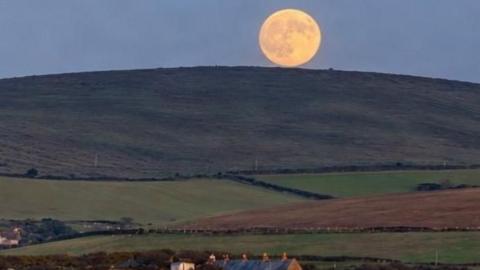
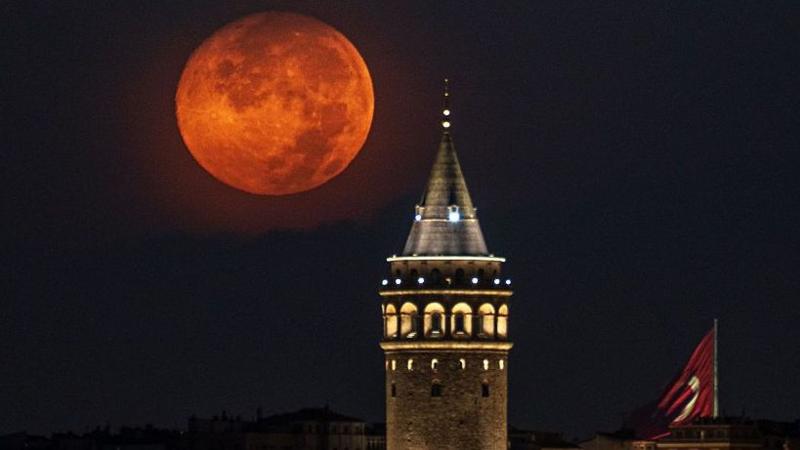
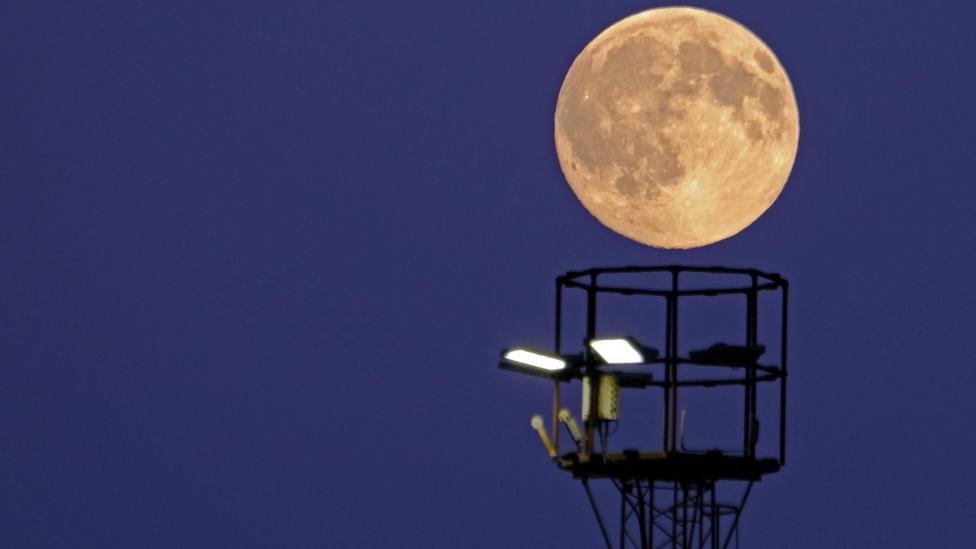
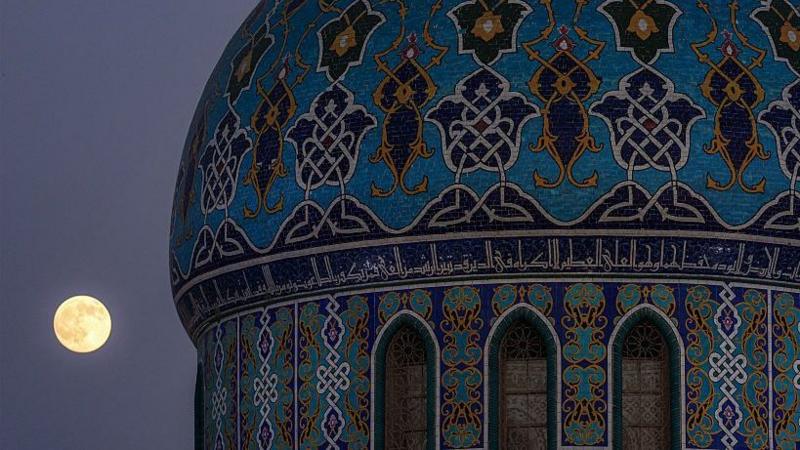
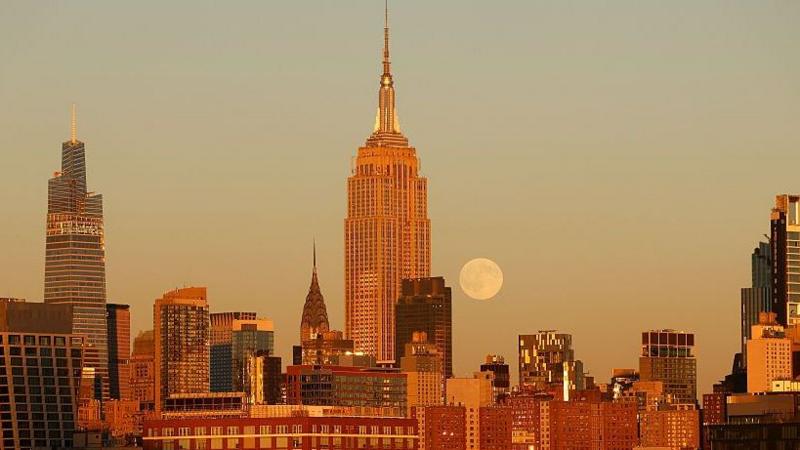
The lunar display was visible from diverse locations worldwide. Observers in Stoney Middleton, Derbyshire captured the Moon rising over the English countryside, while photographers in Manhattan documented the celestial body ascending behind the city's midtown skyline. The phenomenon was equally striking from international vantage points, with images recorded from Kimmeridge in Dorset, Felixstowe in Suffolk, Istanbul's Galata Tower, Baghdad's Firdous Square, and San Francisco's waterfront.
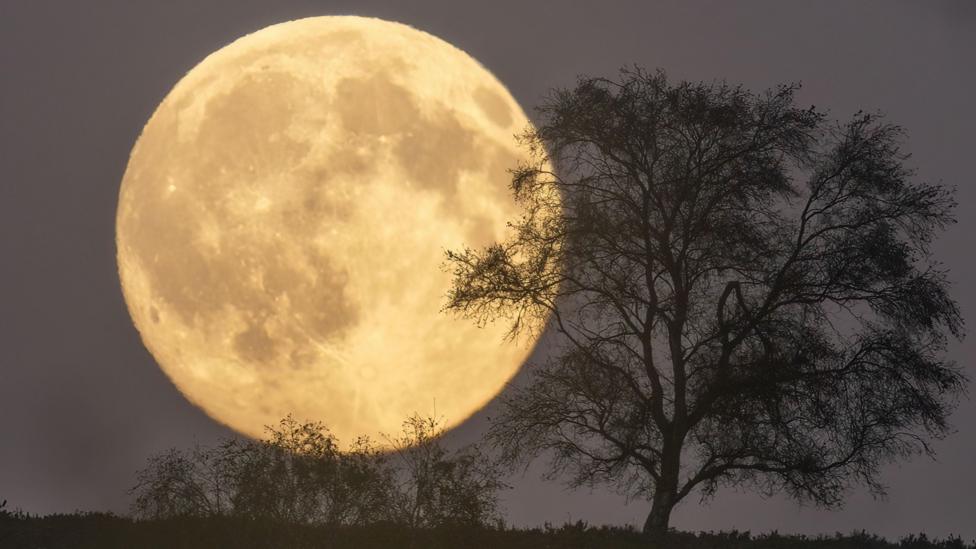
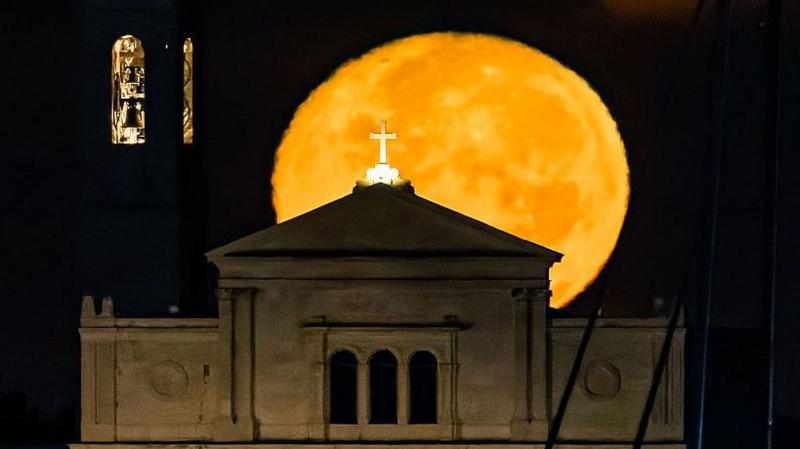
The Moon frequently takes on distinctive orange and reddish tones when positioned low on the horizon. This colour shift occurs due to the scattering of shorter wavelength blue light as moonlight travels through a greater depth of the Earth's atmosphere. This effect was particularly pronounced as the Hunter's Moon rose behind the Basilica of the Madonna dei Martiri in Molfetta, Italy, creating a warm, amber-coloured appearance against the architectural backdrop.
The Hunter's Moon follows the Harvest Moon, which illuminated UK skies on 27 September 2026, reaching its peak at 17:49 BST with dramatic views emerging after darkness fell. The succession of these two prominent full Moons creates a period of extended evening illumination during the autumn months in the Northern Hemisphere.