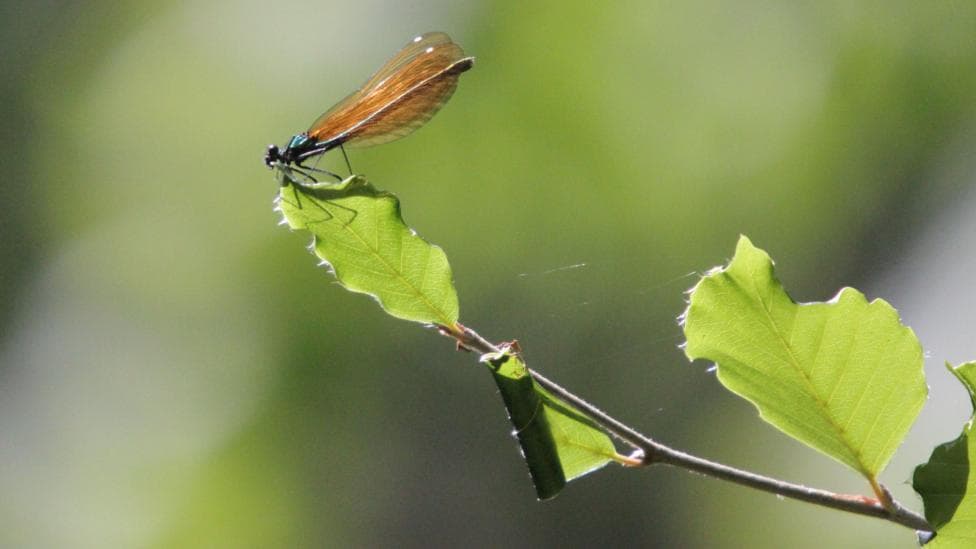
Two species of damselfly have been recorded for the first time in a woodland following completion of a three-year habitat restoration project across seven nature reserves in Hertfordshire, according to BBC News. The Beautiful Demoiselle and Willow Emerald damselflies were spotted at Astonbury Wood near Stevenage, marking a significant milestone for the Ancient Astonbury and Wilder Woodlands initiative.
The Herts & Middlesex Wildlife Trust undertook the restoration work with support from a £162,698 grant awarded by the National Lottery Heritage Fund. The project has already demonstrated measurable ecological benefits, with increased flower populations attracting greater numbers of butterflies, including substantially higher counts of Silver-washed Fritillaries during summer 2026 compared to previous years.
Astonbury Wood itself is a 21-hectare ancient woodland dominated by oak and hornbeam trees, registered as an asset of community value in early 2021. The seven reserves included in the wider project were Astonbury Wood, Balls Wood near Hertford, Fir & Pond Woods near Potters Bar, Gobions Wood near Brookmans Park, Old Park Wood in Harefield, Long Deans in Hemel Hempstead, and Hawkins Wood between Buntingford and Royston.
How did the restoration work improve the habitat?
The trust employed coppicing, an ancient woodland management technique, to restore conditions that encourage wildlife to flourish. An area of hornbeam trees at Astonbury Wood was coppiced in December 2025 and demonstrated robust regrowth during its first growing season despite the dry summer conditions. Coppicing involves felling trees at their base to create a "stool" from which new shoots emerge, allowing increased light penetration to the woodland floor.
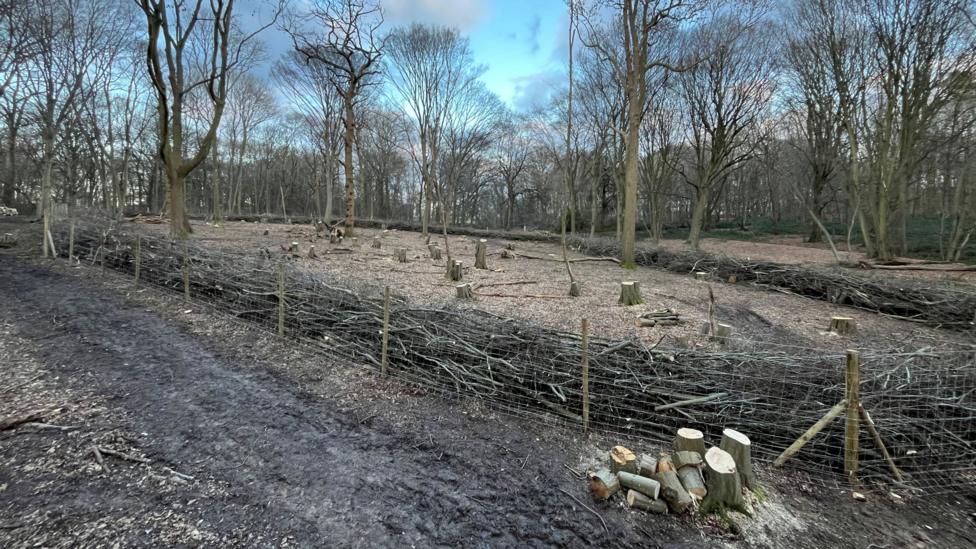
At Astonbury Wood, woodland glades that had remained unmanaged for approximately 20 years were restored to open habitat. The trust cleared trees and dense bramble growth, then implemented annual cutting and raking to maintain these spaces and support the flowers and insects dependent on them. Further coppicing work is planned for future phases of the project.
What wildlife benefits have been observed?
The habitat improvements have yielded rapid ecological responses. Beyond the two damselfly species newly recorded at Astonbury Wood, the increased flowering plants have attracted butterflies in greater abundance. Silver-washed Fritillaries, in particular, were observed in significantly higher numbers during summer 2026 than in any previous year at the sites.
Iain Ward, wilder woodlands officer at the Herts & Middlesex Wildlife Trust, stated:
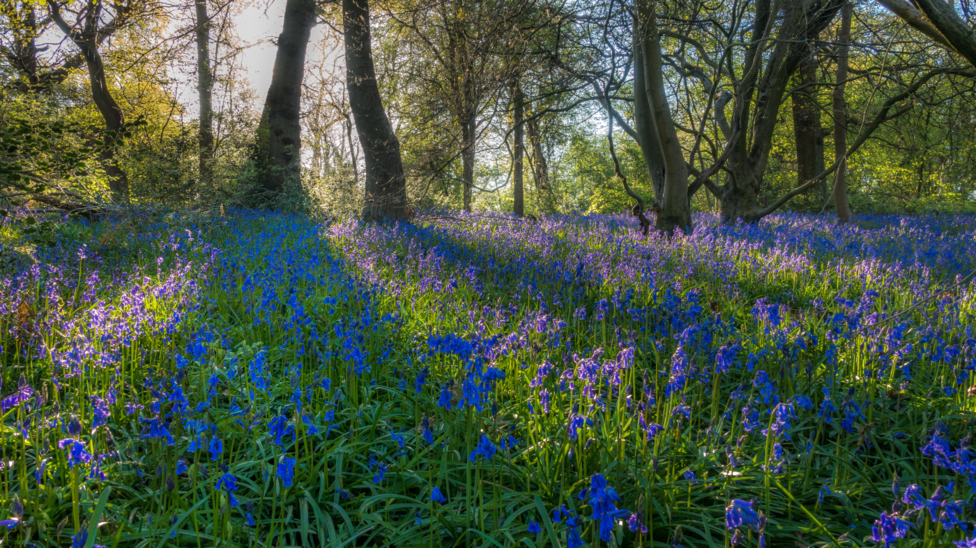
It has been fantastic to see these habitats responding so positively to careful management, and to see more wildlife making use of the restored glades and coppice areas.
What are the next priorities for the woodland?
Ward has identified pond restoration as a critical next step for Astonbury Wood. He hopes additional work can be carried out to restore the site's ponds and prevent them from drying out completely, as summers become increasingly hot and dry. This concern reflects broader climate challenges affecting woodland ecosystems across the region.
The trust's success at Astonbury Wood reflects growing momentum in Hertfordshire conservation efforts. A recent Hertfordshire survey documented 50% more ancient woodland sites than the inventory compiled between 1981 and 1992, with the updated mapping informing protection and management strategies. Additionally, the Herts & Middlesex Wildlife Trust raised more than £216,000 through a dedicated appeal, exceeding its £104,000 target to secure Astonbury Wood's future, with surplus funds supporting wildlife work at Astonbury and other reserves.
The restoration project demonstrates how targeted habitat management can rapidly restore ecological function and attract species that had been absent from degraded woodlands. The return of damselflies and the surge in butterfly populations underscore the effectiveness of coppicing and glade restoration in recreating conditions that support diverse wildlife communities.