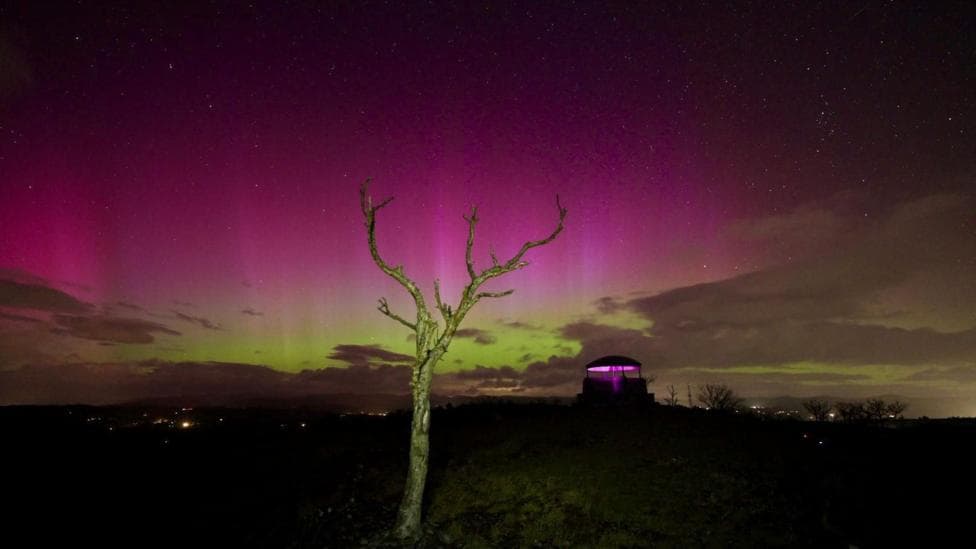
Observers throughout the United Kingdom witnessed a remarkable display of the Aurora Borealis across Friday and Saturday evenings, with the natural light show visible across an unusually wide area that extended far beyond its typical northern range.
The spectacular phenomenon resulted from heightened solar activity directed at Earth. On Saturday night, geomagnetic activity reached 600 nanotesla (nT), an intensity that allowed the aurora to be observed across the entire country—including the south coast of Devon, Hampshire and Kent—rather than remaining confined to Scotland and the Arctic regions where such displays are normally restricted to activity levels of 200nT or higher.
According to AuroraWatch UK, a red alert was issued on Saturday night as sightings were reported across the country, reflecting the exceptional nature of the event.
What causes the Northern Lights?
The Aurora Borealis originates from powerful solar eruptions known as coronal mass ejections (CMEs). Towards the end of the previous week, the Sun released multiple CMEs directed towards Earth. These ejections consist of streams of charged particles that become captured by Earth's magnetic field and channelled into the upper atmosphere, particularly towards polar regions.
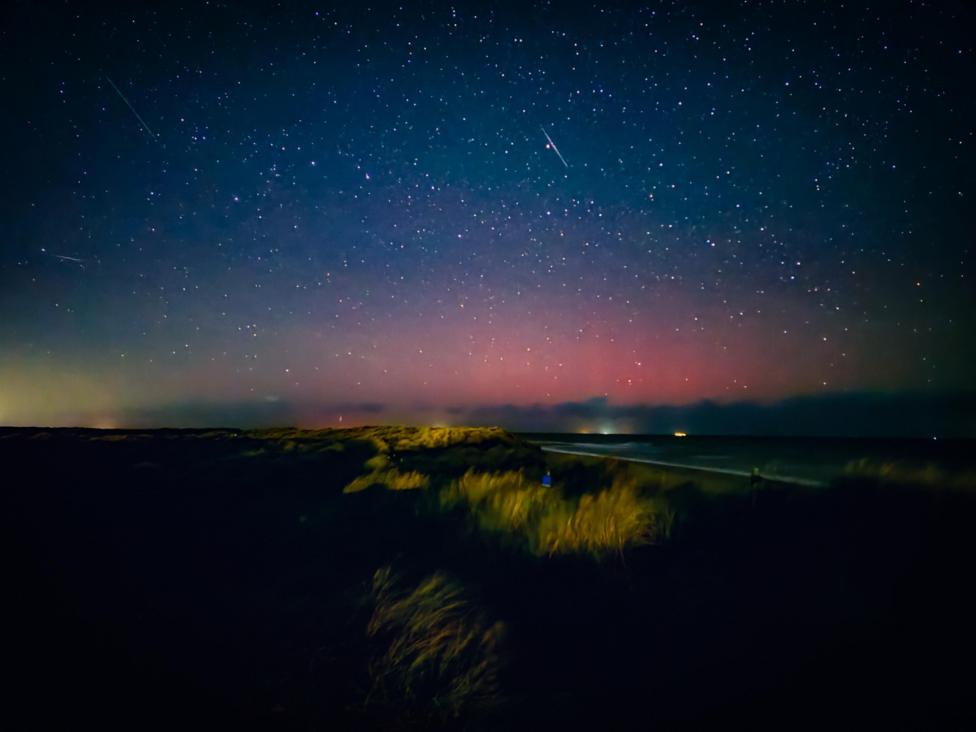
When these charged particles collide with oxygen and nitrogen molecules in the atmosphere, they emit photons of coloured light—creating the distinctive aurora effect. The colours observed, ranging from greens and purples to pinks and blues, depend on which atmospheric gases are struck and at what altitude the collisions occur.
Where was the aurora visible?
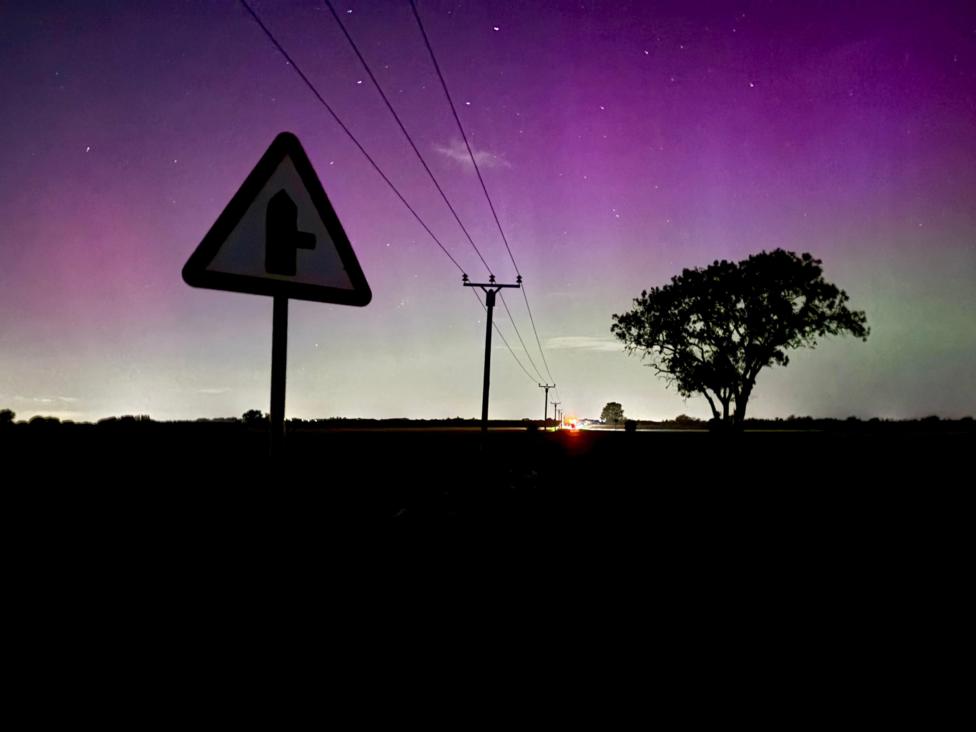
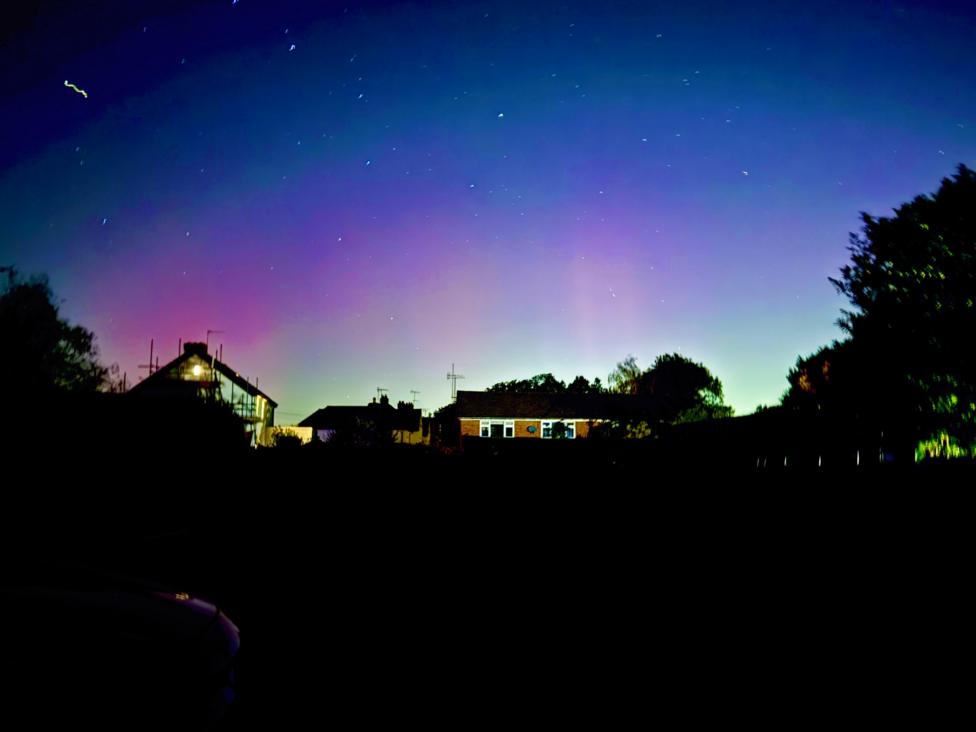
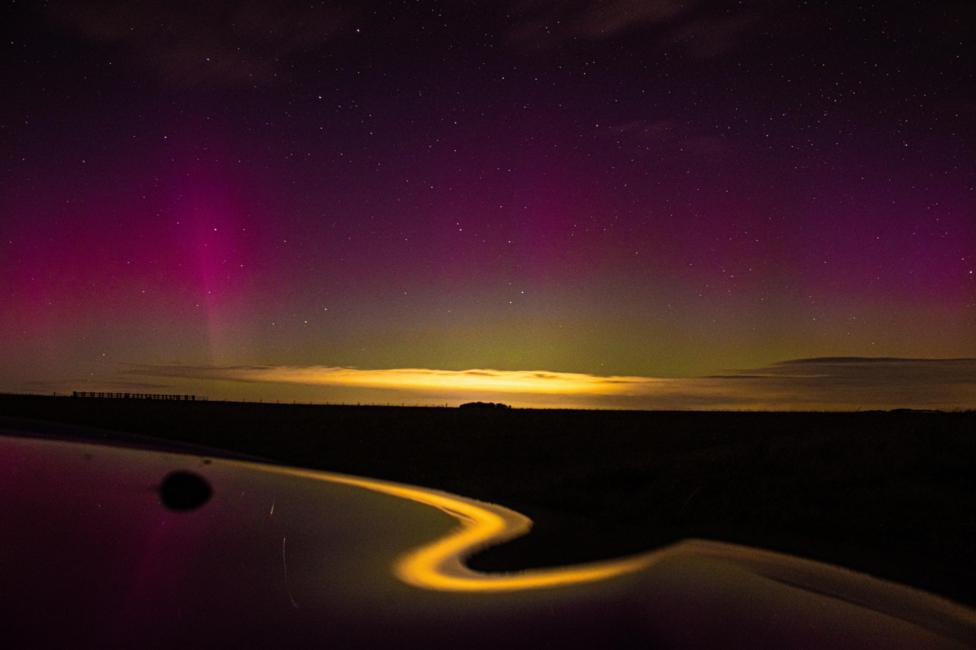
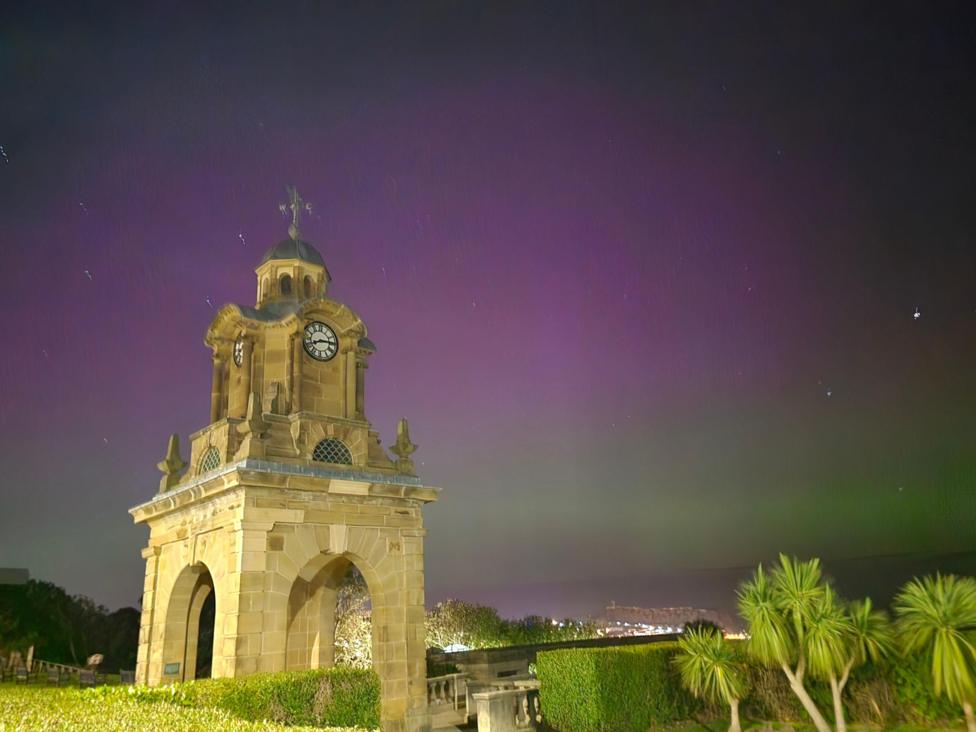
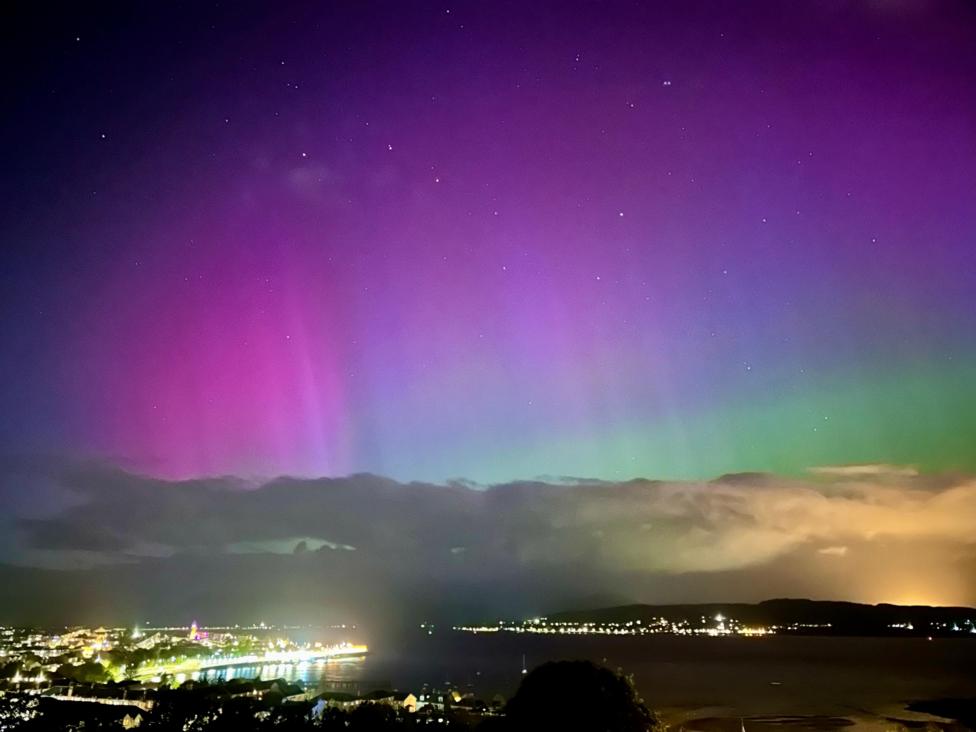
Sightings stretched across the entire United Kingdom on Saturday night. In the south, observers in Herne Bay, Kent, and Salisbury, Wiltshire, reported seeing the phenomenon. Across the Midlands and northern England, displays were captured in Holmwood, Surrey, Scarborough in North Yorkshire, and Saltburn-by-the-Sea in Redcar and Cleveland.
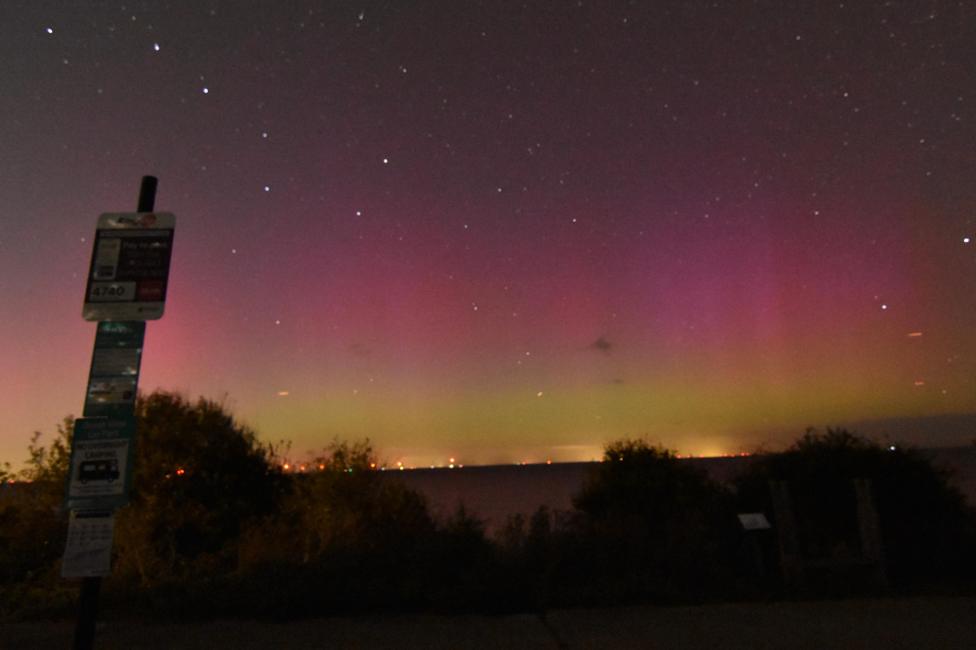
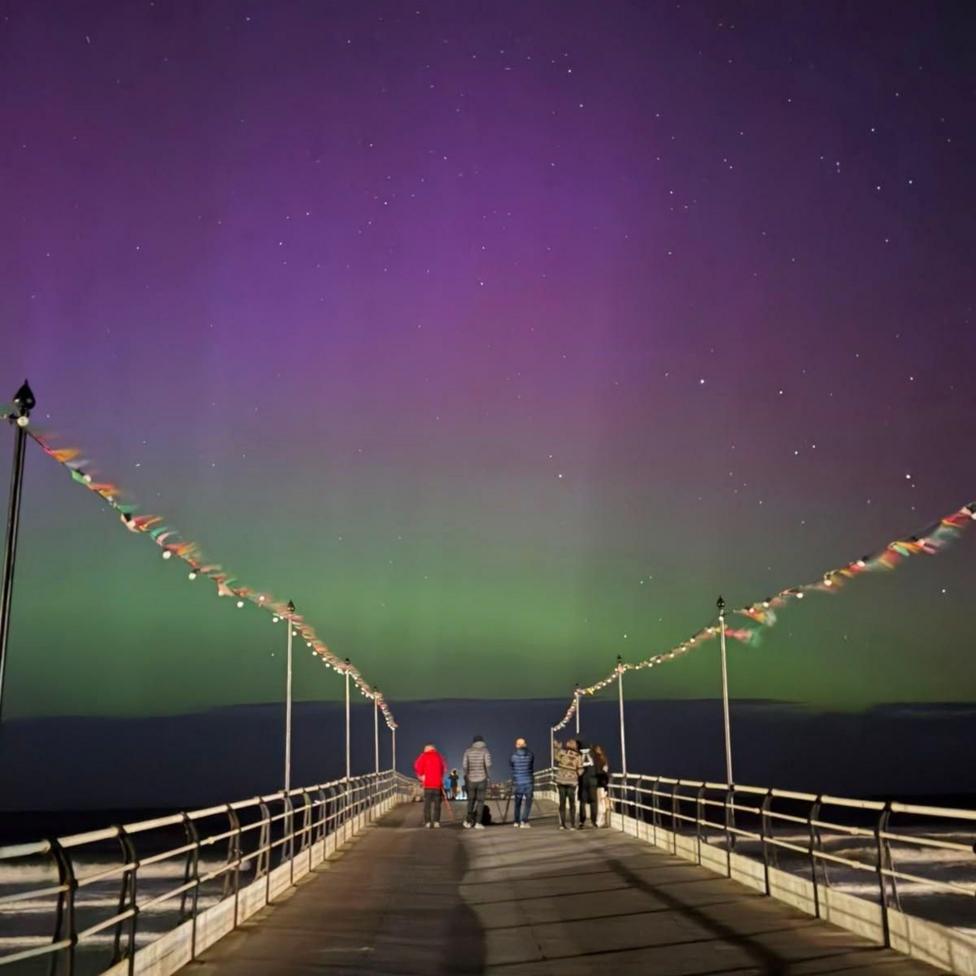
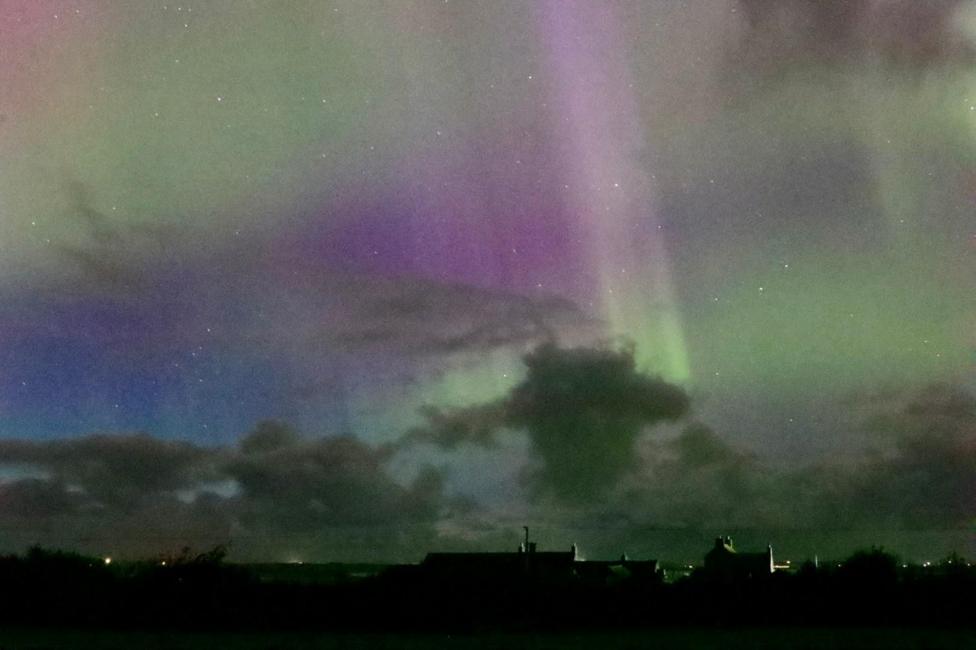
Scotland and its islands experienced particularly vivid displays. Stenness on the Orkney Islands and Gourock in Inverclyde both showcased the full spectrum of aurora colours. In Norfolk, the pink haze was visible in Winterton-on-Sea on Friday, while North Lincolnshire's Owston Ferry displayed a striking purple glow.
When will the Northern Lights be visible again?
The Met Office indicated that further sightings remain possible. According to the Met Office's space weather forecast, aurora displays could continue during clear skies until Tuesday. The forecast noted that two glancing CMEs and a coronal-hole high-speed stream could enhance the auroral oval, with a chance of G1 storming and a slight chance of G2 storming during 10–13 October.
The UK's best chances of observing the aurora typically occur around the equinoxes and solstices, including September and October, according to Met Office guidance.
How to observe the Northern Lights
To view the aurora, observers should look northwards, away from bright streetlights and light pollution. A mobile phone camera significantly improves visibility of the colours. This is because in low-light conditions, the human eye relies on rod cells to perceive light—these cells do not detect colour, causing the aurora to appear in black and white to the naked eye. Cameras lack this limitation and can capture the full spectrum of colours that the aurora produces.
Why 2026 will be a peak year for aurora-spotting
Experts have previously indicated that 2026 will represent a peak year for aurora observations. The Sun follows an 11-year natural cycle of activity, and it is currently in a heightened state of this cycle. This increased solar activity means that coronal mass ejections and geomagnetic storms are more frequent and more intense, creating more opportunities for aurora displays across a wider geographic area than would normally be possible during quieter periods of the solar cycle.