September's full Moon illuminated the UK sky on Saturday, with many observers enjoying excellent viewing conditions across the country. The celestial event, known as the Harvest Moon because of its traditional association with the autumn crop-gathering season, reached its fullest point at 17:49 BST, though the most dramatic views came later as darkness fell.
According to a national weather service guide published on 24 September, the best viewing conditions were expected in the south and east of the UK that weekend. The Moon remained below the horizon for much of the country at the exact moment of fullness, meaning the clearest sightings occurred in the hours following the peak time.
The Royal Observatory Greenwich identified 26 September 2026 at 5:49pm as the UK's next full Moon, marking it as the Corn or Harvest Moon. The name reflects a centuries-old tradition: this full Moon rises closest to the autumn equinox, providing extra evening light during the traditional harvest period when farmers worked late into the evening to gather crops.
Weather watchers across the nation submitted photographs capturing the Moon's appearance from their locations, revealing the variety of atmospheric conditions and landscapes that framed the celestial sight.
Dramatic backdrops across the regions
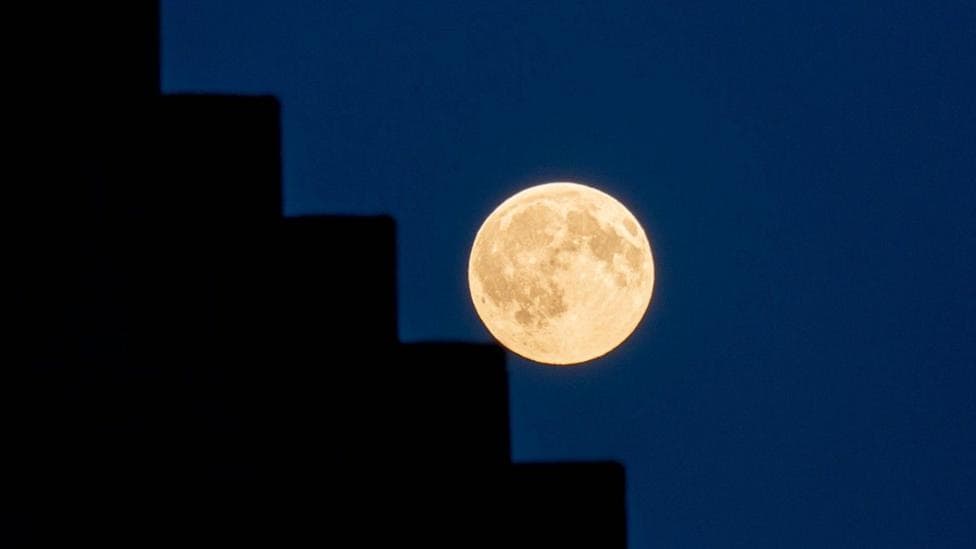
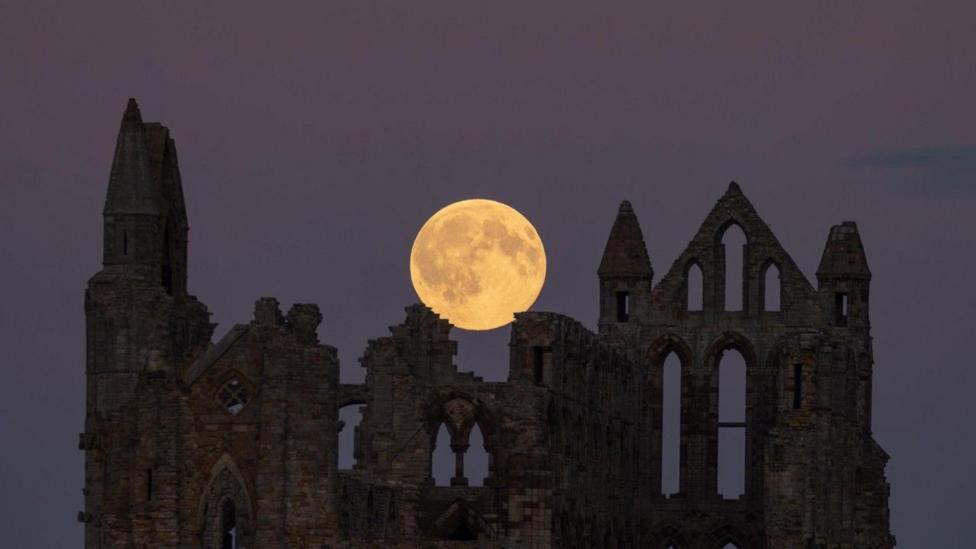
Observers in different parts of the UK witnessed the Harvest Moon against contrasting skies and scenery. In Yorkshire, the Moon rose perfectly framed by the historic ruins at Whitby, creating a striking composition of ancient architecture and celestial light.
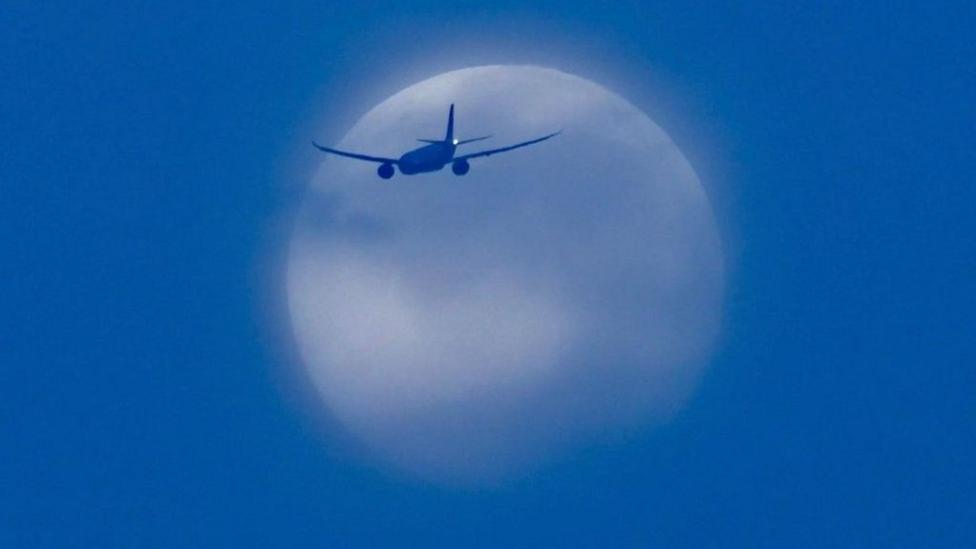
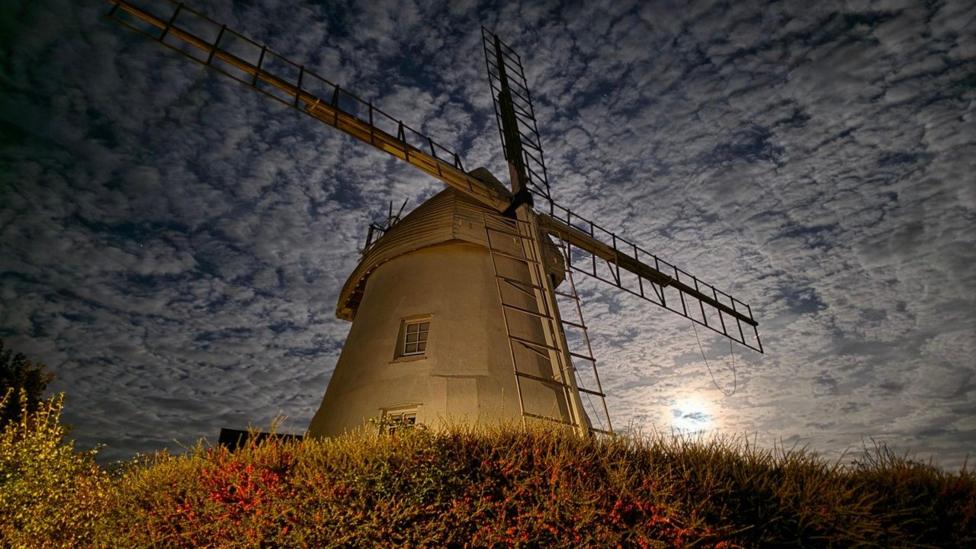
Essex viewers experienced a more delicate scene as the Moon broke through cloud cover, producing an ethereal quality to the sight. The interplay between cloud and moonlight created softer, more diffused illumination across the sky.

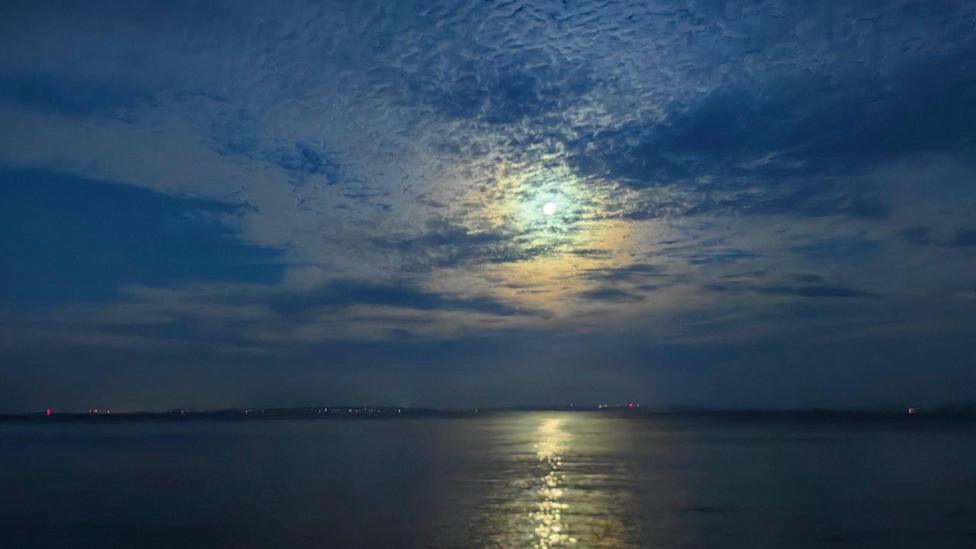
In Wales, the Moon's white and yellow glow contrasted beautifully with the blue tones of the evening sky above Penarth in the Vale of Glamorgan, demonstrating how the Moon's colour shifted depending on atmospheric conditions and viewing angle.
Varied atmospheric effects across the country
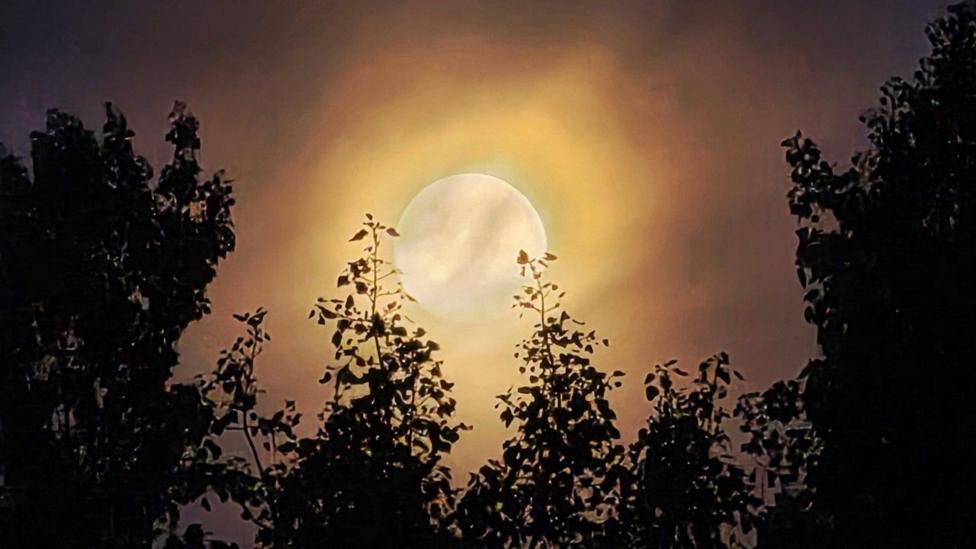
The Moon's appearance changed dramatically depending on location and local weather patterns. A photograph from Burton Joyce in Nottinghamshire captured an unusually orange-tinted Moon that created an almost Halloween-like atmosphere despite the early September date.
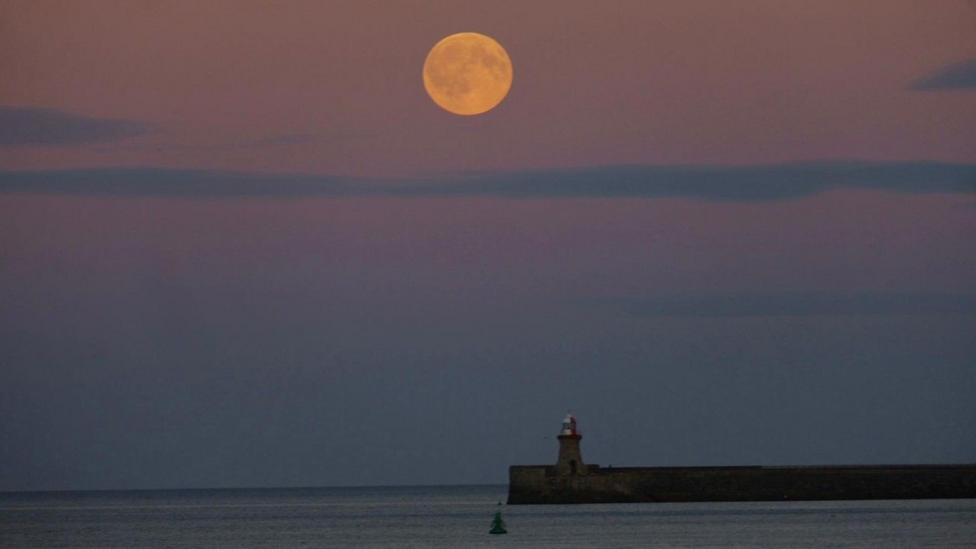
North Shields in the northeast offered a striking contrast, with the Moon's orange glow set against a pinky-blue sky—a colour combination that highlighted how atmospheric particles and the angle of viewing influence the Moon's perceived hue.
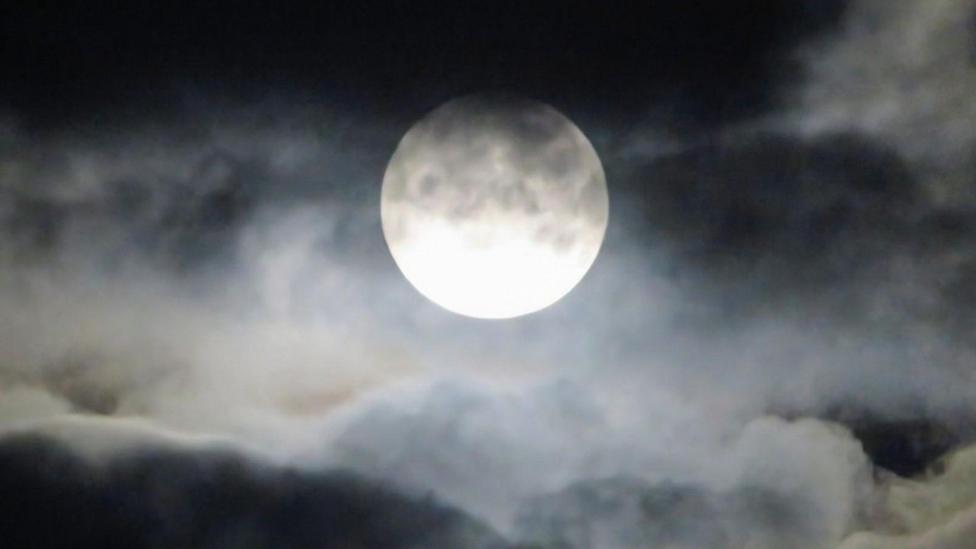
The Shetland Islands presented a darker, more mystical scene, with the Moon appearing against a predominantly black sky that emphasised its luminosity and created a more dramatic nocturnal atmosphere.
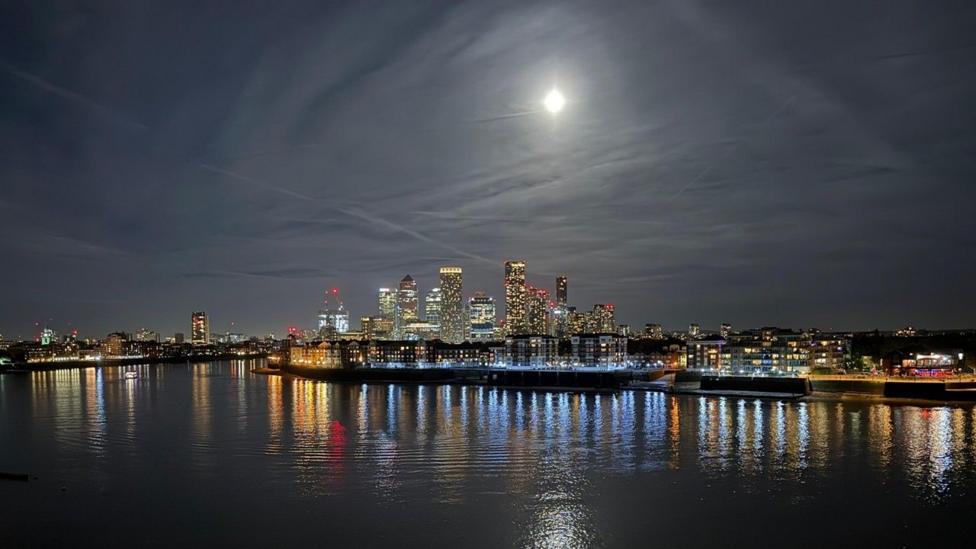
In London, the Harvest Moon created a striking white blaze as it shone over Wapping and the River Thames, with the water's surface reflecting the lunar light and adding another dimension to the urban night sky view.
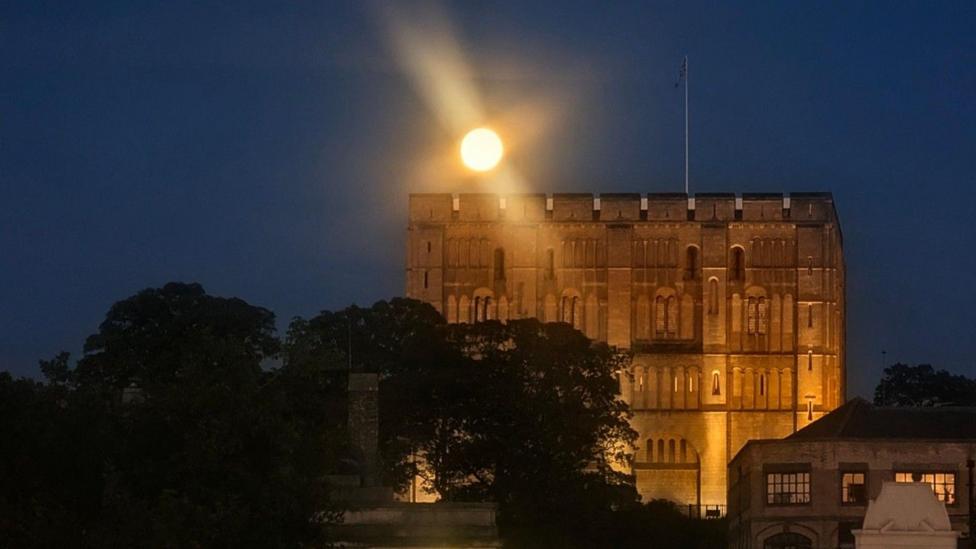
Norwich's illuminations provided an unexpected complement to the lunar display, with the Moon's golden glow appearing to crown the city's evening light show.
When to see the Harvest Moon again
The full-Moon appearance extended beyond the night of peak fullness. Sky watchers could observe the Moon maintaining its full appearance on 27 and 28 September, offering additional opportunities for viewing and photography across the following two evenings. Those who missed the Saturday display had chances to observe the Moon in its fully illuminated state on the subsequent nights, though the viewing window remained dependent on local weather conditions and sky clarity.