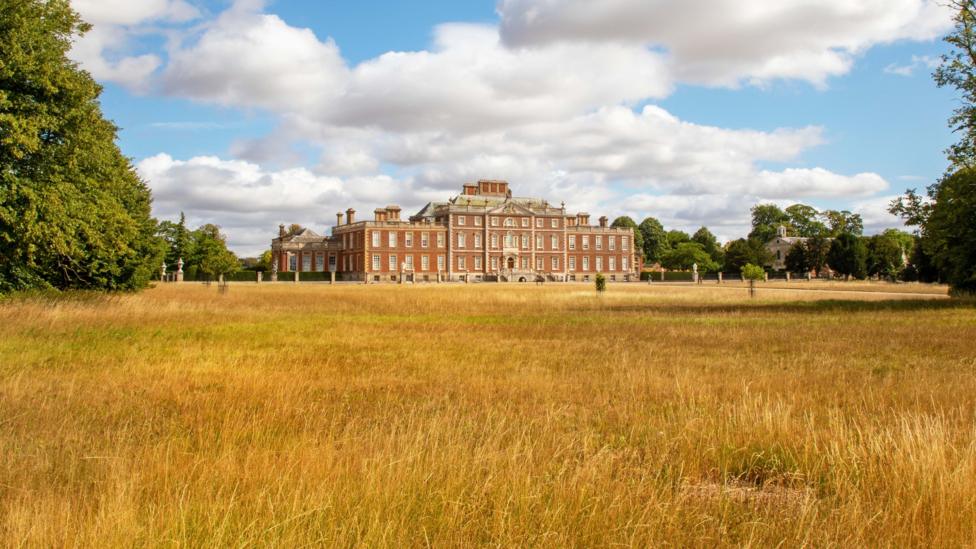
A country house and farming estate in one of England's driest and most nature-depleted areas has documented an "abundance" of wildlife, with more than 5,000 species identified across its grounds over the past six years, according to BBC News.
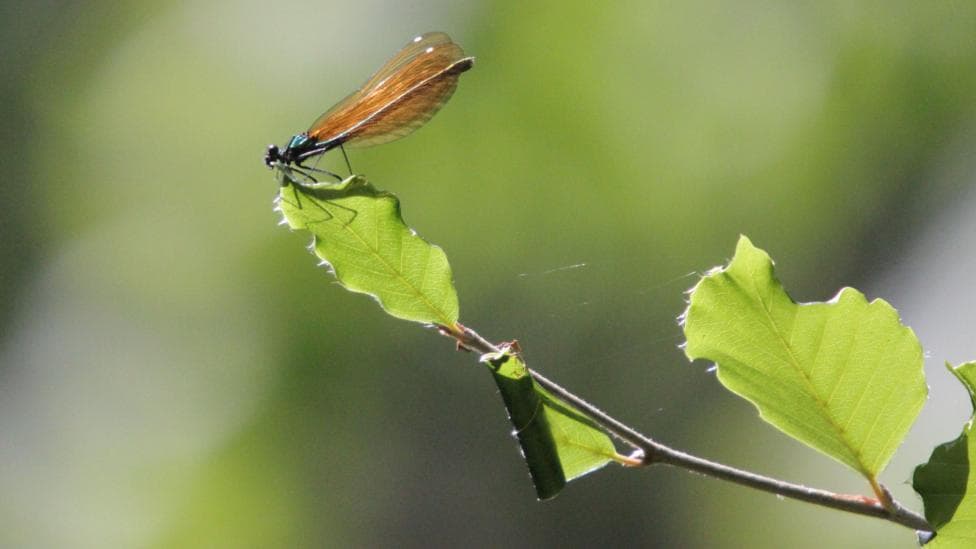
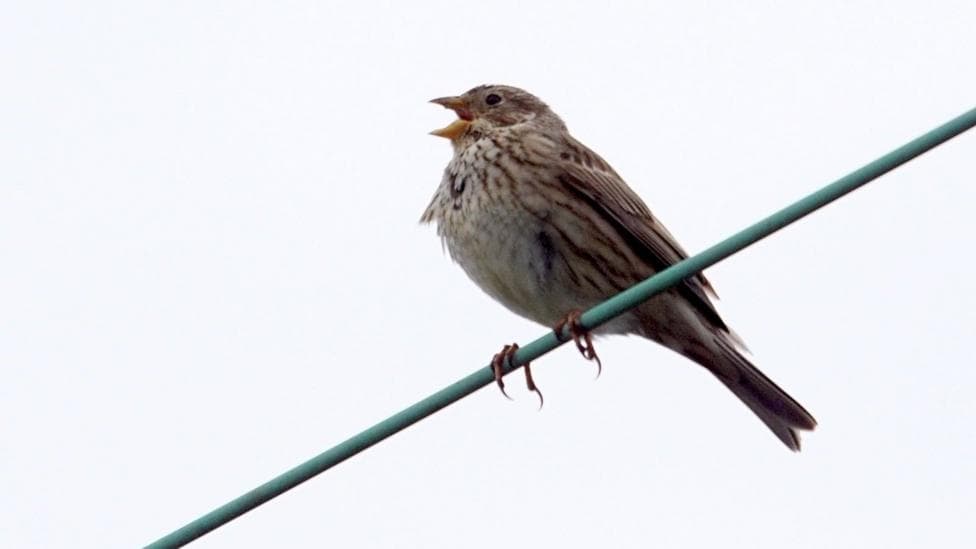
The Wimpole Estate in Cambridgeshire has recorded 5,242 species across its parkland, farmland, woodland and wetlands, the National Trust has announced. Rare species documented at the site include barbastelle bats, great crested newts and corn buntings, alongside 330 wildflower species, 10 bumblebee species and three newly recorded dragonfly species, according to the National Trust.
David Hassall, general manager of the estate, described the figure as "remarkable in any landscape, but particularly here in Cambridgeshire, where wildlife is facing the combined pressures of habitat loss and increasingly hot, dry conditions". The government has designated the East as one of seven UK areas currently experiencing drought, with hosepipe bans in force across parts of the region.
Hassall attributed the biodiversity to sustained conservation efforts, stating that the number "reflects five decades of careful stewardship and shows that nature can flourish alongside farming, public access and heritage conservation". The estate's organic farming operation contributes to wildlife diversity by providing habitat alongside food production, the National Trust has noted.
What conservation work has been undertaken?
Since 2021, the National Trust has planted 125,000 trees and created 35 hectares of woodland and 52 hectares of wood pasture, with a further 77 hectares of tree planting currently in the design phase. In winter 2025–26, the first phase of an ambitious 10-year hedgerow restoration programme restored 1.6 kilometres of hedgerow and coppiced another 700 metres, according to the National Trust. The 2022 tree-planting project included 2,000 apple trees designed to link woodland areas and help barbastelle bats move between habitats.
Rangers at the estate are also collaborating with the Wellcome Sanger Institute on the UK BIOSCAN insect DNA-barcoding project, which aims to catalogue and understand insect populations across the country.
Why is this significant for the region?
Ben McCarthy, head of nature conservation at the National Trust, emphasised the broader implications of the findings:
Across the UK, wildlife is under immense pressure from habitat loss and fragmentation as well as climate change, making the need to restore nature more urgent than ever. Places like Wimpole demonstrate the value of taking a long-term approach to nature recovery. By creating and restoring habitats across whole landscapes, we can provide more space for wildlife and help reverse decades of decline.
The estate's success comes at a time when similar habitat restoration projects are yielding results elsewhere in the region. The National Trust's hedgerow restoration initiative at Wimpole Hall farm is part of a broader effort to enhance wildlife habitats and support farm resilience using traditional techniques.
Among the species recorded at Wimpole is a tiny pygmy ant, which the National Trust said was documented at only one other UK site, making its presence at the estate particularly noteworthy.
What happens next?
The National Trust has scheduled a children's tree-planting event at Wimpole Estate for 26 November 2026, from 10:30 to 11:30, offering members of the public an opportunity to participate in ongoing conservation efforts.
Key Facts
- 5,242 species have been recorded at Wimpole Estate over the past six years, including rare barbastelle bats, great crested newts and corn buntings
- Since 2021, the estate has planted 125,000 trees and created 87 hectares of new woodland and wood pasture, with a further 77 hectares planned
- The estate's organic farming operation and a 10-year hedgerow restoration programme contribute to wildlife diversity in a region facing drought and habitat loss
- Rangers are collaborating with the Wellcome Sanger Institute on the UK BIOSCAN insect DNA-barcoding project to catalogue insect populations