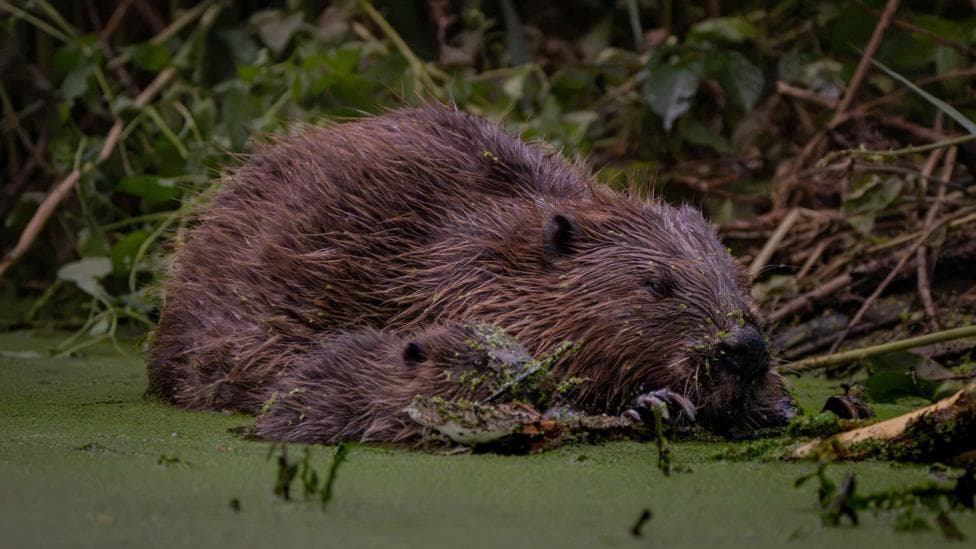
Children across London are being invited to suggest names for two baby beavers born this year at Paradise Fields in Ealing, west London, as part of a community-led rewilding initiative that has transformed the urban site into a thriving wetland habitat.
Young people aged between four and 18 living in the capital can submit name suggestions until 7 December. The winning names will be selected by representatives from the Ealing Beaver Project and the mayor of London's office.
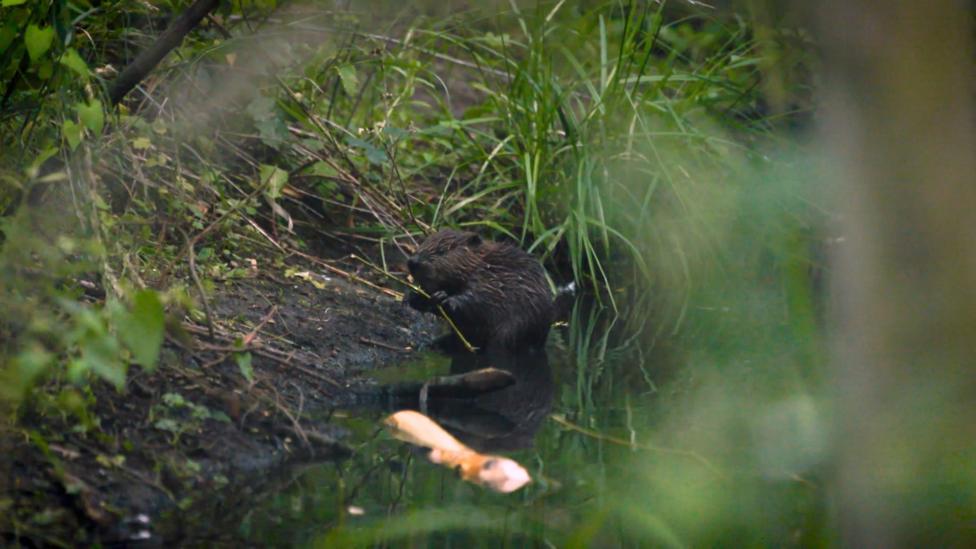
The naming competition marks another milestone for the Eurasian beaver family released at Paradise Fields in 2023, which returned these animals to urban London for the first time in more than 400 years. According to recent project reports, the colony now numbers around eight beavers, with the new kits observed emerging in the evenings as they explore their habitat.
The earlier generation of kits born at the site in summer 2024 were named by primary school pupils as Chompy and Chewbacca (Chewy), while the original breeding pair were named Willow and Woody.
What impact have the beavers had on the local area?
The reintroduced beavers have created measurable environmental benefits at Paradise Fields and beyond. The colony has constructed dams and wetland features that have improved water quality, enhanced flood resilience, and created new habitats for other wildlife. According to project data, Greenford station has avoided flooding for three consecutive years since the beavers arrived, demonstrating their effectiveness in managing water flow across the wider area.
Elliot Newton, director of rewilding at conservation group Citizen Zoo, highlighted the significance of the breeding success, stating that the new kits showed beavers could
coexist with people in the heart of urban London.
Why is this reintroduction significant?
The Ealing project is part of a broader movement to restore beavers across Britain after centuries of absence. The species was hunted to extinction in the UK around 400 years ago, and recent reintroduction efforts in multiple locations—including Bedfordshire and other regions—demonstrate growing recognition of their ecological value. The successful breeding at Paradise Fields proves that urban environments can support sustainable beaver populations.
Dr Sean McCormack, the project's lead, expressed enthusiasm about the naming initiative, saying:
Personally, I'm very excited to see what names the children come up with.
How can people get involved?
Paradise Fields is free to visit and open 24 hours a day, allowing residents to observe the beavers and their habitat. Name suggestions for the two new kits can be submitted through Citizen Zoo's website. The scheme is run collaboratively by Citizen Zoo, Ealing Wildlife Group, Friends of Horsenden Hill and Ealing Council, with funding support from the mayor's office.
Key facts
- The Ealing beaver colony now numbers approximately eight individuals, including the two new kits born this year
- The original breeding pair, Willow and Woody, were released at Paradise Fields in 2023, returning beavers to urban London after more than 400 years
- The beavers have helped prevent flooding at nearby Greenford station for three consecutive years through their dam-building and wetland creation
- Name entries close on 7 December, with winners selected by project representatives and the mayor's office
- The project is managed by four partner organisations with funding from London's mayor's office