

Nigel Hewitt, 77, has completed six decades as a volunteer for the RSPB, becoming the wildlife charity's longest-serving supporter after first joining in 1966 to help guard nesting ospreys. Since then he has worked on numerous conservation projects across the UK, most notably helping restore the cirl bunting, a small farmland bird that nearly disappeared from Britain entirely.
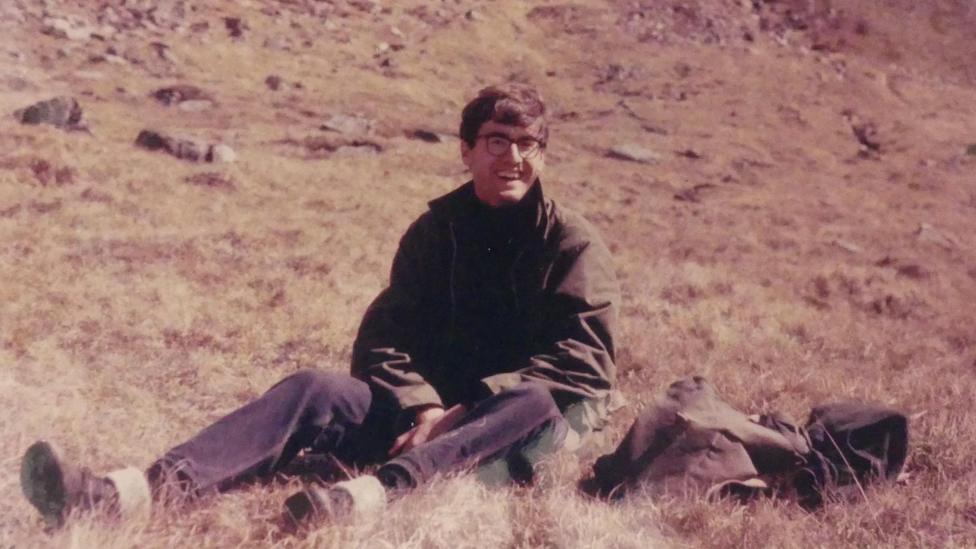
Hewitt began volunteering as a teenager during a break from his A-level studies, taking part in Operation Osprey, a scheme set up to protect the first pair of ospreys known to have bred in the UK in more than a century.
We were guarding the ospreys 24 hours a day, so we had schedules where we did different shifts on different days. We sat in a hide with telescopes and various hearing systems to protect them.
Sadly, there had been numerous attempts by people to chop their nesting tree down and steal the eggs. I thoroughly enjoyed the task, and it was the start of 60 years of volunteering.
What has Hewitt done for cirl buntings?
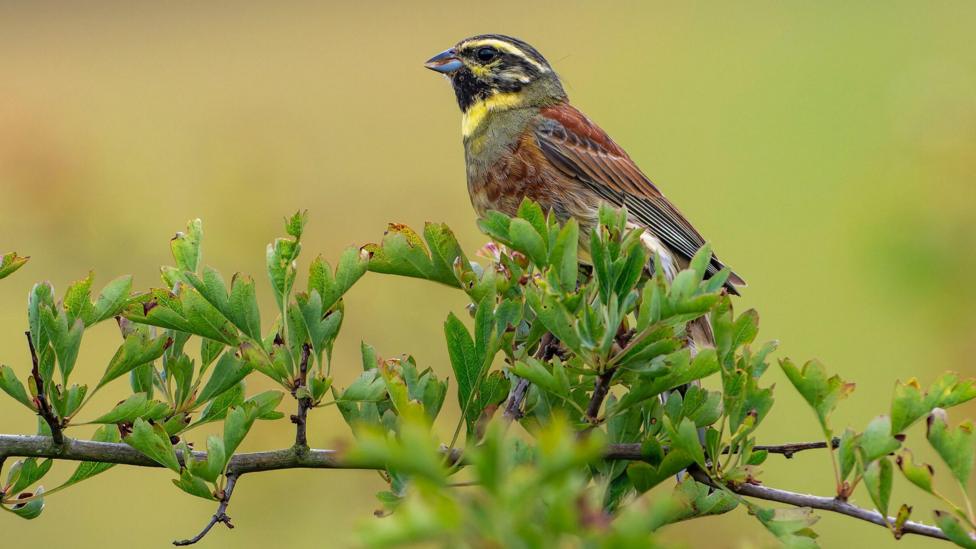
He has played a leading role in managing habitats for the species at the Labrador Bay and Ashill nature reserves in Devon, helping bring the finch-like bird back from the brink of extinction in the UK. He has also contributed to a project reintroducing red-backed shrikes on Dartmoor.
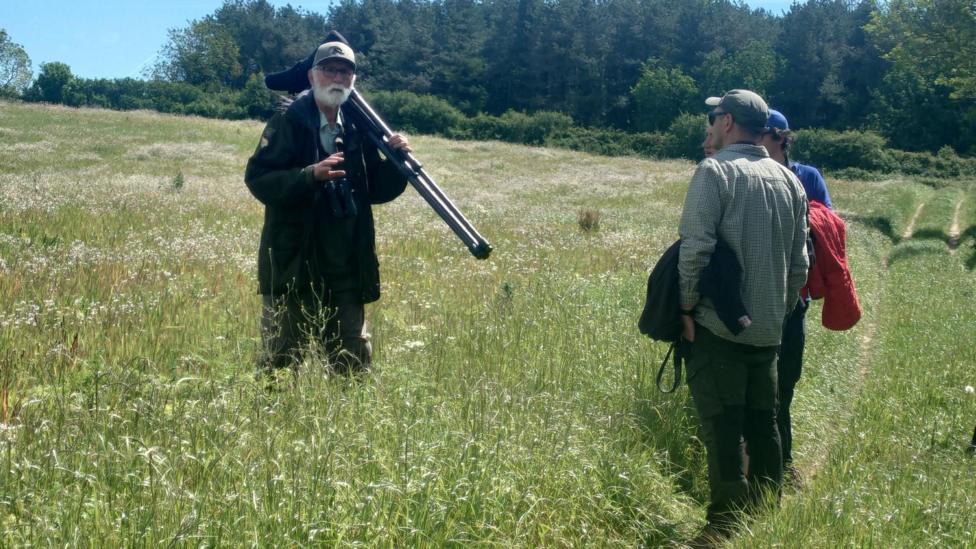
Cirl buntings were once widespread across farmland in southern England but declined sharply and are now on the conservation red list. Hewitt, showing a broadcaster around the Labrador Bay reserve near Shaldon, explained that the birds are naturally secretive.
They don't want to be very obvious. They just want to quietly get on with producing young, feeding them in the nest and not being seen.
The most recent national survey, carried out in 2016, recorded more than 1,000 breeding pairs, according to the RSPB. The population is concentrated in south Devon, with an additional reintroduced group established in Cornwall.
They're a great little bird. Because we're saving this place specifically for cirl buntings, we're also creating habitat for lots of other birds.
Why does he keep volunteering after all these years?
Hewitt has continued to give his time throughout his life, fitting volunteering around school holidays and, later, a 30-year career at Barclays. He says his motivation was rooted less in altruism than in a personal connection to nature.

Maybe I shouldn't admit this, because you think ultimately people volunteer because they want to do something good or give something back, but for me initially it was the opportunity to get closer to the birds and nature.
Just being with wildlife, seeing wildlife, understanding wildlife, whether birds, mammals or insects, is mentally very good for me.
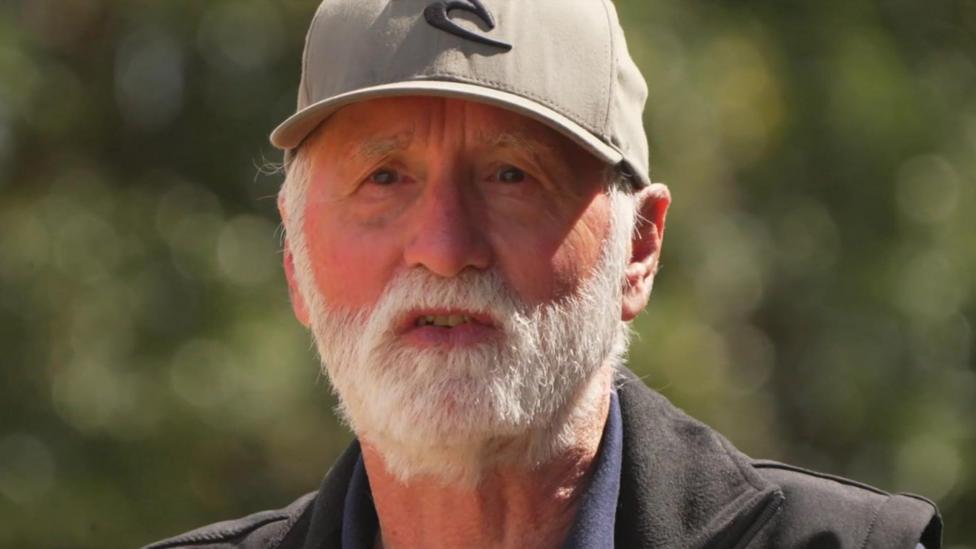
Fellow birdwatcher John White praised the depth of Hewitt's expertise, describing him as someone who never tires of sharing it.
His knowledge is unbounded. He loves it. He'll talk for ever about birds.
How has the RSPB recognised his contribution?
Tim Hughes, the RSPB's volunteering development officer, said Hewitt's impact on conservation and on the charity's volunteer network has been unusually far-reaching.
Few individuals can demonstrate such sustained commitment, breadth of impact and enduring legacy as Nigel.
He has helped achieve some of the biggest successes in species recovery, notably for cirl buntings, while also strengthening the volunteer culture across the RSPB through his positive, dependable guidance and expertise.
For Hewitt, the reward remains straightforward: watching a species he has helped protect thrive in the wild.
The pleasure of seeing a bird that you know you've done work to protect gives me so much satisfaction.
You get the chance to just get out and do things. It's a wonderful chance to give something back to the world.
And if I can volunteer for another… well, I won't do another 60 years, that's for sure. But David Attenborough is 100, so I could still be pottering around then.
How does this fit into wider bird conservation efforts?
Hewitt's decades of work reflect a broader pattern of volunteer-driven recovery projects for threatened British bird species. Elsewhere, conservationists have reported cautious signs of progress, including the return of wood warblers to Derbyshire after a 50-year absence and the discovery of a rare curlew nest as part of a headstart breeding programme in Ireland. Such efforts, like Hewitt's long-running work with cirl buntings, depend heavily on sustained volunteer involvement to track and protect vulnerable populations over many years.
Key Facts
- Nigel Hewitt, 77, has volunteered with the RSPB for 60 years, since 1966.
- He began by helping protect the first breeding pair of ospreys in the UK in over 100 years.
- He has helped manage cirl bunting habitats at Labrador Bay and Ashill reserves in Devon.
- More than 1,000 cirl bunting pairs were recorded in the last national survey, in 2016.
- He also contributed to a red-backed shrike reintroduction project on Dartmoor.


