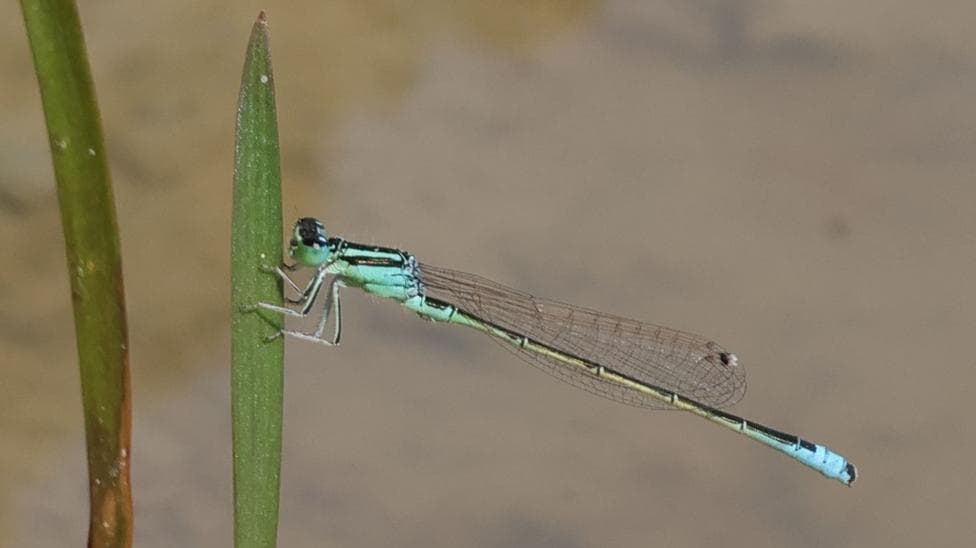
An endangered damselfly species has been discovered in newly created wetlands alongside the River Ash near Hertford, marking a significant success for an ambitious habitat restoration initiative. According to BBC News, the scarce blue-tailed damselfly, one of the world's earliest flying insect species, was recorded at two monitoring sites in late summer following the restoration of a 4.3-mile (7km) stretch of this rare chalk river to its original course last year.
The Herts and Middlesex Wildlife Trust emphasised that for species facing mounting environmental pressure, creating and restoring suitable habitats remains "vital to reversing declines". The discovery arrives as conservation concerns about damselflies and dragonflies intensify across Britain, with the scarce blue-tailed damselfly now classified as Endangered rather than Near Threatened in the latest assessment.
The restoration project at Easneye Estate has transformed the landscape significantly. The Trust reported that the work created 15 ponds, backwaters and wetland scrapes, and included more than 300 woody-debris features in the river. Volunteers contributed substantially to the effort by planting foliage around the site during the seven-year restoration process.
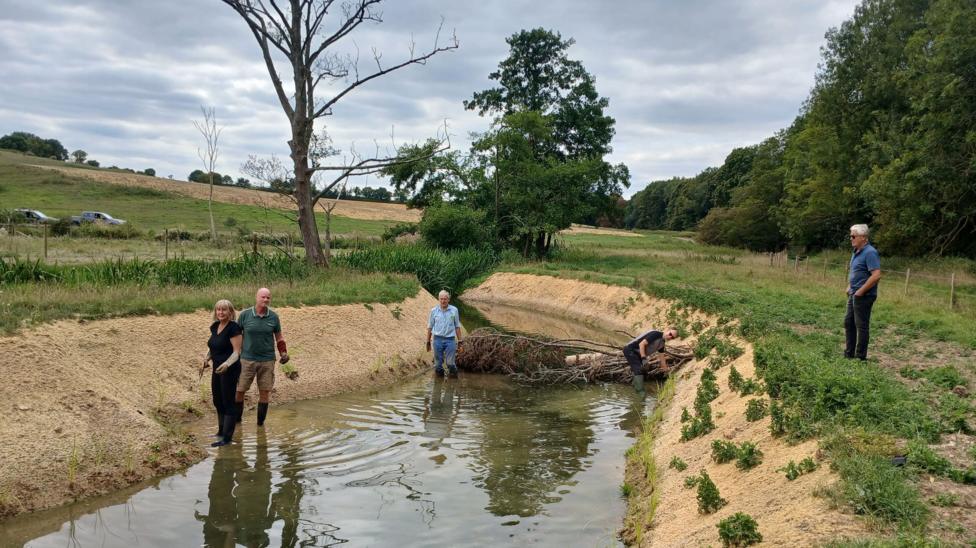
The River Ash belongs to a globally rare category: only about 260 chalk rivers exist worldwide. The restoration has included the creation of new gravel beds, where brown trout have already begun spawning. Monitoring conducted before and after the restoration documented a measurable increase in river invertebrates, including mayflies and stoneflies, indicating broader ecological recovery.
How did the damselflies arrive at the restored site?
The precise origin of the damselfly population remains uncertain. Roy Woodward, County Recorder for Odonata at Herts Natural History Society, suggested the damselflies may have reached the new ponds from a seepage on the hill above the site, though the direction of spread is not yet confirmed. The discovery demonstrates how restored habitats can attract and support vulnerable species relatively quickly.
What does the latest damselfly assessment reveal?
The British Dragonfly Society's Red List review has reclassified the scarce blue-tailed damselfly from Near Threatened to Endangered status. The assessment identified eight species now classed as endangered—double the number found in the previous evaluation in 2008. This trend underscores the accelerating challenges facing these insects across Britain and highlights the importance of habitat restoration work.
What other wildlife has benefited from the restoration?
The ecological improvements extend beyond damselflies. Extended Riverfly monitoring in April 2026 found 19 of 33 invertebrate groups at a newly restored riffle, with the report noting that many groups may not yet have colonised the channel following restoration. Brown trout have returned to spawn on newly created gravel beds, and the increased populations of mayflies and stoneflies indicate that the river's invertebrate community is recovering.
Sarah Perry, rivers recovery manager at the Herts and Middlesex Wildlife Trust, reflected on the broader significance of the work:
Natural rivers, connected floodplains and healthy wetlands support biodiversity by providing places for wildlife to feed and breed. They also help water move through the landscape and can contribute to resilience against both flooding and drought. The scarce blue-tailed damselfly sightings along the River Ash offer a hopeful example of what these efforts can achieve.
What happens next for the River Ash project?
The restoration project has already gained recognition beyond the local area. The River Ash restoration was named a UK River Prize 2026 winner, acknowledging its significance as a model for chalk river recovery. Looking forward, the Trust plans regular monitoring of plants and animals against pre-project baseline surveys to evaluate the restoration's long-term effects and guide future conservation efforts.
The success at Easneye Estate demonstrates how systematic habitat restoration can reverse declines in endangered species. As damselfly populations face increasing pressure from habitat loss and climate change, projects like this offer evidence that dedicated conservation work can create the conditions for vulnerable species to recover and establish themselves in restored environments.