Footage Captures Endangered Curlew Nest and Eggs
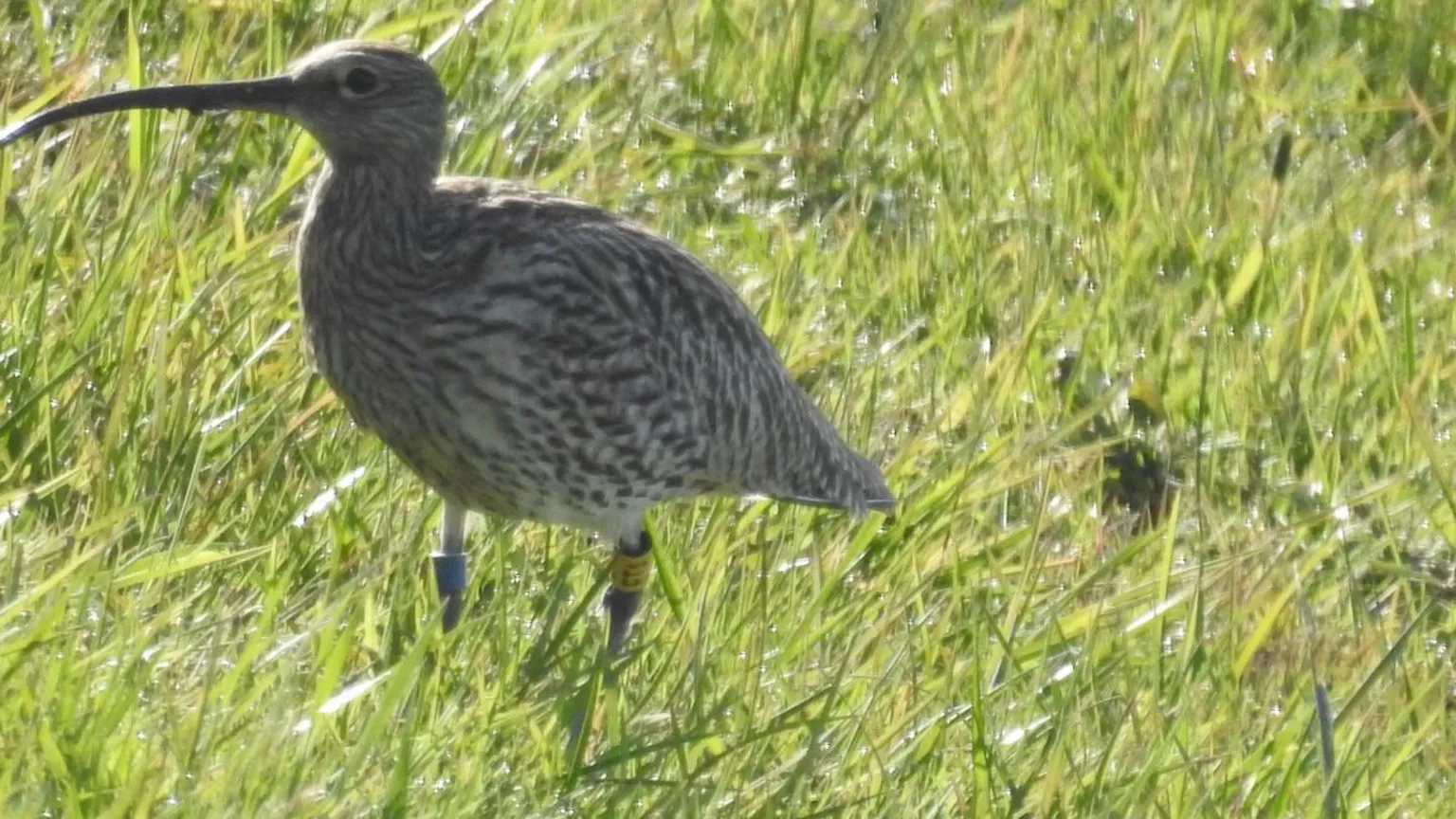
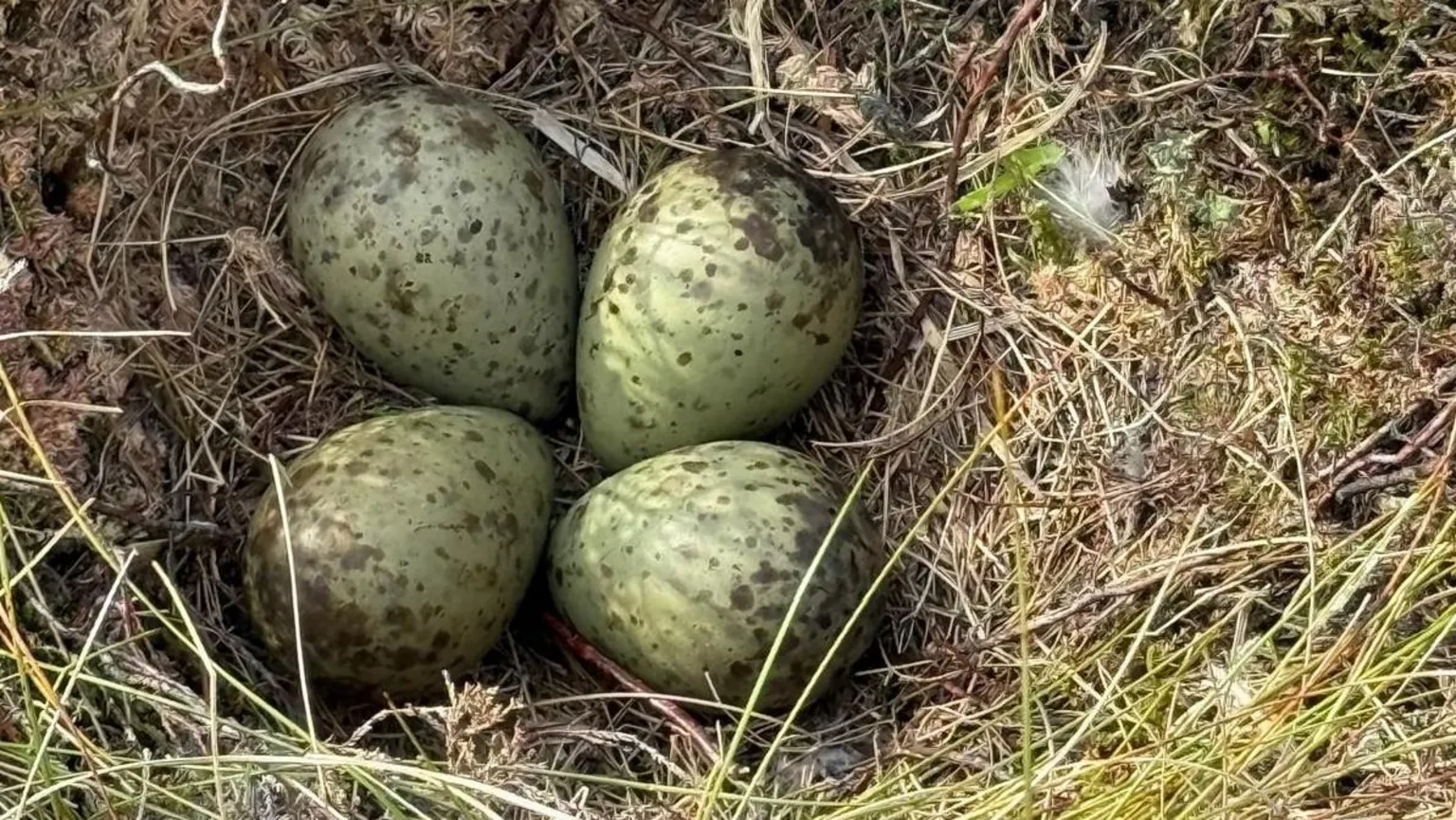
Footage showing an endangered curlew with its nest and eggs has been described as "remarkable". The video was shared on social media by the Sliabh Beagh Curlew Conservation Trust on Saturday.
The Trust stated,
"For a species that has declined by over 98% in Ireland since the 1980s, this is a genuinely significant and hopeful conservation milestone."
Once a common sight, curlew numbers have significantly decreased in recent years, with an estimated 150 breeding pairs remaining in Northern Ireland.
Donal Beagan, Nest Protection and Headstarting Manager at the Breeding Waders EIP project, described the discovery of the bird with its nest and eggs as "really exciting."
Breeding on Home Ground
Last month, a pair of curlews was located in the Sliabh Beagh area, which spans the border between Counties Tyrone and Fermanagh in Northern Ireland and County Monaghan in the Republic of Ireland.
Upon closer inspection, one of the curlews was found to have coloured rings on its legs, indicating it was a "headstarted bird from 2024."
Beagan explained the headstart initiative as,
"an emergency measure to boost populations"
This initiative involves removing vulnerable curlew nests from the wild for artificial incubation. After hatching, the birds are reared until they are ready to fledge.
Beagan elaborated,
"Once they are past that really risky stage of their life and they are able to fly they are released into the environment."
He emphasized the significance of this nesting bird, stating it represents,
"the first record we have had of headstarting curlew being back on breeding grounds and potentially breeding."
Beagan noted the importance of this finding as it may indicate that conservation efforts to increase the population are showing positive results.
'Really, Really Exciting'
The nest containing three eggs was located using GPS thermal technology.
Beagan suggested the nest might be a second attempt, as it was discovered relatively late in the breeding season.

He commented,
"Three eggs is not a big surprise for young bird to have."
He described the discovery as,
"really really exciting to find that one"
and mentioned that he and his team will closely monitor the bird's progress throughout the breeding season.
Beagan expressed hope that the bird will successfully hatch and rear its young, stating,
"It's really hopeful that bird will be able to hatch out young from that nest and ultimately rear those to a point of fledge."
However, he cautioned that there is still a considerable period ahead, as the eggs are approximately two weeks into incubation, with a curlew's incubation period lasting about 28 days.
Any chicks that hatch will require an additional 40-45 days before they are capable of flight.
What to Do if You Spot a Curlew
Earlier this year, curlew eggs were rescued by firefighters during a significant wildfire in County Fermanagh, as the nest was directly in the fire's path and at risk of being destroyed.
Beagan described this as,
"a really interesting, really exciting time"
and expressed optimism about the potential for population growth in the future.
He advised the public,
"if you see a curlew with colour rings on, please pay close attention and report them to the authorities."
In its Facebook post, the Sliabh Beagh Curlew Conservation Trust acknowledged that this milestone would not have been possible without the Breeding Waders EIP Project.
The Trust also recognized the efforts of the RSPB Northern Ireland, local landowners, volunteers, and numerous individuals dedicated to protecting curlews across Ireland.
They urged the public to continue reporting any curlew sightings to support ongoing conservation efforts.