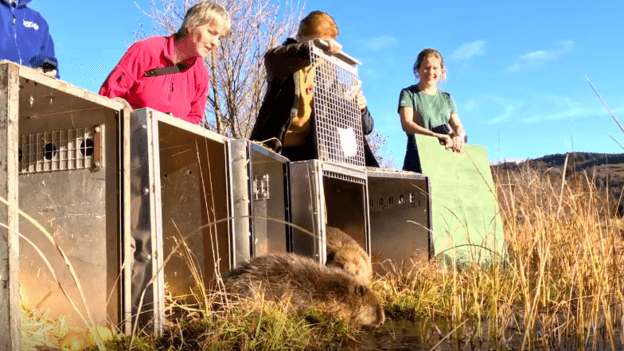
A family of six beavers has been released into the Loch Ness catchment, marking a significant conservation milestone half a millennium after the species vanished from the region. According to BBC News, the animals were relocated to the Dundreggan rewilding estate in Glenmoriston on November 4, 2026, having been captured in Tayside where they were causing difficulties for farmers.
The group comprises a mother beaver, two juveniles approximately two years old, and three young beavers born earlier in 2026. The reintroduction represents the first return of beavers to Loch Ness since historical records from 1526 to 1527 documented their presence in the area, before hunting drove them to extinction roughly 400 years ago. Herald Scotland reported that the animals underwent health screening at Five Sisters Zoo's specialist holding facility before their release.
The Ness Beaver Project, delivered by Trees for Life with the Beaver Trust and Five Sisters Zoo, aims to reintroduce at least 15 beaver family groups into lochs, lochans and rivers around Loch Ness over the next three years. NatureScot has approved the initiative and granted the necessary licence to proceed. NatureScot's assessment found the River Ness catchment at low risk of negative impacts from beaver activity, and more than 73% of consultation respondents expressed support for the project.
Steve Micklewright, chief executive of Trees for Life, observed the animals settling into their new environment with optimism.
I can see them swimming and very calm, which is a really good sign.He noted that the beavers appeared
very settledand relaxed immediately upon arrival.
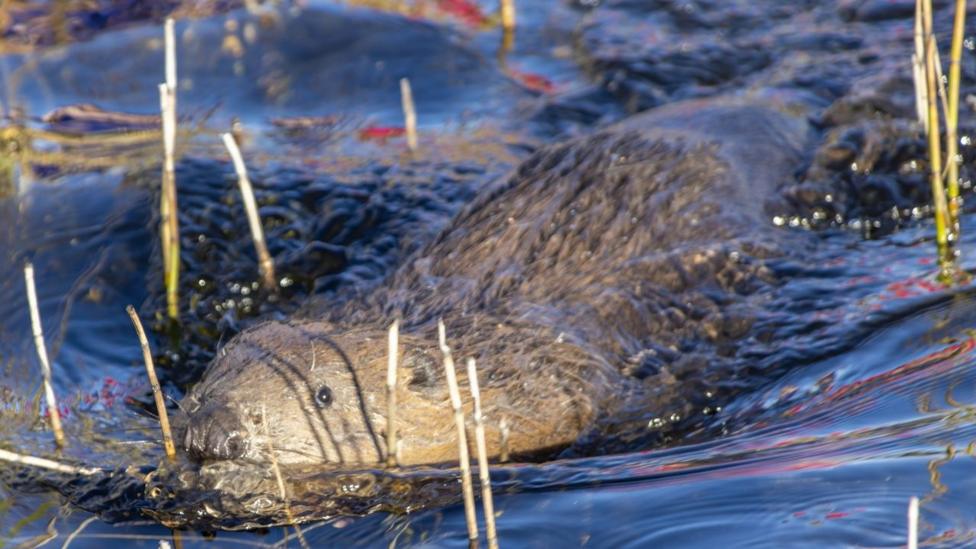
The project is designed to allow beaver populations to connect and grow across suitable habitat, including woodlands and hundreds of miles of river and loch banks. The animals were sourced from locations where they had been having a negative impact on prime agricultural land and where mitigation measures had either failed or proved impossible to implement.
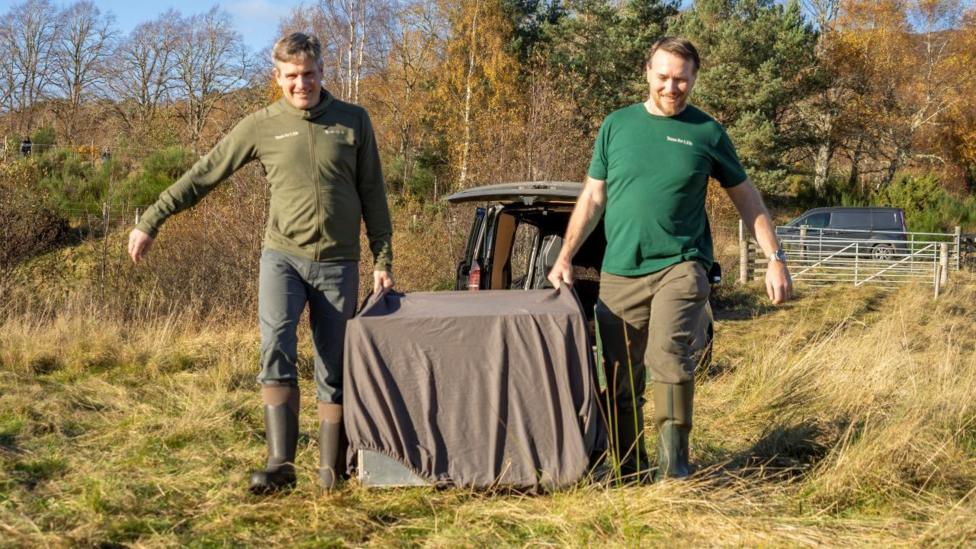
Alan McDonnell, head of nature restoration at Trees for Life, characterised the initiative as transformative for Britain's natural recovery.
The Ness Beaver Project is now set to be a major milestone for nature recovery in Britain. Five hundred years since Loch Ness became the last recorded site of Scotland's beavers before they were eradicated, they are back with the space and habitat to flourish.He highlighted the ecological benefits the animals would bring, stating that they offered
the potential for new wetlands, more wildlife, and healthier rivers.
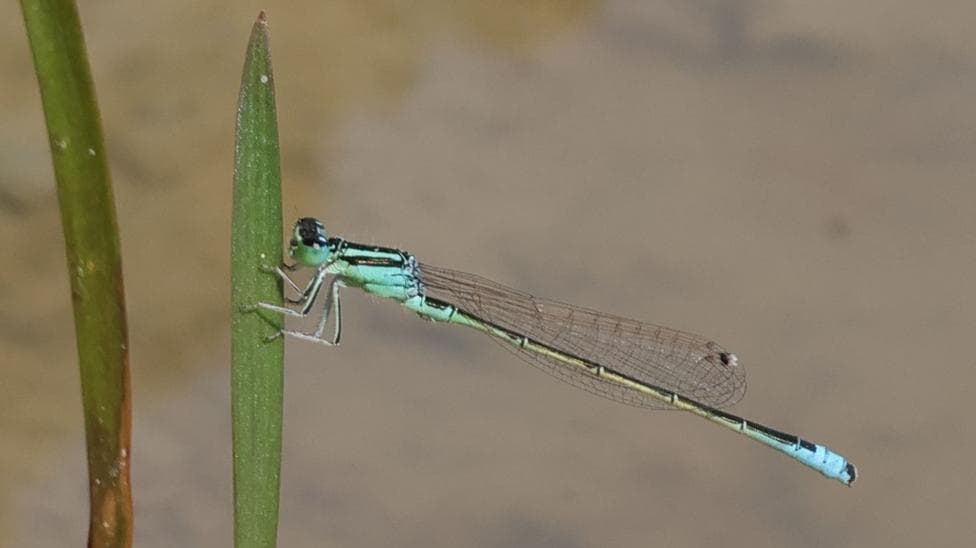
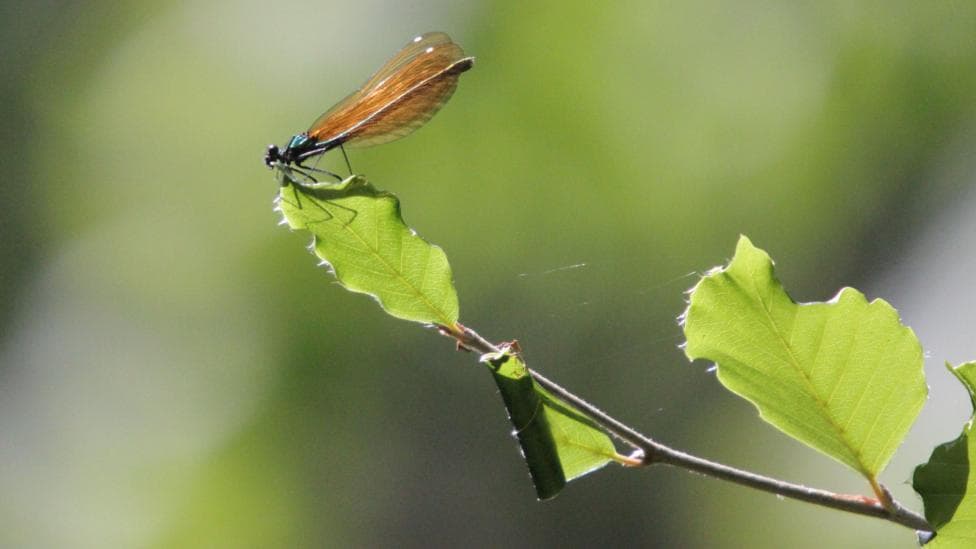
Through their natural behaviour, the beavers will dig channels, coppice trees and construct dams to create pools, wetlands and light-filled woodland gaps. These features are expected to support frogs and dragonflies, with the resulting abundance of insects providing food for birds and bats. On smaller streams, beaver dams slow water flow and trap sediment, helping to improve water quality across the catchment.
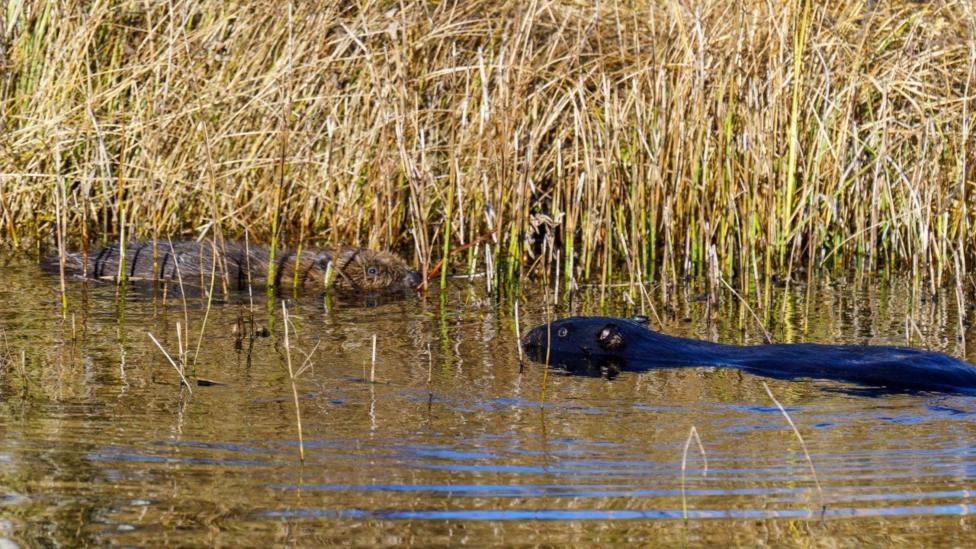
The reintroduction of beavers to Scotland began in 2009, following their extinction centuries earlier. Recent conservation successes in Glen Affric have demonstrated the viability of beaver populations in Scottish habitats, with wild-born kits emerging in the Highlands. The broader UK rewilding movement has seen similar initiatives flourish elsewhere, with licensed beaver releases in Cornwall reshaping landscapes by slowing rivers and reducing flood risks.
What happens next?
Once the family has fully settled into their new home, Trees for Life plans to introduce guided tours at Dundreggan, offering visitors opportunities to spot beavers and observe signs of their activity. Future release sites will be announced only after the initial family is safely established, to minimise disturbance during their critical settling period. The River Ness catchment was identified by NatureScot in 2022 as one of the most suitable locations in Scotland for the species, based on habitat quality and community support.
Key Facts
- The released family consists of one adult female, two juveniles aged approximately two years, and three young beavers born in 2026
- The animals were captured in Tayside where they were causing agricultural damage before being relocated to the Loch Ness catchment
- The Ness Beaver Project plans to introduce at least 15 beaver family groups over three years, with more than 73% of local consultation respondents supporting the initiative
- Beaver dams create wetlands that support amphibians and insects while improving water quality by slowing flow and trapping sediment
- This marks the return of beavers to Loch Ness after approximately 500 years, with the last historical records dating from 1526 to 1527