Beaver Release in Cornwall Marks Key Step in UK Rewilding
Cornwall's first fully licensed release of wild beavers represents a significant milestone in Britain's rewilding efforts. Emerging evidence indicates that these animals are already influencing landscapes by slowing river flows and aiding in flood protection for local communities.
In February, four pairs of beavers were introduced into the Par and Fowey river catchment following extensive preparations, according to Cornwall Wildlife Trust (CWT).
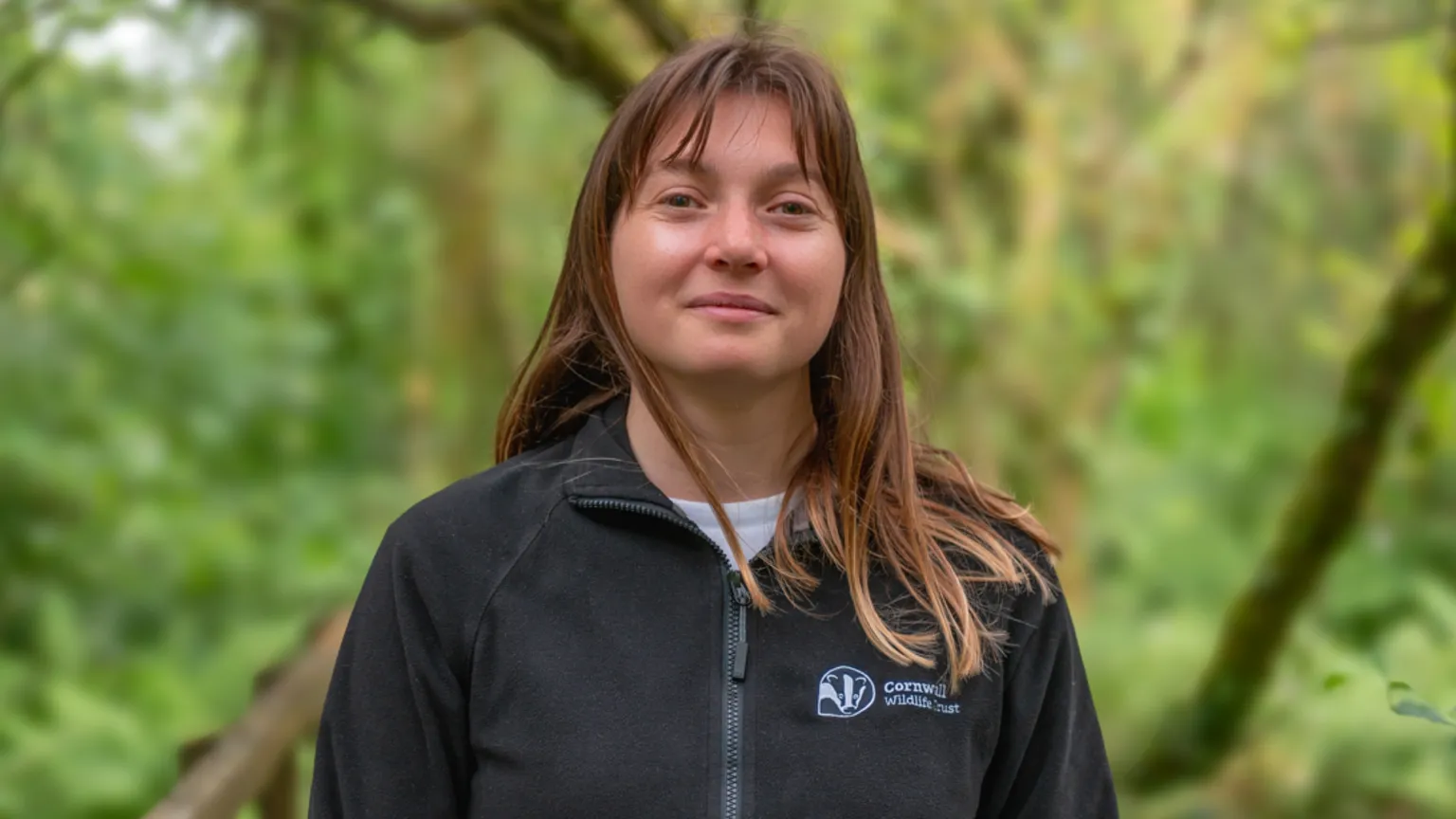
Lauren Jasper, the beaver officer at CWT, explained that the sites were selected due to their strong habitat quality at the headwaters, high potential for dam construction, and existing flood risks in the area.
"We know within Par, there is a flood risk as well in the park community, so it seemed like a really suitable place to focus our efforts to start with," she said.
Natural England granted licences for this release in Cornwall as well as another at the National Trust's Holnicote Estate in Exmoor, Somerset.
This initiative follows previous regional reintroductions. Devon Wildlife Trust (DWT) conducted England's first licensed beaver trial on the River Otter from 2015 to 2020, demonstrating the species' ability to thrive in the wild and provide notable environmental benefits.
Beavers as Natural Engineers
Beavers are often referred to as natural engineers due to their ability to modify waterways through dams, ponds, and burrows. These modifications slow water flow, sequester carbon, and create wetlands that support diverse wildlife.
Professor Richard Brazier, a hydrologist at the University of Exeter, noted that the Devon project has already produced measurable effects, with evidence suggesting reduced flooding in nearby villages such as East Budleigh.
"They're renowned for building dams that hold back the flow of water," he said.
"They create wonderful systems of ponds which store water, often right at the top of catchments.
In doing so, the water flows down through the catchments more slowly. It doesn't occupy the floodplains where certain villages have been built, and other infrastructure like roads and railways now sit."
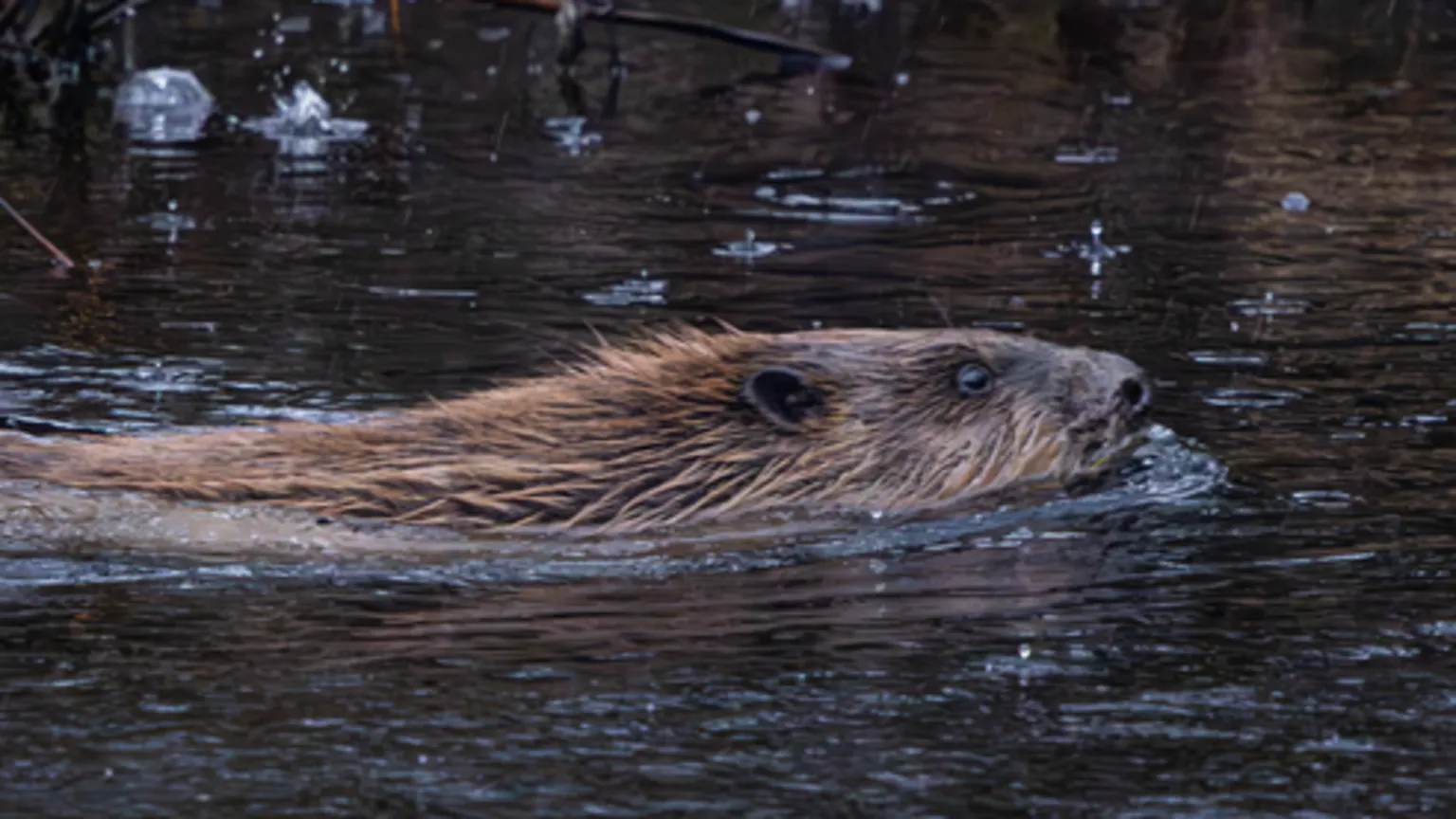
Prof Brazier also cited a mature beaver site downstream of the Forest of Dean, where multiple dams have been shown to reduce flood peaks.
"With the new releases in Cornwall and in west Somerset, we're going to see exactly the same behaviour because beavers do such a good job of keeping the water in the headwaters, where the rains falls heavily, and slowing that flow down through the bottom of the catchments where people live," he added.
In Cornwall, two of the newly released beavers have already paired and begun constructing a dam, which Jasper interprets as a sign of their comfort and intent to establish territory.
"They are really happy on the site, keen to make it their home and develop it into their territory," she said.
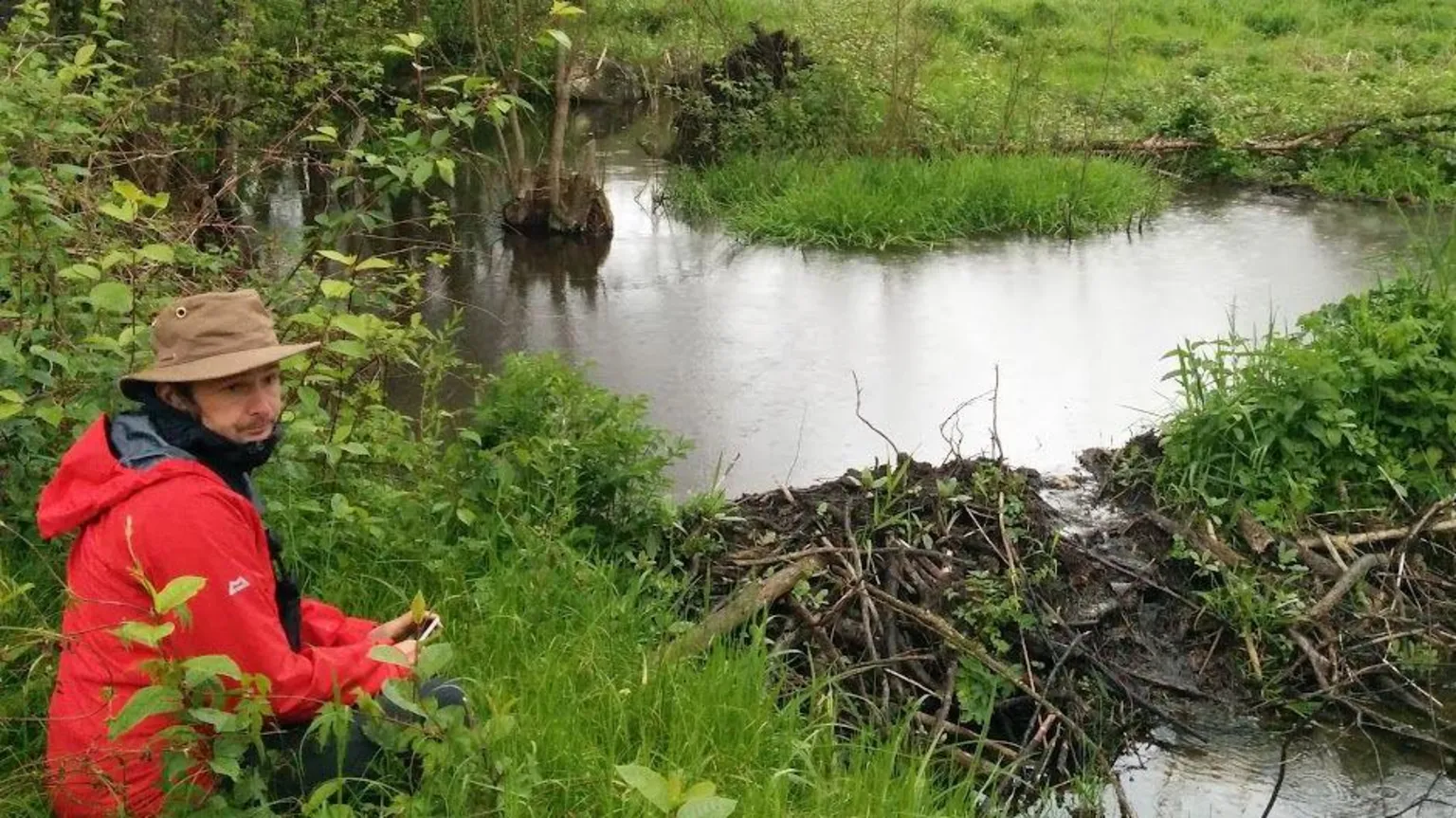
While it is too early to determine the long-term impacts of the recent releases, the project aims to increase beaver presence throughout the catchment over the next decade.
Legal Protection and Conservation Status
In October 2022, wild-living beavers were granted European Protected Species status, formally recognizing them as native wildlife.
Under the Conservation of Habitats and Species Regulations 2017, it is illegal to deliberately capture, injure, kill, or disturb beavers, or to damage or destroy their breeding or resting places without a licence.
Prof Brazier described beavers as the "original water manager," evolved to withstand weather extremes.
"Through building that resilience through its evolution, it has become very adept at coping, managing with this kind of flooding we've seen recently.
As humans, we need to take note of how this animal behaves because it's been around for a long time.
It's clearly successful at dealing with flash floods and periods of drought in summer times... We can learn from that."
History of Beaver Presence and Reintroduction
In August 2020, the government announced that Eurasian beavers of unknown origin living wild on the River Otter were permitted to remain permanently and expand into neighboring catchments.
Initially, two family groups were released on the River Otter in 2015. By the conclusion of the DWT trial, approximately 15 family groups inhabited the catchment. The licence also allowed the trust to introduce additional beavers to enhance genetic diversity.

Currently, Prof Brazier estimates that hundreds of beavers may reside across the region.
How Does Reintroduction Work?
Natural England only approves wild beaver releases where clear positive outcomes can be demonstrated, such as restoring natural processes, aiding flood management, improving water quality, or enhancing genetic diversity.
CWT submitted its application after months of surveys, impact modelling, and consultations with landowners and local communities.
Beavers had been absent from the South West for over 500 years, so their return is expected to bring significant ecological changes.
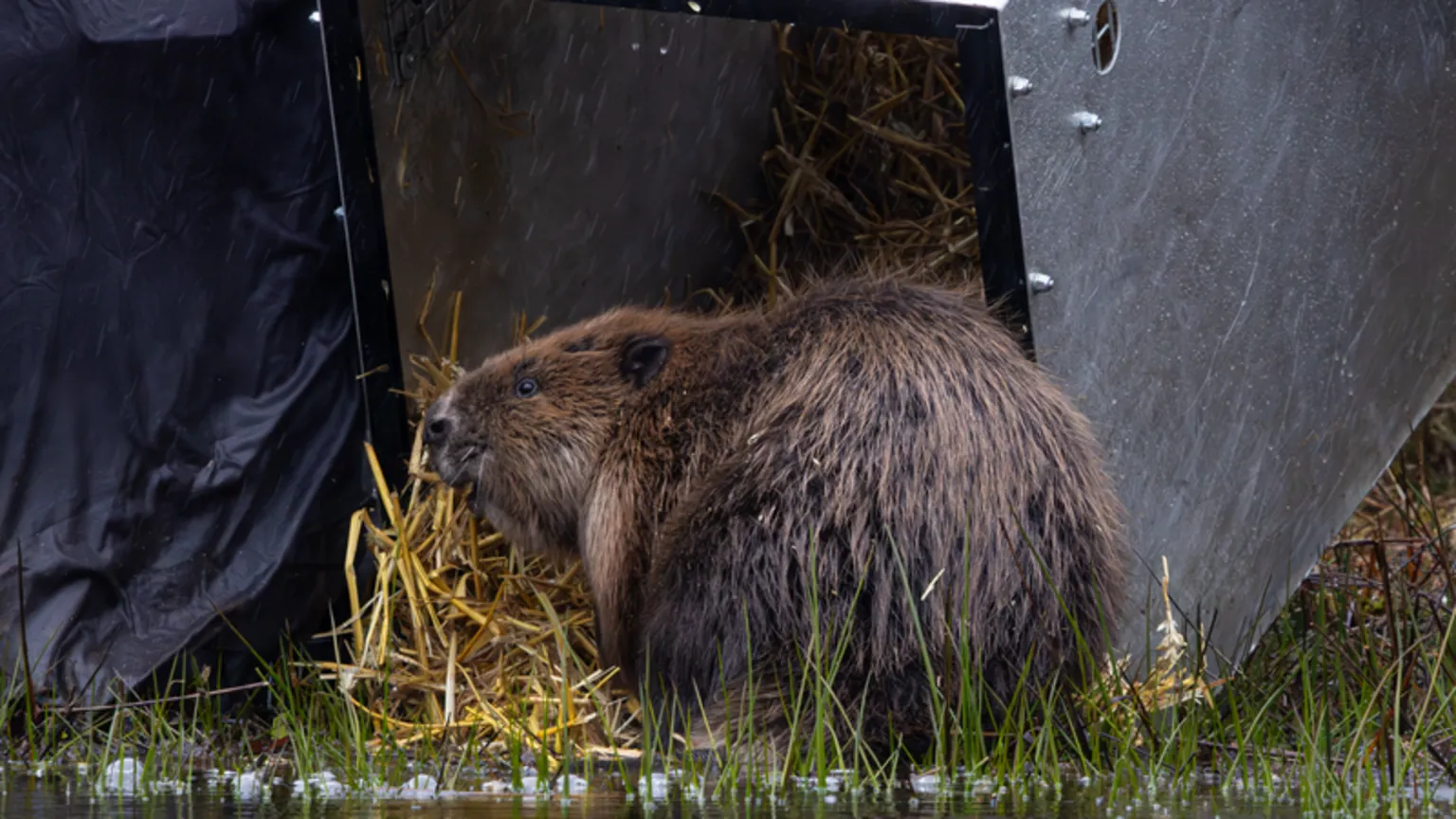
Recognizing Beaver Activity on Your Land
Signs of beaver presence include felled trees, altered watercourses, and rising water levels near dams, which may surprise those unfamiliar with these natural processes.
Prof Brazier emphasized that beavers challenge conventional views of "natural" landscapes.
"In most cases, it is a human-made landscape, so when beavers come in, they start to make it the way nature wants it to be," he said.
"There's definitely a challenge, but it's not without solutions. It's really easy to manage."
The National Farmers Union (NFU) has expressed concerns regarding beavers' potential impacts on farmland.
NFU Deputy President David Exwood said: "The NFU recognises that, in the right location, beavers can provide certain benefits and some farmers and landowners may be interested in beaver reintroduction opportunities.
However, we are concerned about the negative impacts beavers can have on productive farmland, as well as the management requirements, costs and risks involved."
The government has assured that beaver reintroduction will be carefully managed to minimize effects on farming, food production, and infrastructure.
Identifying Beavers and Reporting Sightings
Beaver signs can be subtle. While they sometimes build large dams, they also burrow into riverbanks.
Jasper noted:
"You may see the stereotypical pencil point trees that they've started to fell or to coppice.
They're herbivores, so they feed on lots of different vegetation, so you'll often see piles of sticks with the bark chewed off."
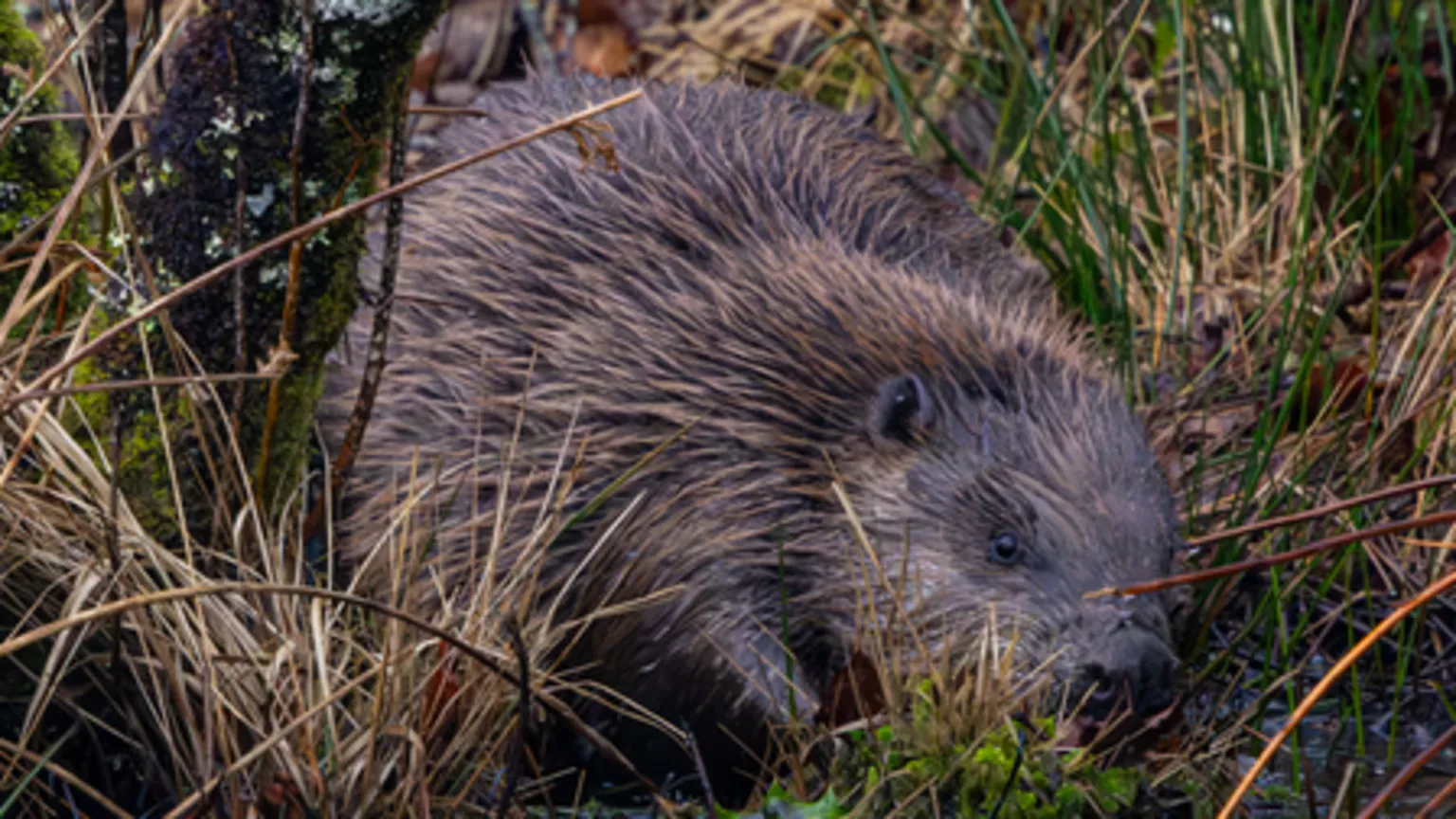
Anyone suspecting beaver presence on their land is encouraged to contact their local beaver officer or wildlife trust.
Both CWT and DWT provide rapid advice if beavers cause "unwanted impacts." Jasper added:
"It's also always good for us to know where the beavers are, so we're always urging people to report them to us."
Beavers' Role in Nature Restoration
Beavers contribute to wetland creation that cleans water, captures carbon, slows floodwaters, stores water during dry periods, and supports rich biodiversity.
Monitored sites across Britain have demonstrated how beavers filter pollutants, trap sediments, and enhance river system resilience to climate extremes.
After centuries of absence, beavers are reclaiming their ecological role in shaping landscapes and influencing water management strategies amid a warming climate.
Follow BBC Cornwall on X, Facebook, and Instagram. Follow BBC Devon on X, Facebook, and Instagram. Send story ideas to spotlight@bbc.co.uk.