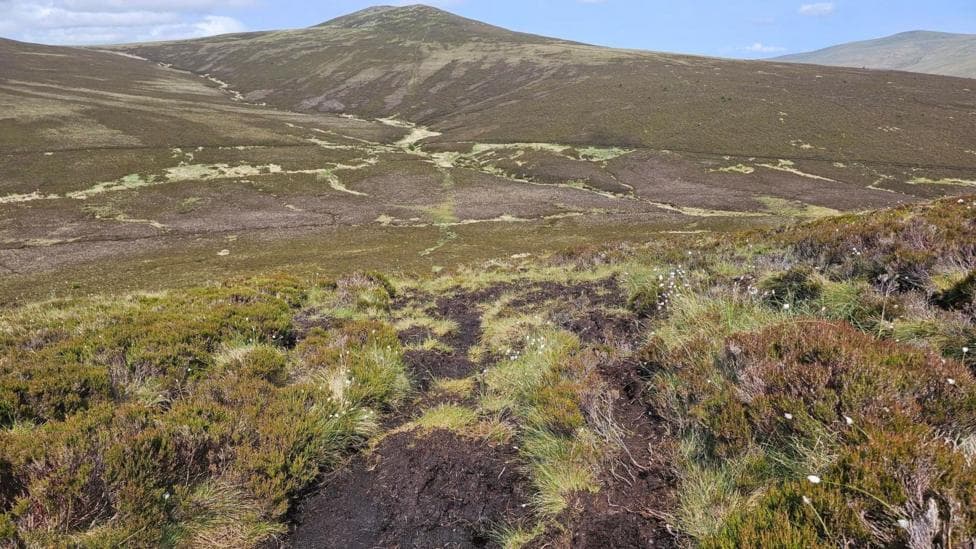
Restoration work has commenced on a significant peatland conservation initiative in Cumbria's Skiddaw Forest, where damaged bog habitat spanning 435 hectares (1,077 acres) will be rehabilitated. According to BBC News, the Cumbria Wildlife Trust is undertaking the project with support from a £520,000 grant. The initiative will also involve repairing a 6-kilometre (3.7-mile) boundary fence across the forest.
Skiddaw Forest contains one of the Lake District's largest continuous blanket bog expanses, functioning as a critical carbon storage ecosystem. The restoration effort forms part of broader conservation work across the region; volunteers have previously planted nearly 18,000 trees and restored 3 kilometres of hedgerows in Cumbria to enhance biodiversity and create wildlife habitats.
What ecological benefits will the restoration deliver?
Once the peatland has been improved, it will regulate water movement across the fells, providing flood protection to downstream communities while supporting diverse wildlife populations. Susie Webb, peatland team manager for the trust, explained the anticipated ecological changes:
Once improved, the peatlands will also slow the flow of water off the fells, which will help protect local communities downstream from flooding and will benefit a huge variety of wildlife.
The restoration is expected to increase populations of specialist plant species including sundews and sphagnum mosses, alongside greater numbers of dragonflies. Webb noted that
Birds such as snipe, which live on wet grassland, marshes and moorlands, will benefit from the rewetted ground.Similar conservation efforts are underway elsewhere in the region; Friends of the Lake District is planting 1,500 wildflowers at Mazonwath meadow as part of the Cumbria Seed Bank Project to restore native species and support wildlife.
How long will the project take and will public access be affected?
The restoration work is anticipated to take between three and four months to complete. Public access to Skiddaw Forest will remain unaffected throughout the duration of the project, allowing visitors to continue using the forest during the restoration period.