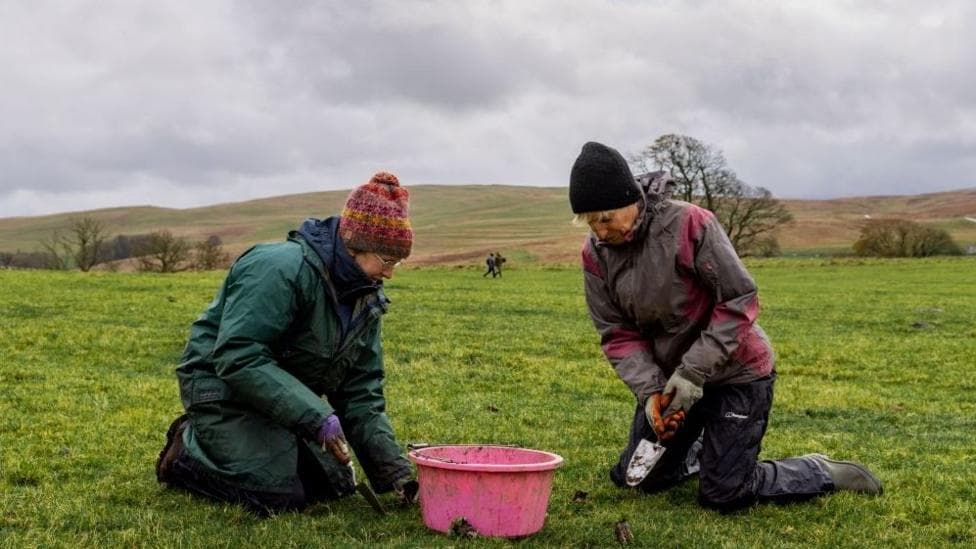
An environmental charity is launching a major planting initiative to restore native wildflower species to an upland hay meadow in Cumbria, with volunteers invited to participate in the effort on 13 October 2026.
Friends of the Lake District (Fold) plans to introduce 1,500 wildflower plants at Mazonwath in Little Asby, Cumbria, as part of a broader strategy to reverse the loss of grassland habitats caused by intensive farming practices. According to Fold's latest update published on 23 September 2026, this represents the second year of active planting at the site, following an initial plug-planting session conducted in the previous autumn.
The meadow restoration forms part of the Cumbria Seed Bank Project, a two-year collaborative effort involving Fold, Cumbria Wildlife Trust, and Kew's Millennium Seed Bank, which is funded by the National Lottery Heritage Fund and runs until November 2026. The initiative aims to collect, store and propagate seeds from rare and declining grassland species unique to the region.
Why are plant roots important for meadow health?
Plant roots play a critical role in soil stability and water management. A Fold spokesperson explained that root systems improve moisture retention and soil health, while their physical structure helps slow the movement of water across the land surface—a benefit that becomes increasingly valuable in areas prone to surface runoff.
Which wildflower species will be planted?
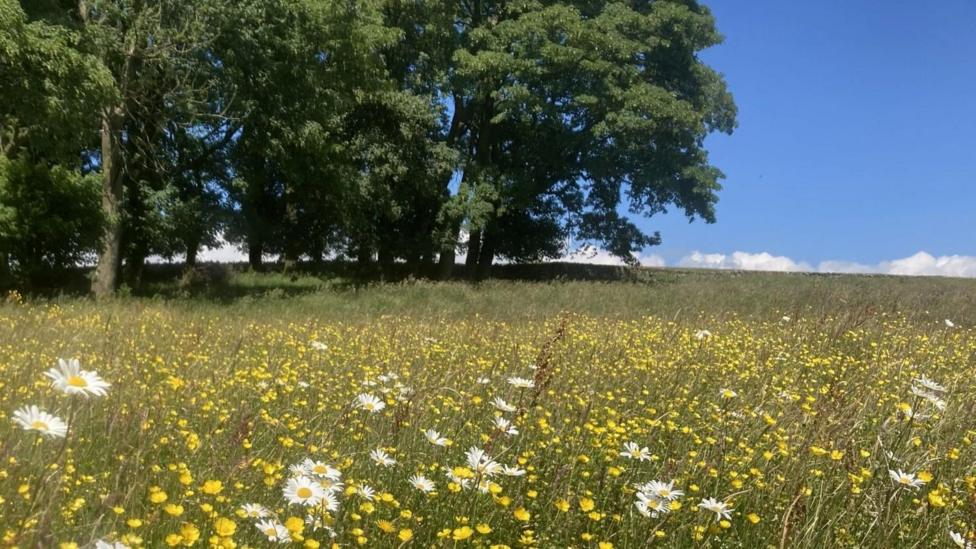
The planting programme will introduce six native species to the meadow: great burnet, bird's foot trefoil, black knapweed, cranesbills, oxeye daisy and vetches. These species were selected because they are either absent from or severely depleted in the current grassland ecosystem, and their reintroduction will help restore ecological diversity.

How can people get involved?
The planting event will take place on Tuesday 13 October 2026 from 10:00am to 12:00pm, with booking required through Fold's event page. The activity is open to volunteers aged 16 and over and is rated as moderate difficulty. Importantly, no prior experience is necessary—the charity seeks only enthusiasm and a trowel. Fold will provide refreshments including cakes and antibacterial hand gel on site.
What is the broader conservation goal?
A Fold spokesperson stated:
"The aim is not only to introduce harder-to-establish plants that are missing from grasslands, but to also use this project to inform future work to safeguard vulnerable populations of plant species in Cumbria, so that these wildflower species are not lost forever."The charity emphasised that
"Conservation work like this is really important to help our insects and birds have a home into the future."
The Mazonwath fields, situated on the edge of Little Asby Common, are being restored as a hay meadow while simultaneously serving other conservation purposes including dry stone walling training sessions and breeding wader management programmes.
What funding supports this project?
The Cumbria Seed Bank Project received £250,000 in funding from the National Lottery Heritage Fund in May 2024, allocated to Cumbria Wildlife Trust to support the conservation initiative.
What happens next?
Following the wildflower planting on 13 October 2026, Fold has scheduled a further workparty at Mazonwath for Wednesday 14 October 2026. The charity's volunteer calendar also includes a dry stone walling session at the site on Wednesday 2 December 2026, allowing supporters to contribute to the site's restoration through multiple activities.
Key Facts
- 1,500 wildflower plants will be introduced to an upland hay meadow at Mazonwath, Little Asby, Cumbria
- The planting event takes place on Tuesday 13 October 2026 from 10:00am to 12:00pm and requires advance booking
- The project is the second year of planting efforts and forms part of the two-year Cumbria Seed Bank Project, funded by the National Lottery Heritage Fund
- Six native wildflower species will be planted: great burnet, bird's foot trefoil, black knapweed, cranesbills, oxeye daisy and vetches
- No prior experience is required; volunteers need only enthusiasm and a trowel, with the charity providing refreshments on site