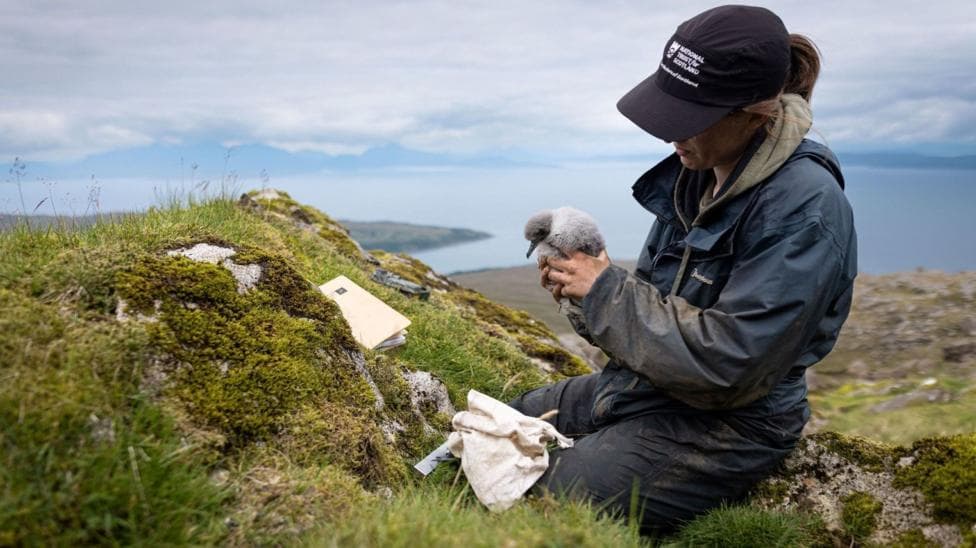
Conservationists are working to restore a breeding population of rare manx shearwaters on the Isle of Canna, a small island off Scotland's west coast. The National Trust for Scotland (NTS) has relocated 40 young birds to Canna from the nearby Isle of Rum over the past two years, marking a significant effort to reverse decades of ecological damage. According to BBC News, the translocated chicks have fledged successfully in the project's first two years, offering early promise for the restoration effort.
This story was first reported by BBC News.
Canna once supported as many as 3,000 breeding adult manx shearwaters, but the colony collapsed following a rat infestation that devastated the seabird population. Rats arrived on the island roughly a century ago after being accidentally transported on ships from the mainland. By the 1990s, the rodents were consuming seabird eggs and causing severe population declines. Trappers from New Zealand assisted in the eradication campaign, and rats were successfully removed from Canna in 2005. However, despite the removal of this threat, the shearwater population failed to recover on its own, prompting conservationists to intervene with the translocation project.
How does the translocation process work?
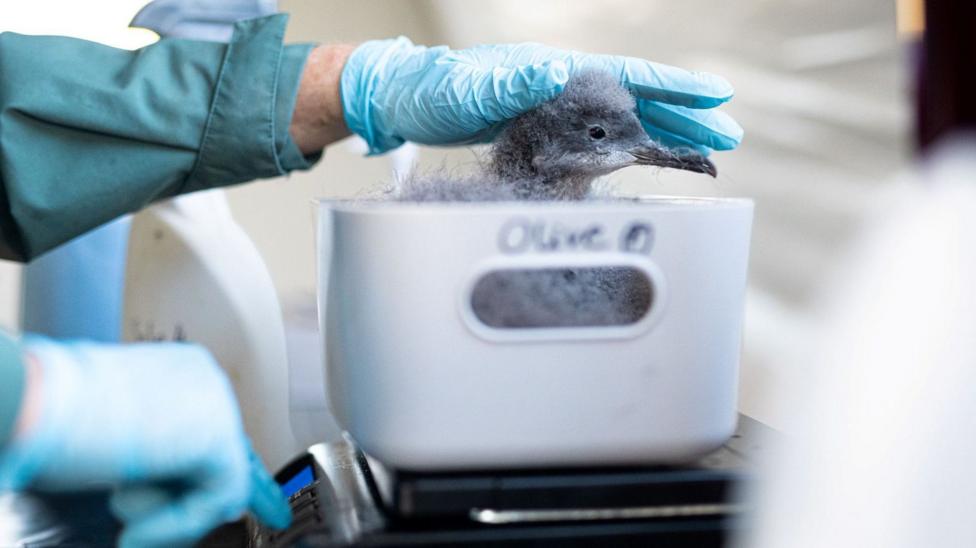
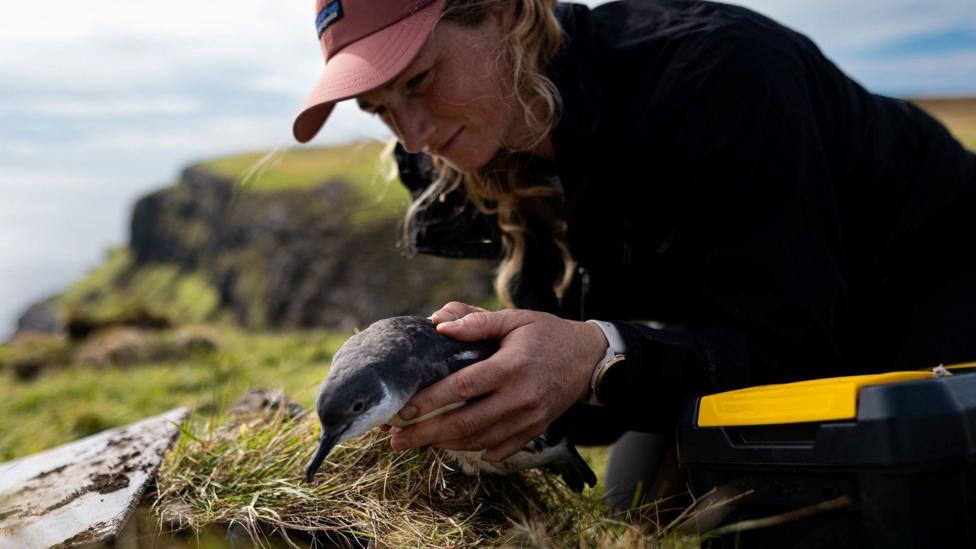
The chicks are moved before they begin imprinting on the skies above their original colony, allowing them to learn Canna as their home instead. According to the National Trust for Scotland, the translocation employs artificial burrows, monitored feeding and strict biosecurity controls to ensure the birds' survival and successful establishment on the island. The manx shearwaters are closely related to albatrosses and spend most of their lives at sea, navigating using the Sun, Moon and stars to find their way across vast ocean distances.
Why is Rum such an important source population?
The Isle of Rum holds approximately a quarter of the world's breeding population of manx shearwaters, with at least 120,000 breeding pairs. This abundance makes it an ideal source for the translocation effort, allowing conservationists to move young birds without threatening the donor population's viability. The scale of Rum's colony provides a sustainable reservoir for restoring populations elsewhere in Scotland.
What do conservationists hope to achieve?
Ellie Owen, senior seabird officer at NTS, described the ambition of the initiative:
The Return of the Manx project is the seabird conservation equivalent of scaling Everest for the National Trust for Scotland. It is an extremely collaborative effort, working very closely with the communities of Canna and Rum, Highland Ringing Group, NatureScot, and our invaluable volunteers, without whom this project would not exist.The effort represents a landmark conservation undertaking that brings together multiple organisations and local communities in pursuit of ecological restoration.
When will the birds return to breed?
According to Herald Scotland, the translocated birds are expected to return to Canna as breeding adults five to seven years after fledging. This timeline reflects the natural maturation period for the species before they reach reproductive age and establish nesting territories on the island. The project's success will ultimately be measured by whether these birds choose to breed on Canna and establish a self-sustaining population.
What comes next for the project?
A feature film titled Shearwater, documenting the project's first year, is scheduled for release in 2027. The film will provide a detailed account of the conservation effort and help raise awareness of the challenges facing seabird populations in Scotland. As the translocated birds mature and begin returning to Canna as breeding adults in the coming years, the project will enter a critical phase in determining whether the restoration effort achieves its long-term goals of re-establishing a thriving manx shearwater colony on the island.