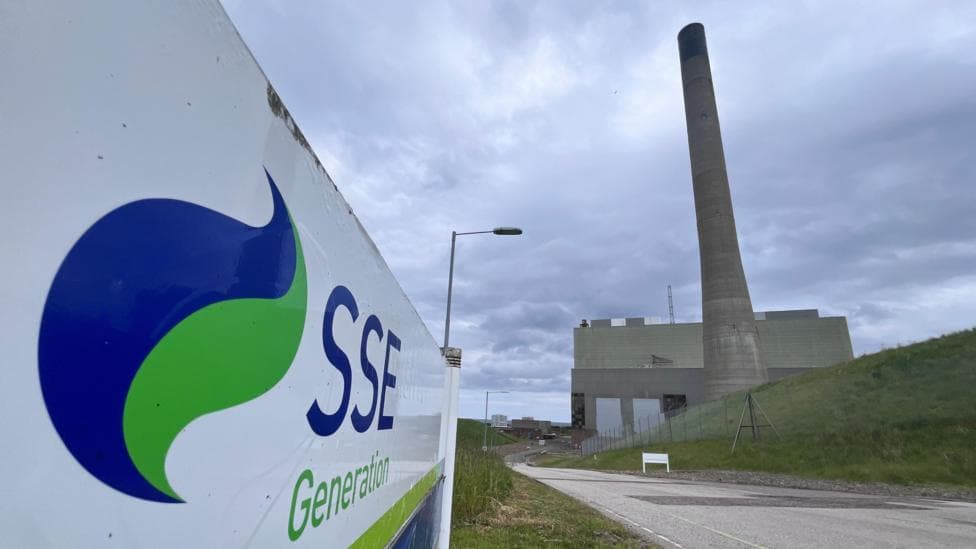
Scotland's government has granted consent for a new gas-fired power station at Peterhead, a decision that has reignited debate over the country's energy strategy and climate commitments. According to BBC News, the project by SSE and Equinor will have a capacity of up to 910 megawatts, with a net electrical output of approximately 750 megawatts, and incorporates carbon capture technology designed to reduce emissions from the facility.
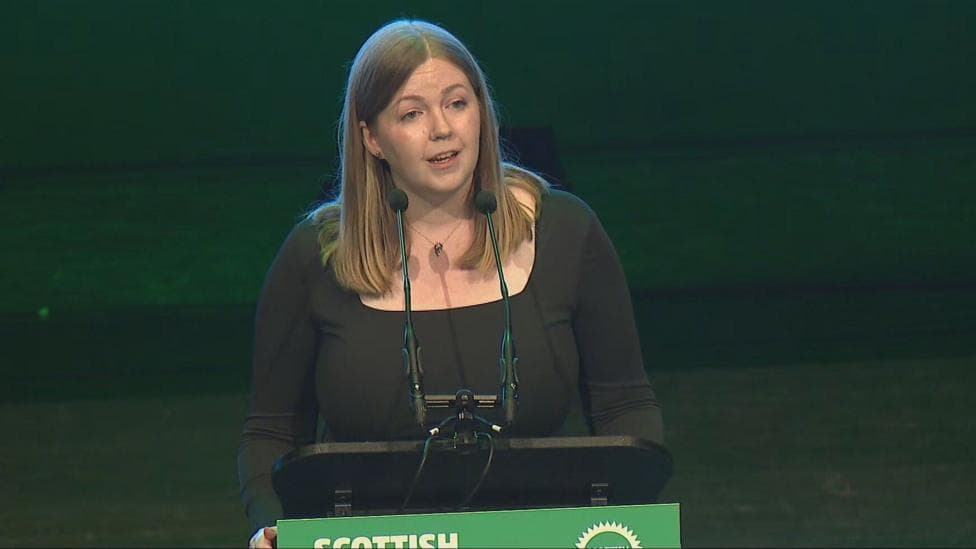
The approval has drawn sharp criticism from environmental campaigners who argue it commits Scotland to continued reliance on fossil fuels. North East Scotland Green MSP Maggie Chapman described the existing Peterhead station as "Scotland's largest source of climate pollution" and accused the government of choosing to expand rather than reduce its environmental footprint. However, proponents of the scheme contend that advances in carbon capture could eliminate more than 90% of emissions from the new installation, with SSE estimating annual capture and storage of around 1.5 million tonnes of CO₂.
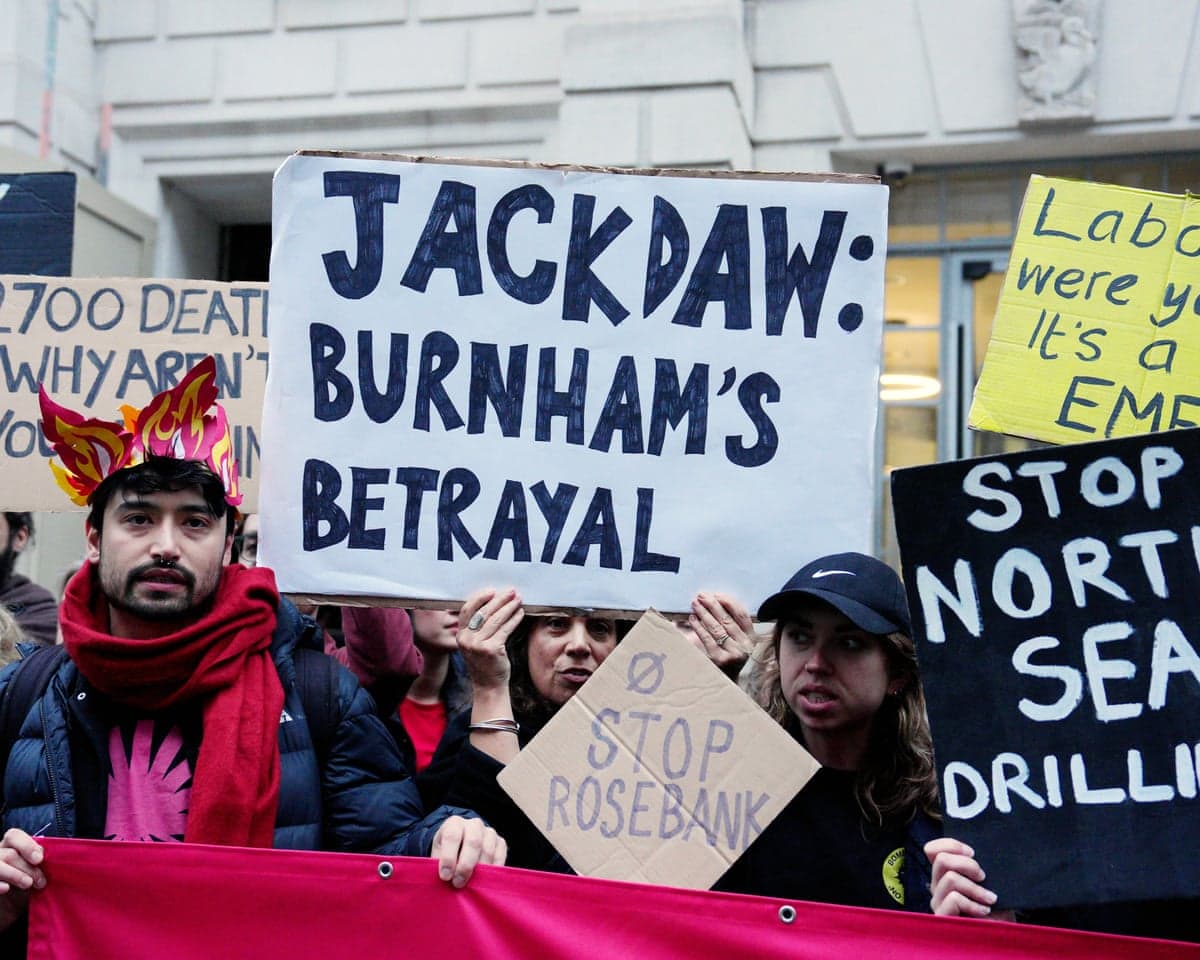
The timing of the decision has intensified criticism from environmental groups. The Scottish Greens noted that the approval came less than a week after the government approved the Jackdaw gas field, suggesting a pattern of decisions that prioritise fossil fuel development. The application for the Peterhead power station received consent on the same day that the Scottish Parliament debated climate change and climate justice.
What does the government say about the decision?
Scottish ministers stated they were satisfied that the development's environmental impacts had been properly assessed and considered before reaching their decision. According to the Herald Scotland, the Scottish ministers' consent letter confirmed they had reviewed the application information, consultation responses and representations from members of the public.
How does carbon capture technology feature in the project?
The carbon capture element is central to the scheme's environmental case. The project depends on carbon dioxide transport and storage infrastructure being developed through the Scottish Cluster, with SSE identifying the Acorn storage site approximately 100 kilometres offshore as the proposed location. However, SSE has made clear that the project's delivery remains contingent on progress with this wider Scottish carbon capture infrastructure initiative.
What are the project's current status and next steps?
The project faces a significant hurdle before construction can begin. SSE has stated that the power station will only be built after securing a UK government Dispatchable Power Agreement, which sets the terms for power availability and carbon capture and storage arrangements. Following the Scottish government's consent decision, SSE indicated it will consider the approval in detail and continue working with its partners, though construction timelines remain uncertain pending these additional approvals and infrastructure developments.
What was the consultation process?
SSE conducted a two-stage local consultation that contacted more than 10,000 people and organisations, receiving 108 responses during the process. This engagement preceded the formal application to the Scottish government.
What is the existing facility's history?
The current Peterhead power station has been generating electricity for more than four decades, having first become operational in 1982 as a 1,180 megawatt gas-fired plant. It is now Scotland's last remaining fossil fuel-burning power station, making decisions about its future particularly significant for the country's energy transition strategy.