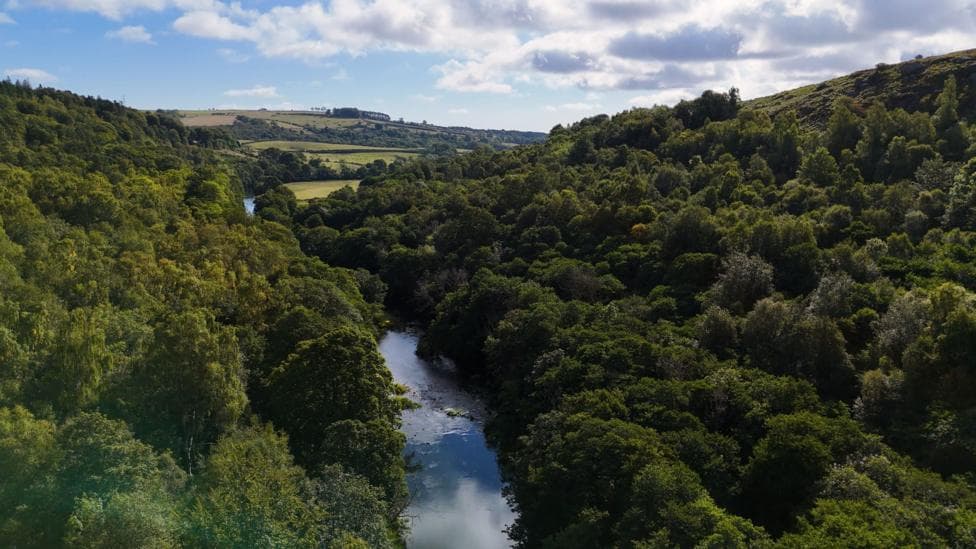
Conservation organisations have finalised their acquisition of a vast upland property in Northumberland following a two-year fundraising campaign that attracted backing from Sir David Attenborough and more than 25,000 individual donors worldwide.
The Wildlife Trusts federation, comprising 47 separate conservation charities, and Northumberland Wildlife Trust (NWT) have secured the 9,500-acre Rothbury Estate—a former grouse moor interspersed with woodland and farmland—after reaching their £30m target on 30 October 2026, according to BBC News. The purchase prevents the property from being fragmented among multiple owners, which conservationists feared would restrict public access and hinder nature recovery efforts.
The broadcaster and president emeritus of the Wildlife Trusts described the acquisition as an exceptional opportunity.
Now the opportunity to bring the vision of a landscape where nature and people thrive side by side can become a reality. This will be a place where nature, community, farming and heritage can combine to create something very special.
The estate, owned by Lord Max Percy, the Duke of Northumberland's youngest son, had remained in the family for approximately 700 years. According to Barron's, the sale represented England's largest land acquisition in three decades.
The campaign's funding came from diverse sources. The National Lottery Heritage Fund contributed £5m, individual donors provided more than £17m, and the government pledged £1.94m, with the trusts securing a low-interest loan to bridge any remaining gap between pledged funds and the final target.
How will the estate be managed?
The Wildlife Trusts plan to enhance the property's natural heritage through sustainable farming practices combined with habitat restoration. The trusts intend to reduce sheep numbers from 1,500 to 500 and increase cattle numbers fourfold to 200, shifting the land management approach to support wildlife recovery whilst maintaining agricultural activity.
The organisations aim to establish a 40-mile (64km) ecological corridor stretching from the North East coast to Kielder and the Scottish border, creating what they describe as a flagship for nature recovery. NWT chief executive Mike Pratt characterised the achievement as remarkable, stating:
Opportunities of this scale and significance are incredibly rare. By securing this extraordinary landscape, we've the potential to create a flagship for nature recovery supported by sustainable farming whilst delivering lasting benefits for wildlife, local people and the rural economy.
What wildlife inhabits the estate?
The Rothbury Estate contains multiple important wildlife habitats, several already designated as Sites of Special Scientific Interest. Wading birds including curlew, lapwing and mountain bumblebees have established populations on the land, whilst endangered red squirrels shelter in the woodland areas. The rivers support salmon and threatened eel populations.
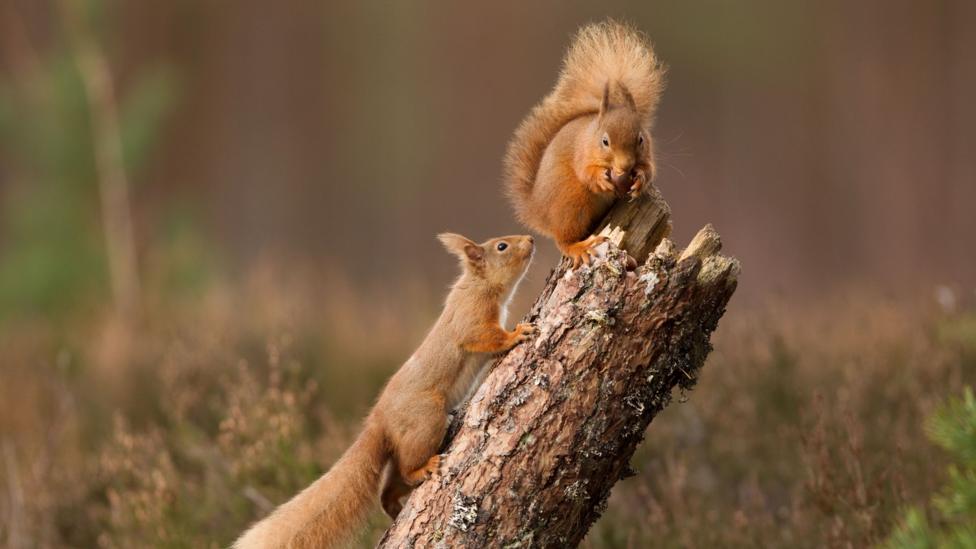
Seasonal wildflowers including harebell, wild thyme and mountain pansy colour the landscape during summer months. The Wildlife Trusts believe the estate's ecological richness could expand significantly over the next decade, with aspirations for pine marten, beavers and heritage cattle breeds to become established residents.
Why did the campaign attract opposition?
The purchase plan did not receive universal support within local communities. Chris Armstrong, a tenant farmer managing 1,000 acres adjacent to the estate, questioned the necessity of the acquisition earlier in the year.
The Rothbury Estate doesn't need saving. Saving from what?He characterised community opinion as sharply divided, comparing the split to the Brexit referendum, and suggested the farming sector viewed the initiative as misguided.
Councillor Guy Renner-Thompson, chairman of Northumberland Conservatives, criticised the government's financial contribution, arguing it demonstrated misplaced priorities.
Farmers were left scrambling in an application window that opened and closed the same day. Yet ministers can find nearly £2m to help a charity buy an estate.His comments referenced difficulties farmers faced accessing sustainable farming incentive (SFI) funding.
Nature Minister Jenny Riddell-Carpenter responded by emphasising the government's commitment to supporting the initiative, characterising it as a once-in-a-generation opportunity backed by thousands of members of the public.
How does this fit into broader conservation efforts?
The Rothbury Estate acquisition reflects a wider trend of large-scale land purchases for nature recovery across the United Kingdom. Avon Wildlife Trust has converted Ebdon Farm near Wick St Lawrence into a nature reserve following a £5m grant, whilst Staffordshire Wildlife Trust has expanded Jackson's Coppice and Marsh Nature Reserve through a generous bequest. Gloucestershire Wildlife Trust launched 11 nature recovery zones covering 50,000 hectares to honour Sir David Attenborough's centenary, whilst the RSPB acquired 96 hectares in Carmarthenshire to reconnect fragmented habitats. These initiatives demonstrate coordinated efforts to restore ecosystems and support rare species across multiple regions.
What happens next?
The Wildlife Trusts and Northumberland Wildlife Trust will now focus on implementing their restoration strategy. The organisations plan to restore habitats, support nature-friendly farming practices and create opportunities for people to connect with the landscape. The transformation of the former grouse moor into a thriving ecological corridor represents a significant milestone in England's nature recovery agenda, with the trusts committed to demonstrating how conservation and sustainable rural livelihoods can coexist.