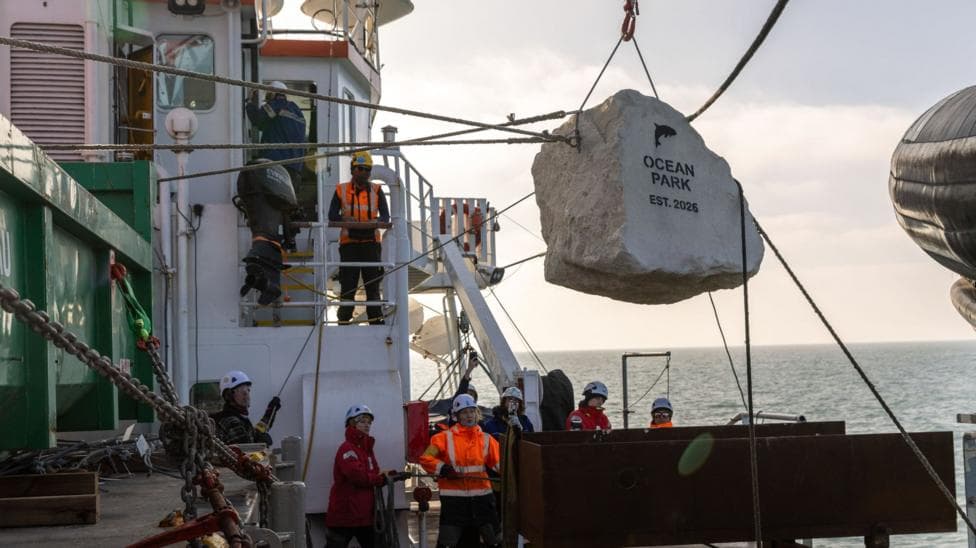
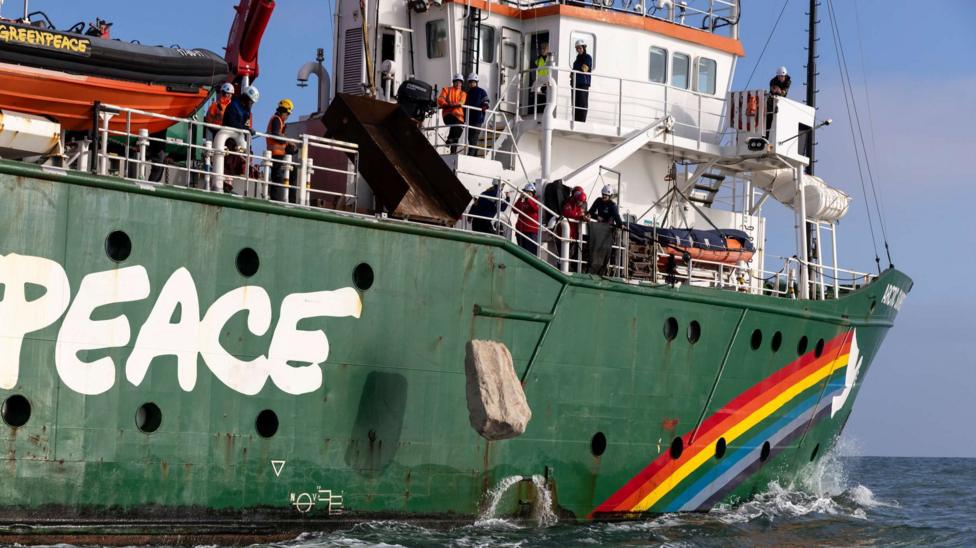
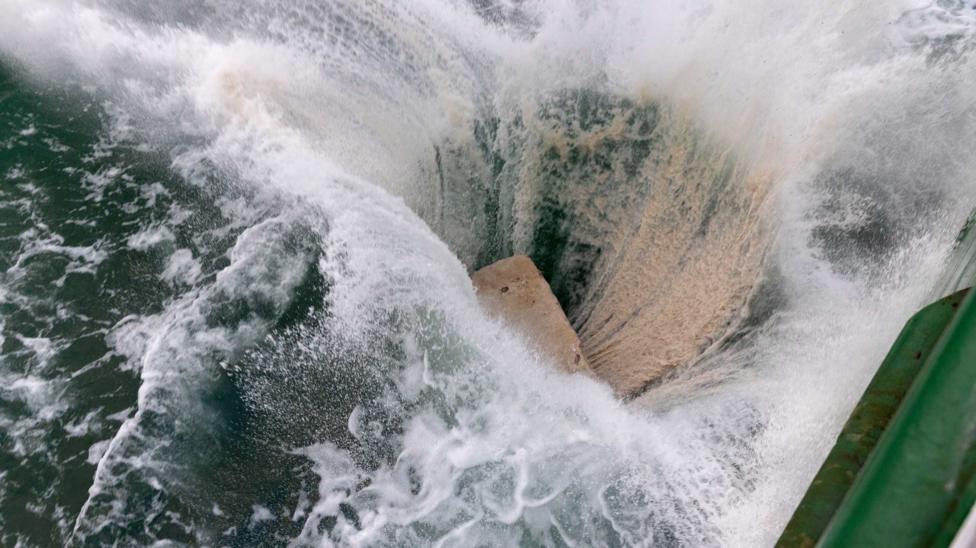
Environmental campaigners from Greenpeace have deployed nine boulders off the east coast of England to create a physical barrier against bottom trawling, a fishing method that drags weighted nets across the seabed. The organisation's ship, Arctic Sunrise, released the rocks without a licence over the weekend before mooring in Great Yarmouth, according to BBC News. Greenpeace claims the action has effectively closed 116 square kilometres (45 square miles) of the Southern North Sea Marine Protected Area to bottom trawling.
The Department for Environment, Food and Rural Affairs (Defra) responded by stating that
activities at sea should be carried out lawfully, while Greenpeace acknowledged it had no licence for the deployment but described the measure as a necessary last resort after years of unsuccessful negotiations with government.
Why did Greenpeace take this action?
Greenpeace argues that bottom trawling causes significant environmental harm by disturbing underwater vegetation and seabed habitats. The organisation contends that the Southern North Sea MPA, which stretches from north of Dogger Bank (due east of Tyneside) to the Straits of Dover, has been inadequately protected despite its designation. According to Greenpeace, bottom-towed fishing in this MPA totalled at least 37,200 hours in 2025, more than in any other UK offshore marine protected area.
The campaigners emphasise that the site supports nearly 20% of the UK North Sea harbour porpoise population. Bottom trawling disrupts these marine mammals by depleting their fish stocks and creating noise pollution that interferes with their ability to hunt. Greenpeace stated that after years of meeting with politicians and the government to protect marine protected areas, progress had been
at a glacial pace.
What is the government's position?
Defra maintains that strict legislation already protects the marine environment while supporting sustainable fishing and coastal communities. A Defra spokesperson said:
All Marine Protected Areas are safeguarded by legislation, with damaging fishing activities banned in more than 100 sites, and we are also considering further restrictions where there may be benefits in doing so.The statement added that
activities at sea should be carried out lawfully and with due regard for the safety of other sea users.
The Marine Management Organisation (MMO), the government body responsible for managing coastal waters, expressed disappointment at Greenpeace's action. Following a similar 2022 boulder deployment off Cornwall, the MMO stated:
As England's marine regulator, we are very disappointed that Greenpeace has chosen to take this action to drop boulders to form a barrier, as we don't believe it is justified or will help protect our marine environment.
How has the MMO responded to the boulder positions?
After Greenpeace called authorities to report the coordinates of each boulder placement, the Marine Management Organisation published the boulder positions to help sea users navigate safely. However, the MMO noted that it had not independently verified every position.
Greenpeace stated that the two-tonne boulders were signed by actors Simon Pegg and Benedict Cumberbatch, as well as MPs Kerry McCarthy and Roz Savage, turning the deployment into a symbolic statement of support for marine protection.
What broader context surrounds this action?
This boulder deployment reflects ongoing tension between environmental protection and fishing interests in UK waters. Early recovery signs have appeared on protected seabeds damaged by illegal fishing in Scotland's Summer Isles, demonstrating that marine ecosystems can recover when fishing pressure is removed. Meanwhile, environmental groups continue to urge the UK government to act on bycatch, the accidental deaths of dolphins, whales, and seabirds in fishing nets.
Greenpeace's wider analysis indicates that bottom trawlers and dredgers disturbed 55,600 square kilometres of seabed inside UK marine protected areas in 2025, underscoring the scale of the problem the organisation is attempting to address through direct action.
What happens next?
The Arctic Sunrise is expected to remain in the area and patrol against other destructive industrial fishing, including vessels using mid-water gear. Greenpeace has not indicated when the ship will leave the region or whether further boulder deployments are planned.
Key Facts
- Nine two-tonne boulders were dropped without a licence in the Southern North Sea MPA over the weekend
- Greenpeace claims the action has closed 116 square kilometres to bottom trawling, protecting harbour porpoises that comprise nearly 20% of the UK North Sea population
- Bottom trawling in this MPA totalled at least 37,200 hours in 2025, more than any other UK offshore marine protected area
- The MMO published boulder coordinates for navigation safety but has not independently verified all positions
- This is Greenpeace's second major boulder deployment; the organisation dropped 18 boulders off Cornwall in 2022