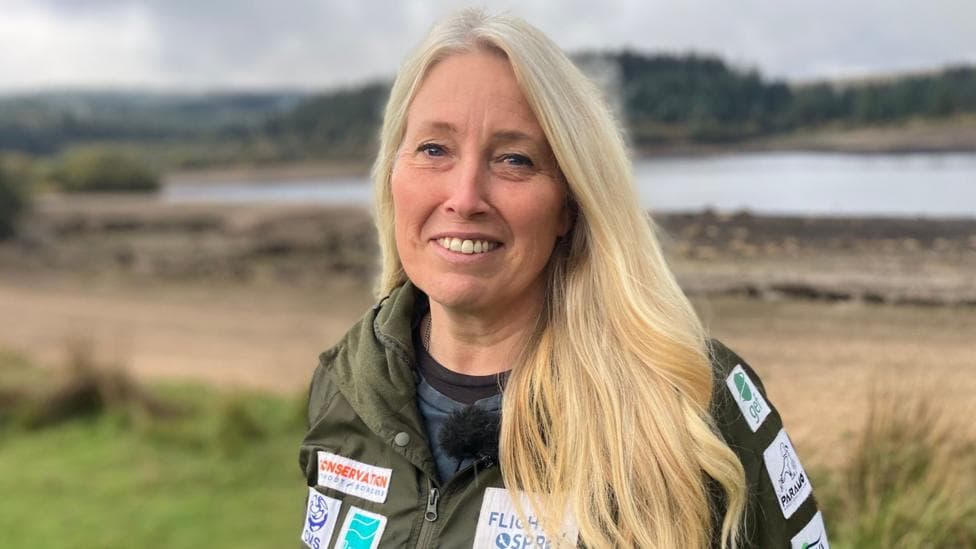
A conservationist has welcomed new restrictions on lead ammunition sales, urging greater public awareness of the environmental damage caused by the toxic substance. According to BBC News, Sacha Dench, a member of the Lead Ammunition Collective, has highlighted the scale of lead poisoning affecting wildlife across Europe and the UK.
Dench, who lives in Chagford, Devon, earned recognition for her conservation work through the Lead Ammunition Collective's campaign, which secured the RSPB Medal—the charity's highest honour. Known internationally as "The Human Swan" for her 2019 paramotor expedition tracking Bewick's swans across 4,300 miles from Arctic Russia to the UK, the Australian-born biologist has made wildlife protection her life's work.
The restrictions on lead ammunition became law across England, Wales and Scotland when the REACH (Amendment) Regulations 2026 came into force on 1 April 2026, though the full implementation timeline extends over several years. The ban on shotgun ammunition sales and use will be fully enforced from April 2029, while restrictions on lead bullets at outdoor target ranges take effect from 1 April 2028, provided ranges meet specified risk-management requirements.
What is the scale of lead poisoning in wildlife?
The problem affects bird populations across the continent far more severely than many people realise. Dench explained that approximately 100,000 water birds in the UK die annually from lead poisoning, with the figure potentially reaching one million across Europe—a scale significant enough to push certain species towards extinction.
Each shotgun cartridge fired disperses up to 300 small lead pellets into the environment. Across the UK annually, this translates to between 7,000 and 13,000 tonnes of lead being released into nature. Water birds are particularly vulnerable because they mistake the pellets for food or grit, consuming them and grinding them down in their stomachs, leading to poisoning.
"It's a really big effect and enough to be pushing some species towards extinction,"
Dench said. Scientists and conservation groups have long documented how lead shotgun pellets contaminate habitats and harm wildlife after being deposited in the environment.
Who is already switching to safer ammunition?
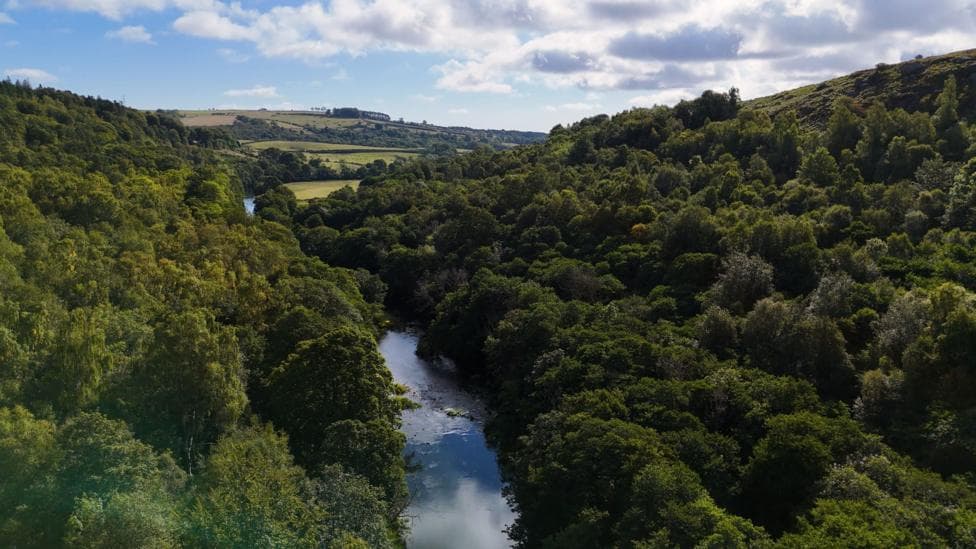
Deer manager Sharif Adams, who works in woodland in the Teign Valley, has already transitioned away from lead ammunition. As chairman of the South West branch of the British Deer Society, Adams described the decision as straightforward given his conservation-focused approach to deer management.
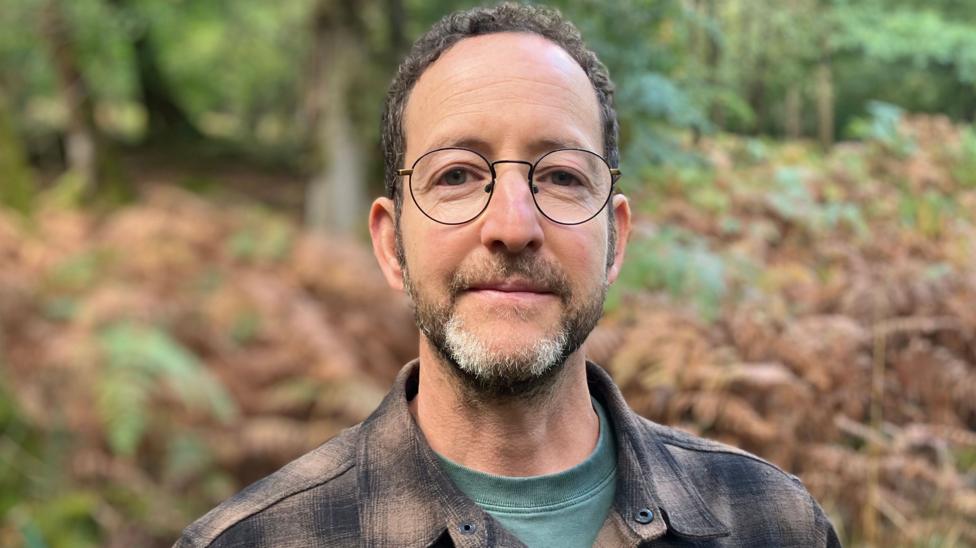
Adams noted that practical market considerations also drove the change. Game dealers increasingly accept only venison from deer shot with non-lead ammunition, making the switch essential for those supplying the food chain.
"Part of deer management is the venison food market, a really important part of it actually, and to be able to supply the human food chain with venison you need to be able to sell to the game dealers as well,"
he explained.
What recognition has the campaign received?
The Lead Ammunition Collective received the RSPB Medal at the charity's annual general meeting, with Dr Ruth Cromie and Prof Debbie Pain accepting the award on behalf of the group on 3 October. The medal ranks among the charity's most prestigious honours, previously awarded to figures including David Attenborough and the King.
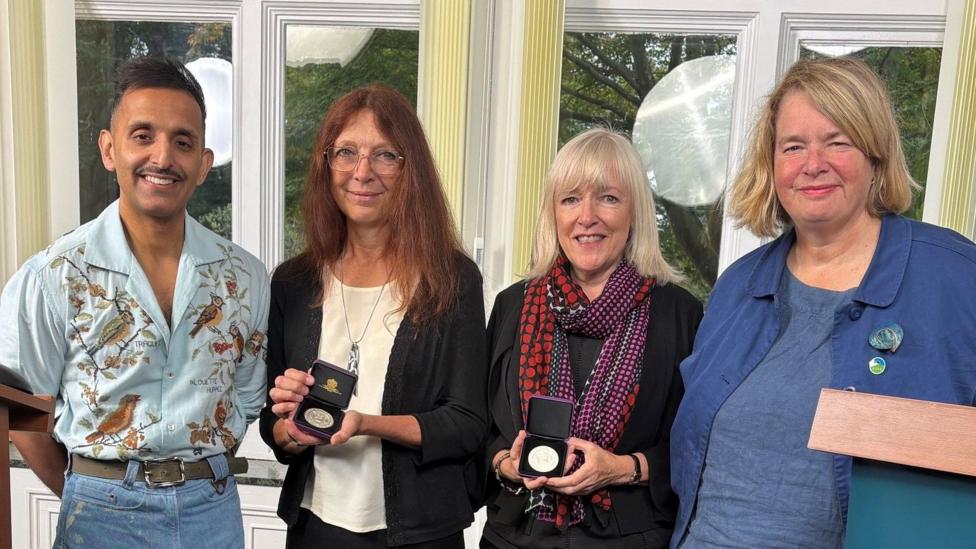
Dench emphasised that the award's significance lay not only in recognising the collective itself but in honouring an unusually broad partnership of organisations and individuals working together for conservation—groups that might not typically be expected to collaborate.
"The RSPB Medal is a really big deal. It has been won by David Attenborough, it has been won by the King in the past. But it's an even bigger deal that it's recognising, on this occasion, not just us but a whole collective of people that you might not necessarily think of as working together for conservation."
What happens next with the restrictions?
The implementation of lead ammunition restrictions will occur in stages. From 1 April 2028, outdoor shooting ranges must cease using lead bullets unless they meet government-specified risk-management and reporting conditions. The full ban on lead shot and specified large-calibre lead bullets takes effect from 1 April 2029, though elite athletes may qualify for an exception to the lead-shot restriction.
The restrictions notably do not cover Northern Ireland or lead airgun ammunition, and small-calibre rifle bullets below 6.17mm remain exempt from the live-quarry restrictions. The government's decision to implement a three-year transition period for shotgun ammunition was faster than the five-year transition initially recommended by the Health and Safety Executive when the statutory process began on 21 April 2021.