Calls to Address Bycatch in UK Waters
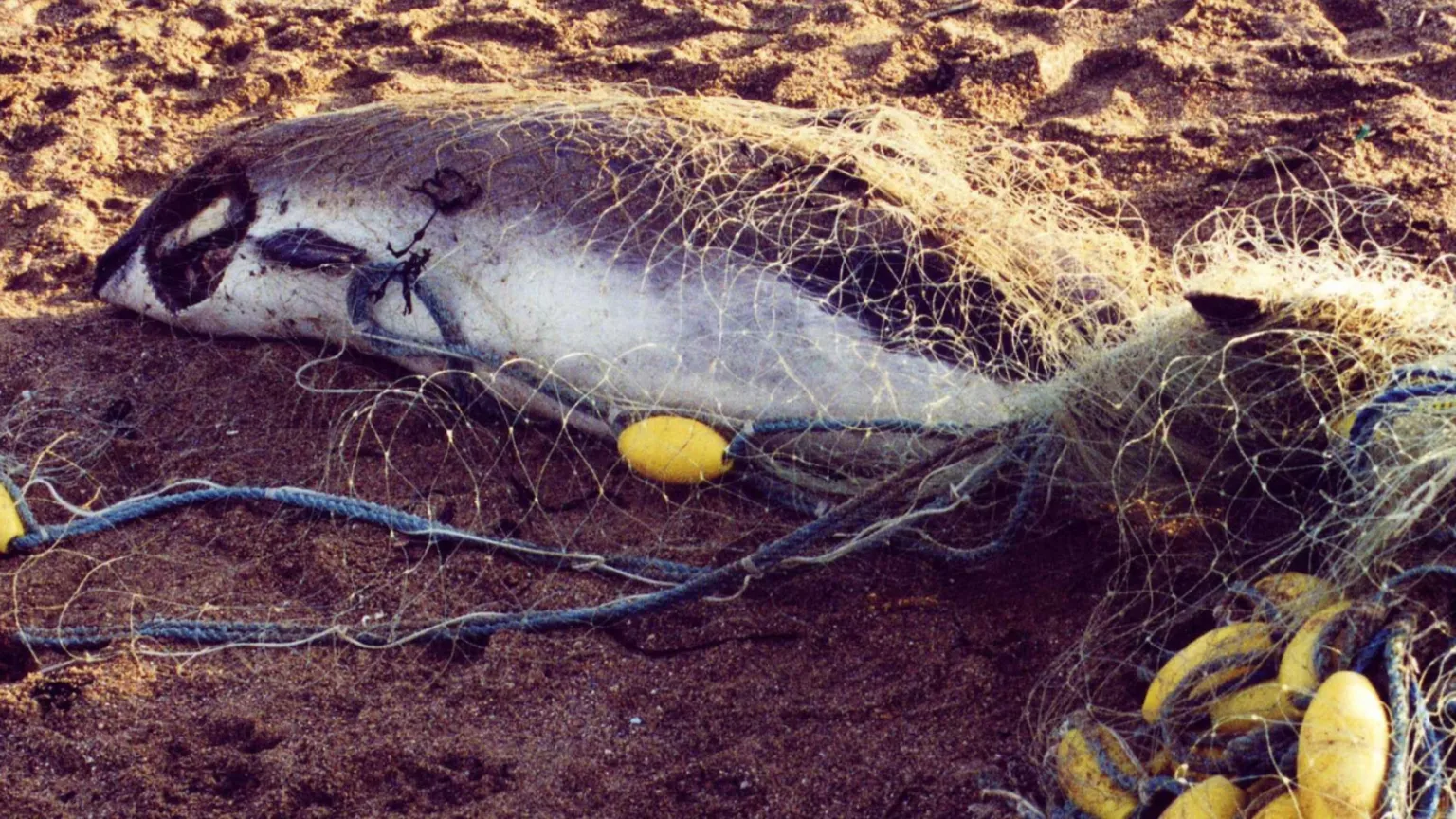
Environmental organizations have intensified appeals for the government to enhance measures aimed at preventing the accidental deaths of thousands of dolphins, whales, and seabirds caught in fishing nets within UK waters.
This unintended capture, known as bycatch, is estimated in a recent report to result in the deaths of tens of thousands of protected seabirds, over 1,000 porpoises and dolphins, and several dozen whales annually.
A spokesperson for the report criticized the government for its slow progress in developing strategies to reduce bycatch. Additionally, current regulations prohibit fishermen operating near UK shores from equipping their nets with acoustic deterrent devices designed to repel dolphins.
In response, a government representative affirmed the commitment to "restoring oceans to good health" and noted that deterrent devices have been under trial since 2019.
Seal Rehabilitation and the Impact of Net Entanglement
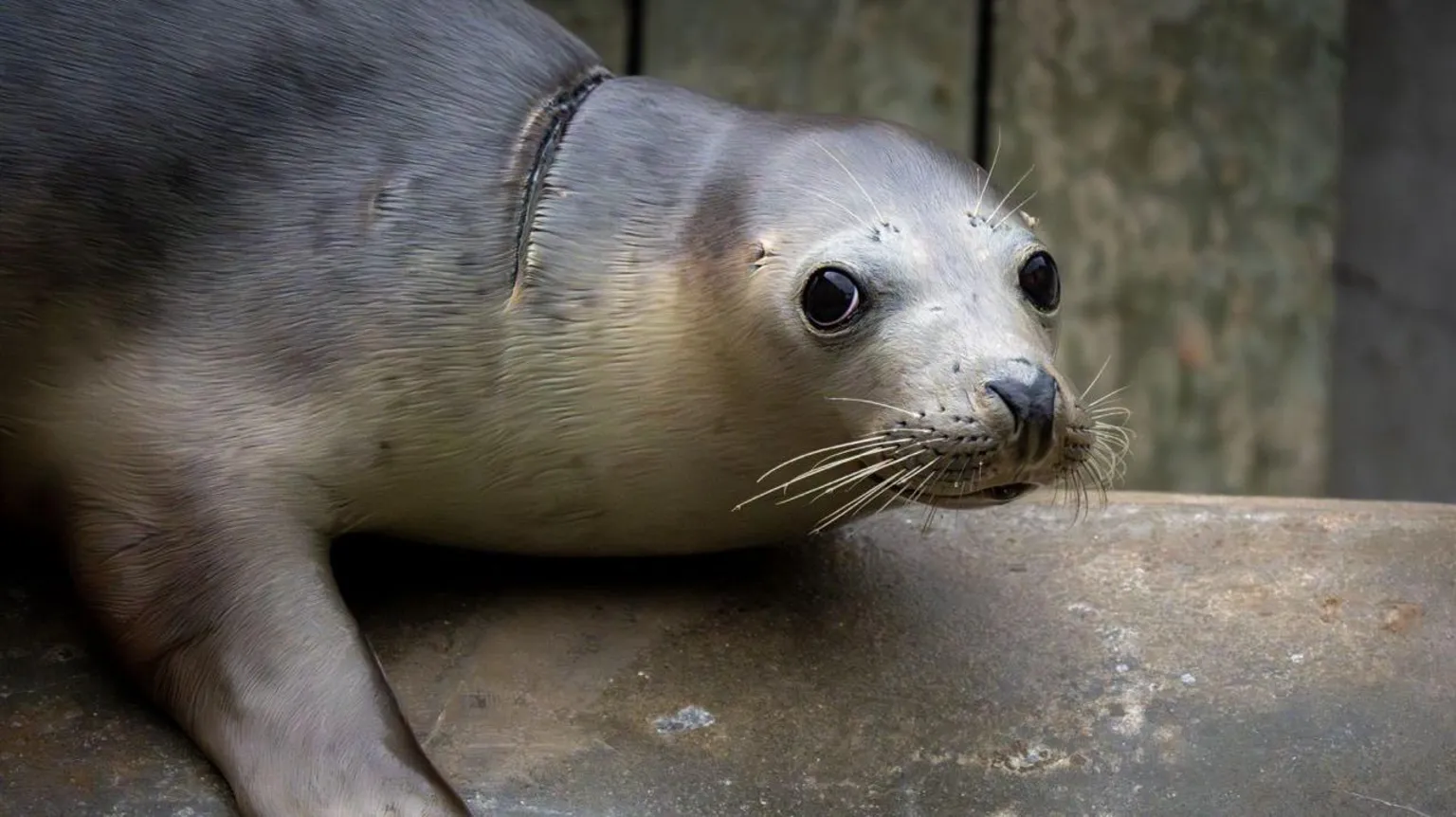
Grace Jones, representing the Cornish Seal Sanctuary, discussed a seal rescued from Nanjizal Bay, named Hot Cross Bun. Despite sustaining permanent scars, the seal has undergone treatment and rehabilitation and is expected to be released soon.
"Net entanglement is a common occurrence with up to 10% of the seals that come to us for rehabilitation having been injured this way,"Jones stated.
She emphasized the importance of the fisheries industry, particularly in Cornwall, expressing a desire to collaborate with fishermen while addressing the persistent problem of entanglement.
"We have a fantastic fisheries industry - especially here in Cornwall - we don't want to see that go. We want to work with them but we don't want to see this hideous entanglement being a long-term problem,"Jones added.
Jones also called for increased government monitoring to effectively tackle the issue.
Report Findings and Recommendations
Ruth Williams, co-author of the report produced by environmental charities, highlighted that this is the first attempt to quantify the number of protected species killed annually due to bycatch in UK waters.
Published by Wildlife and Countryside Link, the report urges the government to "urgently introduce" bycatch action plans and mandate remote electronic monitoring on all fishing vessels operating in English waters.
"The fishermen find this as distressing as any member of the public. The problem is government will and resource,"Williams said, clarifying that the fishing industry is not to blame.
Williams suggested that coloured nets could deter seabirds, alongside devices known as acoustic deterrent devices or pingers.
The Marine Management Organisation (MMO) currently requires vessels longer than 12 meters (39 feet) to use acoustic devices. Vessels outside this requirement must obtain a marine wildlife licence, which are presently not being issued.
Trials on Acoustic Deterrent Devices
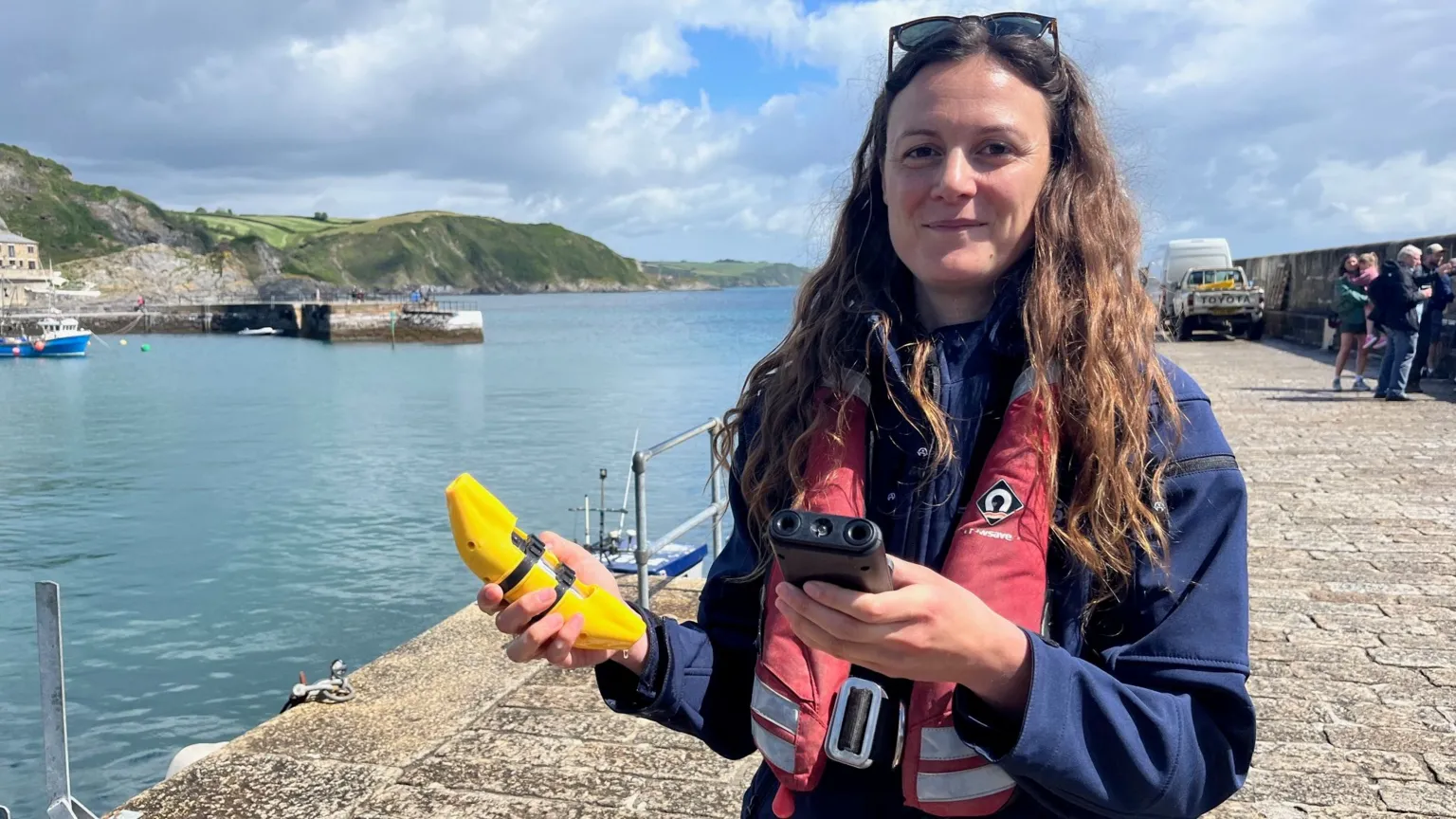
Alessandra Bielli, from the Centre for Environment, Fisheries and Aquaculture Science, has been leading a trial since 2019 to evaluate whether pingers serve as an effective long-term deterrent when used closer to shore.

The devices emit sounds audible only to porpoises and dolphins, intended to discourage them from approaching fishing nets.
Bielli noted that previous studies have focused more on porpoises, but the effectiveness for common dolphins remains unclear.
"What we want is to make sure that before we advise if pingers are effective that we have enough information collected to do a comparison,"she explained.
She also mentioned that fishers are "keen" to use pingers but require scientific evidence to confirm their long-term efficacy.
Fishermen’s Perspectives and Participation
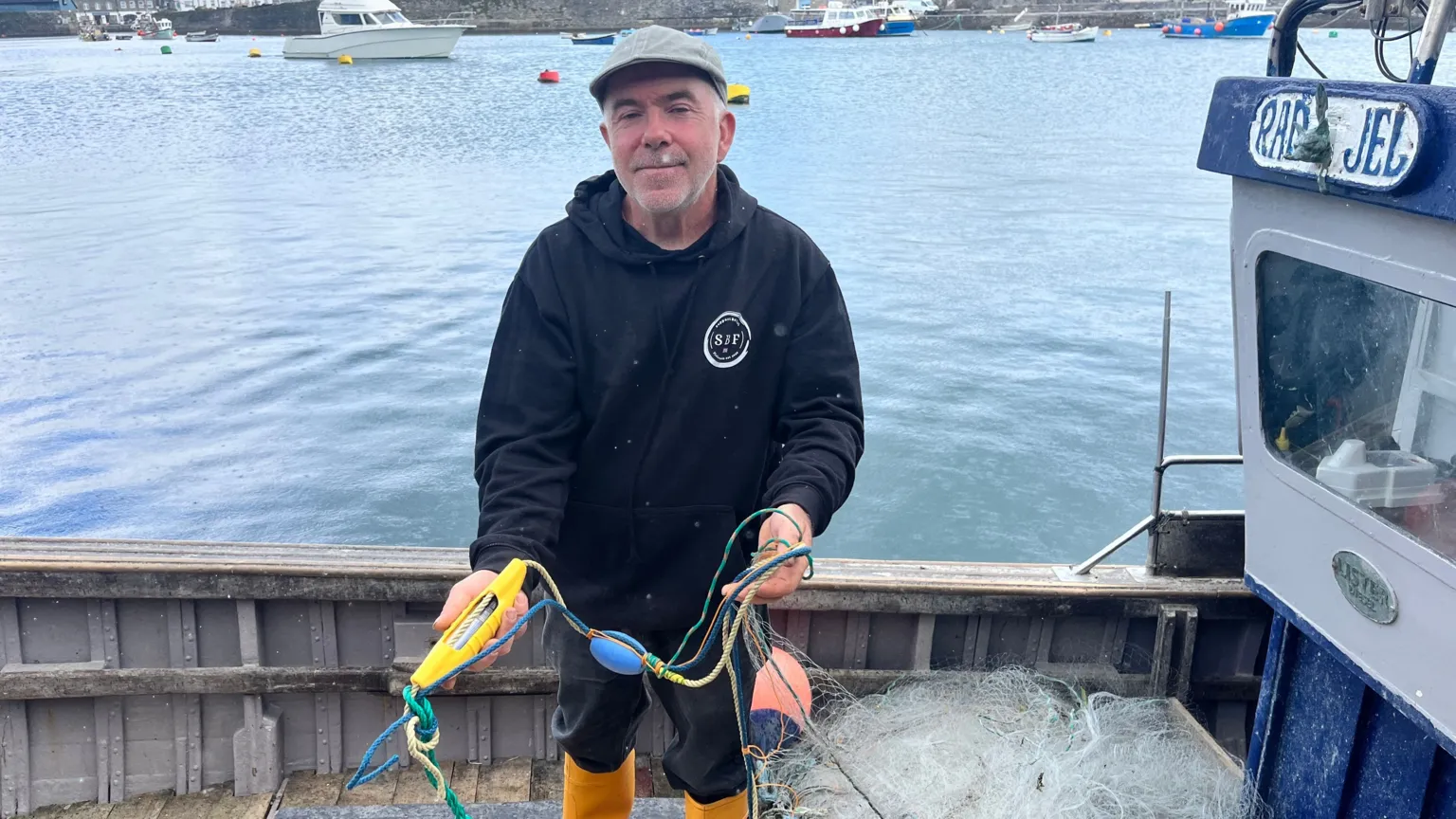
Will Shugg, a fisherman based in Mevagissey, has participated in the pinger trial and voluntarily installed cameras to monitor his catches.
"No fisherman wants to catch a bycatch of any sort really. Not only does it break your heart it ruins your nets,"Shugg said.
He expressed that fishermen are eager to use pingers but face policy barriers.
"That's the point of this trial - to make it legal for all fishermen to have them to use,"Shugg added.
Alternative Solutions and Government Actions
The report also highlights alternative methods such as using heavier nets, which have been effective in reducing seabird deaths, and weighted ropes in Scotland, which have decreased whale entanglements.
A spokesperson from the Department for Environment, Food and Rural Affairs (Defra) stated:
"This government is committed to restoring our oceans to good health and we are taking action to reduce the bycatch of marine species.
Our flagship programme Clean Catch uses electronic monitoring to collect bycatch data and evaluate the effectiveness of mitigation measures, and our new Seabird Bycatch Action Plan will look to reduce seabird deaths in and around English waters."
Readers can follow BBC Cornwall and BBC Devon on X, Facebook, and Instagram, and send story ideas to spotlight@bbc.co.uk.