The Trump administration's decision to dismantle carbon emission limits on coal and gas power plants reflects far more than financial incentives from industry donors. At its core, the policy reveals a deeper attachment to fossil fuels rooted in perceptions of masculine identity and dominance—a psychological dimension that helps explain why political leaders champion industries that employ fewer Americans than yoga instructors.
The numerical reality is striking. Approximately 38,000 people work in coal mining across the United States, while roughly 100,000 yoga instructors hold credentials with the Yoga Alliance, an industry association. Yet no politician would ever celebrate yoga teachers with the reverence they reserve for coal miners, nor would they speak of fostering growth in the yoga sector with the same fervor. The difference lies not in economic impact but in cultural symbolism: yoga is perceived as decadent, cosmopolitan and feminine, while coal mining carries associations of hardscrabble authenticity, honor and masculinity.
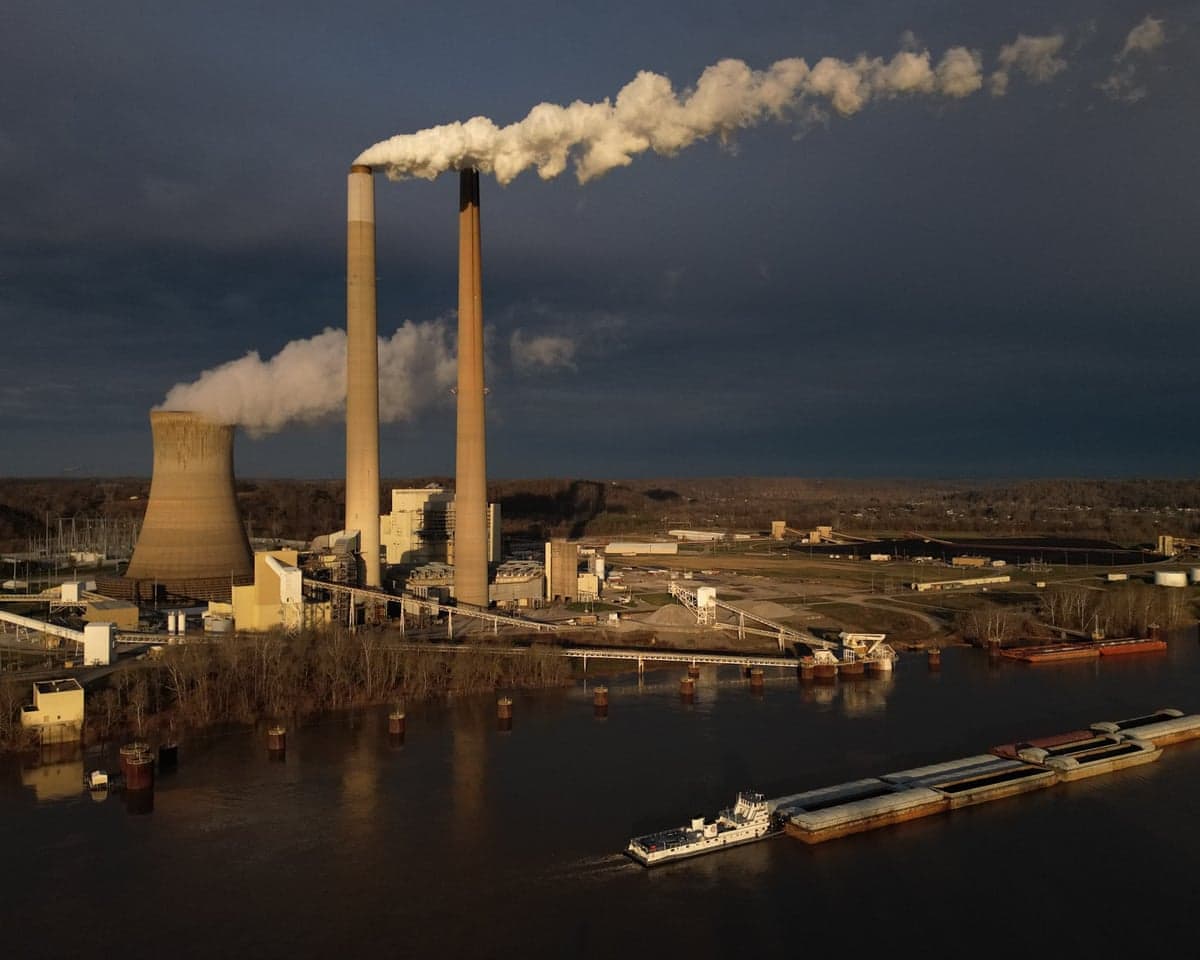
This symbolic power became impossible to ignore when the Environmental Protection Agency finalized the repeal of most 2024 carbon-pollution standards for fossil-fuel power plants on September 14, 2026. The final rule explicitly repeals emission guidelines for existing coal-, oil-, and gas-fired steam units and removes carbon-capture-and-storage-based standards for existing coal units, while simultaneously proposing to eliminate standards for new and reconstructed combustion turbines. The action reversed climate policies established during the Biden and Obama administrations and represented the latest in a series of energy industry rollbacks by the Trump administration, which has also loosened or removed limits on carbon emissions from vehicles and power plants.
The Trump administration's pro-fossil-fuel, anti-climate stance builds on the 2022 Supreme Court decision in West Virginia v. EPA, which narrowed the agency's regulatory authority over carbon emissions from power plants. According to reporting from a major international news service, the agency's move was designed to block future climate-focused regulation of power plants under the Clean Air Act, underscoring the administration's intent to prevent rather than merely delay environmental protections.
Financial motivations for these policies are undeniable. Fossil fuel companies have channeled substantial sums to Trump in recent years, with energy companies contributing millions to his campaign alongside large personal donations from executives. Oil and gas companies donated significant funds to Trump's 2025 inauguration, and have continued making contributions to Trump-affiliated political action committees. At least $25 million has flowed from one oil firm, Energy Transfer Partners, and its chief executive. When Trump solicited contributions from the energy industry during his 2024 campaign, he explicitly framed the arrangement as part of a "deal," suggesting a direct transactional relationship between donations and favorable regulatory treatment.
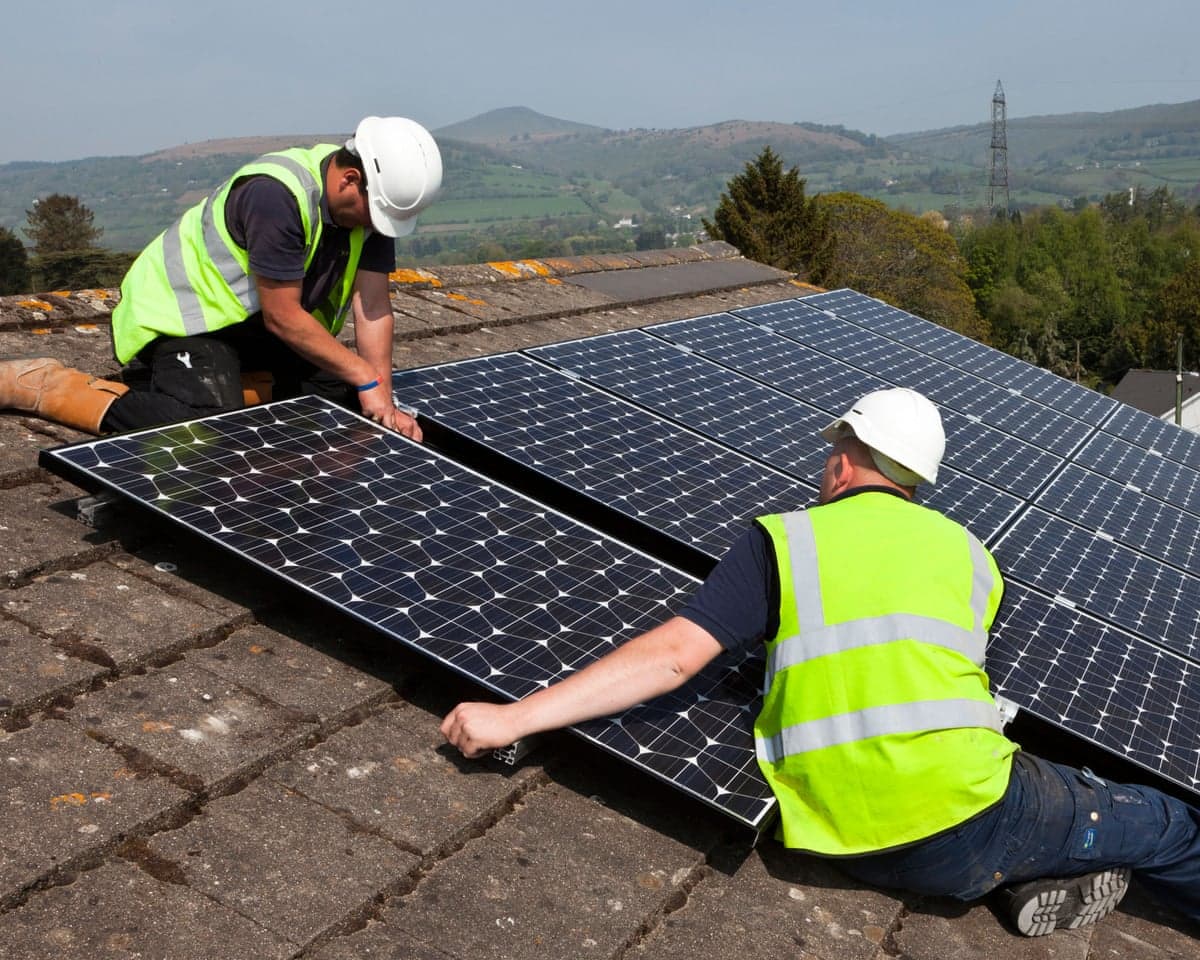
Yet the psychological dimension of Trump's commitment to fossil fuels may prove equally or more consequential than the financial one. Virginia Tech professor Cara Daggett has developed a framework for understanding this attachment through her concept of "petro-masculinity"—the idea that oil, gas and the consumption patterns they enable have become symbolic representations of American dominance and masculine power. Cowboy hats, expansive asphalt highways, and large trucks positioned before oil derricks embody, in this worldview, an ideal of American manliness whose symbolic weight has become a substantial barrier to energy transition. Under this analysis, the Trump administration's commitment to fossil fuels stems not solely from enriching donors but from viewing these industries as inherently masculine and understanding renewable energy, by contrast, as effeminate.

This psychological explanation may seem implausible until one considers Trump's broader pattern of decision-making. His policy choices do not emerge from careful cost-benefit analysis or measured assessment of competing interests; instead, they flow from gut instinct and often from obscure personal grievances. Trump operates largely on impulse rather than ideology. His consistent throughline is reverence for brutish, regressive forms of masculinity: admiration for those who dominate and humiliate rivals, desire to punish those perceived as weak, contempt for responsibility, and ostentatious disregard for the wellbeing of others or future prospects. This was evident when he sat in a monster truck on the White House lawn, honking the horn with childlike abandon. In Trump's worldview, responsibility belongs to grown-ups—which, to him, means wimps.
What the regulatory rollback covers
The EPA's preamble to the repeal states the agency is rescinding most of the 2024 Carbon Pollution Standards after reassessing the "best system of emission reduction" under Clean Air Act section 111. The original standards had established a compliance deadline of January 1, 2032 for long-term coal-fired units. The repeal eliminates protections that had covered existing coal-fired plants, existing natural gas and oil-fired plants, and certain new or reconstructed facilities.
How this connects to earlier Trump energy policies
The September 2026 repeal represents an acceleration of the administration's broader dismantling of climate and clean-air rules for the power sector. The Trump EPA's formal announcement of the repeal came during the G20 energy ministers' meeting in Houston, signaling the administration's willingness to make such announcements on an international stage. This follows earlier rollbacks affecting vehicle emissions standards and other fossil fuel regulations, all part of a coordinated effort to reverse the environmental protections of previous administrations.
The policy shift also occurs amid broader industry profiteering. Oil companies are reaping record profits from geopolitical price spikes, prompting Democratic lawmakers to push windfall tax proposals even as Trump faces criticism over policies favoring the industry. Meanwhile, fossil fuel infrastructure continues to expand in unexpected places: a major steel manufacturer plans a costly blast furnace relining in Ohio that will extend fossil fuel use for 15 to 18 years, alarming local residents facing worsening health impacts from pollution.
What happens next in the regulatory process
The EPA's supplemental proposal to repeal the remaining power-plant greenhouse-gas standards has entered the next stage of rulemaking following the September 14 announcement. This two-track approach—finalizing some repeals while proposing others—allows the administration to move swiftly while maintaining the appearance of procedural compliance. The supplemental proposal will face a public comment period before final adoption, though the administration's regulatory trajectory suggests approval is likely.
The broader implication is that the United States is moving toward a regulatory environment in which fossil fuel power plants face minimal federal constraints on carbon emissions. This stands in sharp contrast to global competitors: China has been expanding renewable energy capacity at an alarming rate, positioning itself to dominate clean energy markets while the United States retreats from the sector. The Trump administration's choices reflect not a reasoned assessment of American competitive advantage but rather a commitment to an identity politics centered on fossil fuels and the masculine symbolism they carry.