Oil companies have posted enormous profits from the surge in fuel prices triggered by the Iran conflict, prompting Democratic lawmakers to push for a windfall tax on the industry even as Donald Trump publicly complains that oil firms have made "too much money." Environmentalists and activists have reacted with fury, arguing the president's own policies were designed to enrich the very corporations he now criticises.
According to a tracker maintained by Brown University, American households have spent more than $78bn extra at the pump since the Iran war began. A separate analysis by the environmental group Climate Power and the liberal-leaning Center for American Progress Action Fund calculated that Trump's policies have added $285 to the average American family's fuel bill.
The scale of the industry's earnings has become clearer in recent days. Our earlier reporting detailed how oil profits jumped as Middle East war lifted prices even as Trump criticised the earnings of ExxonMobil and Chevron. Newly reported figures show ExxonMobil posted second-quarter profit of $14.53 billion and Chevron $12.07 billion after the price shock intensified, according to PBS NewsHour. Saudi Aramco, the Saudi state oil giant, reported that its second-quarter profit climbed 33% to $33.4 billion, per CNN.
In response, Rhode Island senator Sheldon Whitehouse and California congressman Ro Khanna have put forward legislation to tax big oil's windfall gains from the crisis, with proceeds to be redirected to American families struggling with higher fuel costs. Their proposal would apply to companies producing or importing at least 300,000 barrels of oil per day in 2025, according to PBS NewsHour. Separately, California congressman Brad Sherman has introduced his own bill calling for a 100% windfall profits tax on oil sold above $75 a barrel, to remain in effect until hostilities with Iran end, the Strait of Hormuz reopens, and prices fall back below that threshold, according to a press release from Sherman's office.
This is not the first time the administration has intervened in the oil market during the conflict. As we previously reported, Trump ordered the Department of Justice to investigate energy firms over allegations they failed to lower petrol prices in line with falling crude costs. Oil market volatility tied to the war has also drawn scrutiny elsewhere: our earlier coverage noted that traders placed hundreds of millions of dollars in oil bets just minutes before Trump announced a delay to strikes on Iran, fuelling insider-trading speculation.
What has fuelled concern that Trump's policies favour oil companies?
Since returning to office last year, Trump has rolled back dozens of restrictions and regulations on fossil fuel expansion, exempted producers from environmental rules, and signed an executive order directing the attorney general to prioritise blocking climate lawsuits against major oil companies. He has also personally invested in large oil firms, a fact critics say underscores the conflict between his rhetoric and his policy choices.
How does the international picture add to the pressure for a windfall tax?
The push for taxing excess profits is not confined to the United States. Finance ministers from Austria, Germany, Italy, Portugal and Spain have urged the European Commission to impose a tax on excess oil profits, according to a New York Times report from May 2026. Oil executives had anticipated windfall gains from the conflict as early as March, when reported that industry leaders were expecting billions in extra earnings as prices surged. A separate analysis published in April estimated that the top 100 oil and gas companies were earning more than $30 million an hour in excess profits during the early stages of the war, according to prior analysis.
What happens next with the windfall tax proposals?
The Whitehouse-Khanna bill would apply to profits earned from 2026 onward, making the coming tax year the first real test of whether such a measure could be implemented, according to PBS NewsHour. Sherman's competing bill is designed to remain in force only until the president formally declares that hostilities with Iran have ceased, the Strait of Hormuz has fully reopened, and oil prices have dropped below $75 a barrel.
Trump signs new orders targeting birthright citizenship
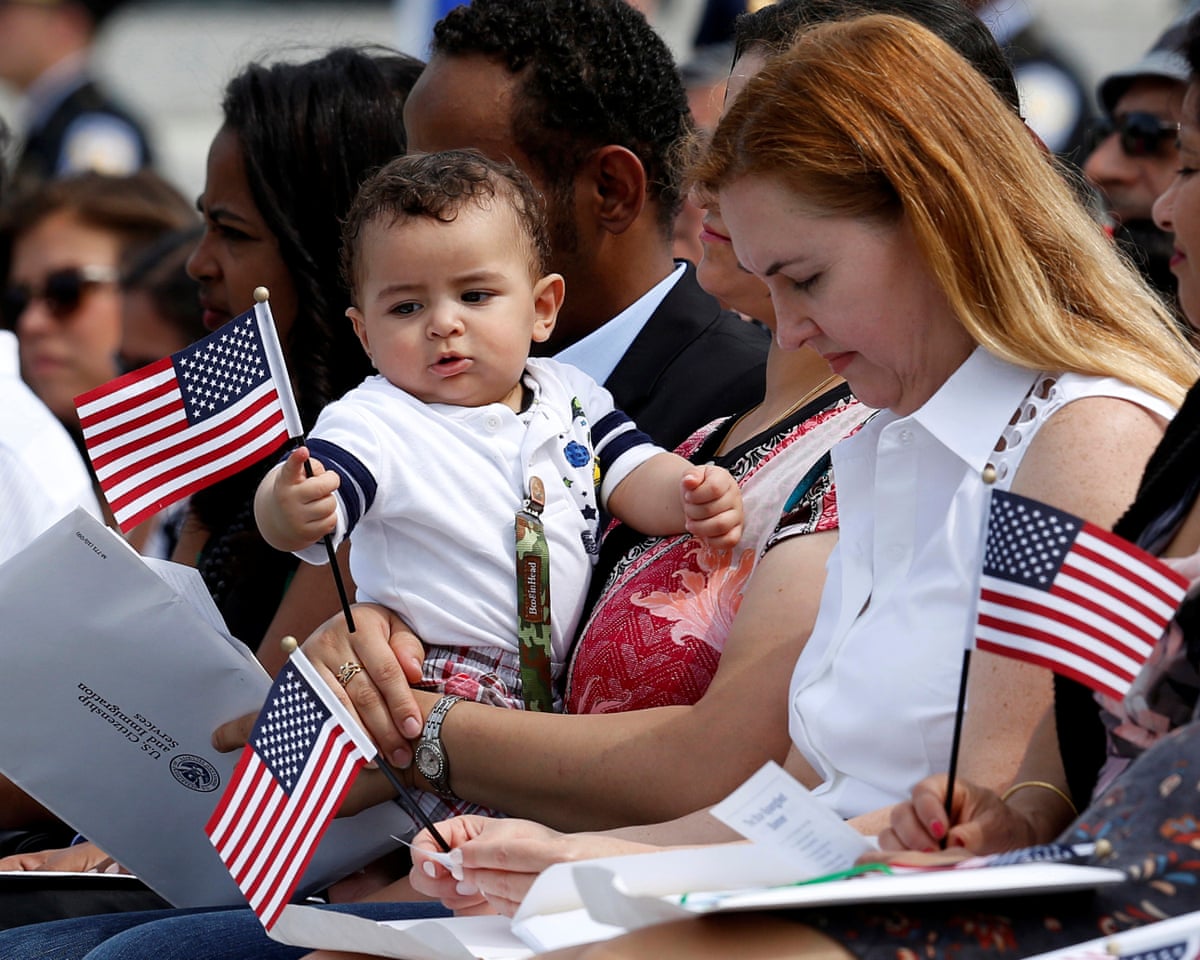
Donald Trump has signed new executive orders aiming to narrow eligibility for automatic US citizenship, just weeks after the supreme court rejected his earlier, broader attempt to deny birthright citizenship to children born to undocumented immigrants and temporary foreign residents. The two orders, signed on Thursday, seek to expand the categories of children excluded from automatic citizenship and to ban so-called "birth tourism." Legal challenges are expected to follow swiftly.
Trump's long-running effort to cast doubt on birthright citizenship traces back to his initial rise in politics, when he promoted false claims questioning Barack Obama's eligibility for office — claims he later repeated when running against Kamala Harris.
What did the supreme court previously rule on this issue?
In its June 2026 ruling, the court found that Trump's original order violated the 14th amendment of the US constitution. Chief Justice John Roberts wrote:
"Citizenship, then and now, was the right to have rights – to freely participate in our political community. The framers of the 14th amendment extended that promise to 'every free-born person in this land'. We keep that promise today."
US law enforcement gave false information in case against woman charged in anti-ICE protest
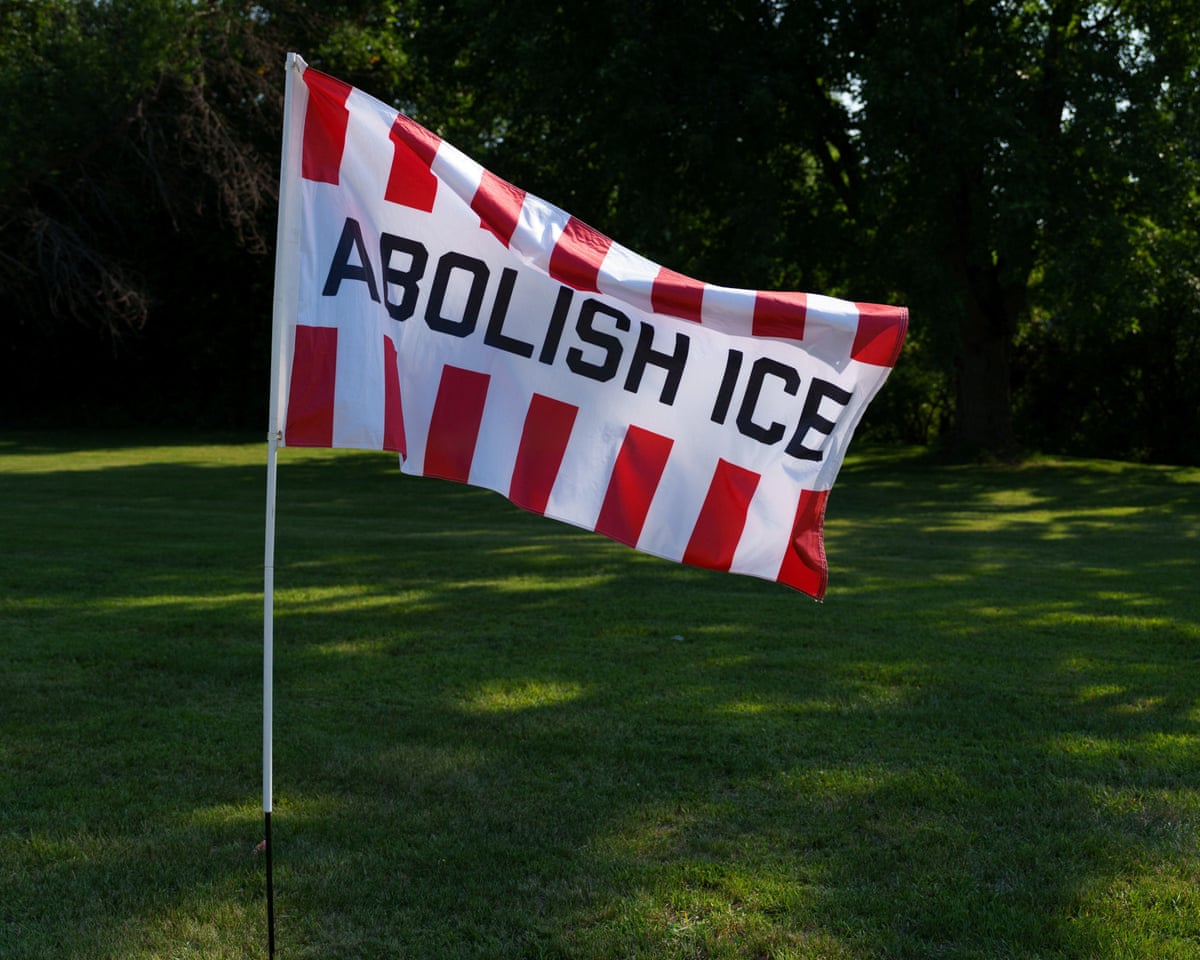
Lawyers for independent journalist Georgia Fort say law enforcement officials provided false information while building a criminal case against her over a January protest. In court filings submitted on Thursday, her attorneys asked that the charges be dismissed. Fort was among nearly 40 people charged after demonstrators disrupted a service at Cities church in St Paul, Minnesota, after learning that an Immigration and Customs Enforcement official served as a pastor there. Trump administration officials had vowed to arrest everyone involved in the protest.
How has the Trump administration expanded tracking of immigrants?
The number of immigrants monitored through GPS-enabled ankle devices has grown sharply under an ICE electronic surveillance program, according to the private prison operator The Geo Group. Early last year, only 17,000 immigrants wore such devices; company executives said many participants have since been moved from lighter forms of monitoring, such as phone check-ins, to ankle monitors.
Why have airports become a bigger target for ICE enforcement?
ICE has increasingly begun detaining people in public areas of airports far from security checkpoints — including at ticket counters and near boarding gates — many of whom overstayed visas after entering the US legally and have pending applications for immigration relief. Authorities have traditionally avoided enforcement actions at airports to prevent disruption to domestic travel, making this shift notable.
In other news
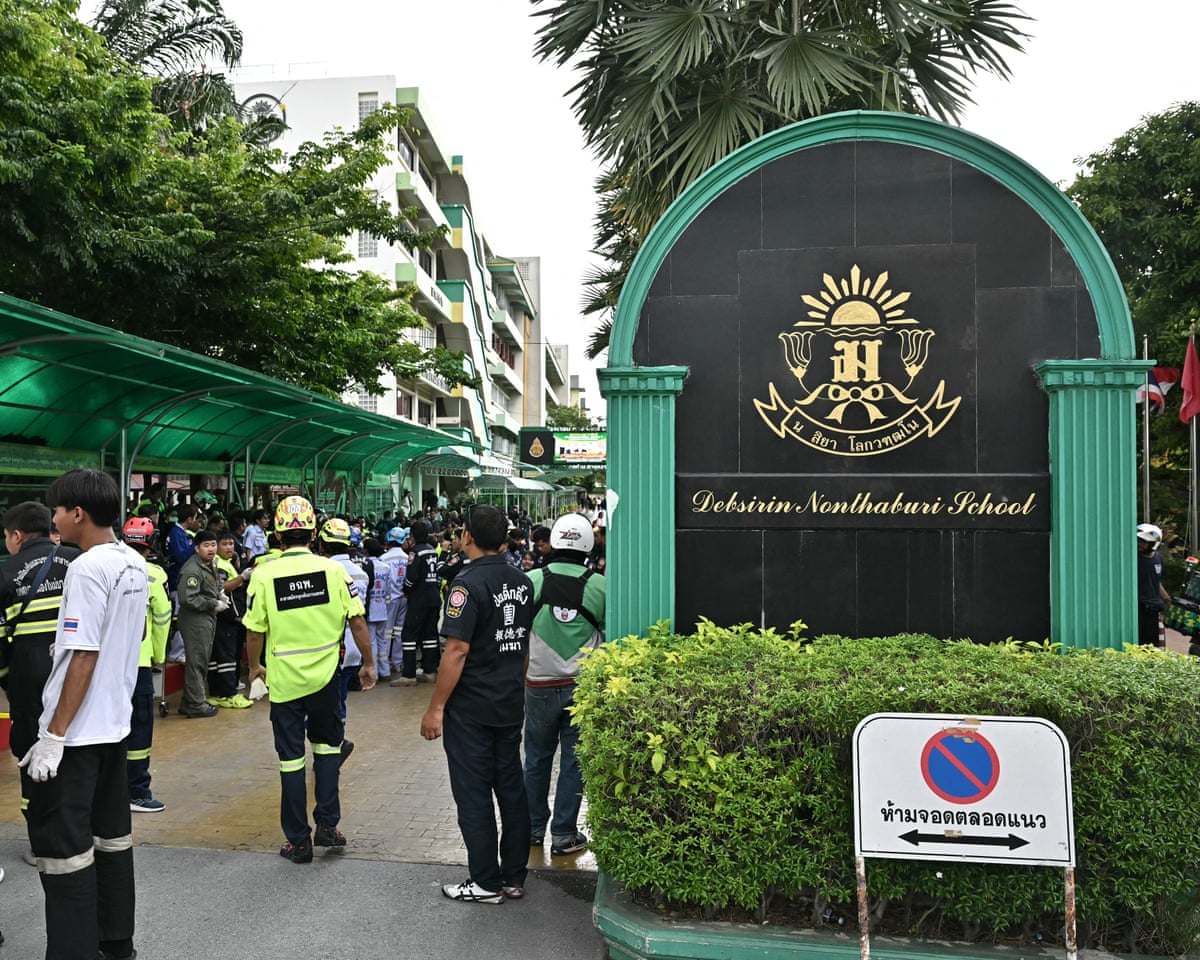
A teenager in Thailand killed his two grandparents before going to a school where he shot five people dead and then took his own life, police said, in an attack that has renewed scrutiny of the country's struggle with gun violence.

Trump has demanded the removal of Jeanine Pirro after the US attorney for the District of Columbia publicly disputed his claims that vandals had damaged the recently renovated reflecting pool at the Lincoln Memorial.
The Federal Communications Commission has relaxed limits on local television ownership, a move welcomed by major media conglomerates.
Trump has imposed new tariffs on imported polysilicon, a material essential to solar panels and microchips that is mostly produced in China.
Republican senator Mitch McConnell has been released from a rehabilitation center following the fall that had left him hospitalized.
Stat of the day: New Mexico court orders Meta to pay $567m over harms to children's mental health
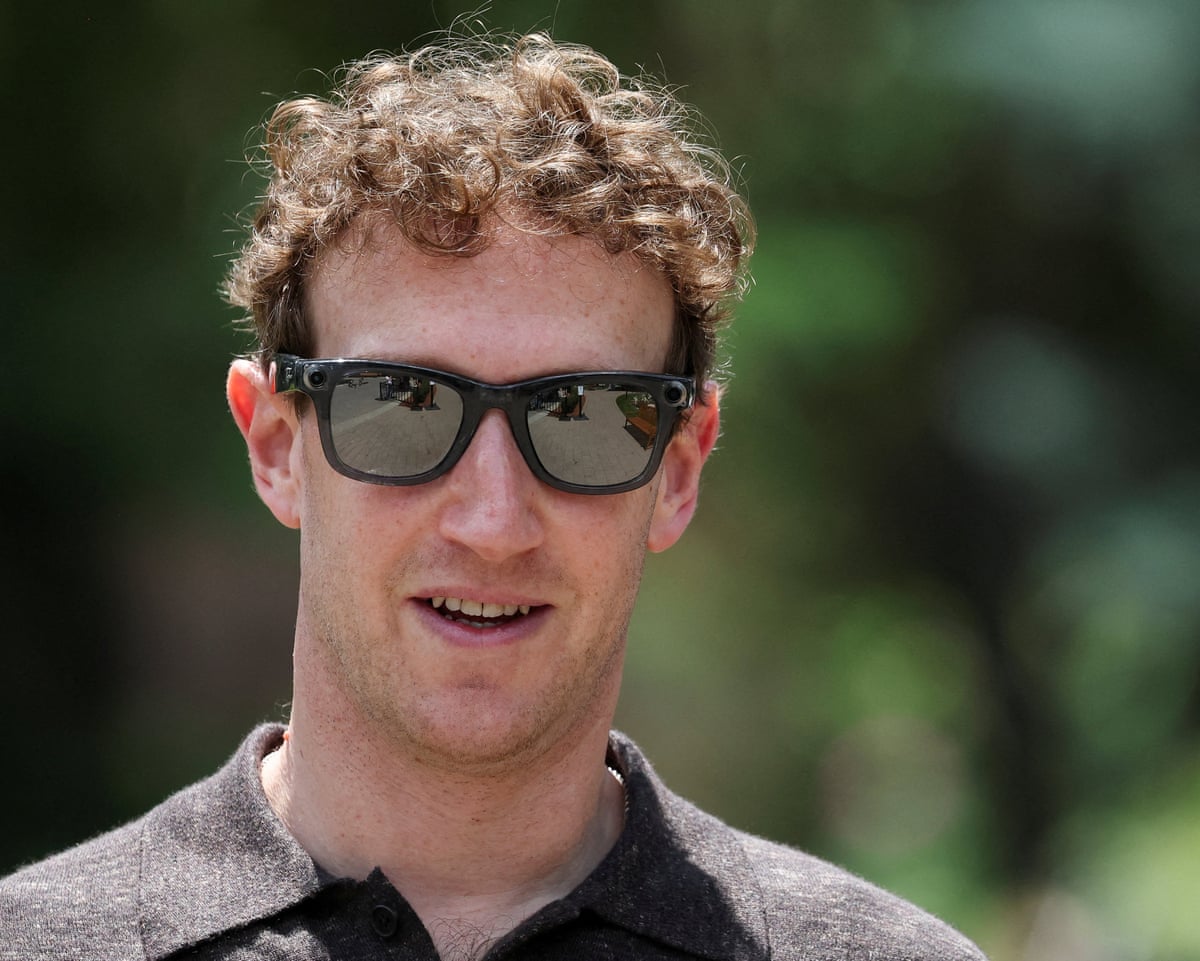
A New Mexico court has ordered Meta, the parent company of Facebook, to pay $567m as part of measures intended to address the mental health harms caused by its platforms. The order forms the second phase of a landmark case the company lost in March 2026, when a jury concluded that Meta had knowingly damaged children's mental health and had concealed information about child sexual exploitation occurring on its platforms.
Culture pick: Why today's horror film-makers are obsessed with obsolete technology
Some horror film-makers argue that modern digital aesthetics lack the texture the genre depends on — texture more easily found in older technology, whether it's the static of a poorly tuned television in Backrooms or the kitschy, dated novelty gift at the center of Obsession.

Don't miss this: An Israeli professor lost a prestigious US job offer after speaking out on Gaza — now the university is paying him $250,000
The University of Minnesota withdrew a job offer for Raz Segal to lead its Center for Holocaust and Genocide Studies following an organized campaign against his appointment. The university has since agreed to pay him $250,000.
Or this: Outrage in Little Rock as two datacenters loom
Disputes over new datacenters have flared in cities across the US, and despite today's deep political polarization, opposition to the projects tends to cross party lines. Reporter George Chidi has been reporting from Little Rock, Arkansas, where residents are pushing back against two planned facilities.

Climate check: Europe's dry riverbeds and scorched earth
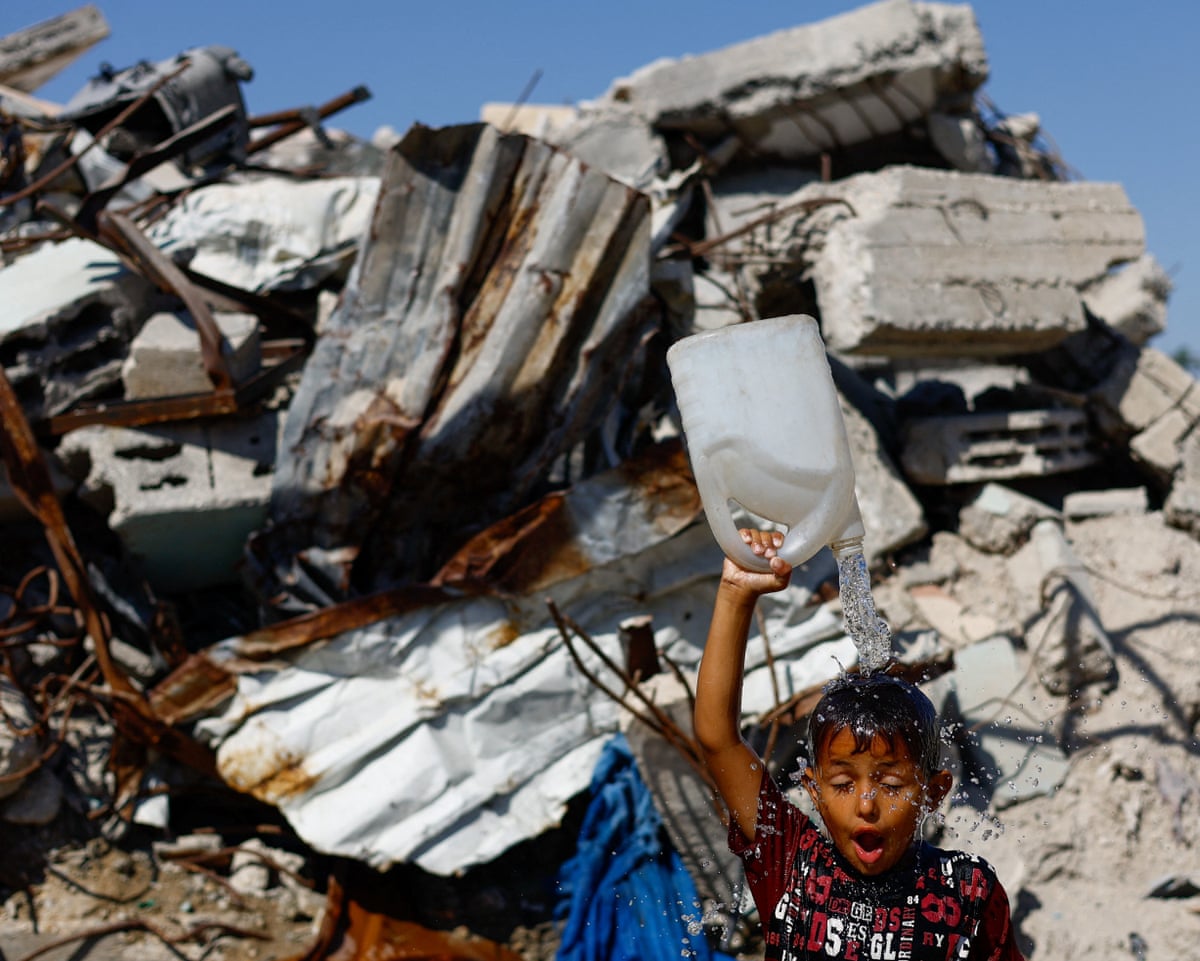
Much of Europe is contending with wildfires and drought amid a summer marked by extreme heat. Picture editors have compiled some of the most striking images capturing the toll of the season's conditions across the continent.

Last thing: Overlooked masterpiece by still life pioneer discovered in storage
A curator at Norway's national museum in Oslo is bringing a long-overlooked painting into the spotlight as part of a major exhibition on female artists, after chancing upon an unattributed still life sitting in the museum's storage area.