Fourteen tax-funded biotechnology projects announced by the UK's Advanced Research and Invention Agency (Aria) aim to accelerate wild species' ability to adapt to climate change and disease through gene-editing and genetic engineering. The initiative will distribute an initial £30m in grants over two years, with the possibility of a further £24m for projects demonstrating success.
The accelerated adaptation programme represents Aria's attempt to harness biotechnology as a conservation tool alongside traditional measures such as protected reserves. Projects include developing vaccines for ash trees threatened by dieback, engineering bacteria to protect amphibians from fungal infection, and gene-editing swallowtail butterflies to increase their resistance to farm pesticides. According to Aria's published materials, the programme is structured as a four-year effort designed to prevent biodiversity loss and protect natural infrastructure underpinning the global economy.
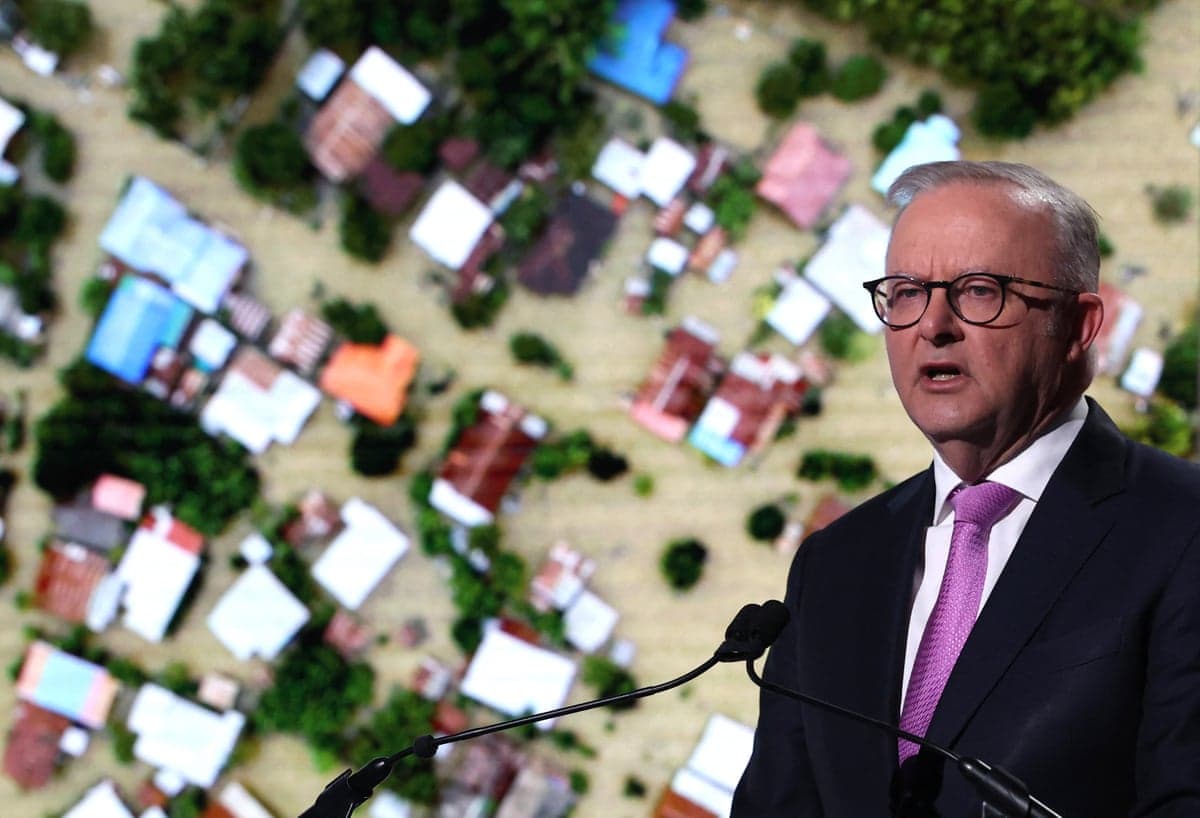
Yannick Wurm, director of the accelerated adaptation programme at Aria and a professor of evolutionary genomics at Queen Mary University, London, explained the rationale for the initiative.
"The world's natural environments are changing so rapidly owing to the climate crisis and human pressures that many species can no longer adapt quickly enough. This cohort is a first exploration of how we can harness some of the powers of biotechnology to responsibly help wild animals and plants to overcome challenges they face."He compared the approach to mRNA vaccines for humans, describing biotechnology as offering environmentalists a new set of "precision tools."
How will these projects protect British wildlife?
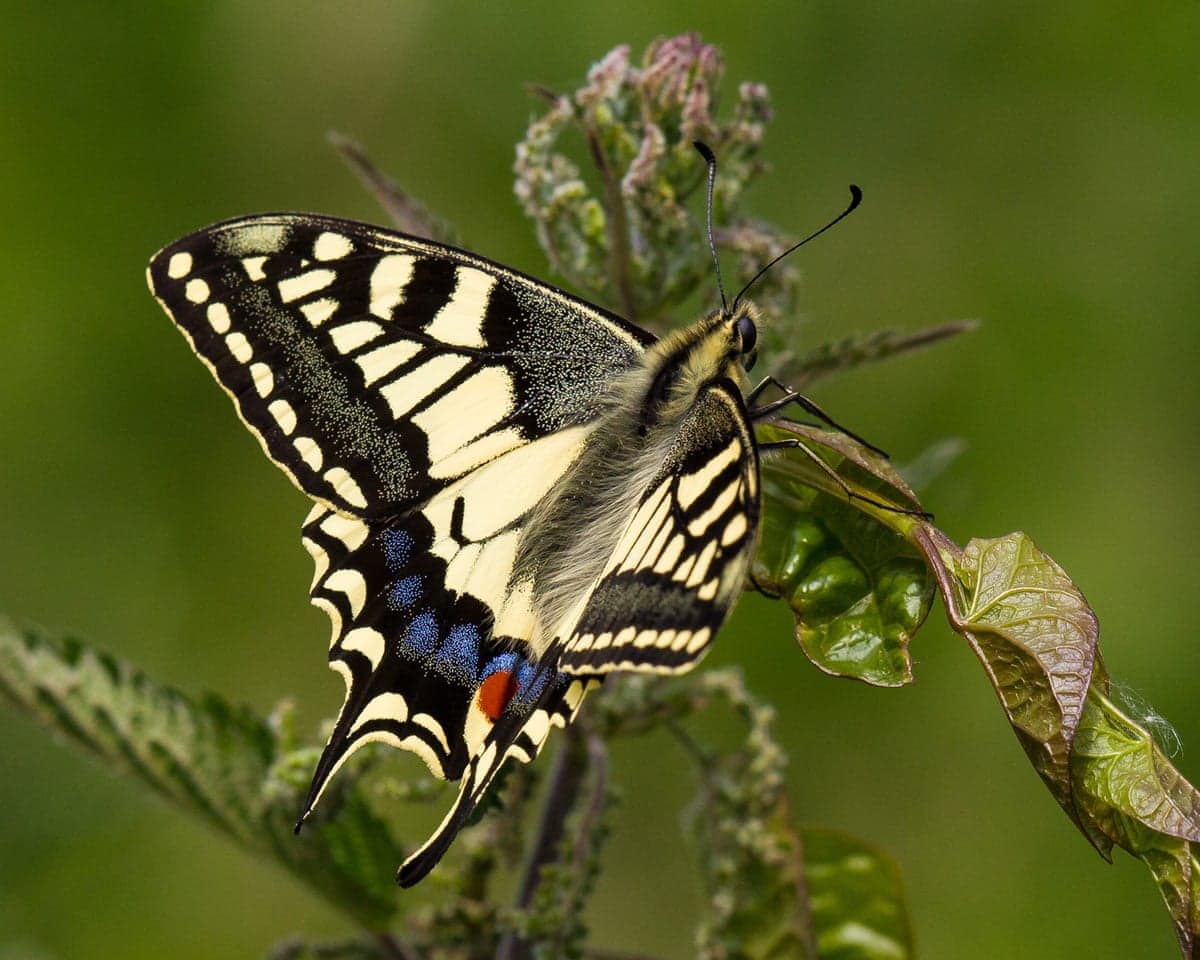
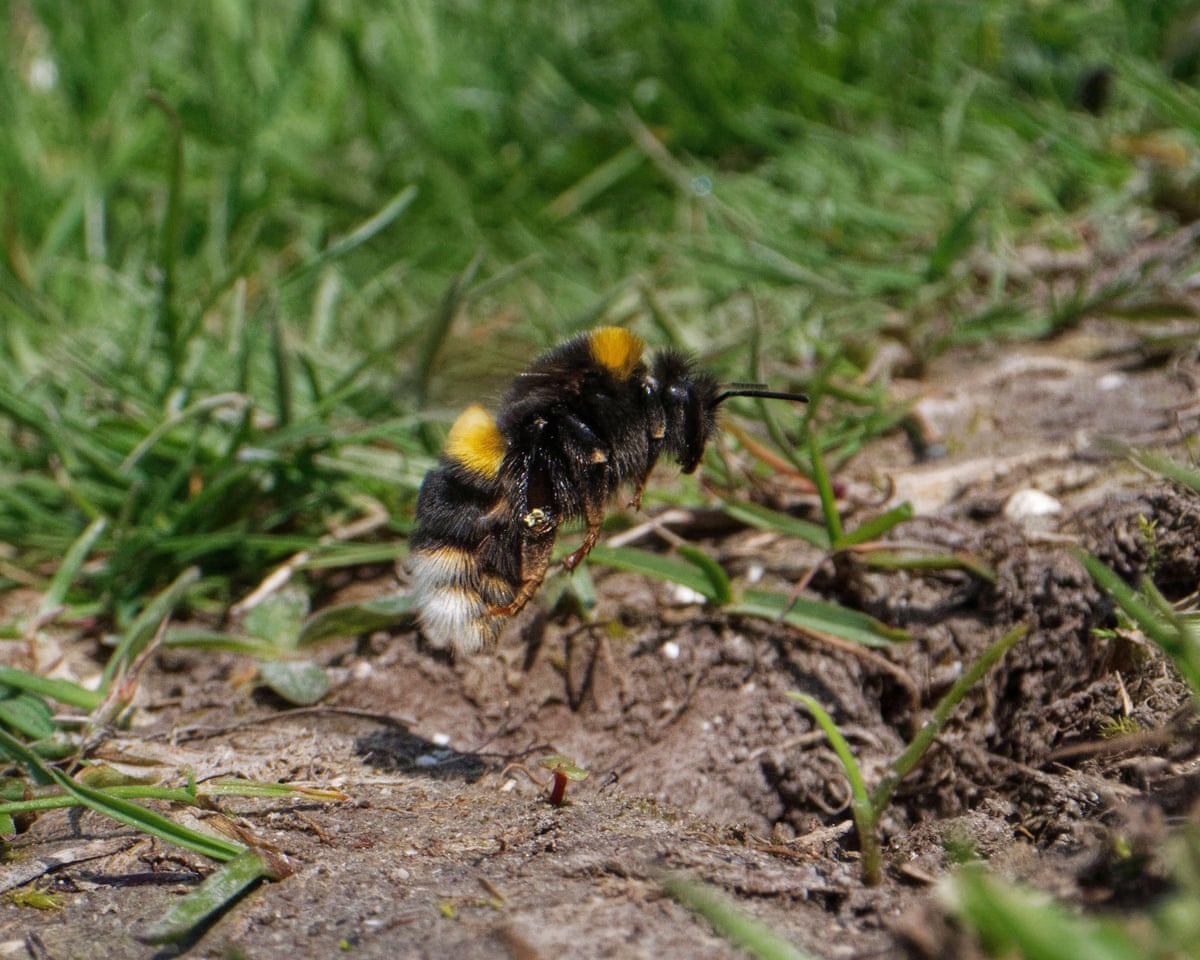
The 14 teams will develop interventions targeting native British species including English oak trees and critical pollinators such as the buff-tailed bumblebee. One project from the University of Exeter will use Crispr-Cas9 gene-editing on swallowtail butterflies, which are protected under UK law, to increase their resistance to insecticides widely used on farms. The work is intended to build "scalable tools, models, and governance foundations" to complement conservation and reduce pressures driving nature's decline.
Rothamsted Research, a 180-year-old agricultural research facility in Hertfordshire, will edit the genes of long-lived tree species such as oaks to reproduce in months rather than decades. This acceleration would allow the trees to rapidly develop adaptive responses to drought and invasive pathogens. A separate project led by researchers at Cardiff University aims to prevent ash dieback—a disease caused by a fungus that has devastated ash populations across Europe—by injecting trees with RNA molecules that interfere with the fungus's ability to infect.
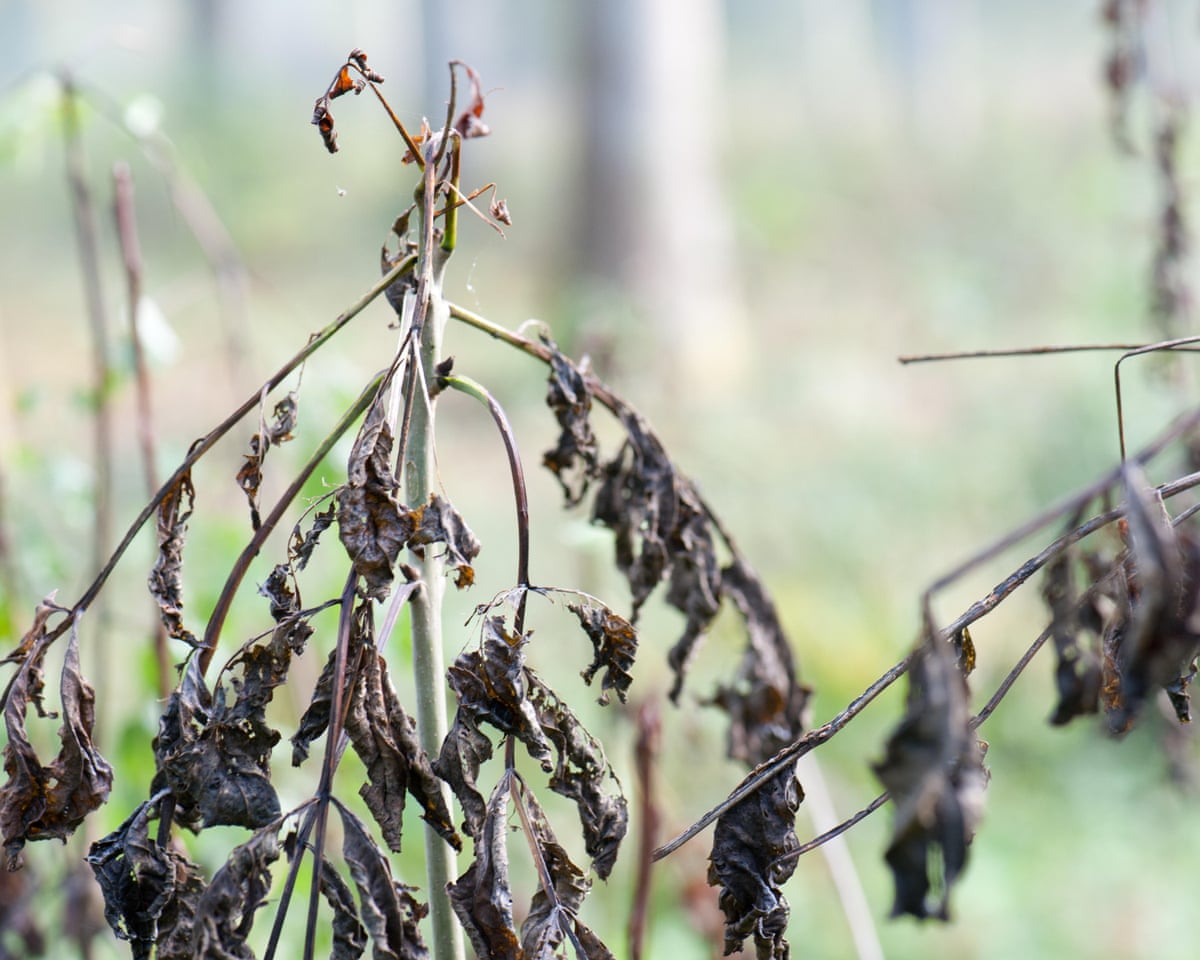
Sarah Christofides, a mycologist at Cardiff University and lead researcher on the ash dieback project, described the approach in biological terms.
"So it is like giving the tree a vaccination."The Boston-based research lab Cultivarium, in partnership with Imperial College and Queen Mary University, London, is developing a different intervention targeting chytrid fungal infections, which have caused population declines in more than 500 amphibian species. The project would genetically engineer a bacterium that lives on amphibians' skin to produce proteins that "bind and stop" the infection. Henry Lee, Cultivarium's co-founder, explained the strategy:
"We're not genetically engineering the amphibian; rather what we're trying to do is we're trying to give them a shield."
What are the success criteria for these projects?
According to Aria's call documents, the programme's success criteria include measurable improvements in traits such as survival, fecundity and functional performance in at least two wild species under simulated stress. The programme is structured across five technical areas: systems, scaling, modelling, data and analytics, and ethics and social responsibility. Critically, none of the experimental solutions will be released into the wild during the programme, which will run until 2030, ensuring that all grantees work in secure laboratory settings.

Marie-Claire Cordonier Segger, chair of the programme's ethical and social responsibility advisory committee and a professor of international law at the University of Cambridge, emphasised the stringency of the approach.
"The decision was made early to have the strongest possible code."The ethical framework draws from the International Union for Conservation of Nature's (IUCN) first policy on synthetic biology, adopted after the organisation's world conservation congress last October. At that congress, more than 90 NGOs raised concerns that gene-editing technologies could irreversibly alter natural systems with unpredictable effects, though the ban on such work was narrowly rejected after 250 scientists signed an open letter highlighting potential benefits.
What are the limitations of this approach?
Chris Thomas, founding director of the Leverhulme Centre for Anthropocene Biodiversity at the University of York, acknowledged both the potential and the constraints of the initiative. He described skin-eating chytrid fungal infections as a "particularly worthy target" for these new approaches, given that biologists have had few options to prevent the spread in the wild. However, Thomas cautioned that the impact of these solutions will probably be "modest" and difficult to assess. While 90 amphibian species have gone extinct owing to chytrid infection, others show signs of adaptive resistance, he noted. Making certain species within a pond more resistant will inevitably affect the species not targeted, creating ecological ripple effects that are difficult to predict.
Thomas expressed scepticism about the broader claims made for such interventions.
"To think that these interventions have an important role to play in preventing biodiversity loss is probably pretty naive."Before any solution can be deployed in the field, it must not only prove effective in the laboratory but also win approval from the Department for Environment, Food and Rural Affairs, which has tightly controlled the releases of genetically modified organisms in the UK.
What is Aria and how did it come about?
Aria is a public body that funds high-risk, high-reward technology projects and was established as the brainchild of Dominic Cummings, the former chief adviser to Boris Johnson. Cummings stated that Aria would fund "crazy" ideas that could "restore Britain's place as a scientific superpower." The agency has attracted criticism for its research into controversial techniques and grants that have directed millions in UK taxpayer money toward contentious projects.
Matt Clifford, Aria's chair, was forced to stand down in recent weeks following what one senior MP described as a conflict of interest after he took a position with Anthropic, the developer of the AI chatbot Claude. The controversy highlighted tensions within the organisation regarding governance and the management of potential conflicts between private sector interests and public funding responsibilities.
What happens next?
The accelerated adaptation programme was launched in February 2026 and is structured as a four-year effort split into two two-year phases, with the first phase focused on developing protocols, tools and methodologies. A further £24m will be allocated to projects that demonstrate success over the initial two years. Wurm expressed optimism about the potential outcomes, saying he hoped that a handful of successes would be "world-changing." He acknowledged, however, that the "most urgent challenge" remains halting and reversing human-controlled drivers of environmental change, with these biotechnology projects offering solutions in places where conventional conservation cannot.
Currently, there are no open funding calls for the accelerated adaptation programme, indicating that the 14 announced teams represent the current cohort. Future developments are expected to be communicated through programme announcements rather than new application rounds.
Key Facts
- Aria's accelerated adaptation programme will distribute £30m over two years to 14 teams developing biotechnology solutions for wild species, with potential for a further £24m for successful projects
- Projects include gene-edited butterflies resistant to pesticides, ash tree vaccines against fungal dieback, and engineered bacteria to protect amphibians from chytrid infection
- All experimental solutions will remain in secure laboratory settings until 2030; field deployment requires approval from the Department for Environment, Food and Rural Affairs
- The programme draws its ethical framework from the International Union for Conservation of Nature's policy on synthetic biology, adopted in October 2025
- Success will be measured by demonstrable improvements in survival, fecundity and functional performance in at least two wild species under simulated stress conditions