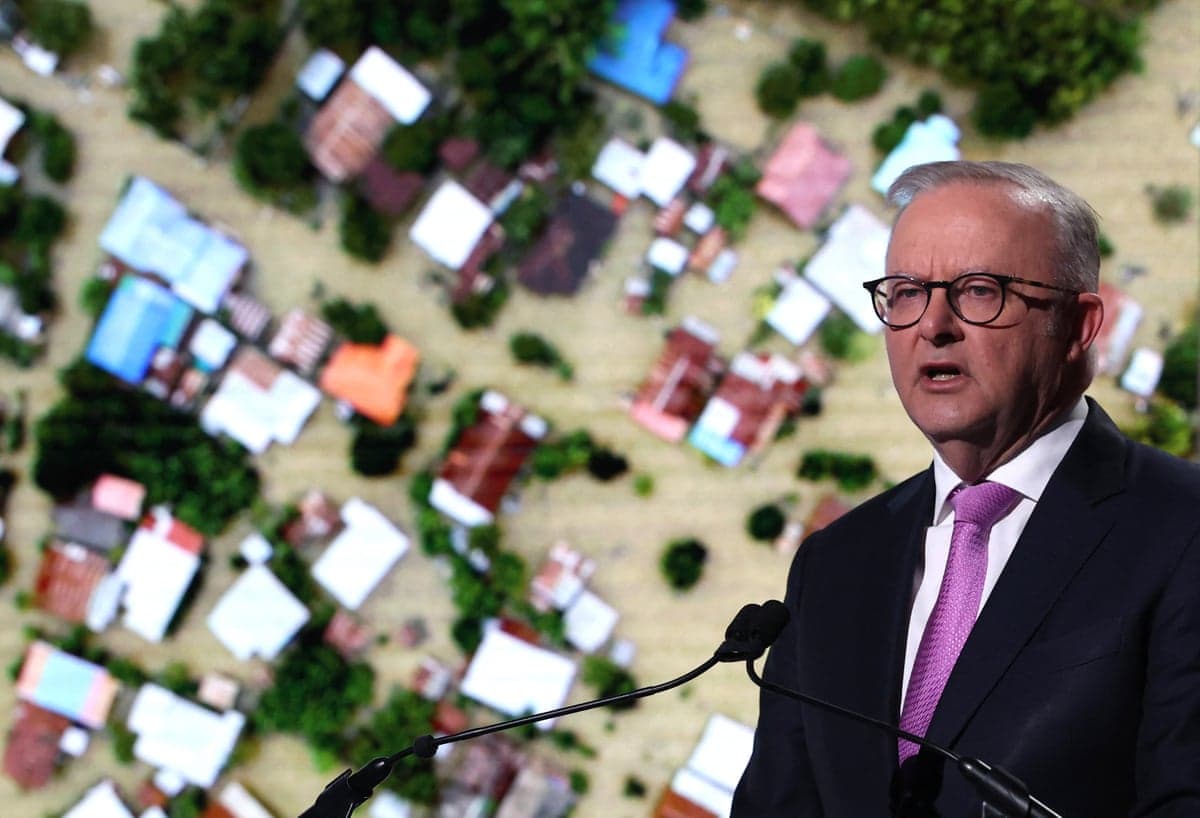
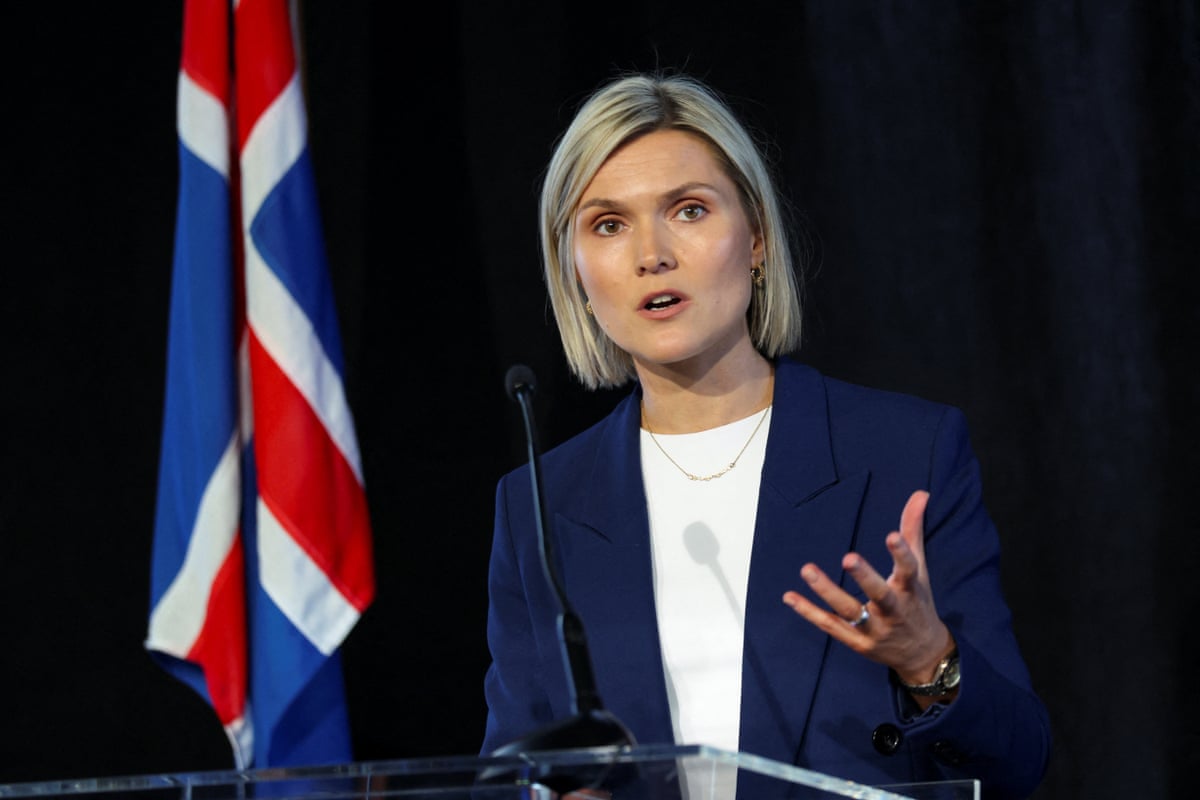
Political leaders gathered in New York on September 21, 2026, for the opening of Climate Week NYC, placing the climate crisis prominently on the agenda despite competing pressures from wars, inflation and economic uncertainty. Australian Prime Minister Anthony Albanese delivered the keynote address while Iceland's Prime Minister Kristrún Frostadóttir provided closing remarks, both emphasizing their nations' commitment to transitioning away from fossil fuels and supporting global climate action.
The event runs from September 20–27, 2026, alongside the UN General Assembly high-level week, and organizers reported it will be the largest Climate Week yet, with more than 100,000 attendees drawn from government, business and civil society. The timing follows months of extreme weather across the globe, including prolonged heat waves in Europe and North America, widespread wildfires in Africa, and severe flash flooding in Asia.
What are world leaders saying about climate risks?
Albanese framed the climate emergency through the lens of scientific certainty and Pacific regional vulnerability.
Global weather has always been treacherous. But the science told us unmistakably that as the world warms these events will become more frequent and intense. And those scientific forecasts have come to be,he stated, pledging Australia's continued support for other Pacific nations confronting climate impacts.
Frostadóttir highlighted Iceland's decades-long transition to renewable energy, a shift driven initially by economic necessity rather than environmental ideology. In the early 1970s, most Icelandic households relied on imported oil for heating, leaving the island nation vulnerable to global energy market volatility.
Household budgets were hit and a small island nation, far from every market, every supplier, learned the hard way to depend on something you cannot control,she explained.
So we made a choice. Instead of riding out the volatility, we turned to what was right under our feet.
Within years, Reykjavík constructed a large-scale geothermal district heating system, with other towns following suit and many switching within a decade.
This took unwavering political support. Financial support mechanisms that helped ordinary households make the switch without ruinous upfront costs,Frostadóttir said.
And, perhaps rarest of all in today's world, across party consensus that outlasted several governments.Today, nearly every home in Iceland is heated with renewable energy, with more than 90 percent sourced from geothermal resources.
How are security concerns reshaping climate policy?
Rather than focusing on recent political setbacks in climate action—such as efforts to halt offshore wind projects and weaken vehicle emissions standards—speakers emphasized the security and economic imperatives driving the energy transition. Selwin Hart, assistant secretary general for climate action at the UN, connected geopolitical instability directly to fossil fuel dependence.
This crisis, as horrible as it is, is really serving as a wake-up call for countries, businesses and people really to break the fossil fuel addiction and accelerate the transition as fast and as quickly as possible,he told reporters.
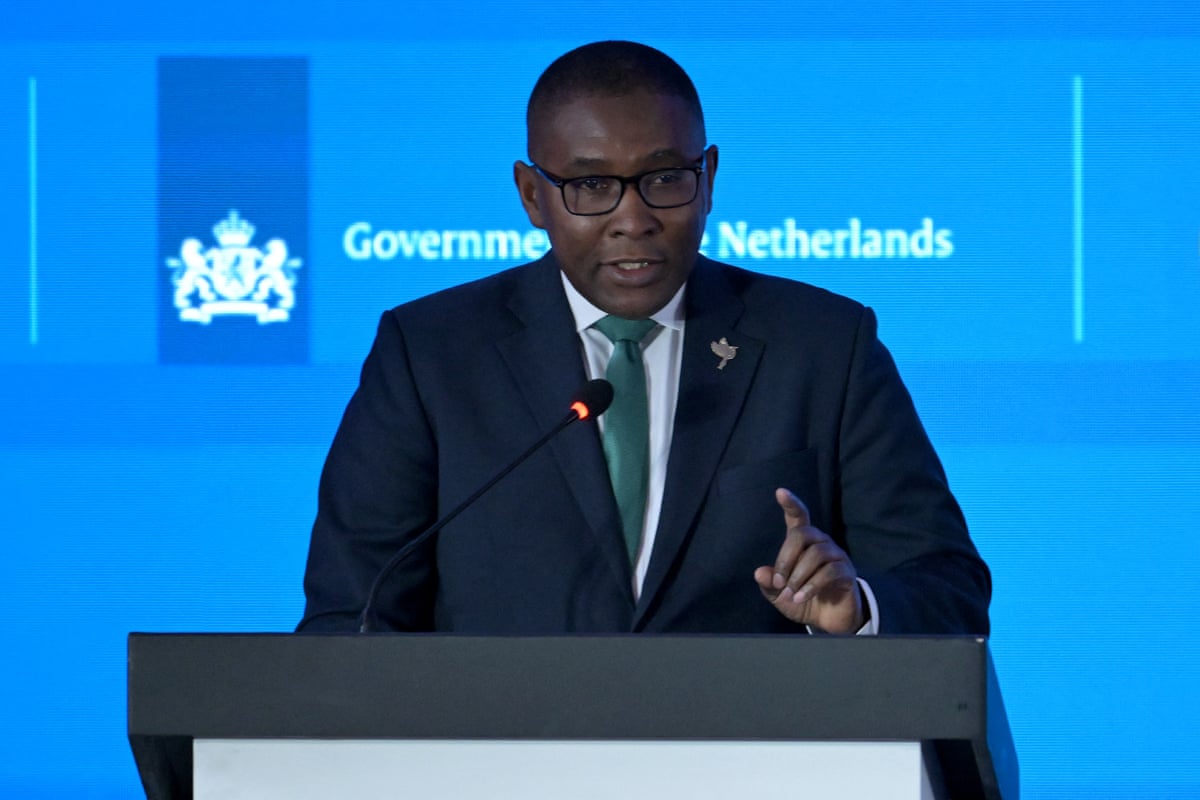
Lieutenant General Richard Nugee, a senior military strategist, articulated how climate change directly affects military operations.
A really good example of that is the sea in the gulf is getting so hot and is predicted to get so hot that the water won't cool the engines of our ships,he noted. Nugee argued that militaries should prioritize climate adaptation technologies not only for their lower emissions but for potential strategic advantages.
I don't believe there is renewable energy that will drive a 70-ton tank. It's not that,he said.
But our small armed vehicles, why not make them hybrid? Which is better for our stealth, better for the crews because there's less noise and less vibration.

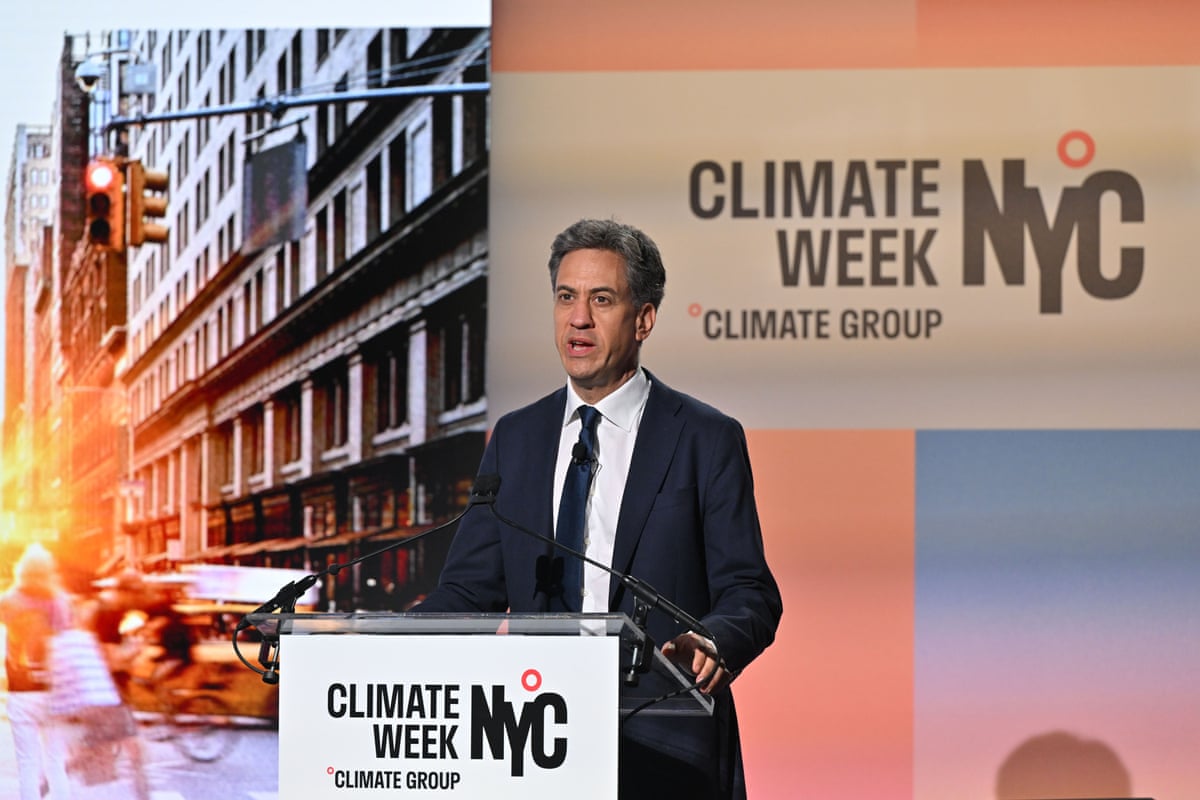
UK Foreign Secretary Ed Miliband framed continued reliance on fossil fuels as a national security vulnerability, particularly given the Russian invasion of Ukraine and ongoing Middle Eastern conflicts. He described this dependence as the
fossil fuel roller coasterand called for climate and environmental considerations to be embedded in national security planning.
Climate and nature must be embedded in national security systems, in threat assessments, and contingency planning,Miliband stated.
Countries need to pool information because a shock beginning in one country can rapidly travel through supply chains, financial markets and migration patterns to other countries.
What role is the private sector playing?
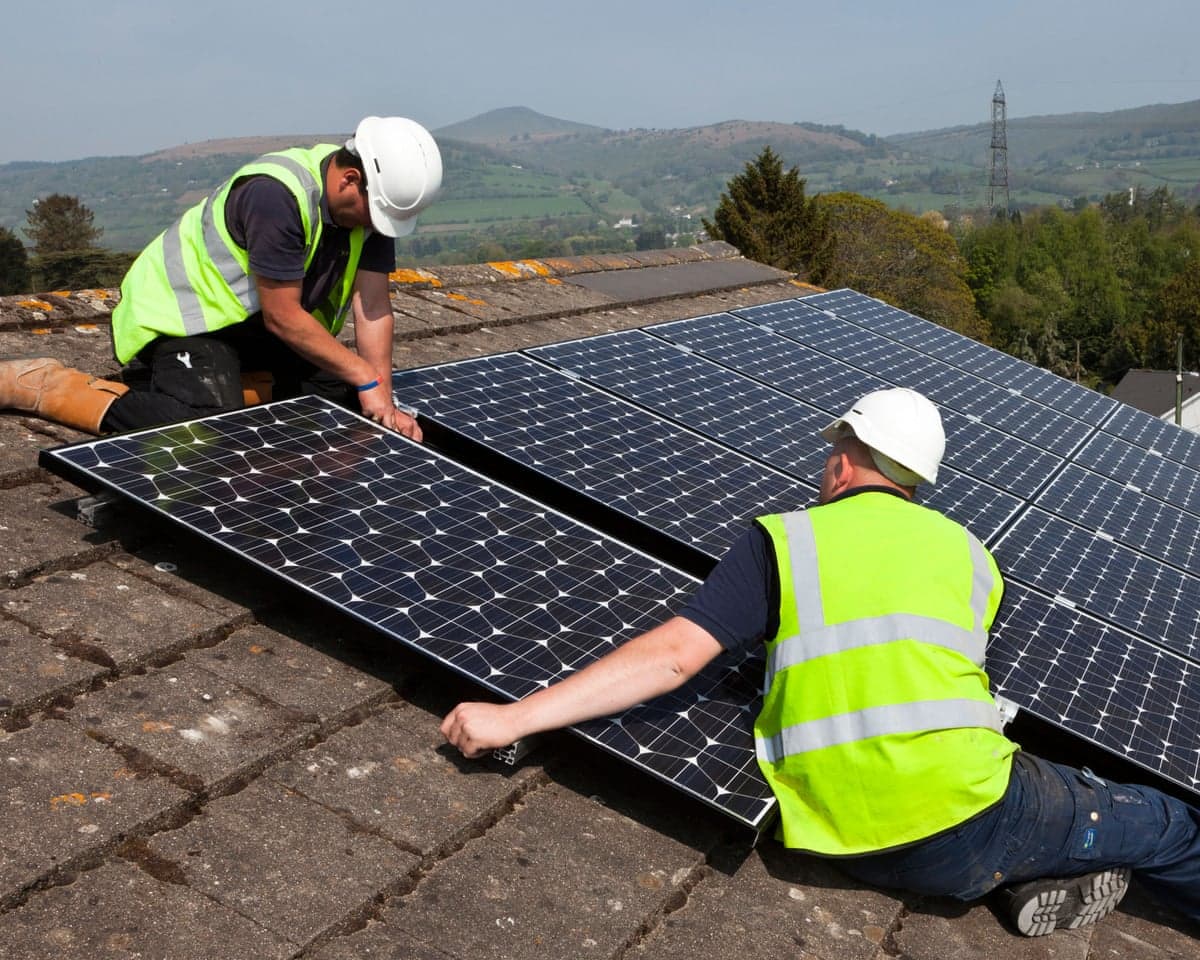
Corporate leaders are increasingly framing renewable energy transitions as financial imperatives rather than regulatory burdens. Karen Pflug, chief sustainability officer at Ingka Group, the world's largest Ikea retailer, highlighted how energy efficiency improvements have generated substantial cost savings. The company recently announced a new solar installation in South Carolina featuring 178,000 solar panels.
So regardless of what's happening from a political point of view I think it's in fact making good business sense,Pflug said.
The economic imperative is there.
Why are some leaders avoiding climate discussion?
Despite the urgency of climate impacts, organizers acknowledged a troubling trend of what they termed
climate hushing—a reluctance among business and political leaders to prioritize climate messaging amid competing crises. Helen Clarkson, chief executive of the Climate Group, which organizes Climate Week, attributed this partly to the relentless focus on wars, inflation and economic hardship dominating public discourse.
There has been this disconnect this summer where we have felt climate change like no other year with some massive disasters and the degree to which leaders want to speak about this issue,Clarkson observed. She noted, however, that public polling suggests citizens remain concerned about climate change even as economic pressures dominate headlines.
Undoubtedly people care about the cost of living but we see in the polling people care about the climate too, they aren't oblivious to what is going on. A word we heard a lot today in speeches is that we need courage to make that connection to people and join the dots.
What is the broader context for this year's Climate Week?
Climate Week NYC 2026 is one of two major climate gatherings held this year. Earlier in September, Climate Week 4 took place in Baku from September 7–11, 2026, drawing nearly 2,700 delegates from more than 140 countries across 68 events, serving as a stepping stone toward accelerating implementation and building momentum ahead of future climate negotiations.
The New York gathering carries particular weight as a political moment. The UN General Assembly high-level week runs from September 18–28, 2026, creating a concentrated window for world leaders to address global challenges including climate action. Frostadóttir underscored the urgency of moving faster than the pace of climate disruption itself.
The only real question left for leaders, for all of us in this room, is what it takes to keep moving forward faster than the disruptions that have yet to hit us. Our answer, from a small island in the North Atlantic is this: start before you must. Build the resilience before the crisis tests it.
What happens next?
The UN will convene a dedicated High-Level Event on Climate Action and the Just Transition on September 23, 2026, focusing on accelerating renewable energy deployment, expanding climate finance for developing countries, and supporting communities already experiencing climate impacts. Additional events scheduled during the week include a September 24 panel on food security versus climate security and a session titled Climate Week NYC: Acting at the Speed of Crisis. Climate Week NYC concludes on September 27, 2026.