Three decades after a US ornithologist first encountered a jocotoco antpitta in the cloud forests of southern Ecuador, the conservation foundation he established has become a blueprint for protecting biodiversity worldwide. The discovery of this previously unknown species in 1997 set in motion a transformation that now safeguards nearly 50,000 hectares of restored habitat and supports the survival of more than 1,350 bird species across the country.
Montane cloud forests present particular challenges for birdwatchers. The creatures inhabiting these cool, humid mountain environments have evolved to blend seamlessly with their surroundings, masking themselves as leaves and other vegetation. Antpittas—ground-dwelling birds that emerge reluctantly from dense undergrowth—demand patience and persistence from those seeking to observe them.
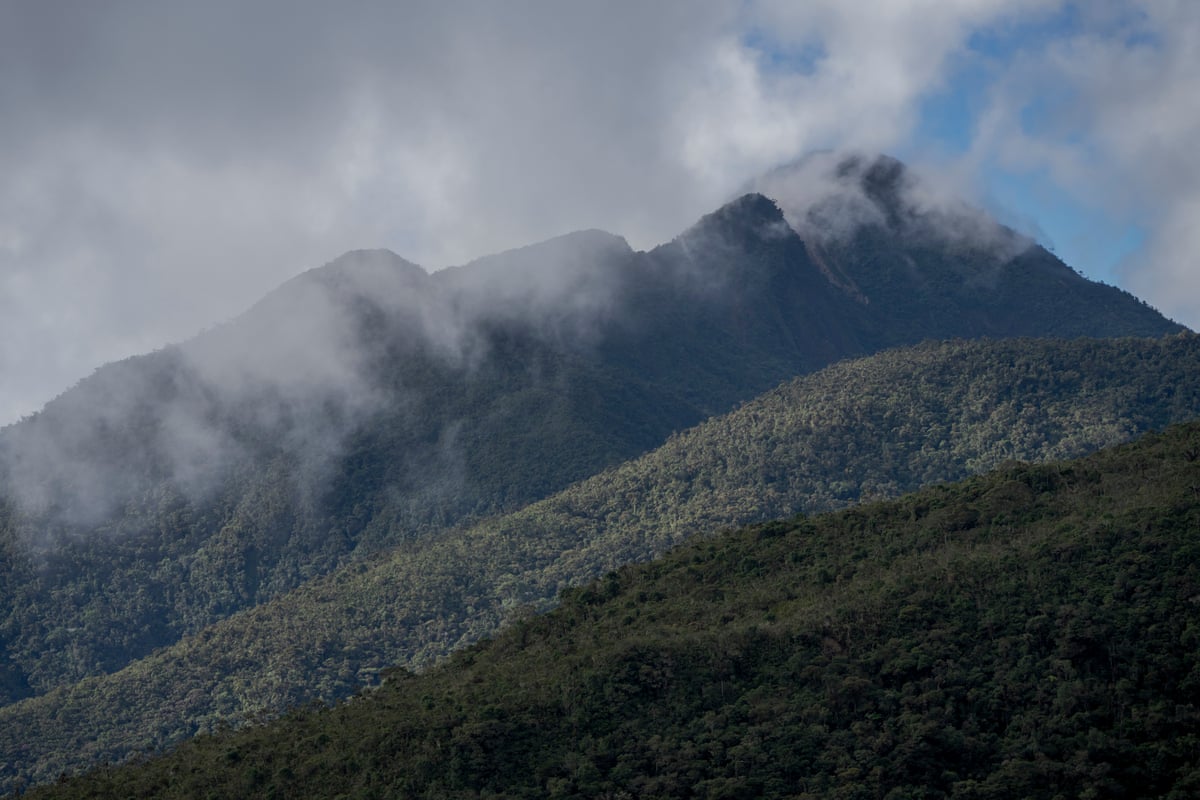
On a misty morning at Tapichalaca Lodge, positioned 2,500 metres above sea level in the eastern Andes, a guide named Juan Carlos Crespo, local ranger Fredy Ramón Castillo, and I waited on a steep, muddy trail for the jocotoco antpitta to appear. Castillo had placed large, succulent earthworms on a low branch—a proven lure for these food-motivated birds. He called out repeatedly, "venga, venga!" ("come on, come on!"), his voice growing louder and more insistent as minutes passed without result.
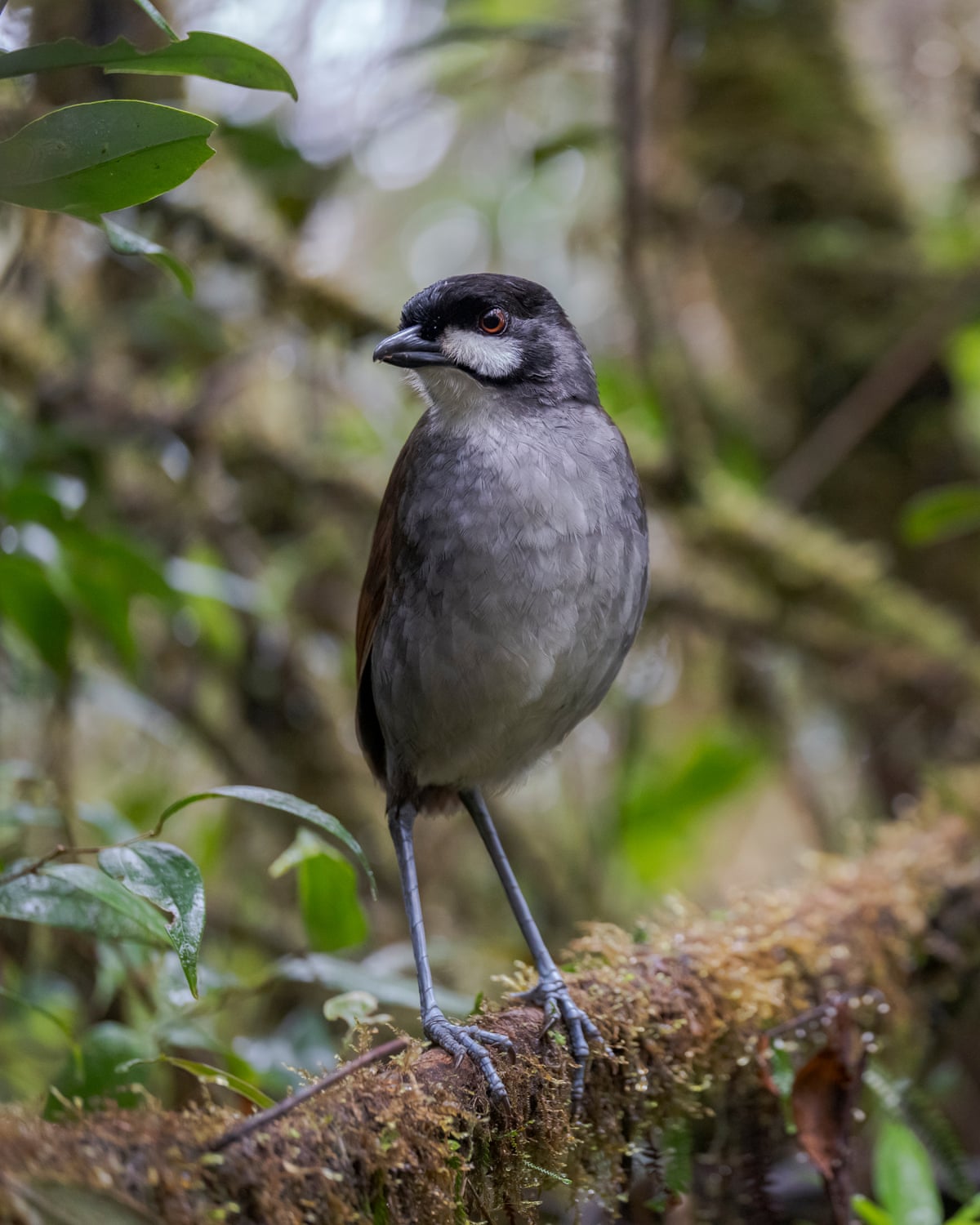
Then, suddenly, a stocky thrush-sized bird emerged from the undergrowth. Its chestnut back, grey underparts, black crown and distinctive white face-patch made it unmistakable. The bird consumed the earthworms voraciously, as though it had not fed in days.
Few birds have altered the trajectory of conservation as profoundly as this species. In November 1997, ornithologist Robert Ridgely led a team through this remote region of southern Ecuador to document the area's wildlife. As they climbed a forest trail at dawn, they detected an unfamiliar bird call echoing through the distance. Ridgely later reflected that the sound was peculiar—resembling an owl's cry—and he harboured little expectation of identifying the creature.
Ridgely moved ahead of his companions and heard the call grow louder. He recorded the sound and played it back through a speaker. The mystery bird responded by crashing through dense bamboo thickets and bursting into open view. Ridgely recognised immediately that he was witnessing something extraordinary: a species entirely unknown to science, familiar only to the local people who had named it "jocotoco" to mimic its loud, barking vocalisation.
This discovery ranked among the most significant ornithological breakthroughs of the late 20th century. While scientists regularly identify new bird species, they rarely encounter one so large, vocal and visibly distinct from its relatives. Two years after Ridgely's encounter, the species received its formal scientific description: Grallaria ridgelyi, the jocotoco antpitta, with the scientific name honouring its discoverer.
Ridgely grasped that the bird's survival depended on immediate habitat protection. Working with colleagues who shared his conservation vision, he established an organisation dedicated to acquiring and restoring the forests where the jocotoco antpitta lived. In 1998, the Jocotoco Foundation was formally created, funded by donors across the United States and Europe.
How has the foundation expanded its conservation reach?
The Jocotoco Foundation now operates a network far exceeding its original mandate. According to the foundation's latest reports, it protects and manages 19 reserves distributed throughout Ecuador, encompassing approximately 50,000 hectares (193 square miles), while also stewarding a further 82,000 hectares of privately and communally owned land. These protected areas collectively harbour more than 1,350 bird species—representing 80 per cent of Ecuador's avian diversity and one in eight of all bird species globally—alongside countless plant and animal species.
The foundation's approach combines habitat restoration with community employment. Local residents, many of whom grew up on the very lands they now protect, work as park rangers and in wildlife tourism roles, creating economic incentives aligned with conservation objectives. This integration of local stewardship with scientific management has proven remarkably effective.

What methods does the foundation use to restore degraded forests?
The foundation's restoration strategy operates on straightforward but proven principles. Teams plant diverse native tree species and other vegetation, or in some locations allow natural regeneration to proceed unimpeded. Park guards—all recruited from neighbouring communities—patrol reserves to prevent illegal activities including cattle grazing, logging and poaching. Modern technology aids these efforts: camera traps and audio recorders monitor wildlife populations and document the presence of key species, while nest boxes encourage breeding by compensating for the scarcity of natural tree cavities during the decades required for old-growth forest recovery.
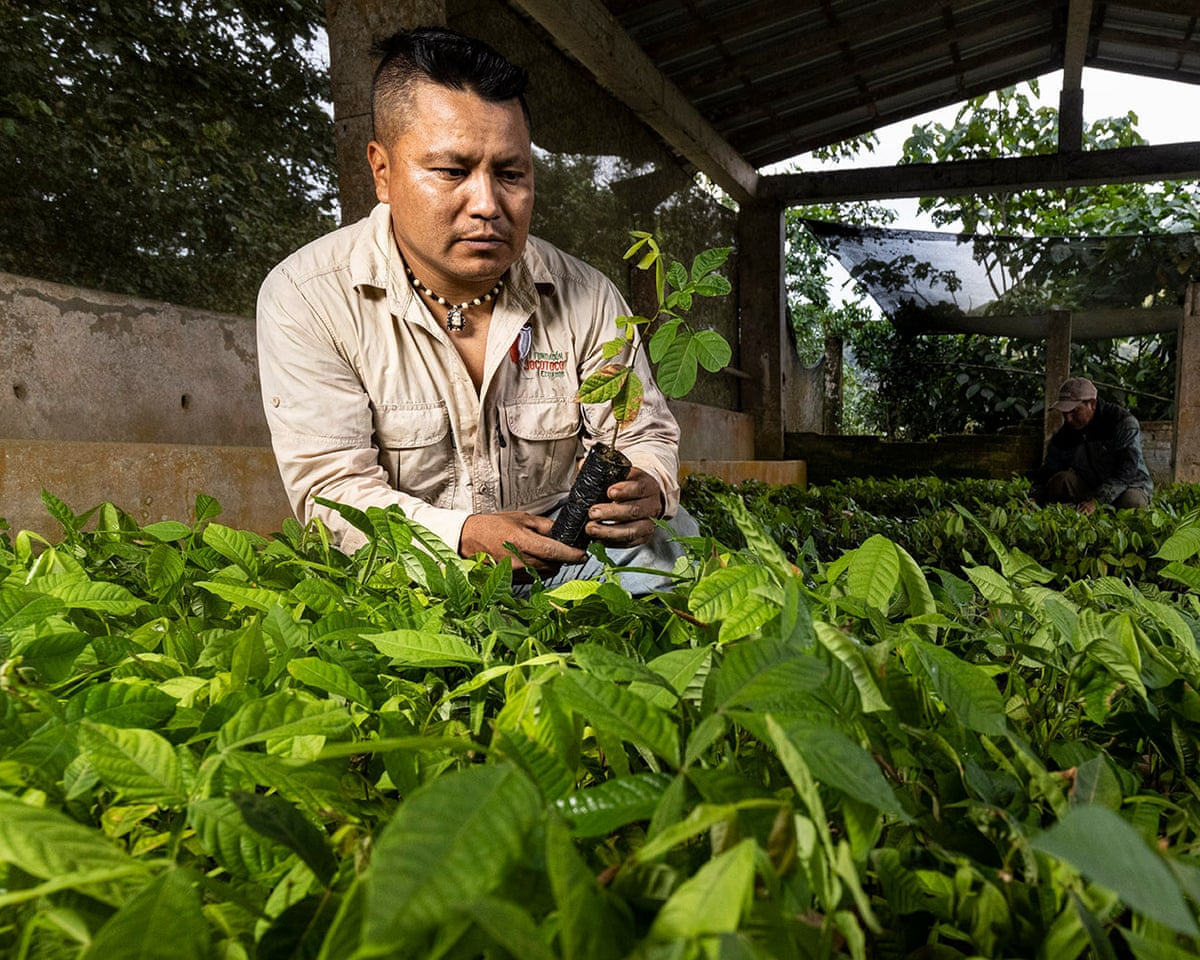
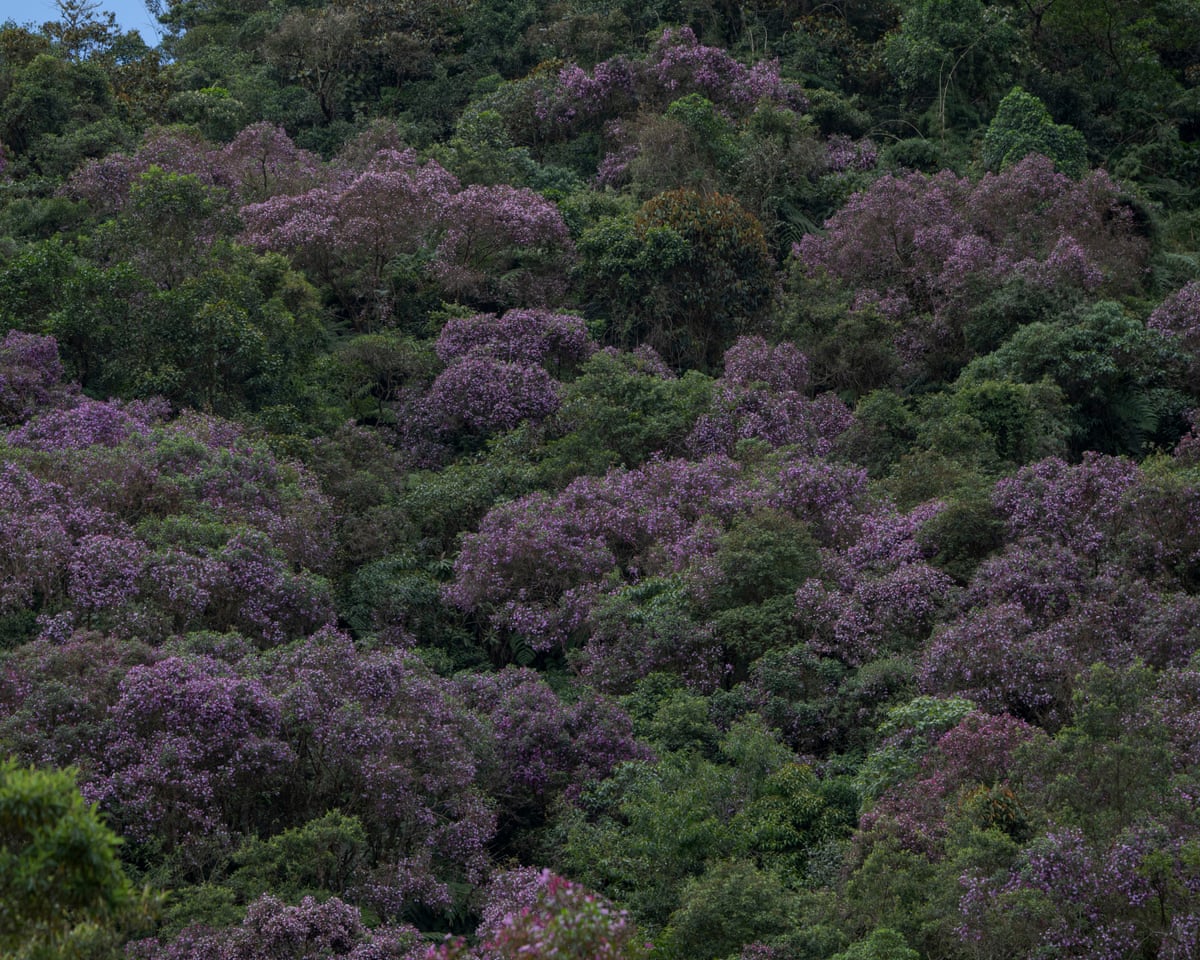
Recent scientific research validates the effectiveness of this model. A study of the Canandé reserve in Ecuador's Chocó region demonstrated that even heavily deforested landscapes can recover with focused management. Within just three decades—a single human generation—of biodiversity-focused stewardship, formerly cleared lands recovered 90 per cent of the biomass (total animal weight) and 90 per cent of the species count found in adjacent mature forests. Although the species composition differs somewhat from pristine old-growth forest, 75 per cent of the original species present in undisturbed forest have returned.
What do conservation leaders say about this work?
Mike Parr, president of the American Bird Conservancy, emphasises the global significance of the foundation's achievements.
Beyond safeguarding Ecuador's rarest birds, migrating species and incredible overall biodiversity, Jocotoco's strategic integration of ecotourism, public awareness, community engagement and scientific research are world class. They have done an amazing job covering the previously unprotected endangered species of Ecuador.
Ian J Davidson, regional director for BirdLife International, frames the foundation's work as a model for global conservation.
By creating a network of protected habitat 'arks', Jocotoco has given these remarkable species a genuine chance not only to endure, but to recover and expand beyond their remaining strongholds. Their work stands as a global conservation success story, an inspiring example of what determination, science and long-term stewardship can achieve for nature.
Which other endangered species benefit from these reserves?
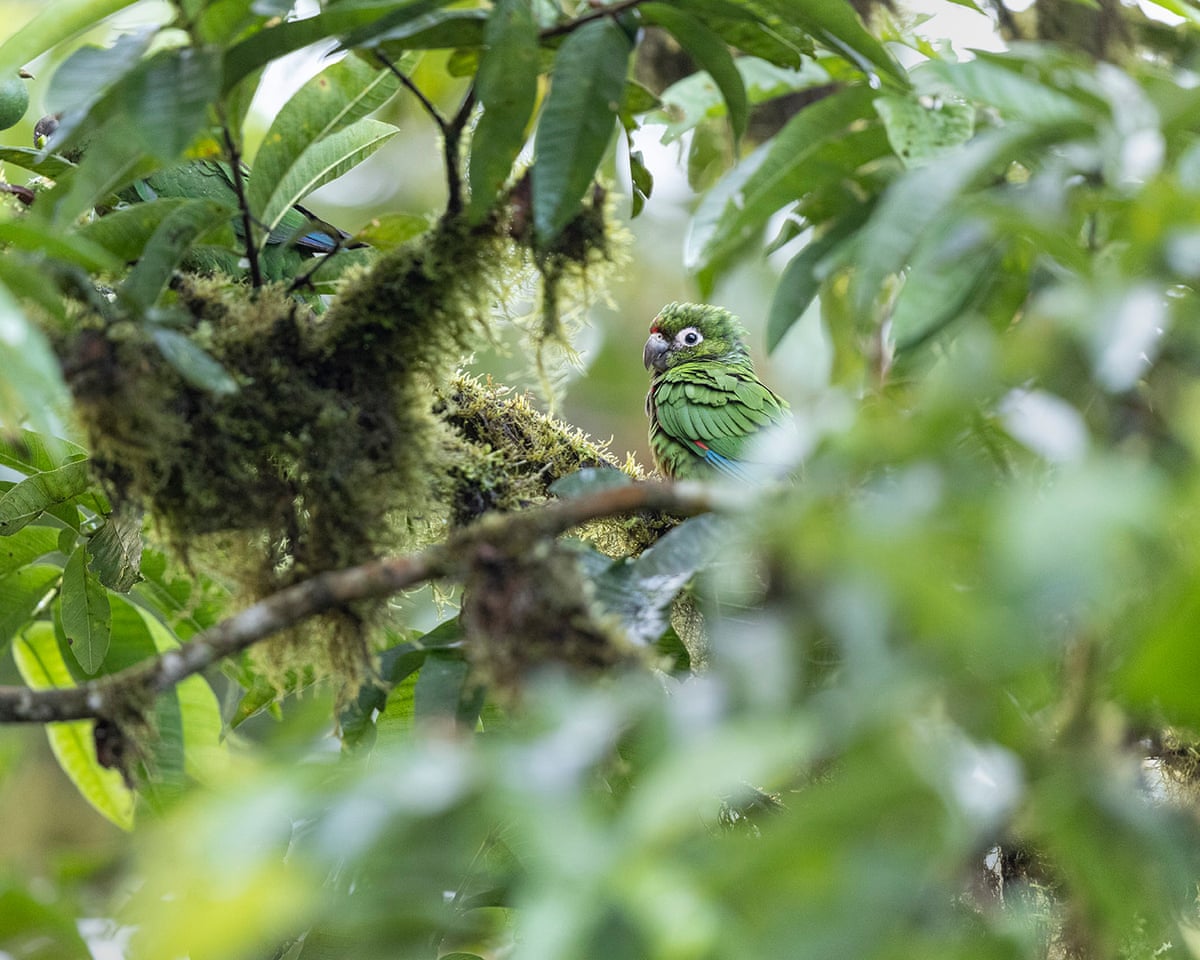
The foundation's reserves extend protection far beyond the jocotoco antpitta. The El Oro parakeet, a charismatic emerald-green parrot discovered only in 1980, inhabits the Buenaventura reserve in the western Andean foothills. This species has an exceptionally restricted range, with fewer than 1,000 individuals surviving. During a visit to grassland where these birds congregate, several flocks totalling approximately 20 individuals appeared, the males displaying distinctive red foreheads against their brilliant plumage.
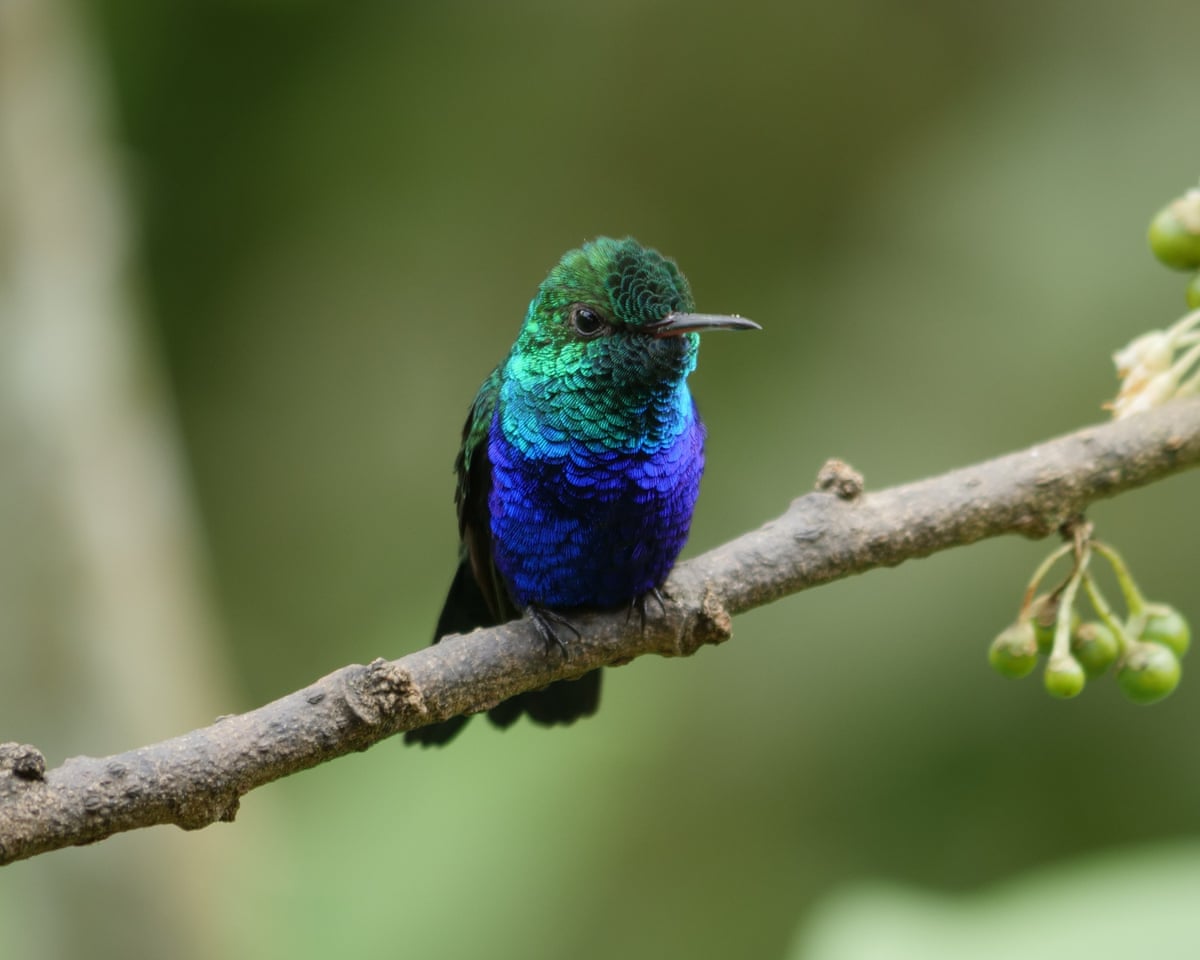
The Ecuadorian hillstar, a high-altitude hummingbird specialised for life in thin mountain air, thrives at the Chakana nature reserve, positioned above 4,000 metres in the páramo grasslands of the high Andes, less than an hour south-east of Quito. Against the dramatic backdrop of the snow-capped Cotopaxi volcano, these jewel-like birds can be observed at close range.
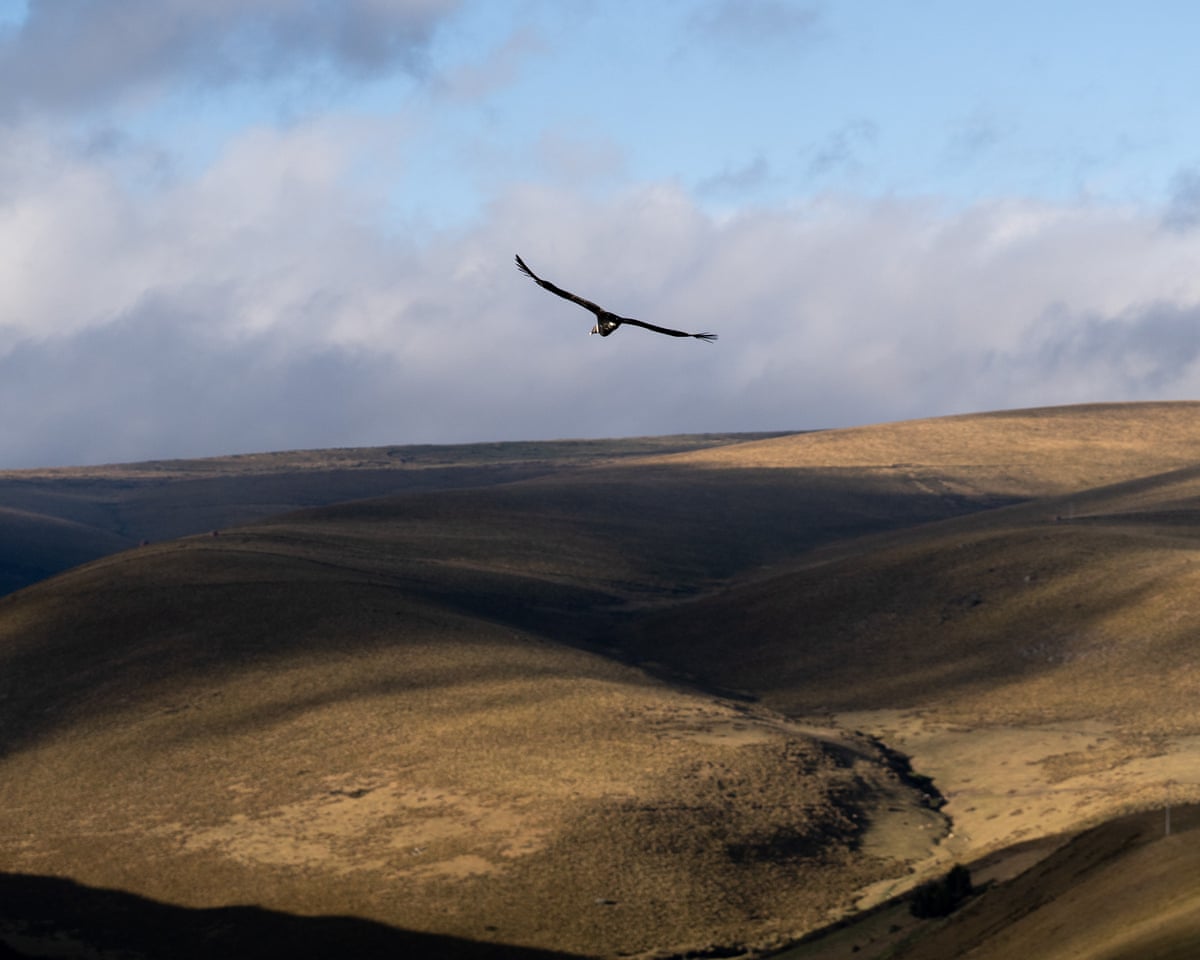
The Andean condor, the world's largest flying bird when measured by combined weight and wingspan, has experienced catastrophic population declines in recent decades, primarily due to deliberate poisoning by ranchers. At Chakana, these magnificent raptors are returning to their ancestral territories. During a single visit, nine condors soared in tight circles overhead before ascending into the clear sky, a sight that would have been unimaginable in many regions just years earlier.
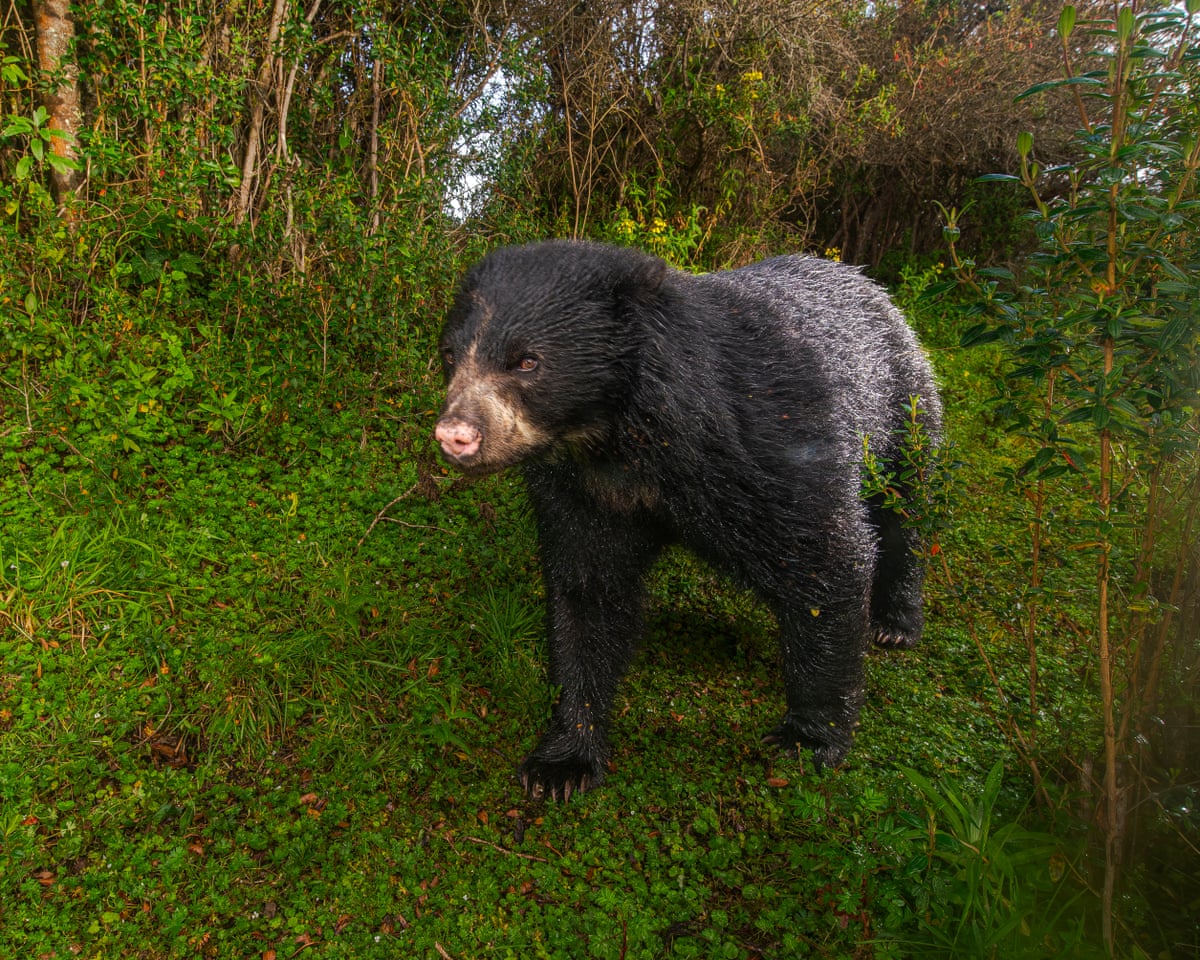
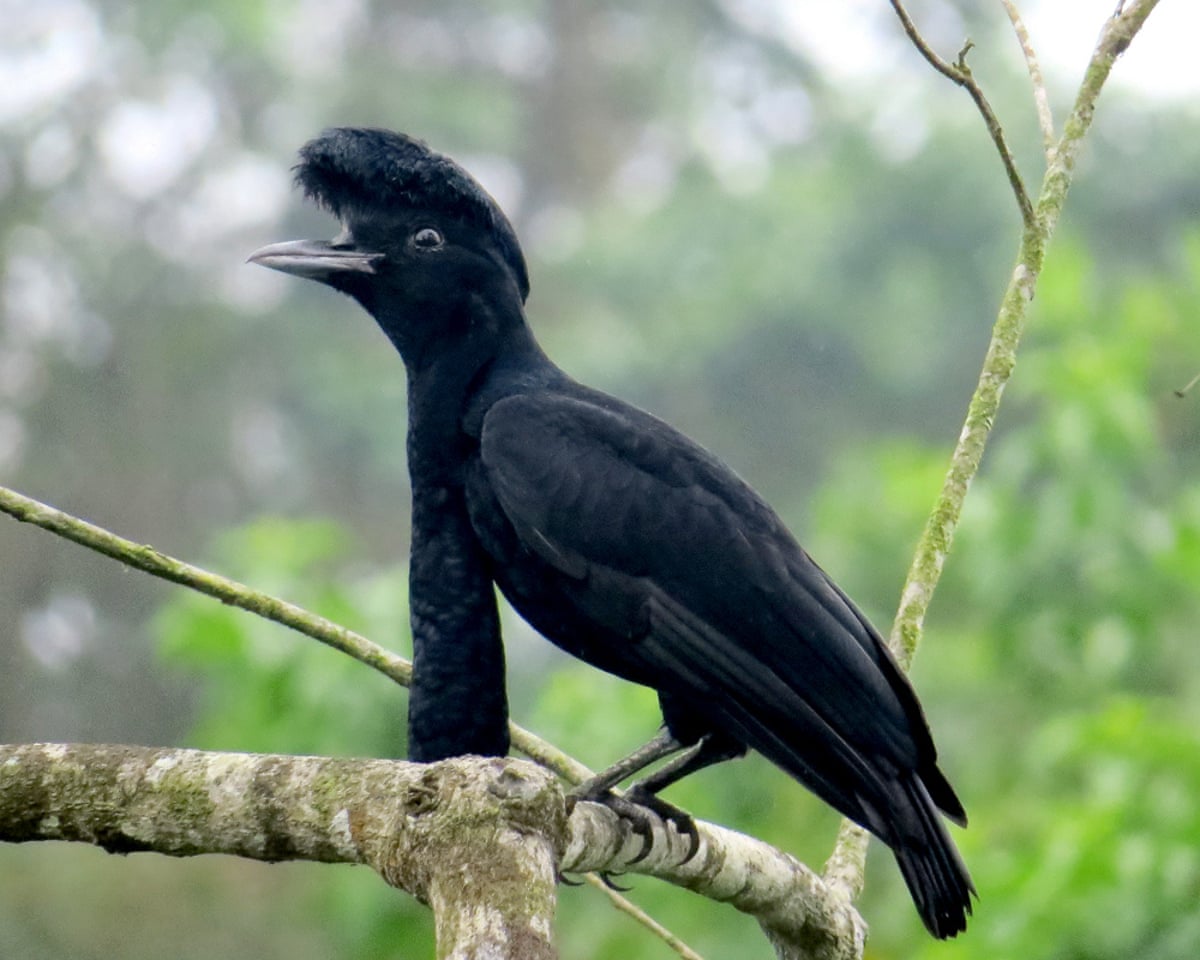
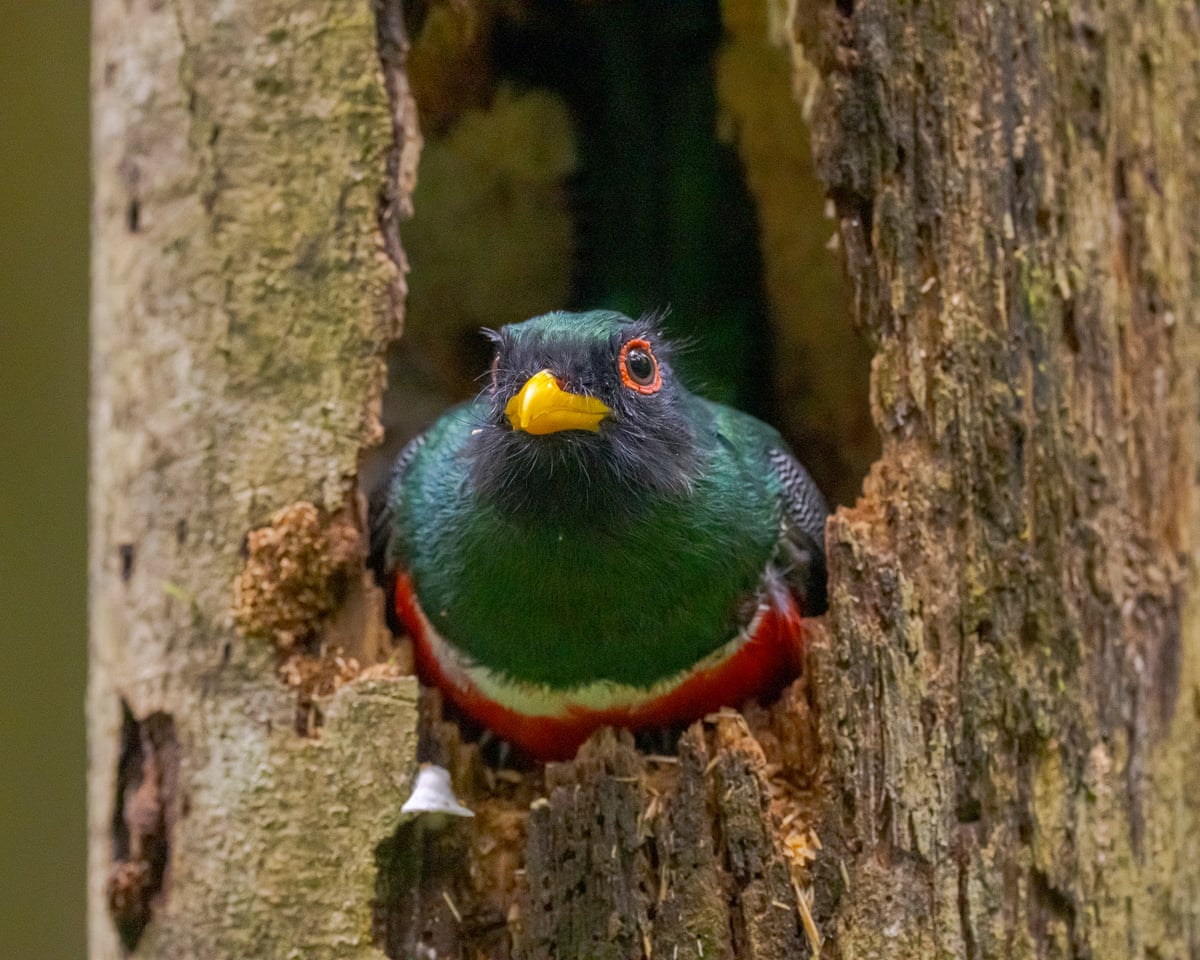
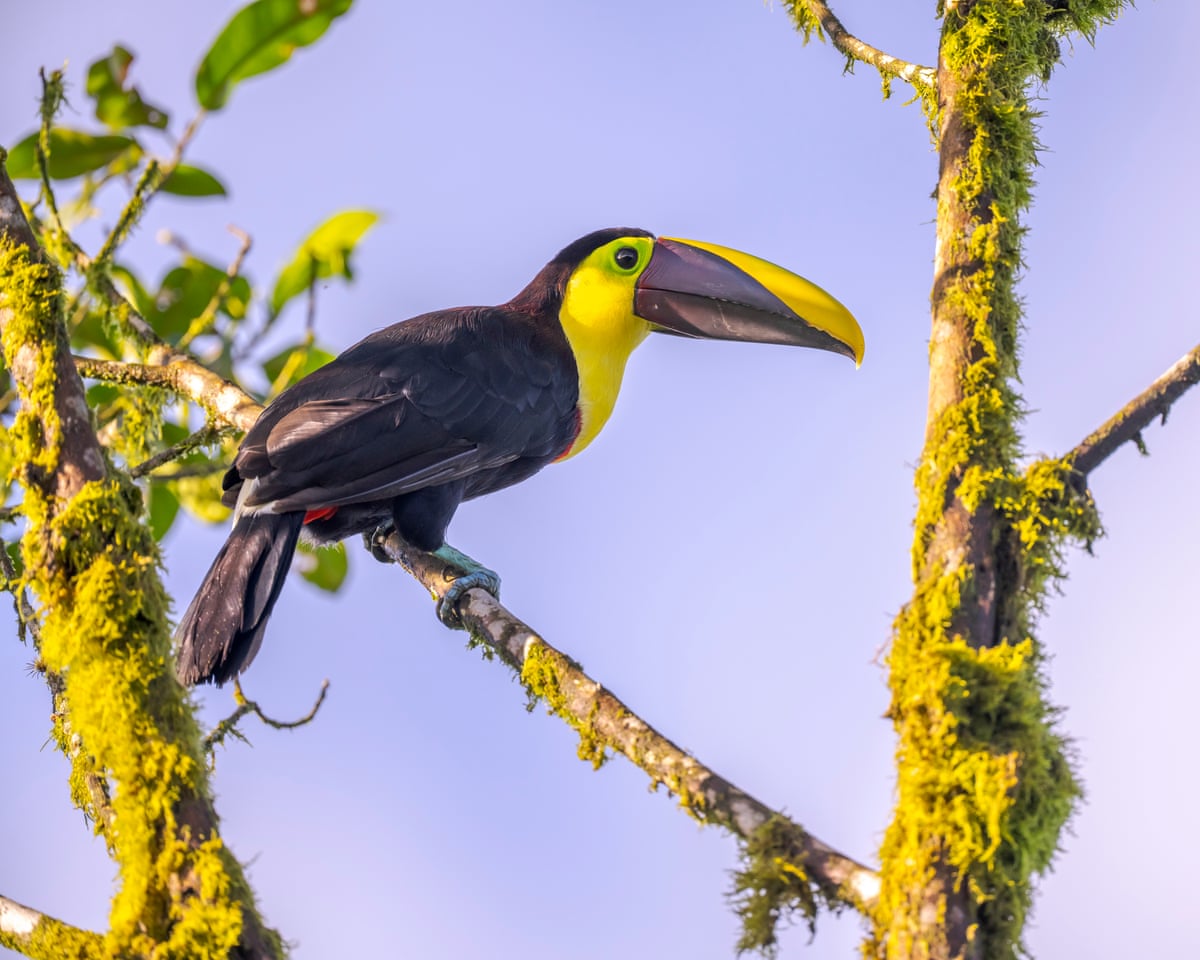
Other reserves protect species including the umbrellabird, violet-bellied hummingbird, masked trogon and yellow-throated toucan, each occupying specific ecological niches within Ecuador's diverse landscapes.
What is the current conservation status of the jocotoco antpitta?
Despite the foundation's protection efforts, the jocotoco antpitta remains classified as endangered. According to the American Bird Conservancy, the species continues to face threats from habitat loss and degradation driven by agriculture, logging and mining activities. Current estimates suggest between 480 and 600 mature individuals survive, occupying an area of approximately 252 square kilometres. The species' restricted range and small population size mean that ongoing habitat protection remains essential for its long-term survival.
What does the future hold for Ecuador's conservation efforts?
Dr Martin Schaefer, chief executive of the Jocotoco Foundation, maintains cautious optimism about conservation prospects.
The power to restore what we have lost is in our hands.This conviction underpins the foundation's continued expansion and deepening of its work across Ecuador's most biodiverse regions.
The foundation's model gains particular significance in a period when international conservation funding faces uncertainty. At a time when government support for environmental projects has contracted globally, the Jocotoco Foundation demonstrates how scientists and local communities can collaborate effectively to protect endangered species and the ecosystems they depend upon. The transformation of degraded cattle ranches into thriving wildlife reserves, and the recovery of forests within a single human generation, offers tangible evidence that ecological restoration is achievable when commitment, scientific knowledge and long-term stewardship align.
Key Facts
- The jocotoco antpitta was discovered in 1997 by ornithologist Robert Ridgely and formally described in 1999, making it one of the most significant bird discoveries of the late 20th century
- The Jocotoco Foundation now manages 19 reserves covering 50,000 hectares, plus an additional 82,000 hectares of privately and communally owned land across Ecuador
- These protected areas support more than 1,350 bird species—80 per cent of Ecuador's total avian diversity and one in eight of all bird species on Earth
- Restored forests in the Chocó region have recovered 90 per cent of their biomass and species diversity within three decades of active management
- The jocotoco antpitta remains endangered, with an estimated 480 to 600 mature individuals surviving in a restricted range of 252 square kilometres