British food producers have expressed broad support for a new UK-EU sanitary and phytosanitary (SPS) agreement designed to eliminate the majority of physical checks on food, plants and animal products, though many remain sceptical until the deal takes effect. The accord, which is scheduled to come into force on 1 March 2028, will restore trading routes for UK delicatessens and small retailers seeking to import European cheese and wine, activities that became economically unviable following costly post-Brexit checks. According to The Guardian, the agreement is also intended to benefit UK exports including fresh sausages, burgers, seed potatoes and molluscs.
The deal represents a significant shift after years of disrupted trading arrangements that followed the UK's departure from the European Union. However, government guidance published on 20 November indicates the agreement will extend beyond international traders, affecting domestic businesses through changes to food and feed rules. The accord employs "dynamic alignment", meaning the UK and EU will apply the same rules at the same time on an ongoing basis.
Why are exporters cautious despite the deal?
Several food exporters have indicated they will withhold full confidence in the agreement until it actually takes effect.
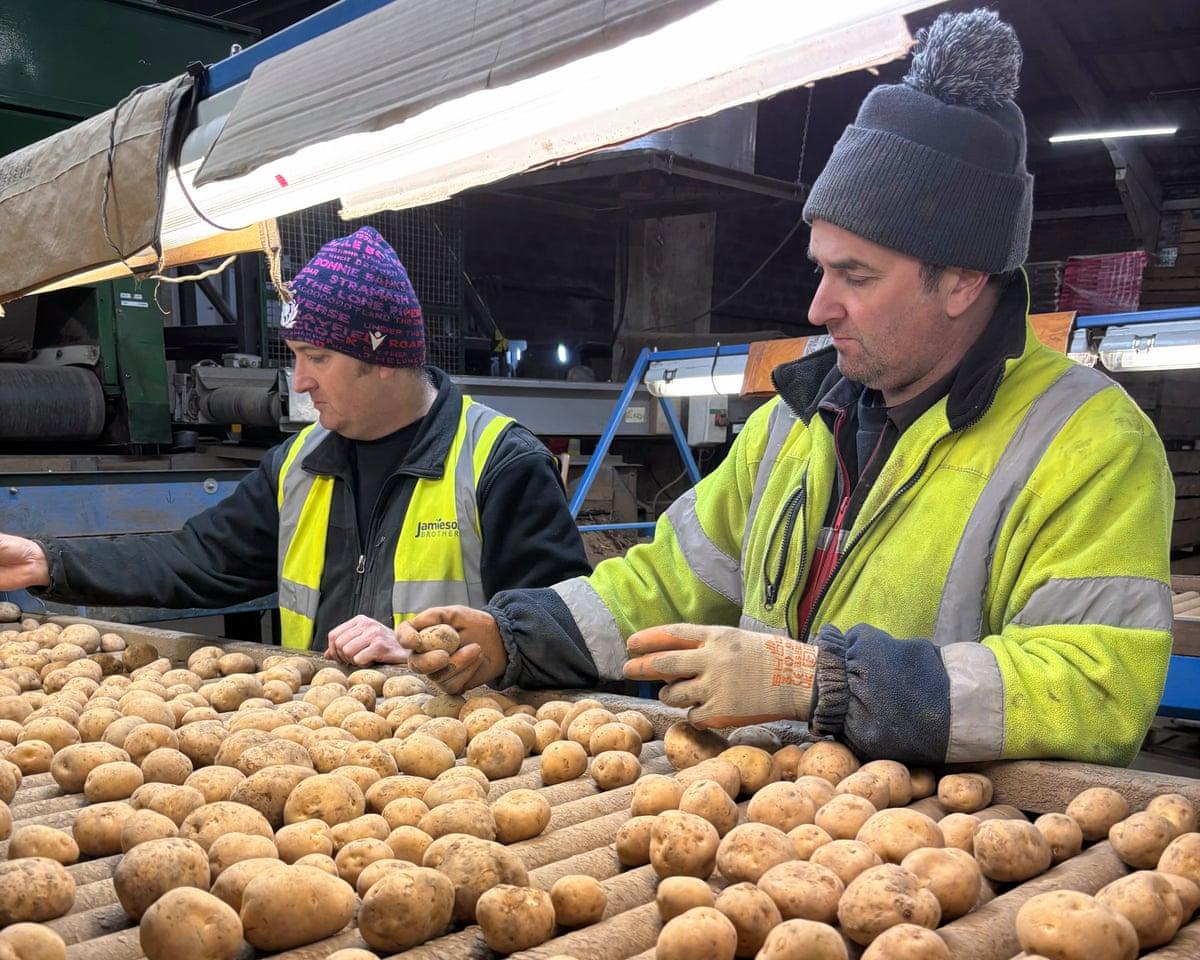
"Nobody's going to believe this until it has actually physically happened,"said Iain Barbour, operations director of Scottish seed potato producer Jamieson Brothers.
Seed potatoes were excluded from the original post-Brexit trade deal after disagreement over certification procedures, despite Scottish seed potatoes' high classification. This exclusion proved particularly damaging to the Scottish industry, whose farmers were among the hardest hit by Brexit disruption, as well as growers in northern England. Scottish seed potato farmers previously supplied three-quarters of UK production, and the sector was valued at approximately £112m annually.
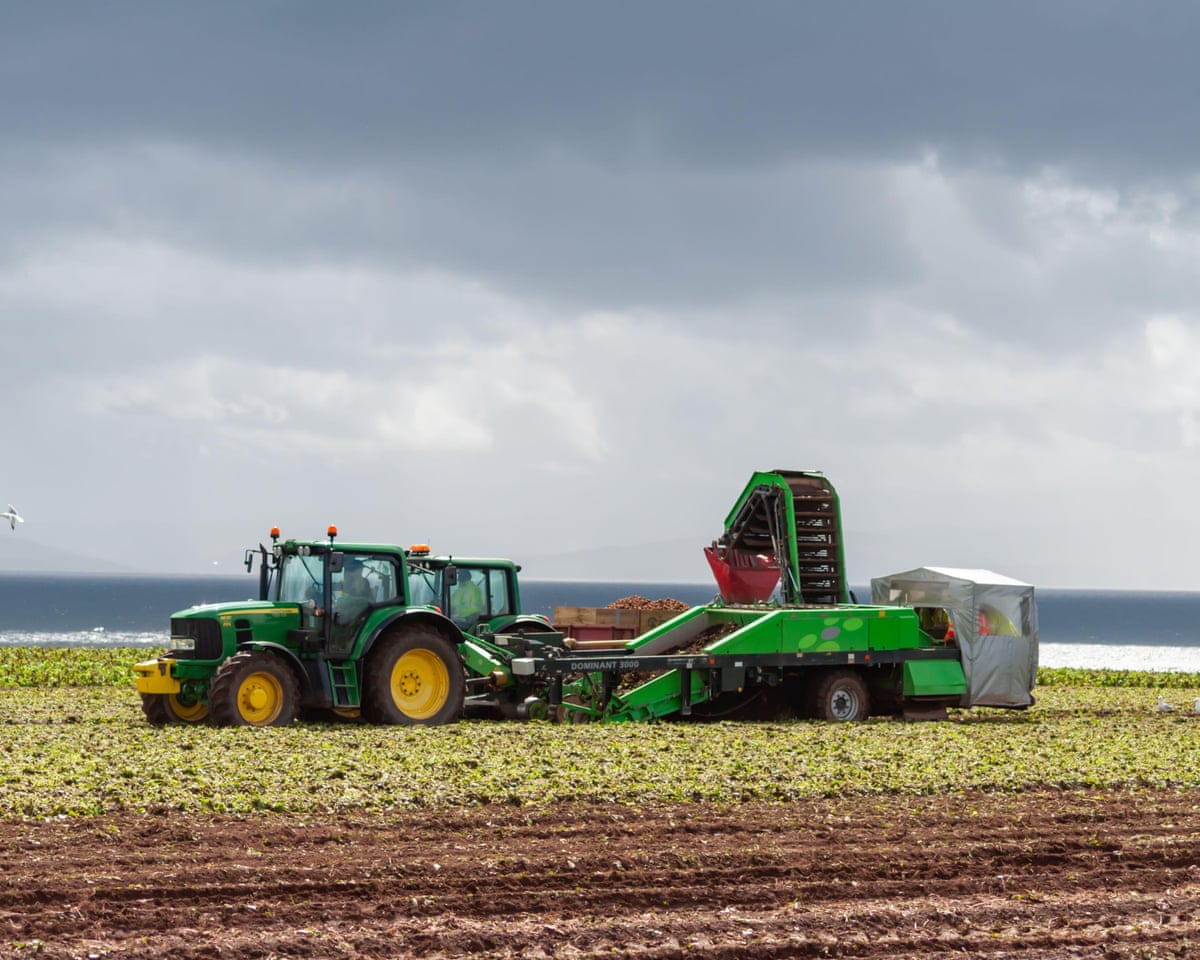
Ireland and the EU represented a fifth of Jamieson Brothers' trade before Brexit. The company suffered especially from the loss of Irish business, as it cultivated many varieties that were popular throughout Ireland. While the company adapted by undertaking packing work previously carried out in the EU, Barbour estimates this operational change cost roughly £500,000.
"We evolved, we worked with more partners and that's what kept the business going,"Barbour explained. He anticipates supplying Irish customers again, but notes it will require at least three years to revive varieties no longer in cultivation that are stored in a seed bank.
"A lot of Scottish farmers stopped producing varieties that were popular in Ireland as they weren't desired in England. Varieties that had been going about 100 years were killed off in a couple of years,"he said.
"So we'll have to look at bringing them back."
How will the timing affect the seed potato sector?
The March 2028 implementation date presents a significant challenge for the seed potato industry, as most sales occur at the start of the year and crops must be grown well in advance. Barbour anticipates most growers will remain cautious and will only fully resume trading in 2029.
"People are obviously going to be a little bit hesitant to grow anything until it's 100% official,"he said.
What does the deal mean for shellfish producers?
British exporters of live bivalve molluscs—the collective term for shellfish including mussels, oysters, clams, cockles and scallops—anticipate the agreement will revitalise their sector. The industry is small and specialised, valued at less than £12m annually before Brexit, yet it remains crucial for certain coastal communities.
Offshore Shellfish, a family-run business producing rope-grown mussels in Lyme Bay, Devon, has managed to maintain exports to European customers despite the administrative burden of post-Brexit requirements. The company exports the vast majority of its blue mussels, sending them to the Netherlands for processing before they reach restaurants and supermarket shelves in Belgium, where they are prized as a key ingredient in moules-frites, a national dish.
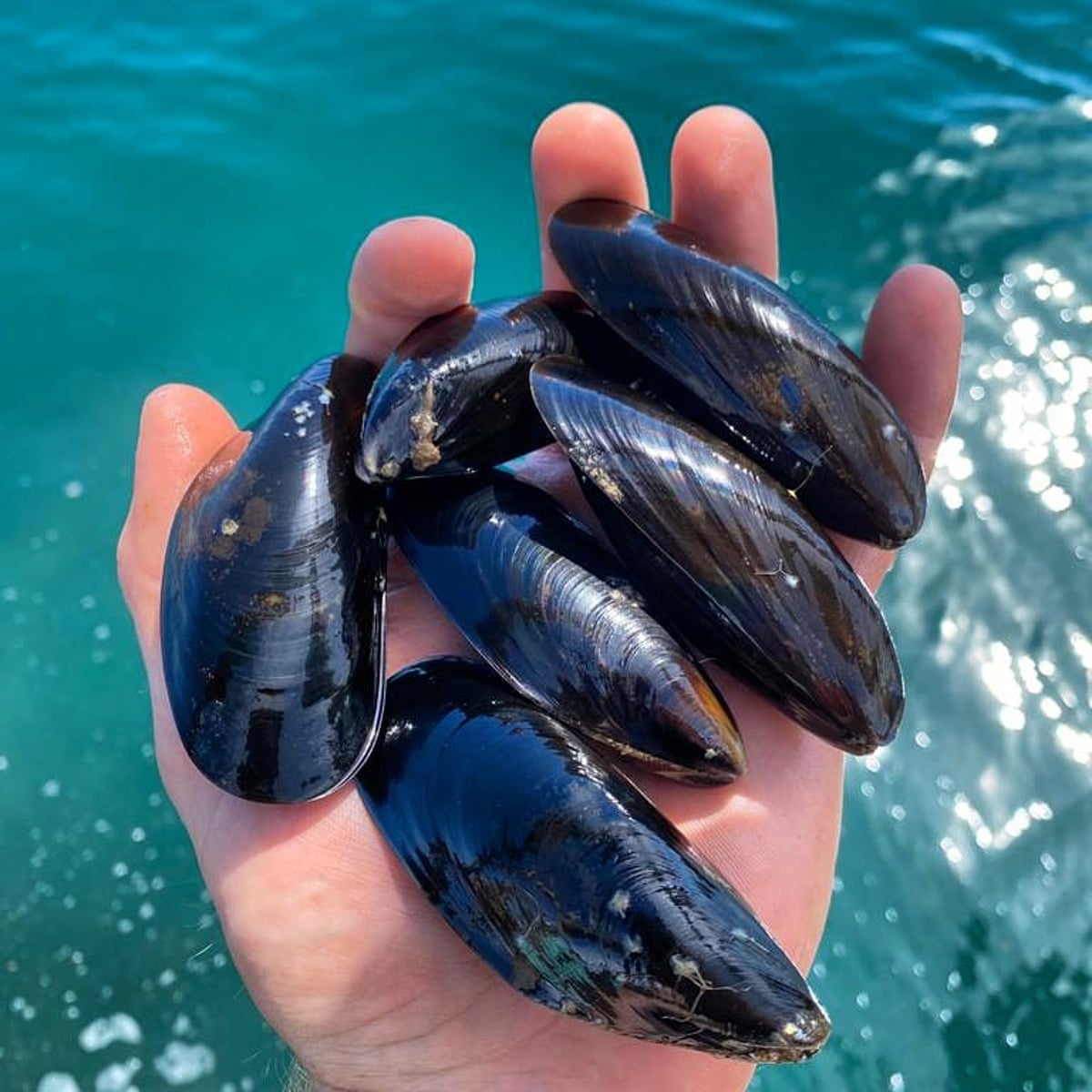
Sarah Holmyard, commercial director of Offshore Shellfish, highlighted the most significant aspect of the deal: an assurance that live bivalve molluscs can be exported even if they do not originate from class A waters. Offshore Shellfish's farms are classified as "class A" for most of the year, but previously, any temporary shift to "class B" could have halted exports.
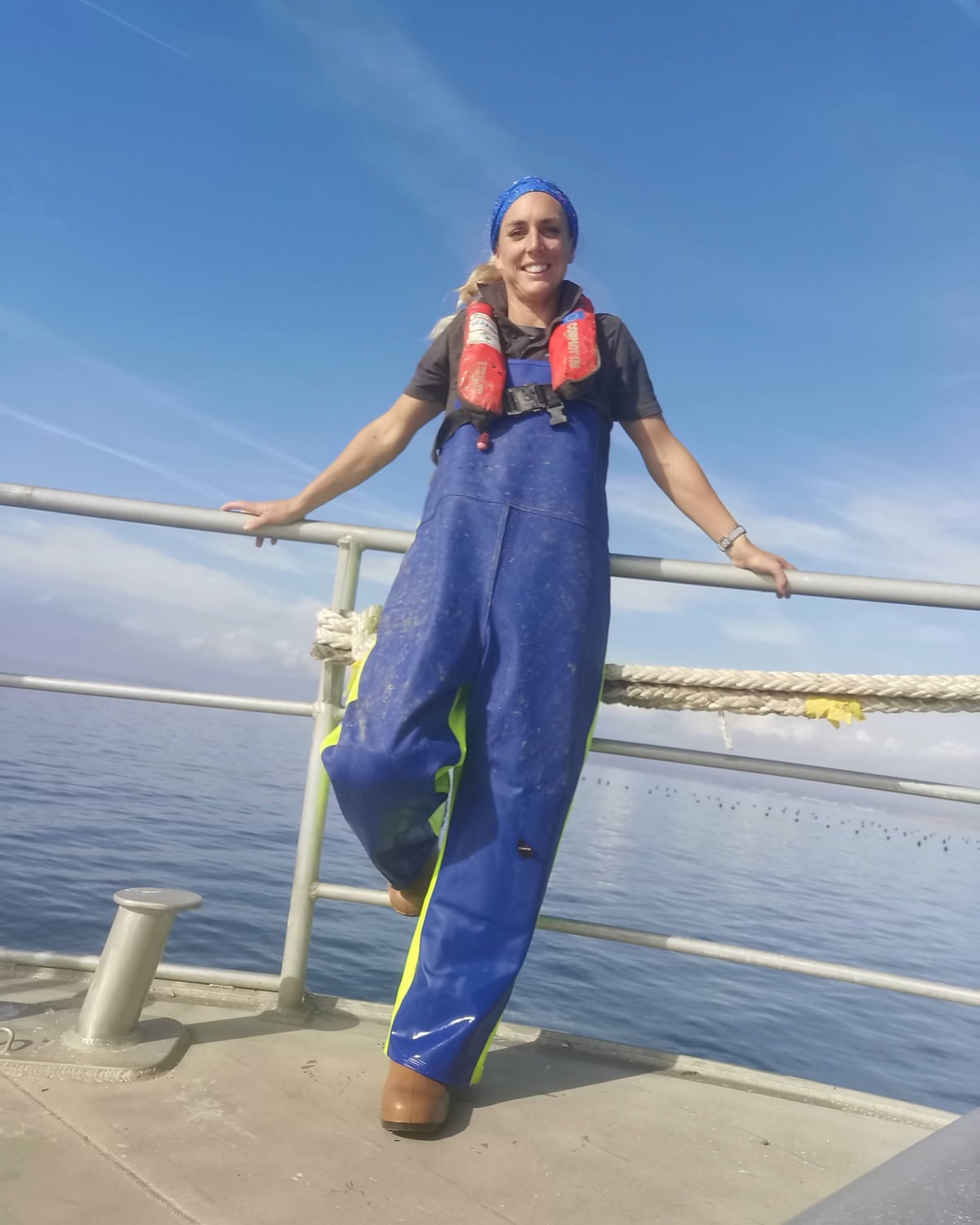
"That's a huge win for us because we've been pushing and pushing and pushing for that,"Holmyard said.
The agreement arrives too late for UK shellfish producers that have already ceased operations since Brexit. Three of four mussel fishing companies in the Menai Strait, the channel separating the north Wales mainland from Anglesey, closed after exports became too difficult.
How will the deal benefit dairy and cheese producers?
The promised removal of physical border checks on dairy, fish and meat products was welcomed by Rich Clothier, managing director of Wyke Farms, a Somerset-based cheese and butter maker. The company exports approximately a quarter of its cheddar to the EU, particularly to France, Germany and Spain.
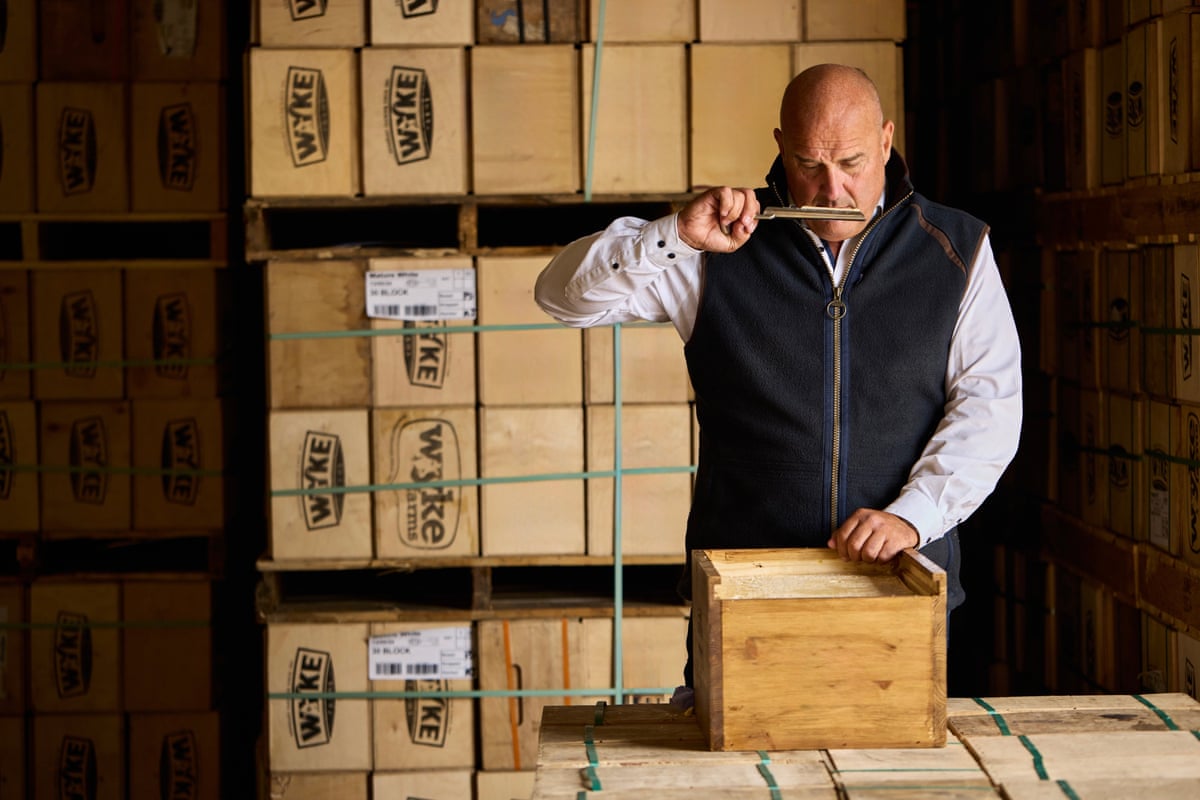
Dairy exports to the EU have been less contentious since Brexit than seed potatoes or mussels, though not without difficulties. The elimination of veterinary checks is regarded as a substantial benefit by Clothier.
"It's a very bureaucratic process to get everything signed off, in what is not a very modern sort of system,"he said.
"The agreement will save a huge amount of cost and product waste as well, because these are perishable."
"Any reduction in friction saves cost, it makes business more efficient. But it is really frustrating that it's going to take so long [to be implemented] because, to be honest, we're all pretty aligned anyway."
What other changes will the deal bring?
The agreement will introduce several technical modifications to trade procedures. The deal is expected to remove plant health certificates for Great Britain–EU trade, replace Great Britain plant passports with EU plant passports, and introduce a national notification system for high-risk plants. However, some pest- and disease-related restrictions, certification requirements and other controls may remain after implementation.
From 1 March 2028, EU pesticide maximum residue levels will apply in Great Britain to food and feed of plant and animal origin, including imports, subject to transitional arrangements. The agreement's rules will apply to businesses in Great Britain even if they do not trade directly with the EU, extending the impact beyond international exporters.
What happens next?
The UK government has committed to bringing forward legislation to implement the agreement before 1 March 2028, subject to parliamentary scrutiny. The government says the deal will make it easier to move many goods from Great Britain to Northern Ireland, addressing trade barriers that have persisted since Brexit.
Key Facts:
- The SPS agreement takes effect on 1 March 2028, removing the majority of physical checks on food, plants and animal products between the UK and EU.
- Seed potatoes, valued at £112m annually in Scotland before Brexit, were excluded from the original post-Brexit deal but will benefit from the new agreement.
- Three of four mussel fishing companies in Wales' Menai Strait have already closed since Brexit, before the deal's implementation.
- The agreement uses dynamic alignment, requiring the UK and EU to apply identical rules simultaneously on an ongoing basis.
- Implementation will be delayed until March 2028, frustrating exporters who say the regulatory frameworks are already substantially aligned.