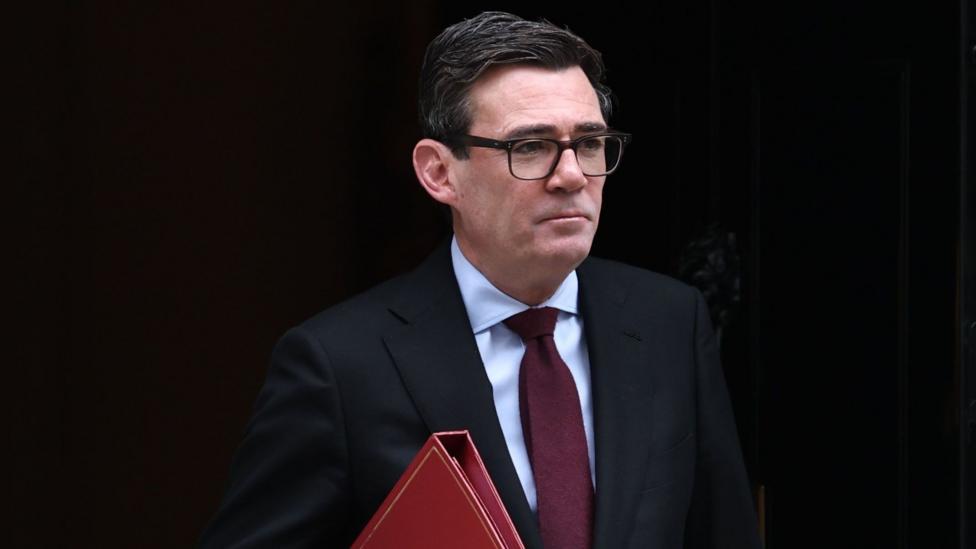
Negotiations between the European Union and the United Kingdom are intensifying ahead of a summit scheduled for Friday, 20 November 2026, in Brussels, with Downing Street characterising the discussions as "going down to the wire." The talks aim to establish fresh agreements on food trade regulations, youth mobility schemes and carbon emissions pricing—three areas where both sides have identified potential for mutual benefit.
According to BBC News, the prime minister's spokesman indicated that if negotiators reach a deal, the government will present legislation to Parliament the following week to implement the agreed changes. The spokesman also stated that Brexit had produced "more harm than good," framing the upcoming agreements as an opportunity to reverse some of the economic consequences of the 2016 referendum decision.
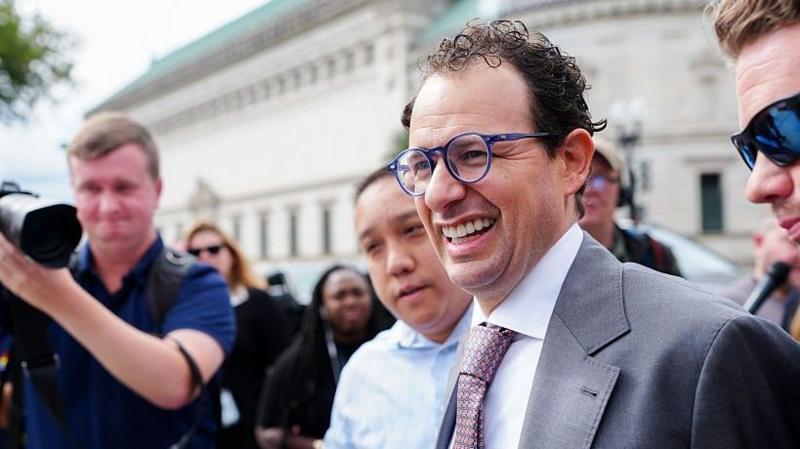
Prime Minister Andy Burnham has previously argued that the post-Brexit arrangement has cost the UK more than it has delivered. Burnham has claimed the proposed deals could add £10 billion annually to the UK economy by 2040, addressing economic pressures that have accumulated since departure from the bloc.
What is the youth mobility scheme?
One of the central agreements expected to emerge from Friday's summit involves a new youth mobility scheme designed to facilitate work and travel opportunities for young people across both territories. The UK currently maintains similar arrangements with 13 non-EU countries, including Australia, Canada and India.
In 2024, the EU proposed permitting individuals aged 18 to 30 to work or study within EU and UK jurisdictions for periods of up to four years. When Labour was in opposition, the party rejected this proposal, contending it amounted to a reinstatement of freedom of movement. Since assuming office, the government has signalled willingness to consider a more restricted arrangement incorporating a time limit, a numerical cap on arrivals in the UK and a prohibition on participants accessing welfare benefits.
The draft youth scheme would permit individuals from the EU and UK to reside for up to three years for work, study, au pairing, volunteering or travel, representing a narrower scope than the original EU proposal. The UK's insistence on limiting numbers has emerged as a significant point of contention in the negotiations, alongside the EU's demand that European students pay identical tuition fees at UK universities as domestic students.
How could the food trade agreement reshape business costs?
A prospective accord on food and drink commerce could substantially reduce the checks and administrative burden currently facing food companies exporting to the EU. The government projects this arrangement could contribute £5 billion to the economy and reduce food prices for consumers.
However, such an agreement would likely require the UK to align with specific EU standards governing products—including regulations on gene-edited crops and labelling requirements. The government's summit factsheet indicates the proposed food-and-drink deal would remove the vast majority of "Not for EU" labels once fully implemented. A leaked draft summit text reportedly sets 1 March 2028 as the start date for removing most agrifood border controls and certification requirements.
What role will carbon emissions pricing play?
The government estimates that linking the UK and EU emissions trading systems could generate up to £3.8 billion annually and protect UK exporters from EU carbon-border adjustment charges. This mechanism would align the two territories' approaches to pricing carbon emissions, creating a unified framework for businesses operating across both markets.
What is the broader political context?
Conservative leader Kemi Badenoch has criticised the government's negotiating position, accusing Prime Minister Burnham of "giving up the freedoms Britain voted for" in the 2016 referendum. In a statement published in the Daily Mail, Badenoch argued that
"The three central purposes of Brexit were control over our money, over our laws and over our borders. On each of those, Burnham is moving us backwards."
The government's spokesman responded by framing the choice before voters as binary:
"The choice over the coming days is clear: stand with Boris Johnson and Kemi Badenoch defending a broken status quo, or with Andy Burnham delivering change, cutting costs for business, helping with the costs of the weekly shop and creating opportunities for young people."
This summit represents the second formal UK-EU summit since the government took office; the first was held in London in May 2025, when the sides agreed a renewed strategic partnership. EU diplomats have reportedly signalled that they expect the UK to articulate a comprehensive long-term strategy for its relationship with the bloc, rather than continuing to negotiate isolated sectoral agreements.
What developments lie beyond Friday's summit?
A leaked draft of the summit agreement reportedly encompasses cooperation extending beyond the three primary areas of focus, including defence industry collaboration, economic security measures and access to the EU electricity market. Negotiations on further cooperation are scheduled to conclude in 2027, with a digital partnership expected to launch in early 2027.
The government is preparing to present options for the UK's longer-term relationship with the EU around the time of its 10-year plan, scheduled for 17 December 2026. This timeline suggests that Friday's agreements, while significant, represent an intermediate step in a broader recalibration of UK-EU relations.
Key Facts
- The UK-EU summit takes place on Friday, 20 November 2026, in Brussels, with three main agreements under negotiation: food trade rules, youth mobility and carbon emissions pricing.
- The government projects the food trade deal could add £5 billion to the economy, while the emissions trading link could be worth up to £3.8 billion annually.
- The proposed youth mobility scheme would permit individuals aged 18 to 30 to reside for up to three years, with numerical caps and benefit restrictions distinguishing it from freedom of movement.
- A leaked draft indicates agrifood border controls would begin removal on 1 March 2028, with further negotiations on broader cooperation scheduled to conclude in 2027.