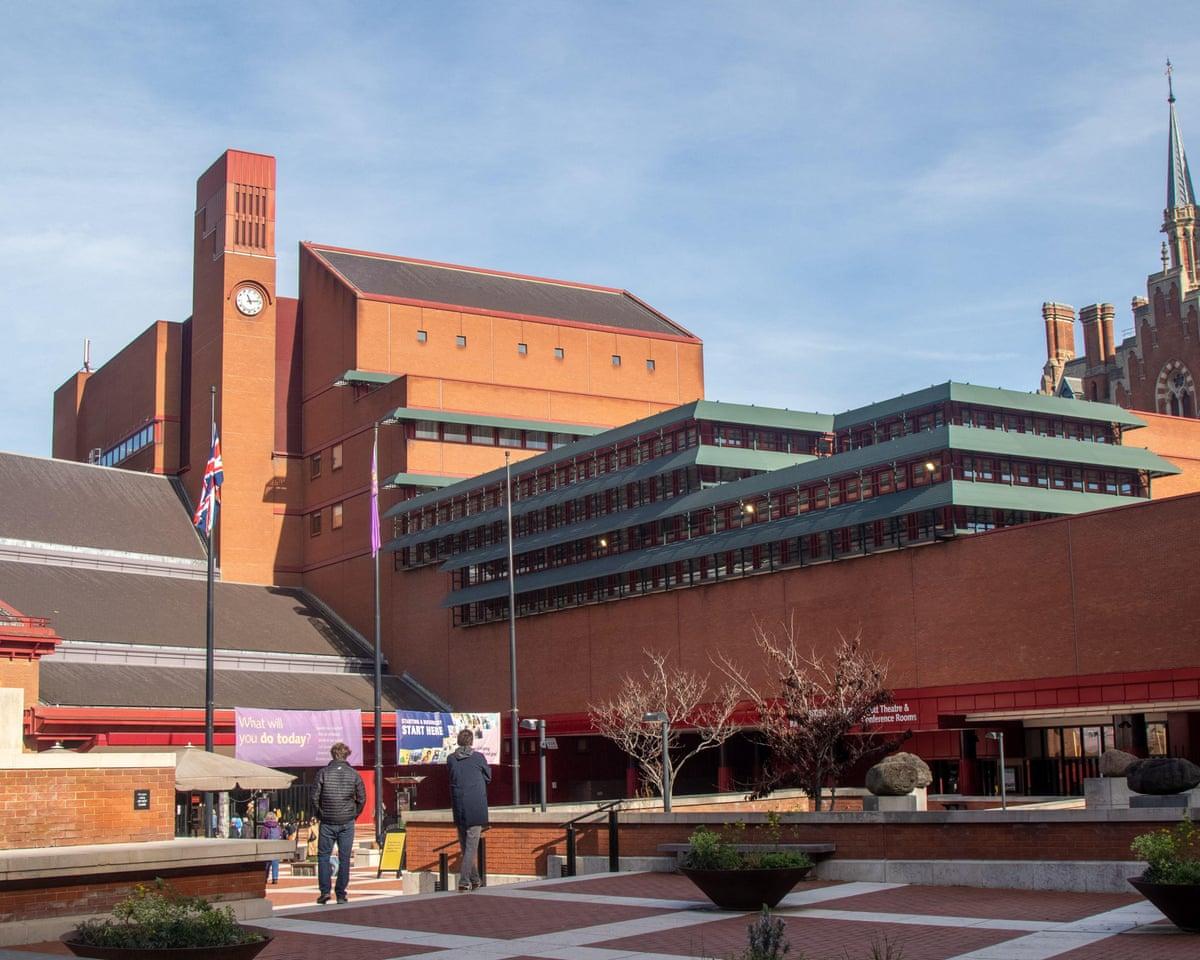
The British Library is planning to transfer nearly 70 security staff to a private contractor and convert three of its public reading rooms into commercial business spaces for hire, a move that has triggered union anger and questions about the use of public funding. According to The Guardian, guards have been informed their positions will move to STM, a private company, on 1 December, with the union representing them reporting that STM has declined to recognise collective bargaining rights.
The PCS union is conducting a ballot for industrial action in response to what it characterises as management's poor approach to labour relations. The union's culture group secretary, Nick Marro, raised concerns about government investment in the library's reading rooms being immediately converted to private use, noting that the Department for Digital, Culture, Media and Sport was understood to be investing up to £14m in renovating these spaces.
What spaces will be affected?
The library intends to close the Science and Social Science Reading Rooms and transform them into a privately operated "flexible business workspace". According to the British Library's official announcement, the change will affect approximately 20% of the reading desks at the St Pancras site, with sources indicating a loss of around 340 reader desks. The library states that more than 1,100 seats across its remaining eight St Pancras reading rooms will continue to be available for study and collection access.
The new workspace is designed to offer resident and hot desks, office rental, and meeting-room hire, including support for small businesses through free business-advice centres, according to the library's statement.
Why is the library making these changes?
The British Library has cited financial pressures and changing research patterns as justification for the proposal. On its website, the institution notes significant demand for high-quality workspace in London while acknowledging it is "running a financial deficit". The library projects spending approximately £7m more than its total income this year and points to declining in-person visits to reading rooms as online demand has increased.
The library estimates that income generated by the new flexible business workspaces will contribute substantially towards maintaining its core services, including free reading room access. However, union representatives dispute this reasoning, with Marro arguing that the library has not adequately accounted for the impact of a previous security breach that caused complete system access loss and the pandemic's effect on usage patterns.
What are the concerns about public funding?
Fran Heathcote, the PCS general secretary, has written to Culture Secretary Lisa Nandy requesting urgent intervention, questioning why a government department would invest in a resource only to privatise it.
"What on earth is a government department doing investing in a resource only to privatise it, and outsourcing workers and stripping them of union recognition?"she wrote in the letter.
The union points out that at the Labour party conference, the first secretary announced an insourcing unit promising to deliver on a pre-election pledge of "the biggest wave of insourcing in a generation". In June 2026, the government announced an ambition to end "outsourcing by default" and introduced a Public Interest Test, with security identified among services that could be returned in-house, according to the PCS petition.
Internal documents seen by The Guardian include a British Library presentation slide stating that fitting out the space would cost between £8m and £13m. The DCMS initially denied that multimillion-pound refurbishment funding had been allocated, though insiders suggested the funding may simply not have been formally allocated yet.
How will this affect workers?
Almost 70 security staff—including guards, supervisors, and managers—will have their employment transferred to STM on 1 December. Some patrol the reading rooms while others monitor CCTV systems. The library has not stated that any positions face immediate redundancy but has refused to rule out future redundancies or restructuring.
Marro argued that closing reading rooms and eliminating hundreds of reader desks would inevitably lead to job losses, stating:
"It's impossible to envision a situation in which they're going to be closing reading rooms and losing hundreds of reader desks, without redundancies."The PCS union is balloting for strike action over the outsourcing decision and the rejection of union recognition by the private contractor.
What is the impact on researchers and students?
The PCS is questioning why the library would privatise reading rooms that serve as vital resources for students, academics, and other researchers. Marro noted that accessing a desk at the reading rooms is already difficult, with the library's claim of falling usage over the past five to ten years being "slightly disingenuous" given the impact of the security breach and pandemic-related closures.
The library holds more than 150 million items, including a copy of Magna Carta, and has historically been used by prominent researchers including Charles Darwin. Marro suggested that such historical figures would be troubled by the current plans, as would contemporary scientists facing already constrained access to workspace.
What happens next?
According to the British Library's statement, the physical spaces will not change before summer 2027 at the earliest. The library plans to develop a relocation plan and share details with readers before any changes occur. The PCS industrial-action ballot is reported to remain open until early December, with a PCS petition opposing the plans having gathered more than 16,000 signatures as of mid-November.
The British Library declined to confirm the funding figures, initially suggesting it does not recognise them. The institution stated that its "commitment to science remains steadfast" and that "the new space will enable businesses, researchers, entrepreneurs and innovators to work and collaborate at the heart of London's Knowledge Quarter, while generating income that can be reinvested in the library." STM has been contacted for comment but has not yet responded.