

Thousands of sheep changed hands at the annual Lairg lamb sale in Sutherland on 19 August 2026, but auctioneers said far fewer buyers travelled from England this year after drought conditions left pastures south of the border too dry to support incoming flocks.
United Auctions, which runs the sale, said the shortage of English buyers was a direct consequence of the summer's dry weather rather than any drop in demand for the Sutherland-bred lambs themselves. Managing director Donald Young explained the shift in attendance to Scottish broadcasters.
There were not so many buyers from south of the border because there is no grass down there. Buyers were predominately from Aberdeenshire and the rest of Scotland.
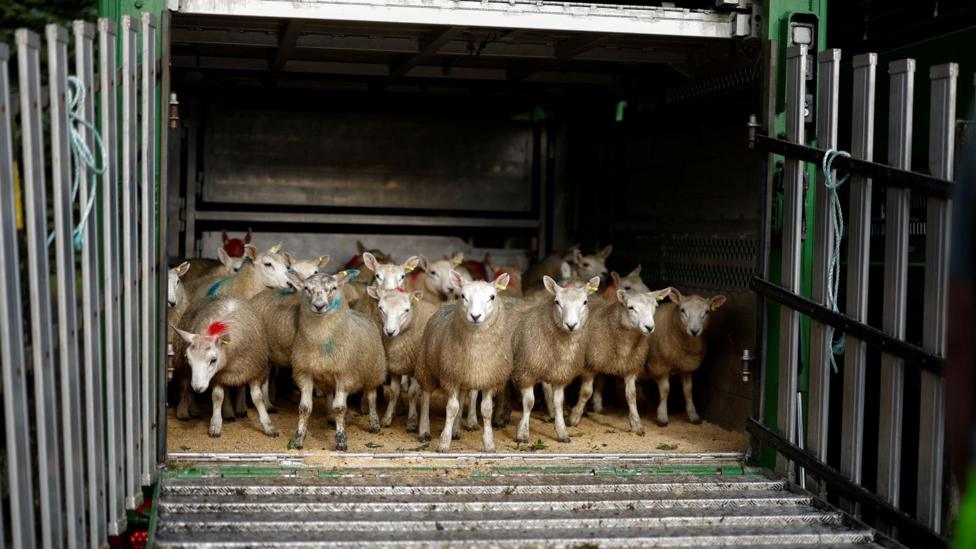
The animals sold at Lairg, many of them Cheviots, are born on farms and crofts across Sutherland before being bought on to be raised further on farms elsewhere in Scotland and in England.
How many sheep were sold and for how much?
A total of 8,633 lambs went through the ring on the day, roughly 1,000 fewer than the previous year's sale, though the event has seen as many as 20,000 animals sold in past years. Despite the smaller turnout of buyers, prices held up well.
Wedder lambs, the males reared for meat, averaged £101 a head, about £8 more than last year. Ewe lambs, the females capable of breeding, fetched an average of £147, an increase of almost £34 on 2025 prices.
Why does the sale matter so much to local farmers?
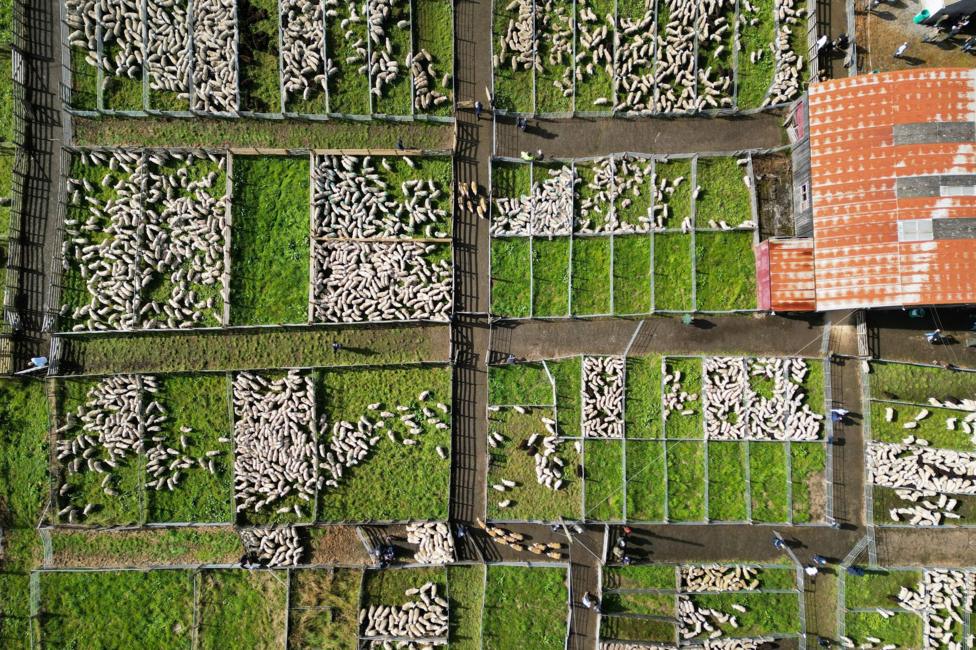
For many smallholders and crofters in Sutherland, the Lairg sale represents the bulk of their annual income from sheep farming. Donald Young stressed the significance of the day for producers of all sizes.

This is a big day of income for a lot of the farmers. For some of them it is their entire year's sheep stock that is being sold, and it is not just the people with hundreds but the people with 10, 20, 30 lambs. For the crofters as well it is their main day's income. It's very important to them.
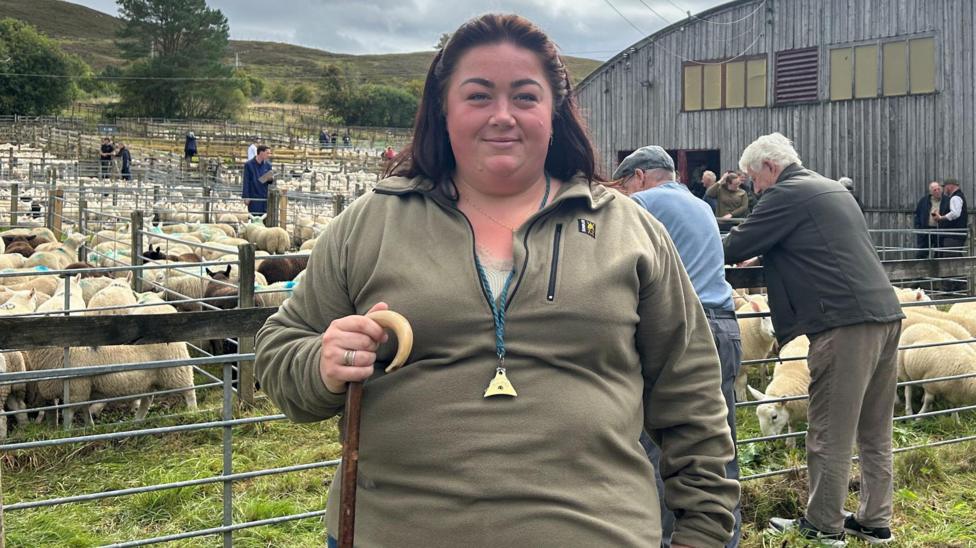
Shepherdess Cara Lowe said there had been genuine worry in the run-up to the sale that the reduced number of English buyers would leave too few bidders for the flocks on offer.
I think everybody was a bit scared there wouldn't be enough buyers around the ring, but it looks like a good turnout.
She added that the sale remained a highlight of the farming calendar.
Lairg is always a fantastic day. This is the money-making day, it is our time to show what we have produced over lambing time.
How severe is the drought affecting English farms?
The scale of the problem facing English producers has continued to grow through August. According to a government drought briefing covering 7 to 13 August 2026, 71% of England remained in drought, with poor grass growth continuing to squeeze livestock farmers and depleting winter forage supplies. The same briefing noted that England had received only 6% of its long-term average rainfall for August by that point, with reservoir storage standing at 65.9% on 11 August.
The picture had been worsening for weeks. A report on 10 August identified the East Midlands, Lincolnshire and Northamptonshire, Kent and Sussex, and the Solent and South Downs area as newly classified drought regions, according to a national broadcaster's report. Earlier still, an Environment Agency update broadcast on 30 July had already put half of England in official drought, as noted in a radio update from the agency, while separate reporting on 2 August found England had recorded just 5.6mm of rain up to 30 July, only 8% of the long-term average for that stage of the month, according to a broadcaster's coverage of the figures.
Separately, drought was formally declared across the whole of Wales at the end of July, adding further pressure on grazing land across the wider British countryside this summer.
How does this fit into the wider pressures on British sheep and livestock farming?
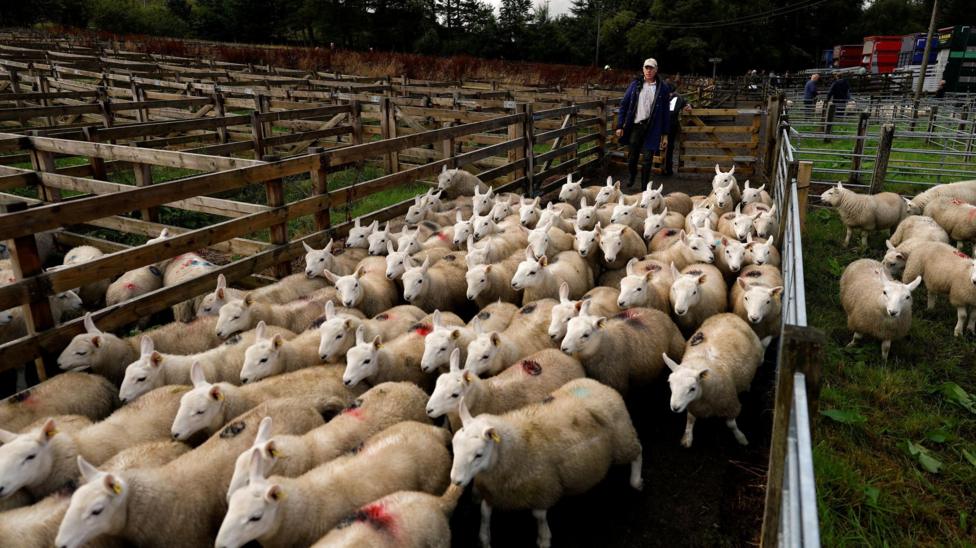
The disrupted buying pattern at Lairg comes against a backdrop of broader strain on UK sheep farming, which has already been grappling with rising costs and shifting subsidy arrangements, as detailed in our earlier coverage of the sector's decline. Scotland's flocks have also faced a separate animal health threat this year, after a farmer near Creetown reported the country's first case of bluetongue disease, part of an outbreak that has now spread to four farms in Dumfries and Galloway, as covered in our report on the bluetongue outbreak. Meanwhile, wool prices have surged more than 70% over the past year to a decade high, a trend linked to shrinking flocks nationally, according to our analysis of the wool market rebound.
What happens next?
The next official update on conditions in England is expected in the government's drought summary report covering 14 to 20 August 2026, which will show whether the dry spell affecting grazing land has eased or deepened further, according to the latest government drought briefing. Farmers on both sides of the border will be watching closely, given the direct link already shown between rainfall levels and cross-border buying at events such as the Lairg sale.
Key Facts
- 8,633 lambs were sold at the Lairg auction on 19 August 2026, about 1,000 fewer than the previous year.
- Wedder lambs averaged £101 a head, up roughly £8 on last year; ewe lambs averaged £147, up almost £34.
- English buyers were largely absent due to poor grazing caused by drought, with most bidders coming from Aberdeenshire and elsewhere in Scotland.
- 71% of England was in drought as of the 7-13 August 2026 government briefing, with August rainfall at just 6% of the long-term average.
- Drought was declared across all of Wales at the end of July 2026.


