

Fiona Johnson had only recently relocated her family and a handful of newly bought animals to a farm near Creetown in Dumfries and Galloway when one of her lambs became the first confirmed case of bluetongue virus in Scotland. The lamb, which had been unwell but showed none of the disease's classic symptoms, was later euthanised on welfare grounds after gut problems worsened, and a subsequent test confirmed it had contracted the virus.
Fiona had moved roughly 350 miles from a small Bedfordshire village to the Scottish coast earlier this year, arriving with no livestock beyond her dogs and children. Within four months she had bought a small number of animals locally to raise for meat, only for her young farm to be thrust into the centre of a mounting animal health concern.
Experts suspect that midges carrying the disease were carried across the border on the wind from England, where 439 cases have already been recorded. Fiona described the outbreak on her farm as simple misfortune rather than any failing on her part.
"For them, I feel guilty," she said. "Farmers local to us are on a much larger scale, they have thousands of sheep up on the hill."
"Although we'd done absolutely nothing wrong, I felt awful."
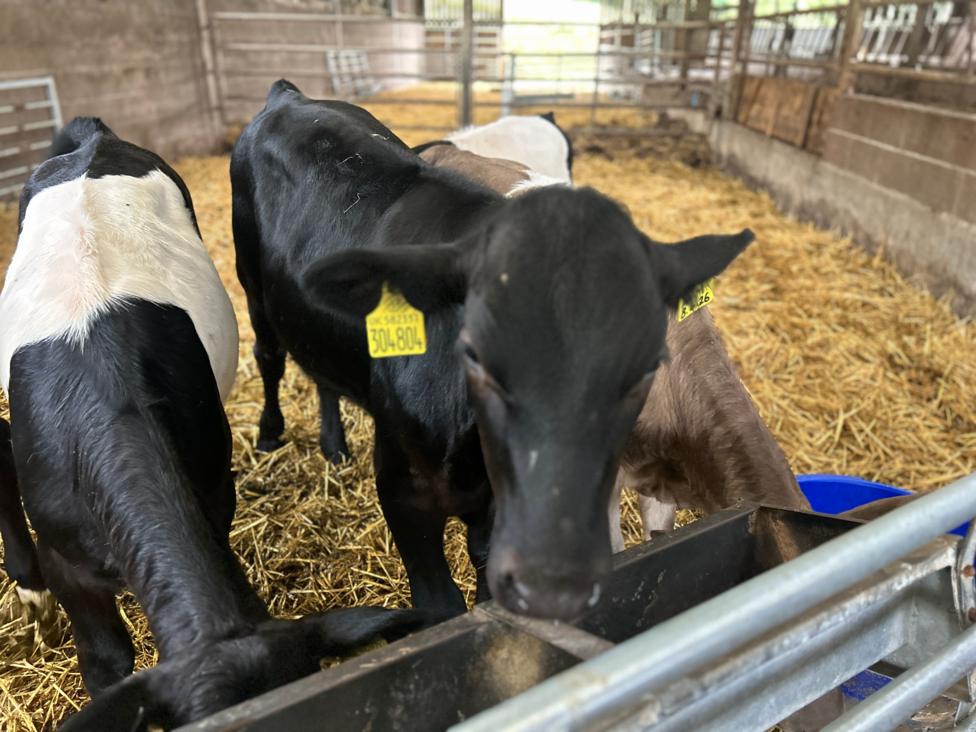
What is bluetongue and how dangerous is it?
Bluetongue serotype 3, known as BTV3, poses no risk to humans or to food safety, but it can be lethal for infected sheep and cause fertility problems in cattle. Affected animals may show nasal discharge, swelling and redness around the lips, nose and muzzle, lameness or an unwillingness to stand, reduced milk yield, and diarrhoea in cattle.
Fiona grew up on farms and has previously witnessed the damage the virus can cause, even though her own family never had a confirmed case. She recalled the financial strain of vaccinating an entire flock as a precaution in the past, and said she had been following reports of the disease spreading rapidly through England.
Despite that awareness, she decided against vaccinating her own animals this time, reasoning that they were being raised for meat rather than breeding and that the nearest confirmed case in England was still some distance away.
"We thought we were a bit safer," she said.
"It was in the back of our minds that it was a potential possibility, but because we were so far away from the cases closest to us, we sort of thought the chances are pretty slim."
How has the outbreak developed in Dumfries and Galloway?
Scotland's first confirmed case was reported on 11 August 2026 after the Creetown lamb tested positive, as detailed in our earlier coverage of the first confirmed Scottish case, which noted the UK-wide outbreak had by then grown to more than 330 cases. A third case near the same area followed on 14 August 2026, according to our report on the third Dumfries and Galloway case, even though official government figures at the time still listed only two Scottish cases.
Fiona said she felt her heart sink when the test result on her lamb came back positive, particularly because of the risk that the virus could spread further afield and grow into a much larger problem for the region.

Four farms in the Creetown area have now been affected within a little over a week, including the first confirmed case in a cow. Scotland's chief veterinary officer, Sheila Voas, has urged farmers to vaccinate their sheep and cattle, although demand has begun to outstrip supply in some areas.
John Hamilton of Ark Vet Centre in Lockerbie said the practice held 20,000 doses of vaccine at the start of the week, but that stock was exhausted within 48 hours.

Hamilton said the emergence of the first Scottish case caught many by surprise, though he believed it was only a matter of time before the virus crossed the border.
"I believe the working theory is that wind direction has taken midges across from England - I think that just shows how sporadic the disease can be and that everyone is on an even risk," he said.
"It's not just a case of monitoring south of the border, but trying to be vigilant and making early decisions to protect the flock and herd."
He added that the case served as a significant warning for Scotland's farming sector, though he believes the virus can likely be contained if vaccine supplies improve.
What impact could this have on farmers financially?
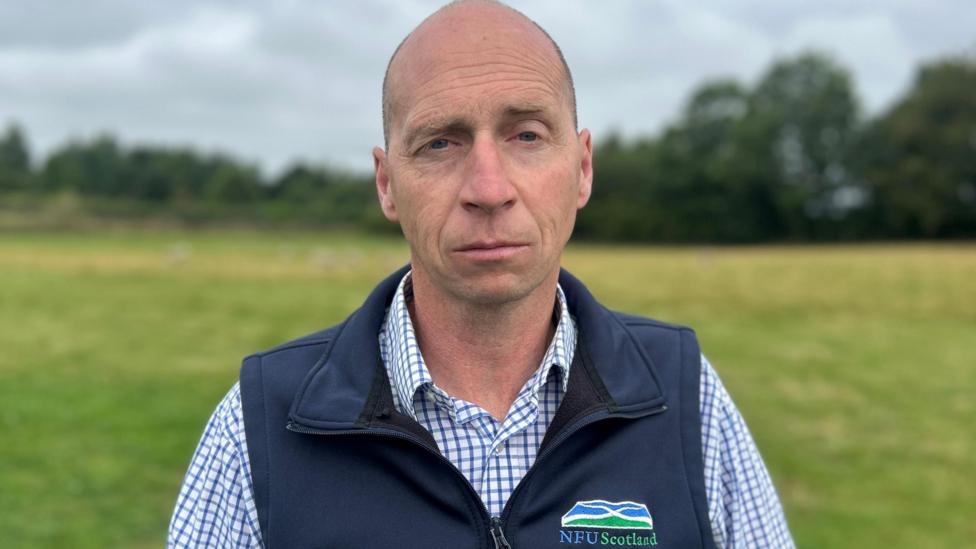
Farmers across the region could face serious disruption if authorities impose restrictions on moving livestock, particularly with the breeding sale season approaching. John Cowan, regional manager for NFU Scotland, said members were treating the situation with real concern rather than indifference.
"If there's any restrictions that stop them getting their lambs and breeding sheep to market, it's going to have a real big ongoing impact financially and on welfare," he said.
Cowan said the situation remained fluid and that there was a genuine possibility the virus could continue to spread through the region.
Every animal confirmed to have the virus in Scotland has so far been culled. Fiona said she hopes this approach will be enough to prevent further spread, while acknowledging the toll the outbreak is already taking on the wider farming community.
"It's not nice for anybody," she said. "We know all our animals individually and it's not nice to think another five could have had it."
"Whether they're farmers that have got two thousand sheep out on the hill, they're still counting their sheep every day and making sure they're OK. It's a massive hit on them financially and emotionally."
The concern echoes experiences already reported south of the border, where a Devon farmer earlier described feeling isolated as bluetongue spread through her flock, with English case numbers climbing sharply through the summer, as covered in our earlier report on the emotional toll of the outbreak in Devon.
Key Facts
- Scotland's first bluetongue case was confirmed in a lamb on the Johnson family's farm near Creetown, Dumfries and Galloway.
- England currently has 439 recorded cases, with midges believed to have carried the virus north on the wind.
- Four farms in the Creetown area have been affected within just over a week, including the first confirmed case in a cow.
- Vaccine supplies are running short, with one Lockerbie vet practice exhausting 20,000 doses within 48 hours.
- All animals confirmed positive for the virus in Scotland have been euthanised.


