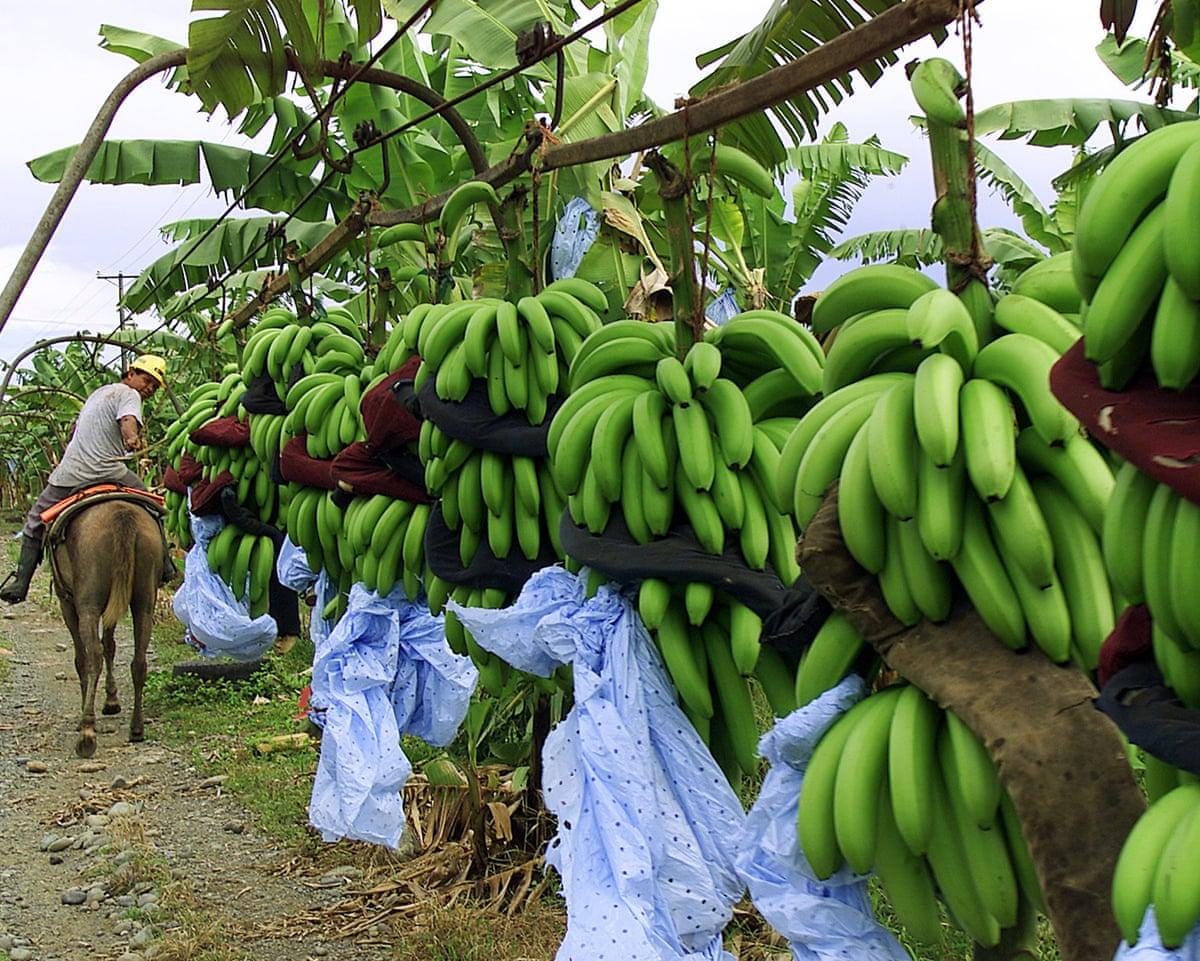
Banana producers across Latin America are pressing for improved compensation to manage the fallout from the climate crisis, as extreme weather tied to this year's powerful El Niño event triggers substantial production declines. According to The Guardian, the sector faces mounting pressure from destructive weather patterns that threaten both supply and profitability across major producing regions.
Severe conditions are already materialising across key suppliers. Colombia, a leading exporter to UK markets, has experienced damaging high winds, while Peru and Ecuador contend with torrential rainfall, according to the Fairtrade Foundation. Forecasts indicate that some regions will encounter drought conditions with temperatures and dryness above historical norms during the coming months.
Historical data underscores the severity of El Niño's impact on banana cultivation. During the previous El Niño cycle, productivity among Fairtrade-certified farmers and workers fell by 13% in the Dominican Republic, 22% in Colombia, and 6% in Peru relative to the preceding year. The exceptionally strong 1983 El Niño event affected 15% of Ecuador's total planted banana area, resulting in a 36% reduction in exports from that nation.
The current event is expected to prove even more damaging. Dr Carley-Jane Stanton, climate and environment lead at Fairtrade, stated that this El Niño will likely trigger more severe weather extremes, including intense rainfall and powerful winds, with consequences for producers anticipated to exceed those experienced during the 2023-24 cycle.
Recent trade data confirms these concerns are materialising rapidly. Shipments from Colombia's Caribbean region fell 32% to $122 million (£91 million) between July and September this year, according to the Association of Banana Growers of Magdalena and La Guajira, as reported by trade publication Fruitnet. September alone saw shipments plummet 42% year-on-year, with earnings nearly halving from $70 million to $40 million.
The association issued a statement emphasising the urgency of the situation:
Given the risks threatening the continuity of banana production, we are calling on international markets to foster commercial conditions that recognise actual production costs and contribute to the sector's sustainability.The group identified climate-driven productivity losses combined with declining export revenues, exacerbated by currency fluctuations, as factors
undermining the economic sustainability of the industry.
Workers on the ground report mounting hardship. Ever Antonio Flores Muños, employed at the Agrosiete banana producer in Colombia, told Fairtrade:
Over the past 10 years the climate has changed a lot. It's been getting much hotter … it's really intense. Some places have had losses due to the climate, flooding, strong winds. It's going to affect all of us – our workers, colleagues – everything will be at great risk, and our wages will decrease.
What are the underlying cost pressures?
The financial squeeze facing producers extends beyond weather damage. Research by the Ethical Trading Initiative found that prices paid to suppliers in 2026 failed to cover basic production costs for 66.7% of them, while 83.3% of banana suppliers reported that 2026 prices did not cover profit margins. This pricing crisis persists despite bananas becoming progressively harder and more expensive to cultivate—supermarket prices have remained static for nearly 40 years despite rising costs for fertiliser, fuel and labour.
Caoimhe Buckley, chief corporate affairs officer at major supplier Fyffes, highlighted the interconnection between purchasing practices and sector viability:
The long-term sustainability of the banana sector … cannot be separated from purchasing practices. The price of bananas in the supermarket needs to recognise the real and sustainable cost of production, including labour and decent wages, environmental management, human-rights due diligence and the investment necessary to adapt to climate change.
What policy changes are being sought?
Fairtrade is advocating for UK legislation to eliminate unfair trading practices, including delayed or inadequate payments to farmers and contracts that transfer risk down the supply chain. Such measures would enable producers to invest in strengthening their crops' resilience to severe weather and reducing vulnerability to pests and diseases. Worker health and safety are also expected to deteriorate under more extreme climatic conditions without intervention.
Some major retailers have taken voluntary action. Sainsbury's, the Co-op and Waitrose have committed to sourcing exclusively Fairtrade-certified bananas, which guarantee a minimum price floor. However, Fairtrade argues that broader systemic change remains necessary. Eleanor Harrison, chief executive of Fairtrade, stated:
The UK's banana supply depends on the people growing our bananas having the resources they need to adapt to climate change, and to invest in their future. Fair prices, climate resilience and decent work go hand in hand.
What long-term climate risks threaten production?
The challenges facing producers today foreshadow more severe disruptions ahead. Research commissioned for the Inter-American Development Bank and published in 2020 projected that suitable land for banana cultivation could shrink by an average of 61% across Latin America and the Caribbean by 2050, driven by shifting climate patterns. This contraction would further concentrate production in fewer regions and intensify competition for viable growing areas.
What recent action has been taken on pricing?
In response to mounting pressure, Fairtrade announced a price adjustment for its banana certification scheme. Fairtrade raised its Minimum Price for bananas, with an average increase of 5.6% at Ex Works level and 3.9% at FOB (Free on Board) level, effective for producer contracts commencing on 1 January 2027. The price review drew on validated production-cost data and consultations spanning 47 Minimum Prices across nine origins and two country clusters.
Fairtrade's banana standards, which have included a Base Wage since July 2021, already require plantations to develop negotiated plans toward achieving a full living wage. The revised pricing structure aims to better reflect the genuine costs of sustainable production while supporting workers' income security.