Airbnb hosts in Wales are expressing serious concerns that new platform rules preventing guests from being asked to perform cleaning tasks will disproportionately affect the Welsh holiday rental market. The changes, which take effect for bookings made globally from 20 November 2026, prohibit hosts from requesting guests complete jobs typically handled by professional cleaners, including washing dishes, stripping beds and removing rubbish. According to BBC News, property owners argue the policy will intensify pressure on an already strained sector.
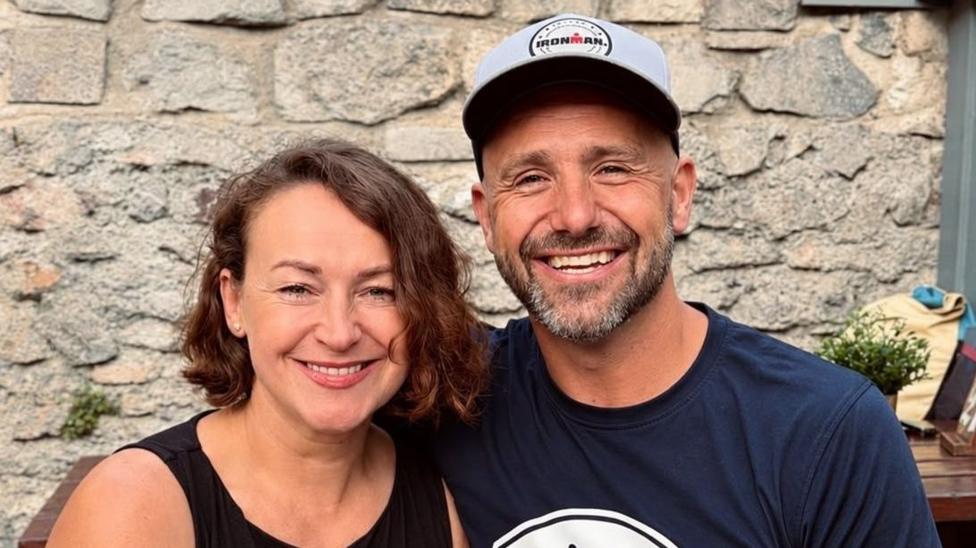
Gavin Rowlands, 37, who operates a holiday let in Neath Port Talbot with his wife Kelly, contends that Wales faces a uniquely difficult situation compared to other parts of the UK. The Welsh government's business rates system requires properties to be available for at least 252 days annually and let for a minimum of 182 days to qualify for favourable tax treatment—significantly stricter thresholds than England's 140-day availability and 70-day letting requirements. This disparity forces Welsh hosts to pursue rapid same-day turnarounds between guests, making the new restrictions on guest cleaning contributions particularly burdensome.
Despite working two jobs alongside managing their holiday let, Rowlands and his wife have struggled to meet the threshold, resulting in them paying 200% council tax on their property. "The harder we're working, the worse off we are," Rowlands explained. "We've got to get our numbers up to help pay the bills."
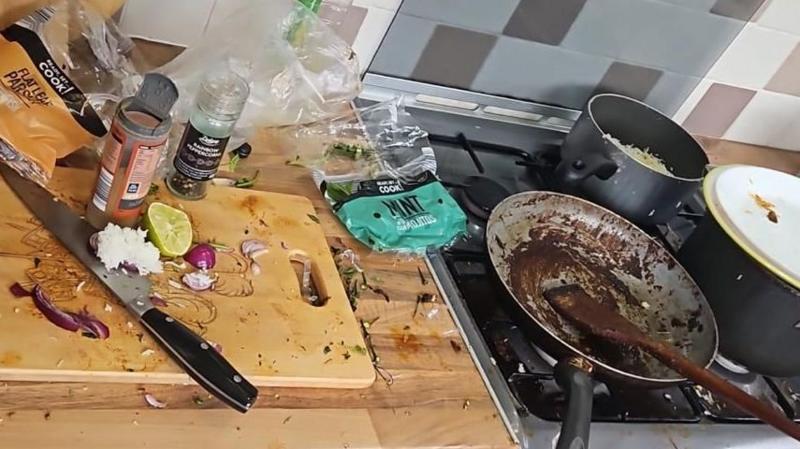
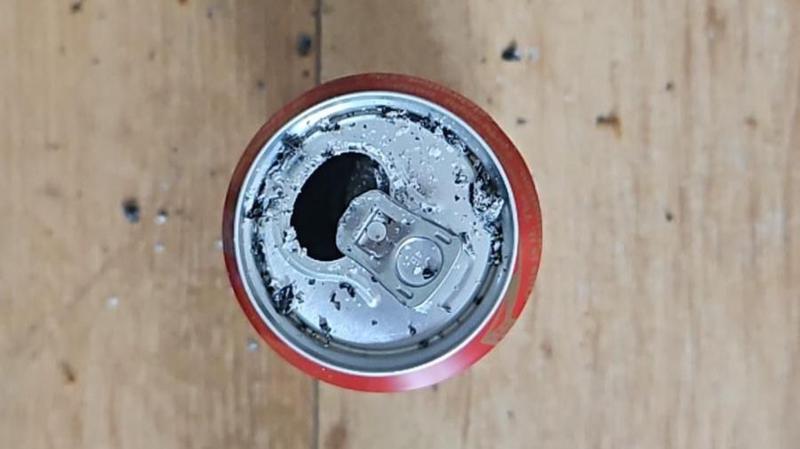
In May, Rowlands and his wife were left shocked after guests departed their property leaving empty cans, unwashed pans and plates with food residue scattered throughout. He emphasised this was not an isolated incident. "It's only going to get worse. It's really disheartening," he said, noting that despite Airbnb's existing guidelines asking guests to treat the host's home respectfully, such behaviour persists.
Rowlands and his wife share cleaning responsibilities for their holiday let and employ a part-time cleaner to manage costs. The property is regularly left in unsuitable condition following guest departures, adding to their workload.
What exactly are the new Airbnb rules?
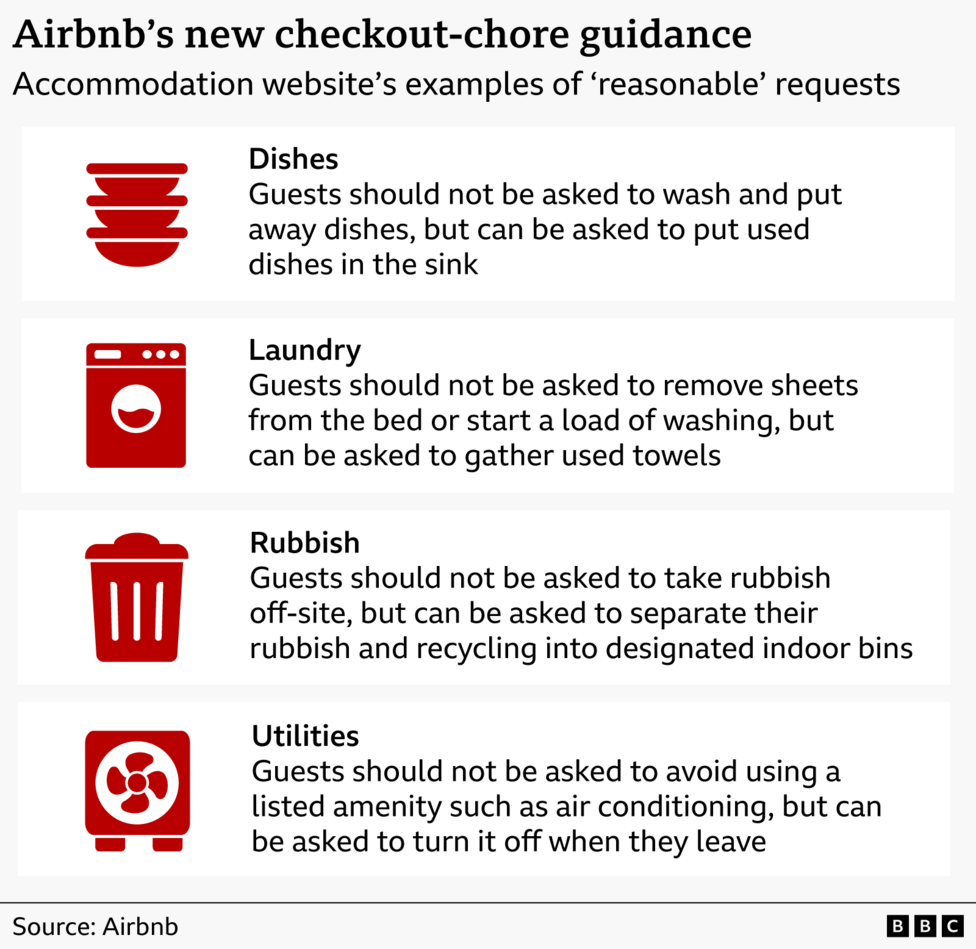
Airbnb's redesigned house rules framework allows hosts to establish seven standard rules alongside other "reasonable" requests. The platform stated the changes were implemented to "help guests understand what hosts expect." However, the policy explicitly prohibits hosts from requesting tasks normally performed by professional cleaners, even though guests pay a separate cleaning fee.
According to ABC News, Airbnb's policy additionally bars hosts from imposing their own fines and limits separate contracts, with exceptions for certain legal requirements and specified cases. Airbnb will begin reviewing listings on 20 November 2026 and continue initial reviews through March 2027; hosts flagged for non-compliant rules will have at least 20 days to revise them or appeal.
In a statement, Airbnb said:
House rules help guests understand what hosts expect, but we've heard from our community that they can be confusing, onerous and hard to manage. So, we've redesigned them to make them easier to discover and clearer to set, alongside a new policy that keeps requests reasonable, with no surprises.
How are other Welsh hosts responding?
Not all property owners share Rowlands's concerns. Matt Porsz, who hosts and manages multiple Airbnb properties full-time, believes the update will enhance the guest experience without significantly altering most guests' behaviour. His properties require guests only to lock up and return keys.
People sometimes strip the beds or do things without me asking and that's nice for my cleaners, but I don't expect it.
However, Guy Allen, 63, and Emma Enticott, 52, who operated a holiday let in Mumbles on the Gower Peninsula, took a different approach. They requested their agent remove their property from Airbnb following the announcement of the new rules.
If they change their policy we will go back on it,Enticott stated.
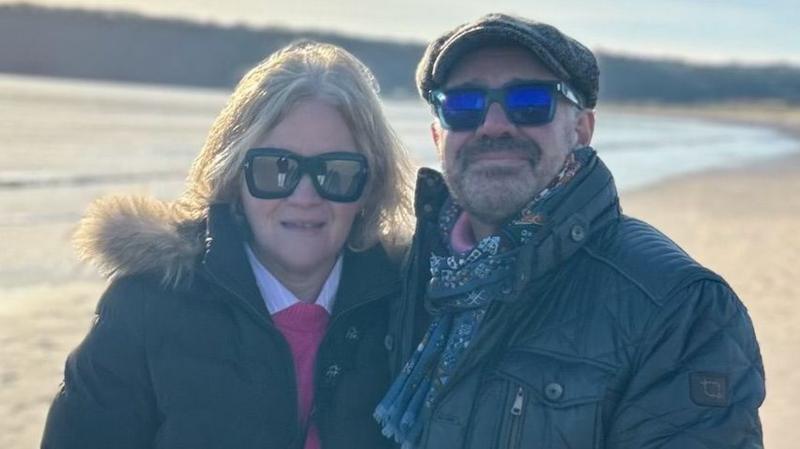
Allen expressed frustration with the policy shift, saying:
It's just daft... for those people who aren't going to respect the property, it just gives them carte blanche to not. It's also about the respect for our housekeeping team as well, you know, they shouldn't have to come in and start clearing up other people's mess.
Allen identified same-day changeovers as one of the "biggest problems" created by the rule changes, directly linking this challenge to Wales's 182-day business rate threshold.
We're battling on a lot of fronts to build a successful business. Anything that adds to the pressure is not good. We are under siege as an industry.
What impact will this have on cleaning companies?
Professional cleaning services specialising in holiday let turnarounds face particular challenges from the new policy. Jamie-Lee Presley, 37, from Llannon, Carmarthenshire, operates a cleaning company with her husband Alex that focuses exclusively on Airbnb and holiday let changeovers. She expressed nervousness about the upcoming changes, worrying they could
open the door for already inconsiderate guests to become even more inconsiderate.

Presley emphasised that respectful guests have always maintained properties properly and are not the problem.
It's the guests who already have absolutely no respect for other people's property that concern me.She noted that her team already operates under severe time constraints.
We have same-day check-ins, multiple properties to service, cleaners travelling between locations, linen to change, bathrooms to sanitise, kitchens to clean and incredibly high standards to maintain. When guests leave a property in an unacceptable condition, that doesn't just affect one cleaner. It can affect the entire day's schedule, the next arriving guests, the property owner and ultimately the reputation of the businesses involved.
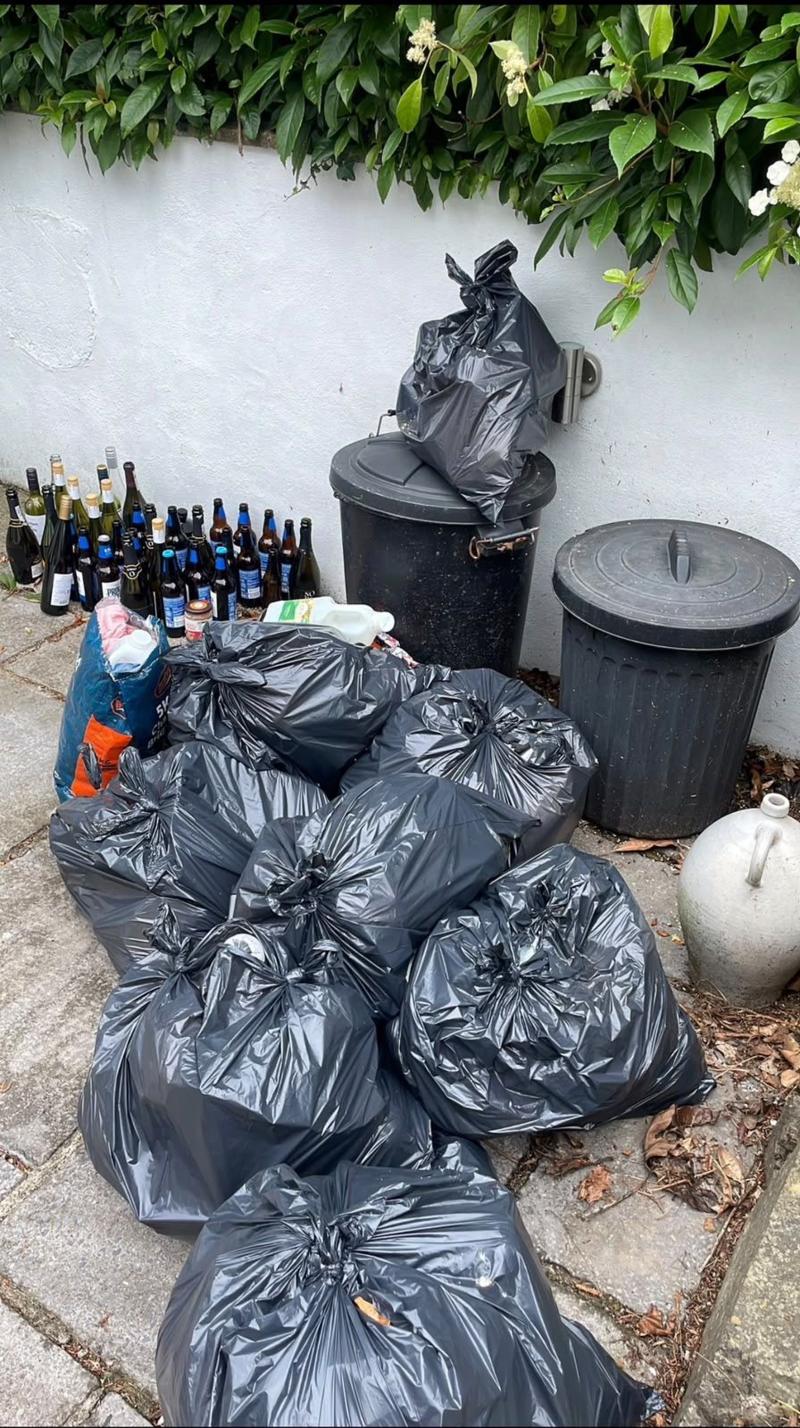
Presley's company once removed more than 20 bags of rubbish from a single Airbnb property. Looking ahead, she indicated that her company will likely need to increase service costs to offset the additional burden created by the rule changes.
Krissi Foskett, 46, from Glasgow, who runs a cleaning company and regularly stays in Airbnb properties, can view the issue from both perspectives. During a recent stay in Stafford, she paid a £35 cleaning fee but was still asked to strip beds, start a washing machine, empty bins and carry rubbish to a recycling area.
I don't particularly mind doing those things, but it did make me question what exactly I was paying the additional cleaning fee for,she said.
What is Wales's holiday let tax situation?
Wales's stricter business rates requirements for holiday lets create a distinct challenge compared to other UK regions. Properties must be available for 252 days and let for 182 days annually to qualify for business rates—requirements substantially higher than England's 140-day availability and 70-day letting thresholds. This system incentivises rapid guest turnarounds, making restrictions on guest cleaning contributions particularly problematic for Welsh operators.
In July 2026, the Welsh government launched a 12-week consultation examining
whether the 182-day threshold is set at the right level and what impact a modest reduction might have.The government stated that
legislation would be required to implement any changeswhich could take effect on 1 April 2027.
When asked to comment on the 182-day business rate threshold, the Welsh government referred the BBC to a statement published on 31 July 2026 from finance minister Elin Jones. In it, she stated:
I have heard representations from a number of businesses that are making meaningful contributions to their local economies but are unable to meet the current threshold. This consultation will help us find a solution that works better for everyone, including businesses, local authorities and local areas.
What happens next?
Rowlands indicated he does not plan to leave Airbnb despite his concerns, acknowledging that
these negatives come with using it.However, the combination of Airbnb's new cleaning restrictions and Wales's demanding tax thresholds will likely reshape the sector's economics.
The Welsh government's review of the 182-day threshold could provide some relief, with potential legislative changes taking effect on 1 April 2027. Additionally, Wales's visitor-accommodation licensing scheme is legally due to come into force in March 2030; further consultation on its regulations is planned before then. These developments may offer longer-term solutions to the pressures facing holiday let operators, though immediate relief remains uncertain as the Airbnb rule changes take effect this month.