

The price of British wool has jumped more than 70% over the past year, driven by a shrinking national flock and the clearing of a global stockpile built up during the Covid-19 pandemic. On average, a kilogram of clean shorn wool sold for £2.54 at the most recent auction, compared with less than £1.50 twelve months earlier, marking the strongest market conditions the industry has seen in a decade.
The rally follows a period of hardship for some producers, with certain farmers reportedly burning fleeces in protest at how little they were being paid for their wool. The recovery in prices means many farmers are now more likely to recoup the cost of shearing, even if the higher costs are less welcome for shoppers buying woolly socks and jumpers this winter.
How much further have prices climbed?
According to British Wool, strong demand seen in the second half of 2025 carried through into 2026, with prices improving further and clearance rates remaining high. A February 2026 update from the organisation, cited by British Wool's own market report, said the latest prices were up by as much as 40p to 50p per kilo compared with the 2024 season.
The same report noted that season-to-date average selling prices had risen by roughly 15p to 20p per kilo for core wool types, equivalent to around 40p more per fleece for its members. A separate market update in June 2026 recorded that more than 1,000 tonnes of wool had sold at an average clean price of £2.81 per kilo and an average greasy price of £1.85 per kilo, according to Farmers Weekly.
Separately, Scotland's Farm Advisory Service reported that British Wool's 2025 clip prices were up 32% on 2024, producing an average return of about 68.5p per kilo across all wool types, according to the Farm Advisory Service.
What is driving the demand?
Wyn Williams, who keeps a flock of 700 sheep on the hills above Llanfair Caereinion in Powys, said running a flock remains an expensive undertaking, but rising wool prices are helping offset costs.
We've got professional shearers coming, it's not everybody who can shear.
You've also got your helpers, the wool wrappers and everything else so it assists with the costs.
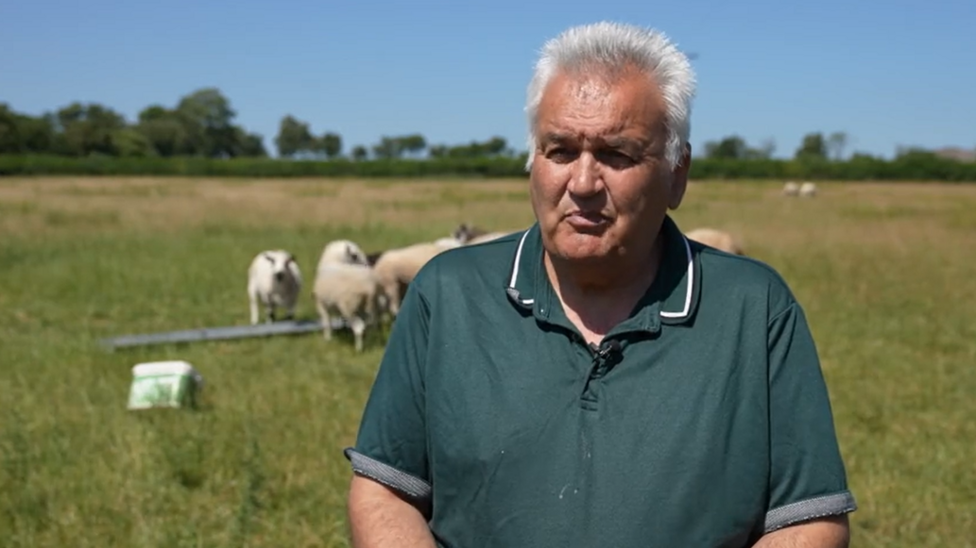
Like the majority of sheep farmers, Williams primarily raises his flock for meat and breeding rather than wool, though shearing remains essential for the animals' welfare.

Most importantly we have to shear from an animal welfare and health perspective.
Who would want a big, strong winter coat still on with the excessive heat we're having at the moment?
Gareth Jones of British Wool said the surge in prices comes down to a straightforward imbalance between supply and demand.
There are less sheep in Wales, less sheep in the UK, producing less wool and if we look at a comparable market like New Zealand, there are less sheep there.
They also had a carry-over of wool since Covid – that's cleared in the last two years.
Beyond the shrinking flocks, British Wool has pointed to stronger demand for British-produced wool products and, in some cases, a shift away from synthetic fibres, according to the Farm Advisory Service. The same report credited successful marketing campaigns with boosting consumer awareness of British wool as a brand.
Where does the wool actually go?
Williams's fleeces are taken to a local wool depot in Newtown, where manager Barry Bellis sorts through them by hand, identifying dozens of different grades destined for very different end uses.
If you've got a nice white fleece, you're able to dye it pink, green, blue, whatever colour you want.
The blue face Leicester fleece, which is our closest to the merino, that will go into knitwear like men's suits.
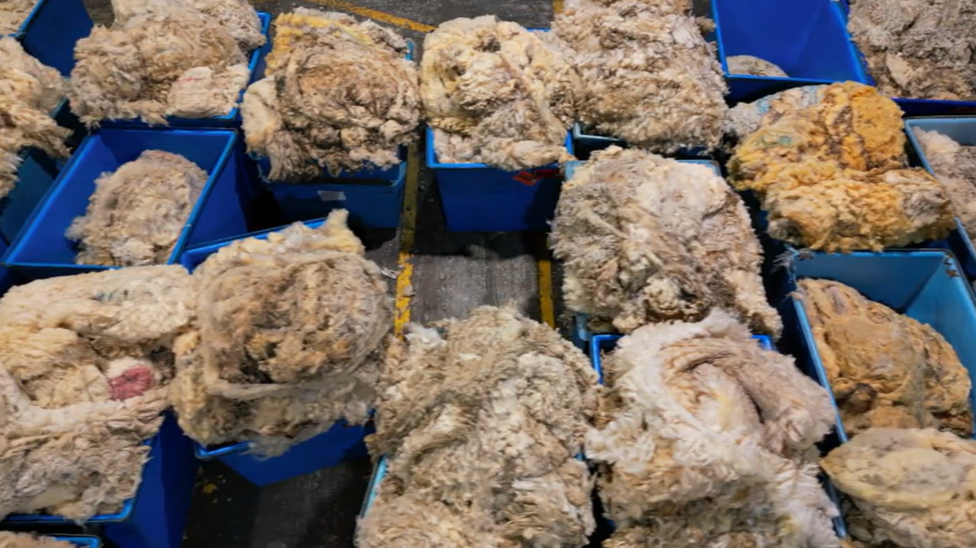
Not all wool is destined for the wardrobe. Fleeces from Welsh mules, Bellis explained, are more likely to end up underfoot than on someone's back.
This type of fleece, which contains kemp, that will tend to go into a carpet blend because of the colour.
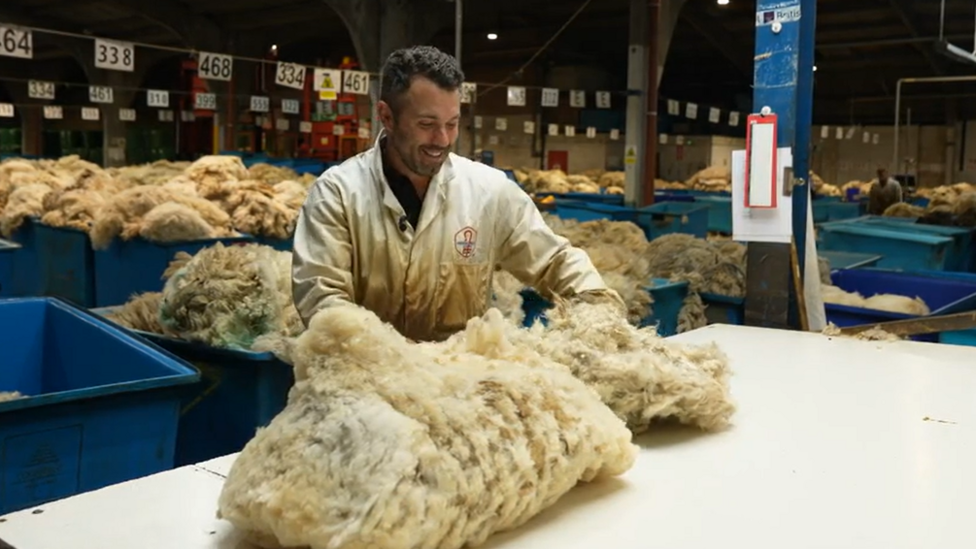
Jones said the appetite for British wool now stretches well beyond the UK's borders.
It is in demand worldwide.
China is an important market for us, we also have a bedding manufacturer in South Korea, and we have some licensees in Japan.
How long has wool been a valuable commodity?
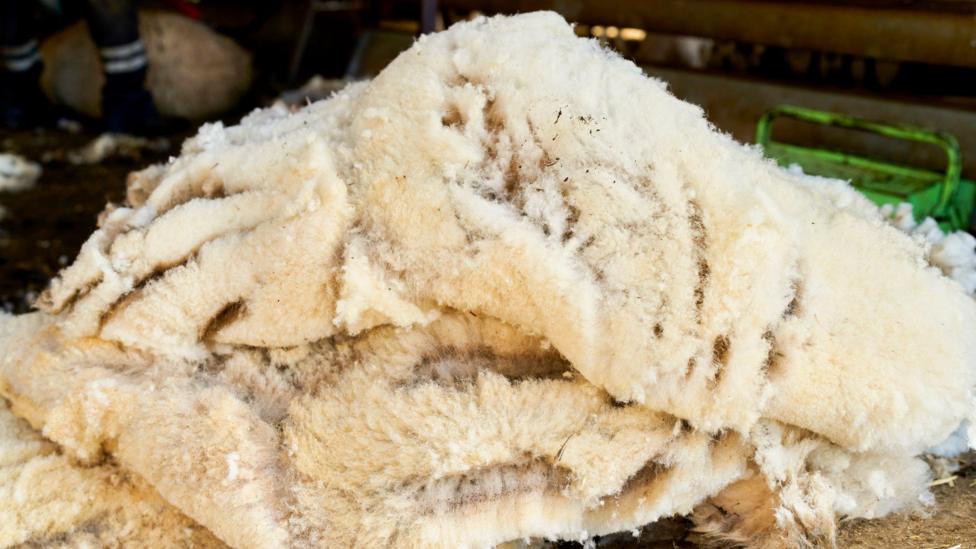
Wool has been spun and traded for thousands of years, with evidence of the practice stretching back to the Bronze Age, underlining just how enduring the fibre's economic role has been for British farming communities.
What happens next for wool prices?
British Wool has said returns for 2026 could rise by a further 25p to 30p per kilo, with some core wool types potentially exceeding £1 per kilo, according to Farming UK. The organisation has also forecast that farm businesses could receive more than £1 per kilo for many core grades this year, which it said would equate to more than £3 per fleece for a typical 3kg fleece, as reported by Farmers Weekly.
British Wool has also described the recent run of auction results as the best in ten years, with the market reaching its highest level since 2015, according to the Farmers Journal. With fuel and fertiliser costs continuing to squeeze farm budgets, the prospect of further gains from wool sales offers a measure of relief for producers across Wales and the wider UK.
Key Facts
- Clean shorn wool averaged £2.54 per kilo at the latest sale, up from under £1.50 a year earlier.
- British Wool reported prices up 40p to 50p per kilo versus the 2024 season as of February 2026.
- More than 1,000 tonnes sold in June 2026 at an average clean price of £2.81 per kilo.
- 2025 clip prices rose 32% on 2024, giving an average return of about 68.5p per kilo across all wool types.
- British Wool expects 2026 returns to rise a further 25p to 30p per kilo, with some grades potentially topping £1 per kilo.


