Collectors pursuing the latest Pokémon card releases are confronting a market transformed by speculative buying, reseller tactics, and demand that has overwhelmed production capacity. According to The Guardian, enthusiasts are now queuing overnight outside retailers, competing against traders who view cards as investment vehicles rather than collectibles. The phenomenon mirrors the frenzy surrounding cryptocurrency, with high-demand products selling at substantial markups within hours of release.
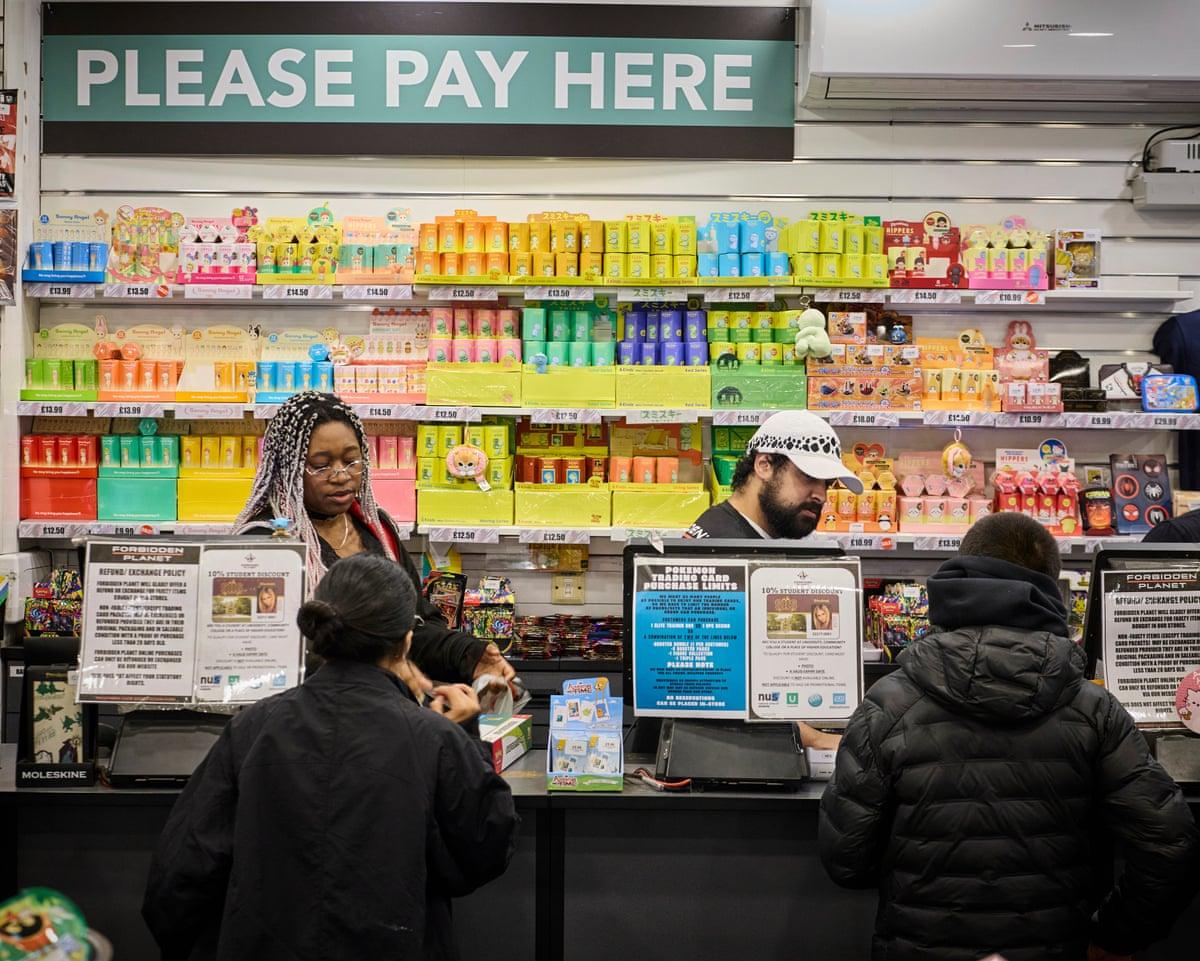
On Friday morning, the pop culture retailer Forbidden Planet in central London opened its doors to a queue of more than 120 people stretching past five neighbouring shops. Kai, a 25-year-old collector who had waited since 3am, estimated the crowd was roughly split between genuine fans and resellers. He attributed the surge in speculative interest to cryptocurrency investors entering the Pokémon market, driving prices upward and pricing out longtime collectors. "The cards used to be cheap but they have ballooned in price," Kai explained.
Retailers have implemented countermeasures to discourage bulk purchasing. Forbidden Planet enforces a one-per-customer limit on high-demand items such as the £49.99 Delta Reign elite trainer box, which includes more than 35 Pokémon and Trainer cards with special illustrations. The store also operates an "unsealing policy" requiring staff to open products before sale, rendering them unsellable as new merchandise on secondary markets like eBay. Other chains have adopted similar strategies: a Scarborough toy shop announced it would unwrap Pokémon products at point of purchase to deter resale, while Target stores were reportedly introducing or more visibly enforcing one-per-product limits.

Despite these safeguards, determined resellers employ workarounds. Some travel between stores on e-bikes to circumvent purchase limits, while others change clothing or use intermediaries to buy on their behalf. Kai noted that traders are easily identifiable by the multiple shopping bags they accumulate—a telltale sign absent from genuine collectors. "As a collector there is no reason to have that many," he said.
The buying experience has deteriorated markedly. Collectors report confrontations and overwhelmed security staff at popular retailers. Some venues, including Argos, now restrict card sales to online channels exclusively. Amazon has implemented an "invite-only" purchasing system designed to block scalper bots from accessing high-demand stock.
Why are prices climbing so steeply?
The Pokémon Company manufactures approximately 10 billion cards annually, yet demand has surpassed production capacity. Calvin Innes, a fandom and pop culture strategist and author of Fandom Power: Marketing in the Age of Nerd Culture, identified the core problem: "The demand had outrun the machines, so everything else – bots, scalpers, queues etc – sits on the fact that there is a hard supply limit." This supply constraint creates conditions favourable to speculation. Innes, who is a father of three children collecting Pokémon cards, acknowledged the toll on families: "It's not impossible for kids to get cards but the buying experience has gotten really ugly."
The timing has intensified the frenzy. Pokémon's 30th anniversary in 2026 has reignited nostalgia among adult collectors who grew up with the franchise. Luke, second in the queue at Forbidden Planet, described the milestone as the "straw that broke me" after years of resistance. He maintains a binder with empty slots for cards he still needs to acquire, acknowledging the hobby's mounting expense. "Scalpers being the reason people like us turn up so early," he said.

Anthony, 26, who secured third position in the queue after finishing a night shift at 1am, has collected since age five. He finances his hobby by buying, selling, and exchanging cards, using profits from resales to subsidise further acquisitions. Hiep, who claimed first place at 11pm, and Luke both sought the expensive elite trainer sets that command premium prices.
What options exist for parents and casual collectors?
Parents increasingly seek guidance in online communities, posting to Reddit threads and Facebook groups for advice on purchasing cards for their children. Innes recommends several alternatives to queuing at physical retailers. Single packs and blisters remain more accessible than elite trainer or booster box sets, though small high street shops sell out rapidly. He suggests purchasing individual cards from UK card retailers, marketplaces such as Cardmarket, or highly-rated eBay UK sellers as a more affordable route.
Prerelease and league events at gaming shops offer another pathway. These gatherings typically cost £25 to £30 and guarantee participants receive cards while gaining the opportunity to play the game itself. Daniel Garnett, who operates the Hull Pops Gaming Centre in Hessle, East Yorkshire, runs a free kids club and reserves stock for regular players. "We teach kids all about the Pokémon game, about the cards and how to play. We also have a qualified Pokémon judge that helps out," Garnett said. However, he noted a recent shift in visitor demographics: "Sadly, about a month ago, we had lots of parents bring their kids in purely to buy product, and had no intention of playing or staying for the session."

What risks does the speculative market pose?
Financial experts have cautioned that the current trading frenzy may not be sustainable. Douglas Boneparth, a financial expert, warned that Pokémon card values could suffer drawdowns of 60% to 80%, and described scalping as harmful to the market. Such corrections would devastate collectors who purchased at inflated prices, particularly those who viewed cards as investment vehicles.
The Pokémon Company has acknowledged the scalping problem internationally. Nintendo president Shuntaro Furukawa outlined anti-scalping measures focused on the Japanese market at a shareholder meeting on 26 June, including buyer identification checks, purchase tracking systems, and potential made-to-order sales models. However, these reported measures have not been extended to the United Kingdom or other Western markets, leaving retailers and collectors to devise their own solutions.
What releases are scheduled next?
The Mega Greninja ex League Battle Deck is scheduled to launch on 13 November 2026, likely attracting similar demand and queuing patterns. As supply constraints persist and speculative interest remains elevated, the battle between collectors seeking genuine cards and resellers pursuing profit margins shows no signs of abating.