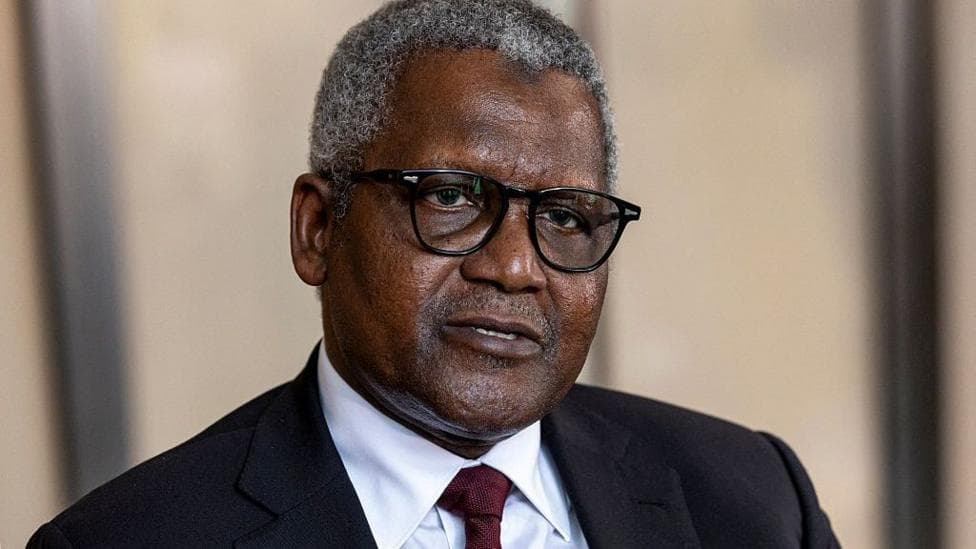
Nigerian billionaire Aliko Dangote and Kenya's President William Ruto are set to break ground on a $16bn oil refinery in Lamu, on Kenya's northern coast. Upon completion, the facility is expected to process 700,000 barrels of crude oil daily, positioning it as East Africa's largest industrial project by capacity. The refinery will become the only one operating in East Africa and represents Kenya's most significant infrastructure undertaking since independence, eclipsing the $5.1bn Standard Gauge Railway.
The groundbreaking comes as local residents have mobilised to demand greater compensation for land required by the project. Dangote, Africa's wealthiest individual, has characterised the demonstrations as tactics employed by local intermediaries and external actors, asserting that construction will proceed as scheduled with completion targeted for 2030. The refinery will also incorporate a 1,000-megawatt power plant designed to serve both Dangote's operations and other industries anticipated to establish themselves in the region.
However, a Kenyan court has introduced a complication to the timeline. According to reporting, the Malindi Environment and Land Court ordered the parties to maintain the status quo on disputed refinery land until an October 14 hearing. The Dangote Group stated that the court order would not prevent the September 30 groundbreaking ceremony, though it could restrict certain site activities. The case was brought by 133 Chandavai residents who claim the disputed land is ancestral property and are seeking compensation alongside a resettlement plan.
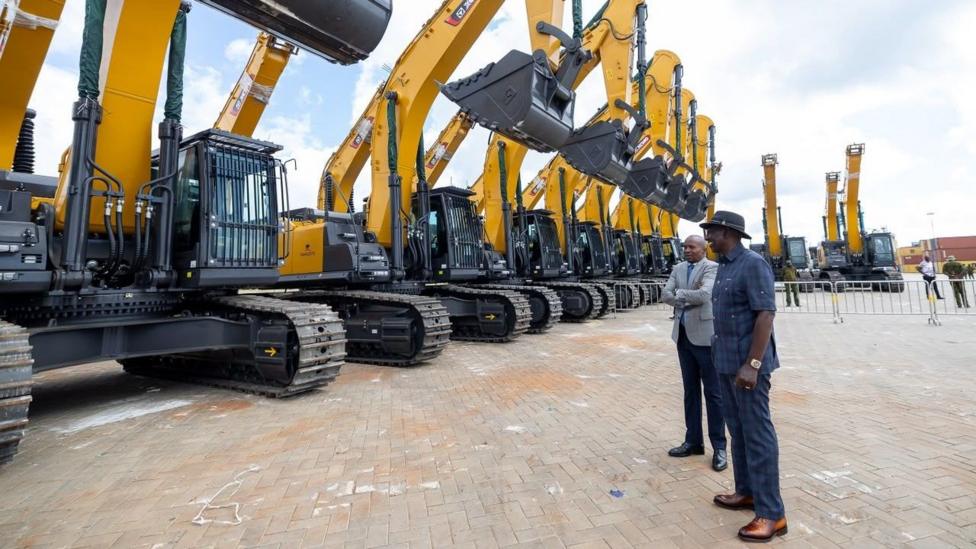
Preparations have accelerated ahead of the planned launch. According to project updates, Lamu Port received 2,930.295 metric tonnes of project cargo aboard the MV Da Yang Bai He on 26 September, signalling that material mobilisation is underway.
What are the environmental concerns?
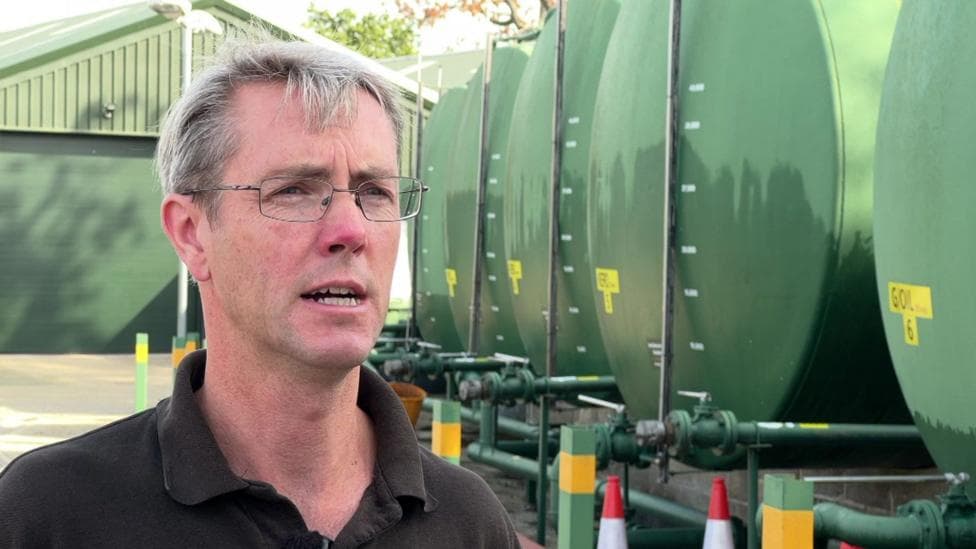
Local environmental advocates have raised alarm about potential ecological consequences. Walid Ali, co-founder of the Save Lamu campaign group, expressed concern that the project could harm the surrounding community. He stated that campaigners are requesting access to environmental impact assessment findings to evaluate what mitigation strategies the developer intends to implement. Ali noted that this is not the first major initiative in the area where environmental safeguards have been sidelined, and he emphasised that the company has not meaningfully consulted with residents, instead limiting engagement to government officials.
"They have only been talking to the government. There is no ownership of the project by the community,"Ali told the media.
Why build a refinery in a non-oil-producing nation?
Critics have questioned the decision to construct the facility in Kenya, which has no commercial crude-oil output, suggesting instead that Tanzania or Uganda—both advancing toward oil exports through the East African Crude Oil Pipeline—would be more logical locations. However, Kenya's Energy and Petroleum Minister Opiyo Wandayi countered that a refinery's location does not dictate its crude supply, as refineries source oil from global markets. Dangote reinforced this argument by pointing to Singapore, which produces no oil yet operates numerous refineries. According to analysis, a Kenyan government adviser has suggested that 600,000 barrels daily could potentially originate from Kenya, Uganda and South Sudan, though the refinery's feedstock supply chain remains unresolved. The facility is planned within the Lamu Port-South Sudan-Ethiopia Transport special economic zone, near a port that has no operational oil-storage terminals.
What employment and economic benefits are projected?
Dangote has stated that the refinery will generate 60,000 jobs during peak construction, with advantages extending beyond direct employment. He emphasised that the project will not rely solely on automation, ensuring that local populations will benefit from economic activity. The billionaire views dependable electricity as a fundamental obstacle to industrialisation across Africa, particularly in resource-rich nations that continue exporting unprocessed commodities rather than adding value domestically. He has approximately $50bn worth of projects in development, including ambitions to establish 10,000 megawatts of power generation capacity across the continent by 2030, with potential to double that depending on market demand. The power infrastructure at Lamu is designed to operate on a
"plug and play"model, enabling rapid connection for other enterprises.
How might this affect fuel prices in Kenya?
Kenya experiences comparatively elevated fuel costs, creating optimism that expanded refining capacity could eventually contribute to lower pump prices. Nevertheless, the price of crude oil—the primary raw material for fuel—remains determined by international markets and represents a dominant factor in what consumers ultimately pay at petrol stations. Increased domestic refining capacity alone cannot insulate Kenya from global crude price fluctuations.
What is Dangote's broader investment strategy?
The Lamu refinery represents Dangote's most substantial proposed investment outside Nigeria. His Nigerian refinery also maintains a processing capacity of 700,000 barrels daily. Earlier in September 2026, Dangote launched Africa's largest share sale, offering 4.1 billion shares in his oil refinery to the public, with the IPO capable of raising up to $2.1bn while allowing Dangote to retain 84.34% control. Beyond refining, Dangote has also backed a $660m fuel pipeline connecting Djibouti's port to Ethiopia, formally launched on 24 September 2026, which will reduce transport time from five days to a single day.
What happens next?
The Malindi Environment and Land Court is scheduled to hear the residents' application on 14 October 2026. The outcome of this hearing could determine whether additional restrictions are imposed on site activities beyond the current status quo order. Meanwhile, the groundbreaking ceremony is planned for 30 September, with construction officially commencing on 1 November as originally scheduled.
Key Facts
- The $16bn refinery will process 700,000 barrels of crude oil daily, making it East Africa's largest industrial project by capacity
- A Kenyan court ordered maintenance of the status quo on disputed land until an October 14 hearing, though Dangote Group says this will not halt the September 30 groundbreaking
- The project is expected to create 60,000 jobs during construction and will include a 1,000-megawatt power plant
- Kenya has no commercial crude-oil output; the refinery's feedstock supply chain remains unresolved despite government suggestions of potential regional sourcing
- Dangote has approximately $50bn in projects across Africa, including plans to develop 10,000 megawatts of power generation capacity by 2030