Nigerian billionaire Aliko Dangote has unveiled Africa's largest initial public offering, making available a minority stake in his oil refinery to retail and institutional investors in a transaction that could generate up to $2.1bn in capital. The offering represents a historic moment for African capital markets and signals growing investor appetite for exposure to the continent's energy infrastructure.
The IPO comprises 4.1 billion ordinary shares priced at 525 naira each, according to reporting on the share structure. If fully d, the offering could raise approximately 2.15 trillion naira ($1.63 billion), though the initial target range suggested potential proceeds between $1.55bn and $1.8bn. Dangote will retain 84.34% ownership following the sale, which involves the issuance of new shares rather than a secondary market transaction by existing shareholders.
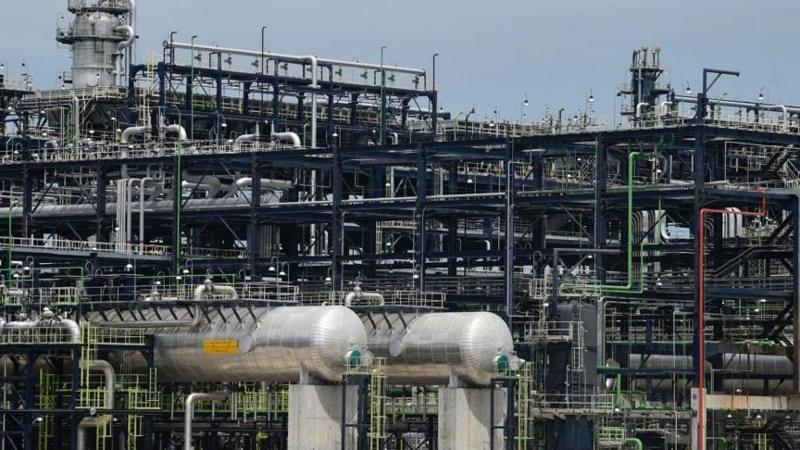
The refinery, which commenced operations in 2024, represents one of the world's largest petroleum processing facilities and took over a decade to construct. It now accounts for more than 70% of Nigeria's domestic energy supply, addressing a longstanding constraint on the nation's energy independence. The facility was first announced in 2013 with an estimated cost of $19bn, though construction did not commence until 2017 and faced additional delays during the Covid-19 pandemic. The site in the Lekki Free Zone near Lagos required extensive land reclamation, with 65 million cubic metres of sand repositioned to prepare the location.
Dangote has indicated that capital raised through the public offering will support plans to expand the refinery's processing capacity. The company is planning a $14 billion expansion programme alongside the IPO announcement, which would substantially increase the facility's output. The refinery currently operates at a processing capacity of 650,000 barrels per day, positioning it as the seventh-largest facility globally.
Why is this significant for Nigeria?
Nigeria has historically been Africa's largest crude oil producer, yet the nation remained dependent on imported refined fuel until the Dangote refinery opened because of insufficient domestic refining infrastructure. The facility's emergence has transformed the country's energy economics and reduced foreign exchange pressures associated with fuel imports. By offering shares to the general public, Dangote is enabling ordinary Nigerians to participate in the economic returns generated by this critical infrastructure asset.
The enthusiasm among retail investors has been evident. Isah Salisu, a Nigerian investor, withdrew 50,000 naira (approximately £28 or $37) from his personal savings to participate in the offering.
"My hope is that my small money will one day grow big. I don't want to miss out as many I know are also investing,"he explained. The minimum investment required is 10 shares, costing roughly $4, making participation accessible to a broad spectrum of the population.

What do experts say about the risks?
While the offering has generated considerable public interest, financial professionals have cautioned investors about potential downsides. Dr Abdulrazak Ibrahim Fagge, an economy and business specialist, characterised the transaction as historically significant but warned that share valuations can decline, exposing investors to potential losses.
"What prospective buyers, especially first-time buyers, should know is that they shouldn't invest all their money or money they would need in a couple of months. They should invest something they could do without for the next three, four, five years."
Fagge also highlighted the risk of fraudulent schemes targeting inexperienced investors unfamiliar with capital market procedures.
"I will advise people to only deal with the institutions that have been listed,"he cautioned, emphasising the importance of transacting exclusively through authorised financial intermediaries.
Who is Aliko Dangote?
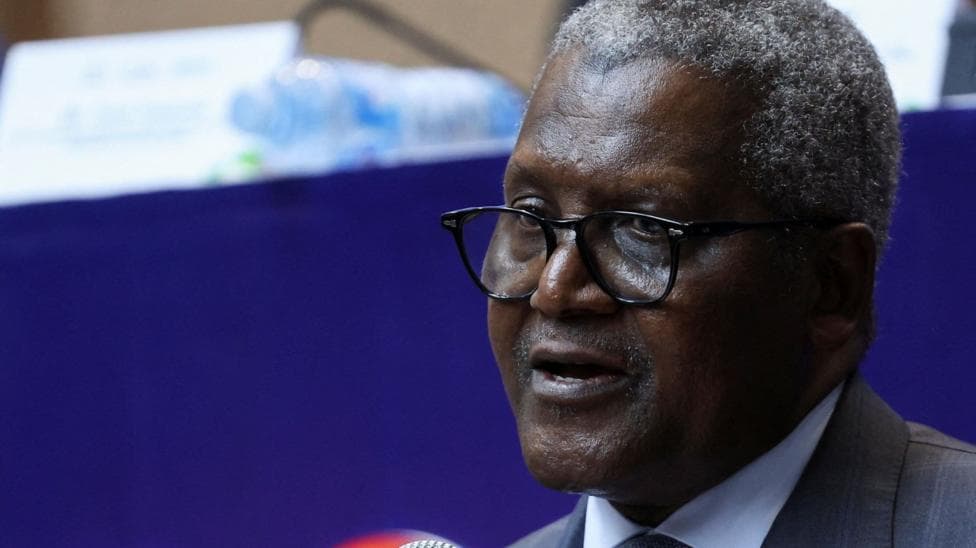
Dangote, aged 67 and based in Kano, has accumulated a net worth estimated at approximately $28bn according to Forbes magazine. His business empire originated in cement and sugar production within Nigeria before expanding across 16 additional African nations. Dangote Cement operates as Africa's largest cement manufacturer, establishing the foundation for his diversification into energy infrastructure. The refinery venture represents his most ambitious project to date and signals his strategic pivot toward downstream petroleum operations.
The Nigerian Securities and Exchange Commission granted formal approval for the IPO on 4 September 2026, clearing the way for the public offering. The subscription window is scheduled to open on 14 September 2026, with Dangote having signed IPO documentation on 7 September 2026.
What happens next?
The subscription period will remain open from 14 September through 13 October 2026, providing investors with a one-month window to participate. The shares are expected to list on the Nigerian market in October following the conclusion of the offer period. The transaction received a $1 billion underwriting commitment from financial advisers, providing support for the offering's execution. The company had initially submitted an application for a $5 billion IPO before the final size was adjusted downward.
Key Facts:
- The refinery processes 650,000 barrels daily and supplies over 70% of Nigeria's energy consumption
- The IPO comprises 4.1 billion shares at 525 naira each, with potential proceeds of $1.63 billion if fully d
- Dangote will retain 84.34% ownership following the offering, which involves new share issuance
- The facility is valued at approximately $49 billion, making it one of the world's most significant energy assets
- A planned $14 billion expansion programme will utilise capital raised through the public offering