Two Essex farmers are expressing deep concern about the viability of their family operations following one of the most challenging growing seasons in recent memory, with crop yields down sharply across the region.
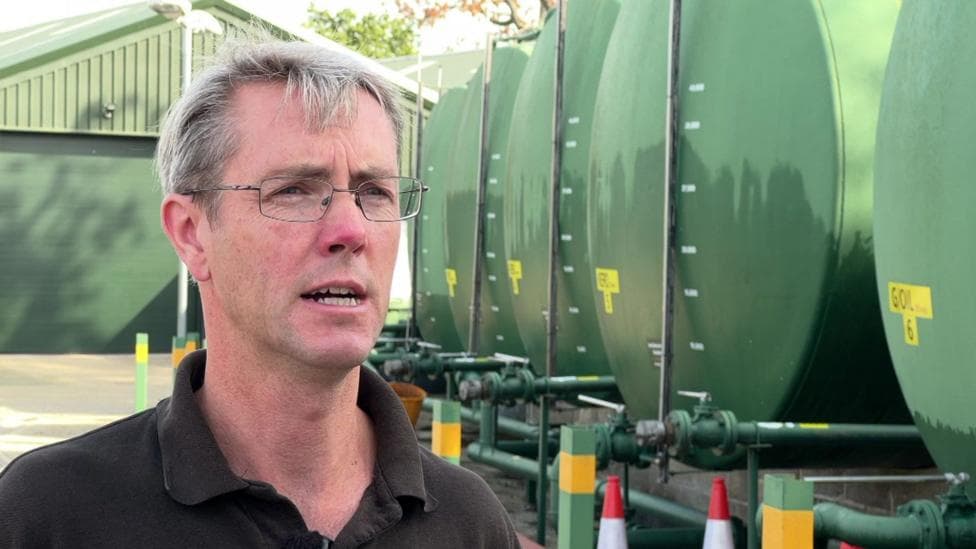
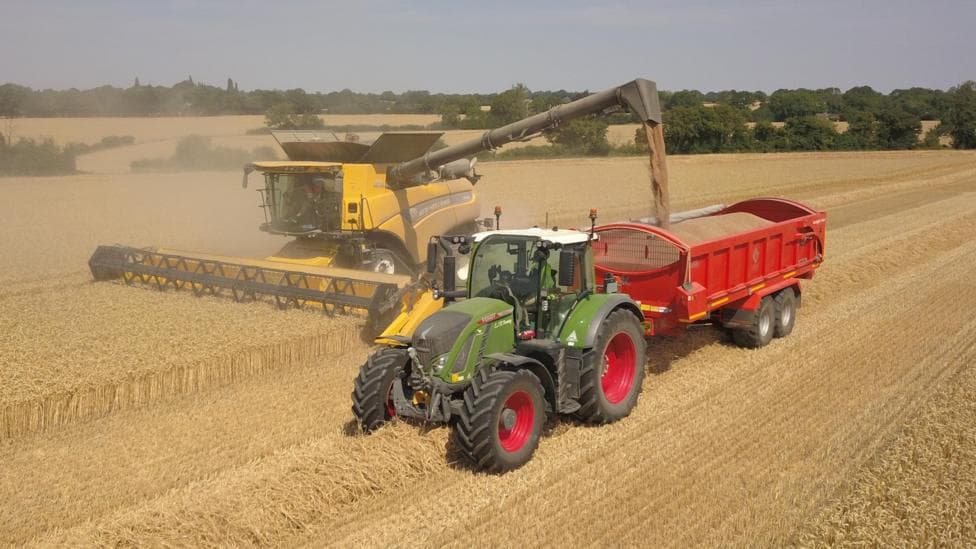
Ross McGowan, 28, who manages Hatter's Farm in Takeley near Bishop's Stortford alongside his wife Grace, reported that wheat production at his family's five-generation enterprise has collapsed by up to 40% in the worst-affected fields.
"Some of our wheat yield is down by 40%, it is pretty horrendous. There have been some really bad years in a row,"he said, adding that his primary concern is whether he can sustain the business long enough to pass it to the next generation.
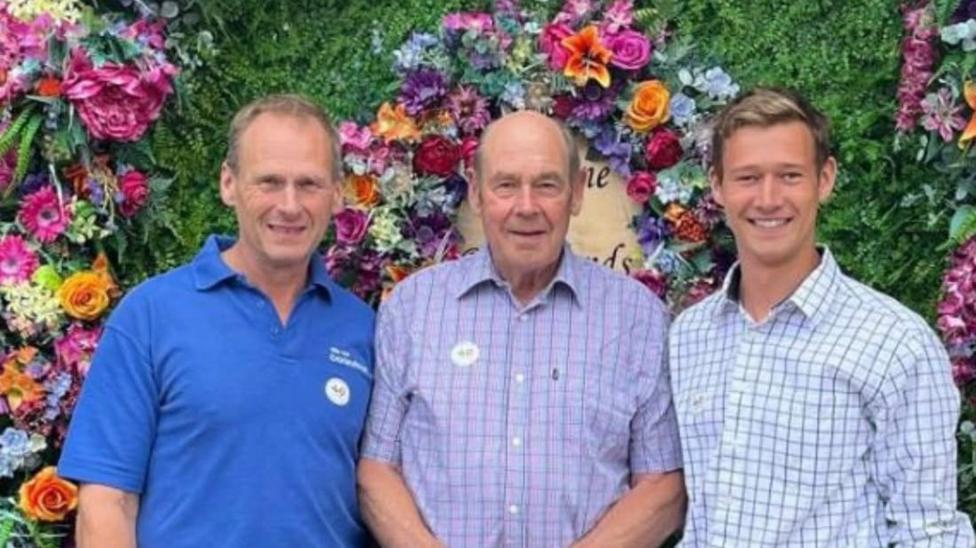
Thomas Philpot, 25, who operates Boyton Hall near Chelmsford as a fifth-generation farmer, shares similar anxieties.
"There is a lot of uncertainty, and there are going to be struggles ahead,"Philpot said. His grandfather, Peter Philpot, described the harvest as the worst he had witnessed in five decades.

How severe are the yield declines?
Official crop data reveals the scale of the problem across the sector. According to the Agriculture and Horticulture Development Board (AHDB), spring barley production fell 17% compared to the five-year average, oats dropped 14%, and winter wheat declined 11%. The AHDB characterised these figures as
"very disappointing yields."
McGowan attributed the collapse to weather conditions, noting that
"it is all down to the weather."His assessment aligns with broader climatic patterns: the summer was recorded as the UK's hottest on record by the Met Office. Philpot pointed to a specific agricultural challenge, stating there had been
"no moisture in the soil"for crops to develop properly.
Government statistics underscore the severity of recent harvests. According to official cereal production data, the 2024 wheat harvest totalled 11.1 million tonnes, representing a 20% decline from 2023, with yield falling 10% to 7.3 tonnes per hectare and harvested area contracting 11%. Total UK cereal production in 2024 reached just over 19.4 million tonnes, 12% below the previous year, as winter planting was severely disrupted by wet weather and flooding while rain and humidity affected the later wheat harvest.
The challenging conditions have persisted across multiple seasons. AHDB reported that 2024 winter crops faced the second-wettest August-to-February period since records began in 1837, though spring crops generally performed better. The 2024 wheat harvest was the smallest since 2020, when similar wet weather disrupted autumn planting.
What impact will this have on food prices and availability?
Poor harvests directly affect consumers through reduced availability and higher costs. The crops affected—spring barley, oats, and winter wheat—are essential ingredients in pasta, bread, biscuits, cereal, and beer production. Grace Duncan, fresh foods editor at The Grocer magazine, has previously warned that such conditions would result in
"some shortages on shelves."She added:
"That means, inevitably, if there is less availability, prices will have to go up."
Philpot has called on the public to support domestic agriculture.
"It is important for the public to support farmers where possible by buying British food,"he said.
What are the underlying causes?
Ed Ford, vice-chair of the National Farmers' Union's Essex branch, identified multiple pressures compounding the weather challenges.
"Despite this, farmers continue to deliver for the country, producing high quality, traceable, affordable food, working to the highest standards of animal welfare,"Ford said, while acknowledging it had been an
"extremely challenging year."He blamed drought alongside rising costs for fuel and fertiliser.
McGowan emphasised that while farmers can typically absorb a single poor season, consecutive difficult years pose an existential threat.
"Farming is not great at the moment. My sole goal will be to hand over what I have to my kids,"he said. Philpot echoed this concern, noting:
"There have been several bad years before - farmers are good at dealing with a bad year but struggle with repeat bad years. Bad years have an effect on the viability of the business."
How are farmers adapting?
Some operations are diversifying revenue streams to offset production losses. McGowan's farm has organised supplementary events, including pumpkin cannon firing, to generate additional income during difficult seasons.
What do recent harvest figures show?
More recent data offers a mixed picture. According to AHDB's latest outlook, the UK's 2025 wheat harvest was estimated at 12.2 million tonnes, representing a 10% increase on 2024, though still 12% below the 10-year average. Spring barley production fell 16% to 3.9 million tonnes, while winter barley production rose 1.2% to 2.5 million tonnes, according to government statistics.
Key Facts
- Spring barley yields down 17%, oats down 14%, and winter wheat down 11% compared to five-year averages
- Some wheat fields experienced yield reductions of 25–40%, attributed primarily to extreme heat and drought conditions
- The 2024 UK wheat harvest of 11.1 million tonnes was the smallest since 2020, down 20% from 2023
- Poor harvests typically lead to higher grocery prices and reduced product availability for consumers
- Farmers report that consecutive poor seasons pose greater challenges to business viability than isolated difficult years