Bakery chain Greggs has unveiled plans to close four manufacturing facilities across the UK, potentially affecting 740 jobs by 2028. The company said the restructuring is essential to support expansion while maintaining cost efficiency, though it will require an initial investment of £60m in disruption costs and redundancy payments before generating £20m in annual savings from 2028 onwards.
The announcement comes despite the company reporting robust trading performance. According to recent trading updates, like-for-like sales at company-managed shops increased 3.4% in the 13 weeks to 26 September, compared with 2.1% growth in the first half of the year. Overall quarterly sales growth reached 7.7%, up from 7.2% in the opening half.
Greggs stated that the facility closures,
"whilst difficult, are necessary"to enable the business to expand in the
"most cost-efficient manner". The company emphasised that
"our immediate priority is to minimise the impact on our people where possible"and confirmed it would
"enter into a consultation period shortly to work with trade unions and employee representatives of those affected to refine and develop these proposals."
Which factories are affected?
The proposed closures target manufacturing sites in Enfield (north London), Penrith (Cumbria), Kelso (Roxburghshire, Scotland), and Seaham (County Durham). Greggs will maintain distribution operations at its Enfield facility and continue Treforest in Wales as a distribution centre rather than a manufacturing hub.
Beyond full closures, the restructuring would also reduce production capacity at two other sites. According to industry reporting, the changes would narrow the product range manufactured at Clydesmill and Manchester, and end tinned-bread production at Gosforth, with some items sourced from specialist external suppliers instead. Retail shops operated by Greggs will not be affected by these manufacturing changes.
The estimated £60m cash outlay comprises approximately £40m in capital expenditure, according to financial analysis.
Why is Greggs making these changes?
The bakery chain is pursuing aggressive expansion, having opened 57 net new shops this year alone as part of a strategy to launch between 100 and 110 locations by the end of 2026. The company's longer-term ambition extends to growing its UK shop estate to 3,500 locations. Consolidating manufacturing operations into fewer, larger facilities is intended to reduce per-unit production costs and support this retail growth trajectory.
The company has benefited from new product innovation during the summer period. Iced matcha lattes and an expanded selection of salads and chicken rolls contributed to the sales acceleration. However, Greggs cautioned investors that while stronger trading has
"modestly improved"its outlook for this year,
"there are signs of greater inflationary pressures in 2027".
How have prices changed?
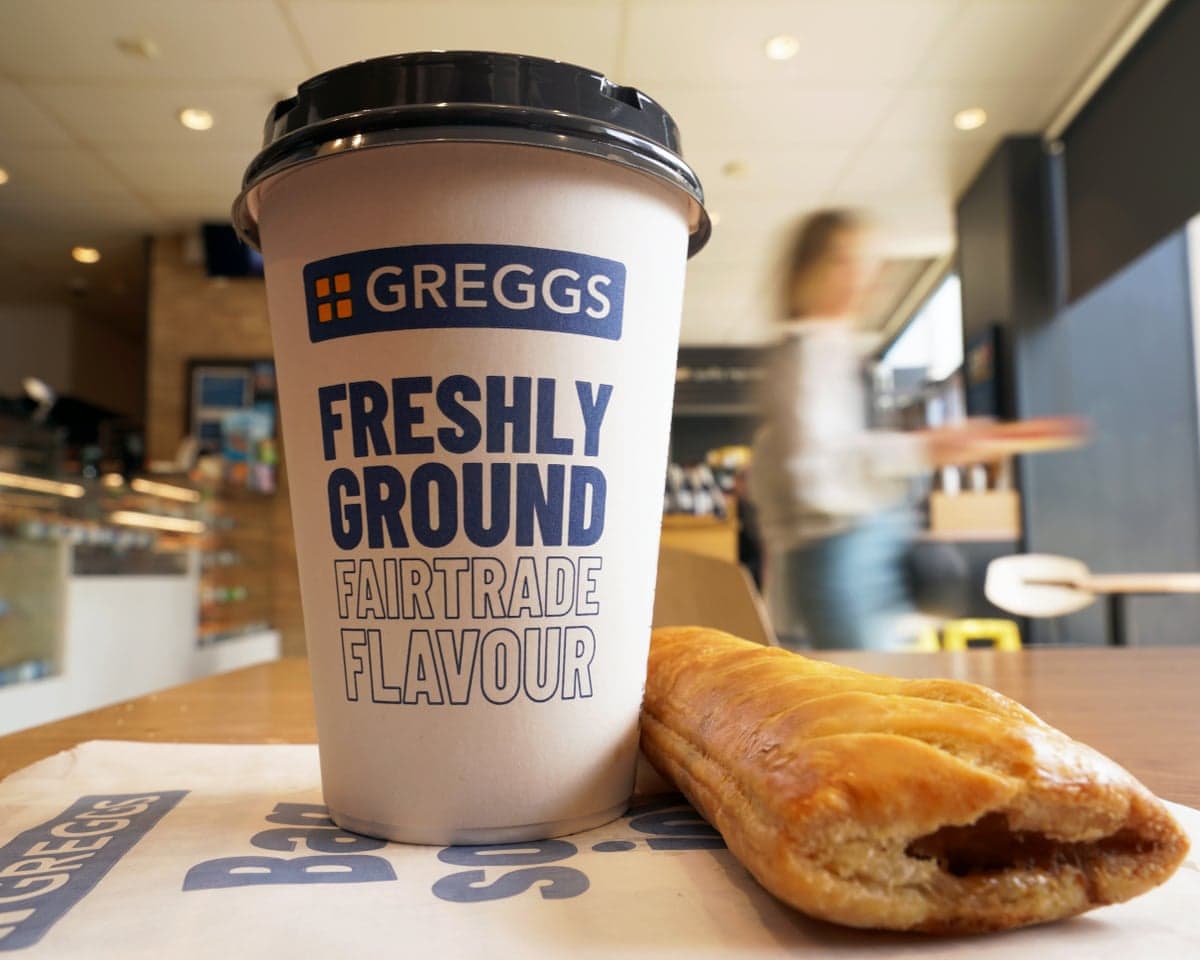
Greggs has already begun passing cost increases to customers. Earlier in the year, the company raised the price of its signature sausage roll to £1.35 in most locations, and increased latte prices by 10p to £2.25. These adjustments reflected efforts to manage rising wage, energy and packaging costs. An analyst at investment broker Freetrade noted that while Greggs
"has survived a heatwave and a cost-of-living crisis … a £1.50 sausage roll could be a real test of loyalty".
What has the market reaction been?
Investor sentiment toward the announcement proved positive. Greggs shares rose 7.3% in early trading on the day of the announcement, making the stock the best performer across the mid-cap FTSE 250 index and pushing its year-to-date gain to 17%. The company, headquartered in Newcastle, currently employs more than 33,000 people across the UK.
What happens next?
The proposed changes remain subject to consultation with employees, trade unions and employee representatives. The restructuring programme is expected to unfold over the next two and a half years, with the full savings target of £20m annually anticipated by 2028.