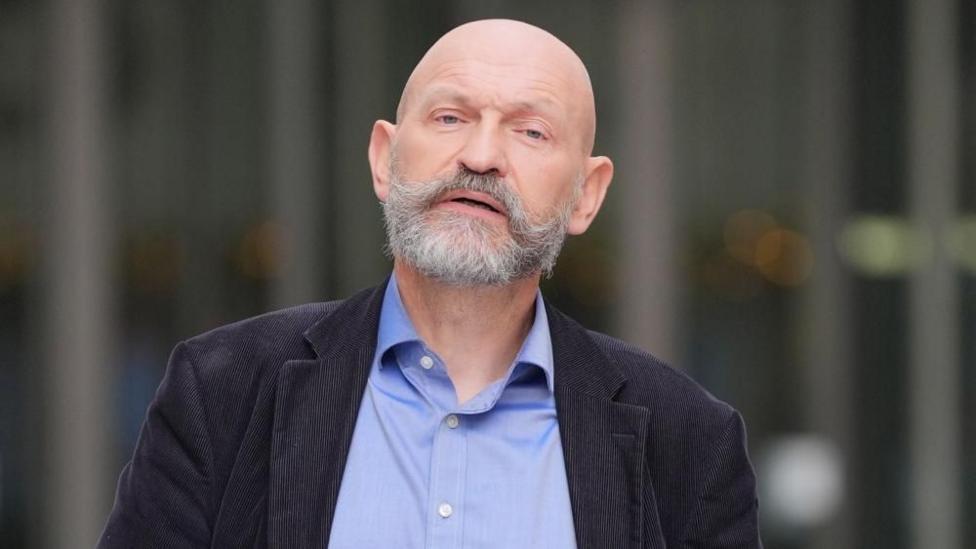
The chief executive of Centrica, which operates British Gas, has expressed serious alarm about the consequences of sharply rising energy bills expected to take effect in the new year, warning that more households will struggle to pay their bills when prices increase.
Chris O'Shea told BBC News that he anticipated a rise in the number of consumers unable or unwilling to pay their energy costs once the price cap increases. The new energy price cap, which will come into force from 1 January 2027, is due to be announced on 25 November 2026. Consultancy Cornwall Insight has projected that the cap will increase by £443 annually for a typical household, though money expert Martin Lewis cautioned that this figure annualises a forecast for only the January to March cap period, with later quarterly rates remaining uncertain.
The government has announced that some households will receive £100 to assist with energy bills, though consumer advocates have dismissed this as insufficient. Citizens Advice characterised the payment as a "drop in the ocean", while the Fuel Poverty Action Group called for stronger government and regulator action against what it termed "inflated energy firm profits".
Speaking on the Sunday with Laura Kuenssberg programme, O'Shea confirmed that predictions for a "substantial increase" in bills from January were "materially correct", noting that the first quarter of the year coincides with peak energy consumption. "That's right at the point where people will be paying for Christmas and the like. So I am hugely concerned," he stated.
What is driving the bill increase?
Wholesale energy prices paid by suppliers have risen significantly this year as a result of geopolitical tensions in the Middle East, which have pushed up costs for households across the country. Cornwall Insight has predicted that Ofgem's energy price cap will rise by 26 per cent to £2,166 annually for a typical household from 1 January 2027. The price cap affects approximately 20 million households in England, Scotland and Wales and sets a maximum price for each unit of gas and electricity, meaning actual bill levels will vary depending on energy consumption.
If confirmed, this would represent the highest price-cap level since 2023. Cornwall Insight's forecast was based on wholesale-market information available up to 17 November, and the £2,166 figure remained unconfirmed at the time of reporting.
How serious is the non-payment problem?
O'Shea highlighted a "massive problem" with households not paying their energy bills in the UK, distinguishing between those unable to afford payment and an "increasing number of people that are choosing not to pay their bills". He explained that the collective impact of non-payment means that "every single electricity consumer is paying about £1.50, £1.60 a week to cover the cost of people that are not paying their bills, and it's just going to get worse when bills go up".
The scale of the issue is reflected in figures from energy regulator Ofgem, which recorded that the amount owed to energy suppliers by households reached £5 billion in the April to June period of 2026. This debt burden is expected to worsen as bills increase further.
What government support is available?
The government has committed to providing £100 payments to eligible households to help with energy bills, a policy announced in the Budget. The £100 payment is intended for eligible households in council tax bands A to D in England; direct-debit payers are expected to receive it automatically, while others can apply through their local council.
The government has also temporarily reduced VAT on electricity bills by 5 per cent until the end of June 2027, a measure expected to save the typical household approximately £45 annually. However, consumer groups have argued that these measures fall short of what is needed to protect vulnerable households.
Citizens Advice warned that the support package was insufficient, stating:
For someone in a lot of debt, who can't afford their bills, it's not going to touch the sides.The organisation also cautioned that the winter period could see "cold-related deaths" among those unable to heat their homes adequately.
What are energy companies saying about profits?
The Fuel Poverty Action Group has demanded stronger action from government and Ofgem against energy companies, arguing that high prices reflect excessive corporate profits rather than market conditions alone.
Our inflated energy prices are driven by inflated energy firm profits. Government and Ofgem must take stronger action against this blatant profiteering whilst we suffer in cold homes, or are forced into debt.
Energy firms operating in the UK are subject to a windfall tax that was introduced in 2022. When this windfall tax is combined with other taxes levied on the sector, the overall tax rate on profits earned by oil and gas companies operating in the UK reaches 78 per cent.
What happens next?
Ofgem is scheduled to announce the cap for 1 January to 31 March 2027 on 25 November 2026, which will confirm or revise the current forecasts. This announcement will provide clarity on the exact level of bill increases households will face in the new year and may trigger further debate about the adequacy of government support measures.