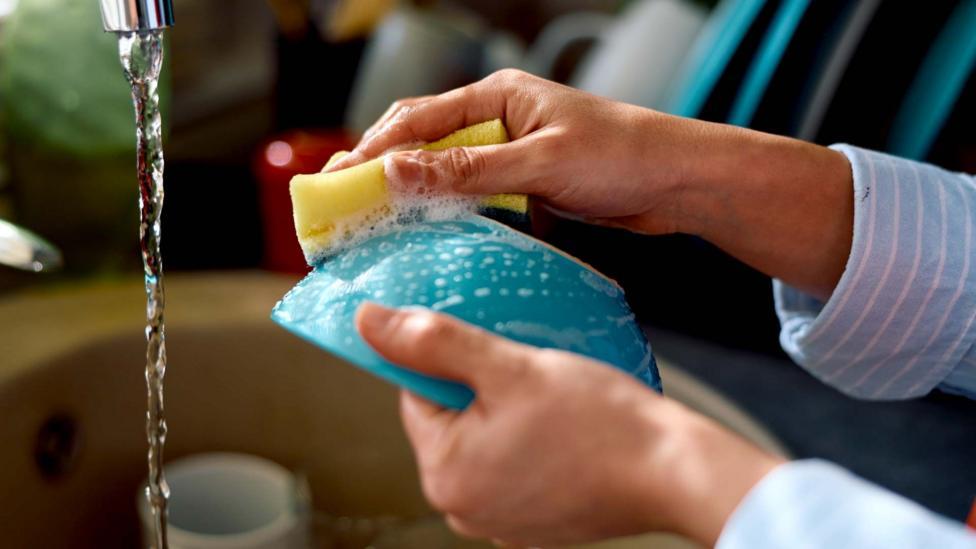
Airbnb has implemented fresh guidelines that prevent hosts from requiring guests to complete household chores, marking a significant shift in how the platform manages rental expectations. The new rules, which took effect on 20 November 2026 for reservations booked on or after that date, prohibit hosts from asking guests to wash dishes, strip beds, remove rubbish from the property, or avoid using utilities. According to BBC News, hosts can appeal to Airbnb if they believe they have a compelling reason to impose additional requirements beyond the seven standard house rules.
The policy change has divided the short-term rental community. Guests have welcomed the shift, with many reporting that lengthy checkout lists combined with cleaning fees made their stays stressful. However, property owners worry that stricter rules will increase their operational costs, potentially forcing them to raise nightly rates or cleaning charges to compensate.
Under the new framework, hosts can select from seven standard house rules covering occupancy limits, pet policies, and smoking restrictions. They may propose additional rules, but these are subject to Airbnb's approval. According to AFAR Magazine, hosts must disclose all house rules and requests in their listing before booking; they cannot add new requirements later through messages, signs, or in-person instructions. If a host continues to violate the policy, Fortune reported that Airbnb may reduce the listing's search visibility.
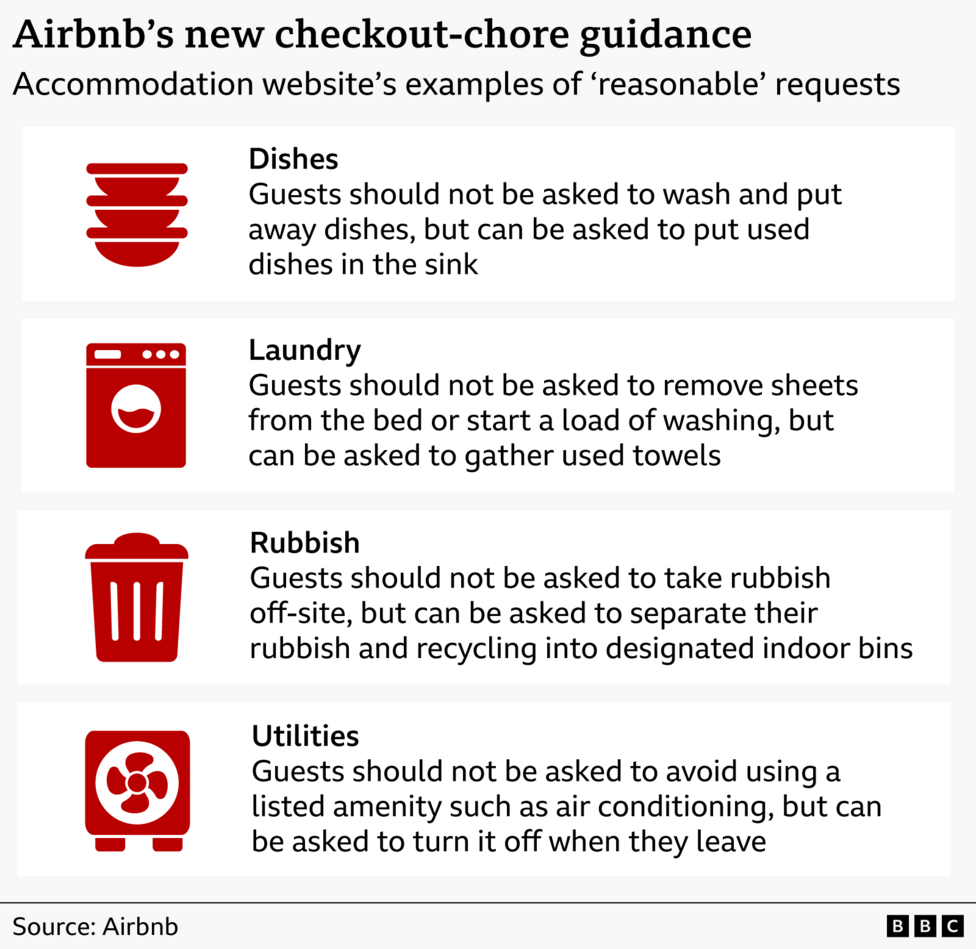
The platform has clarified what constitutes reasonable requests. Guests should not be asked to wash and put away dishes, but may be asked to place used dishes in the sink. They cannot be required to strip beds or start laundry, though gathering used towels is permitted. Guests should not be asked to take rubbish off the property, but may be asked to sort waste and recycling into designated indoor bins. Additionally, CityNews Toronto reported that guests may still be asked to leave used dishes in the sink, gather used towels, and sort rubbish and recycling into designated indoor bins.
Airbnb said it changed the rules after hearing that house rules could be confusing, onerous, and difficult to manage. The company argues that clearer, less demanding expectations will encourage more bookings by reducing guest hesitation about the platform.
Why are guests relieved by the change?
Many guests have found extensive checkout requirements exhausting, particularly when combined with cleaning fees. Jessica Newhook booked an Airbnb in Florida for a family reunion of 11 guests and was required to leave the property in move-in condition for cleaners despite paying a $250 (£187) cleaning fee.
We had rules about everything and it was not relaxing at all,she told the BBC. The new rules have provided relief to travellers who felt burdened by lengthy checklists that transformed their final hours at a rental into a cleaning shift.
How are hosts responding to the restrictions?
Property owners have expressed serious concerns about the financial implications. Lisa Clewes, who runs a Welsh holiday let, described being
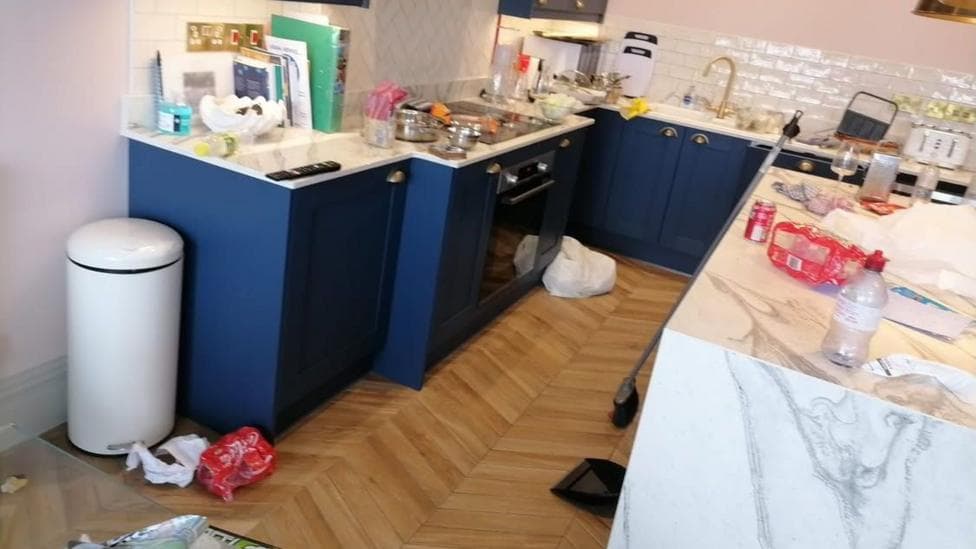
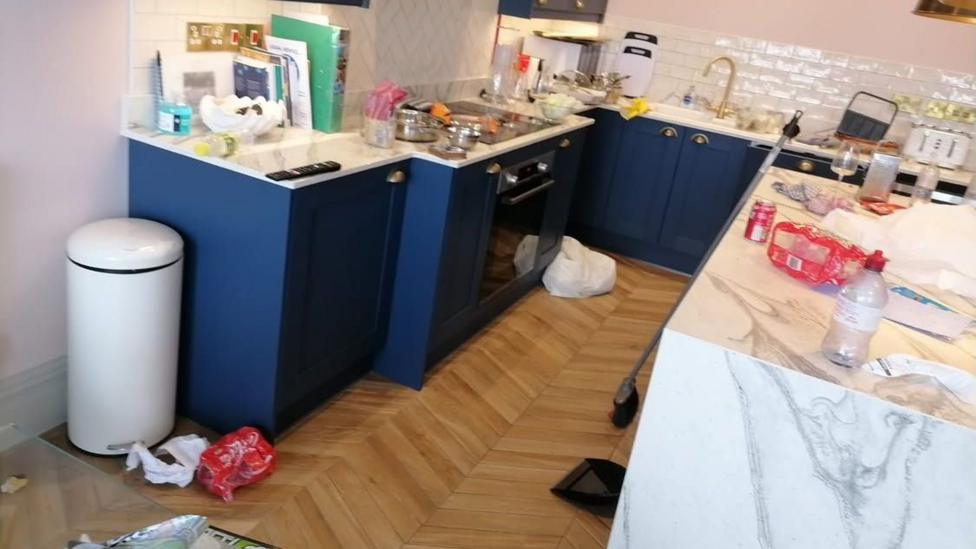
horrifiedat the state guests left her house after a dinner party. The property contained broken glasses, drinks cans scattered on the floor, pans full of food on the table, and fish remains in the garden. Clewes noted that her cleaners typically require four hours to prepare her three-bedroom property for the next guests. She warned that messier turnovers could necessitate hiring additional cleaners, with costs that may ultimately be passed to customers.
Fiona Venter, an Edinburgh-based holiday home owner, called Airbnb's new rules
nonsenseand stated she would not accept bookings if guests refuse to take their rubbish away. She recalled a previous incident when six bags of rubbish were left in her property, raising fears of a mice infestation.
I would rather have my house still standing,she said. Venter also expressed concern that increased cleaning costs resulting from the rule change would be unfair to guests who do clean up after themselves.
Why should they pay extra for the guests that choose to abuse a cottage?she asked.
The new rules have compounded existing frustrations among hosts following Airbnb's commission rate increases last year. Many property owners are now investing in their own websites and social media channels to attract direct bookings and avoid platform fees. The updated rules also say hosts generally cannot impose their own fines or penalties for rule violations, further limiting their enforcement options.
What exceptions exist to the new rules?
Airbnb recognises that certain local conditions may justify exceptions to the standard policy. Exceptions may be allowed for circumstances such as requiring wildlife-resistant rubbish storage in bear country or limiting showers during drought restrictions. Hosts seeking to impose such rules must request approval from Airbnb and demonstrate that the requirement addresses a genuine local need.
How will Airbnb enforce the new policy?
Airbnb has begun reviewing listings and will notify hosts whose requirements need changes. Hosts will have at least 20 days to amend their rules or appeal Airbnb's decision. If a host refuses to comply and keeps an unapproved rule, Airbnb will flag this to potential guests on the listing page with a message such as
includes cleaning tasks.The platform distinguishes between mandatory house rules, which guests must follow, and additional requests, which are encouraged rather than required.
Not all hosts view the changes negatively. Matt Porsz, who hosts and manages other Airbnb properties full-time, told the BBC that the review system encourages both hosts and guests to behave reasonably, suggesting the policy may ultimately benefit the platform's reputation and user experience.
The policy shift reflects broader tensions within the short-term rental market as platforms attempt to balance host profitability with guest satisfaction. Earlier reporting highlighted how Airbnb's new checkout rules have divided hosts and guests over cleaning duties, with particular concerns raised about impacts on the Welsh holiday rental sector. Some Welsh hosts have warned that the new cleaning rules will hit Wales harder given the rapid turnaround requirements of the market.