According to BBC News, Airbnb has introduced updated guidelines that prevent hosts from requiring guests to perform cleaning tasks traditionally handled by professional cleaners. The policy, which applies to bookings made globally from 20 November 2026, has sparked sharp disagreement between property owners concerned about rising costs and guests who view excessive checkout chores as unreasonable.
The changes restrict hosts from asking guests to wash and put away dishes, strip beds, start laundry, or take rubbish off the property. Instead, hosts may now set seven standard house rules and add other "reasonable" requests. According to Fortune, the seven standard rule categories include overnight guest limits, quiet hours, events, pets, smoking and vaping, commercial photography, and locking up at checkout.
What prompted Airbnb to make this change?
The policy emerged in response to widespread traveller complaints about excessive checkout cleaning duties. Guests have increasingly objected to being asked to perform work that resembles professional cleaning services, particularly when they are already paying cleaning fees. The New York Times reported that the policy followed traveller complaints about checkout cleaning duties, including requirements to strip beds and wash dishes.
How are hosts responding?
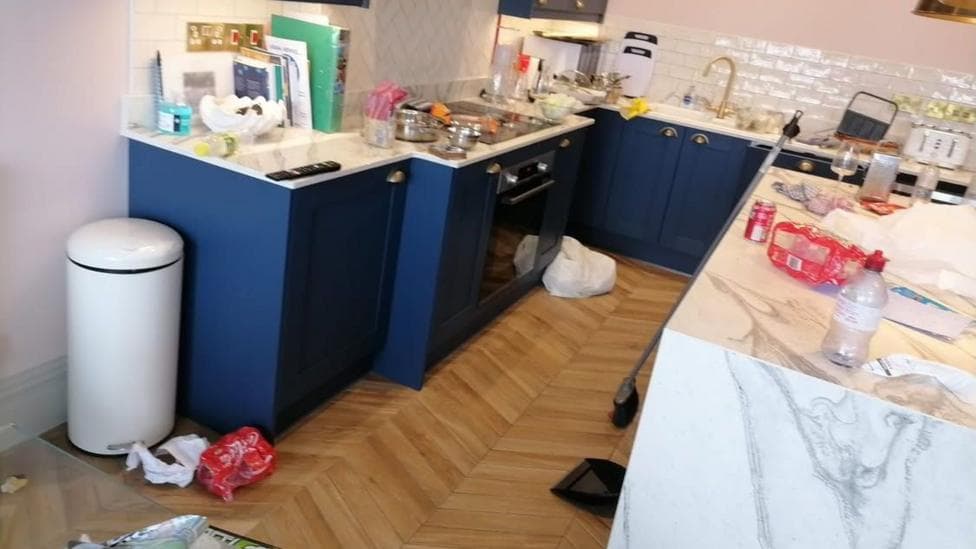
Many property owners have expressed frustration with the new rules. Lisa Clewes, who runs a three-bedroom holiday let in Wales, experienced the consequences of inadequate guest behaviour when a group left her property in severe disarray after a dinner party.
It was really unbelievable. Had I had another booking the same day, I would have had to cancel or delay check-in,she recalls. The house contained broken glasses, drinks cans scattered on the floor, pans full of food on the table and fish remains in the garden.
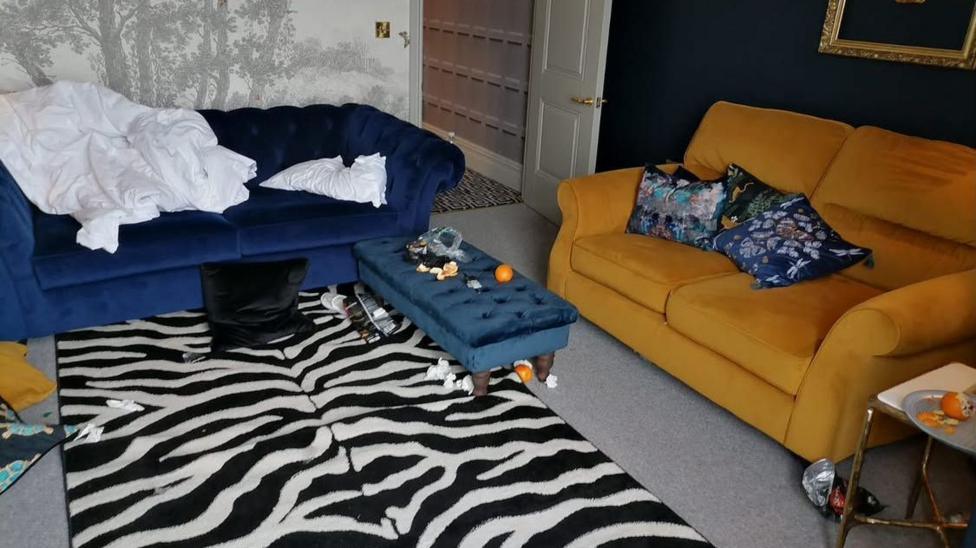
Clewes charges a cleaning fee covering approximately 75% of professional cleaning costs and requests that guests empty the fridge, place rubbish in bins and load the dishwasher. She notes that cleaners typically require four hours to prepare her property for the next guests. She worries that increased mess could necessitate hiring additional cleaners, raising costs that may ultimately be passed to future guests.
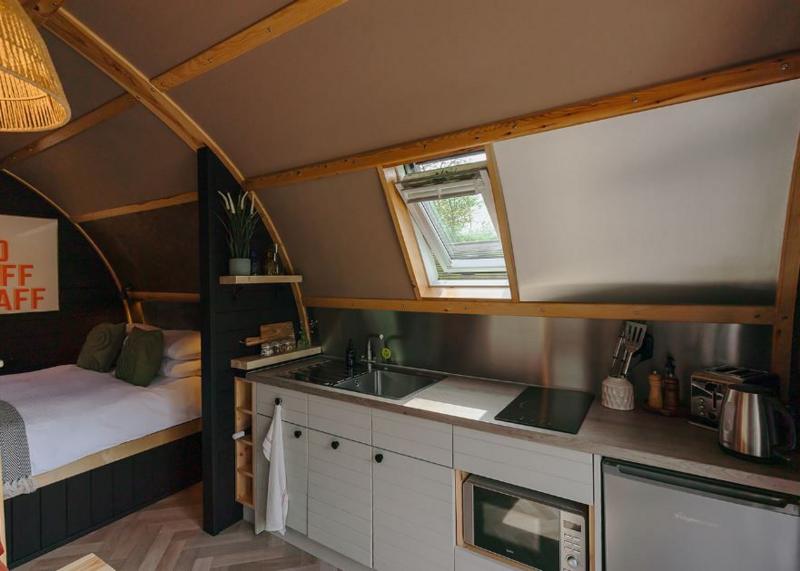
Anthony Marsh, who co-owns a cabin retreat in North Yorkshire with his husband, has responded by reducing his Airbnb listings from five properties to just two.
Airbnb has effectively given guests permission to come and leave properties a tip, and a host can't do anything about it,he says. Marsh believes that asking guests to wash dishes and put out bins represents basic common sense and decency, particularly given his small cleaning team and tight turnaround schedules.

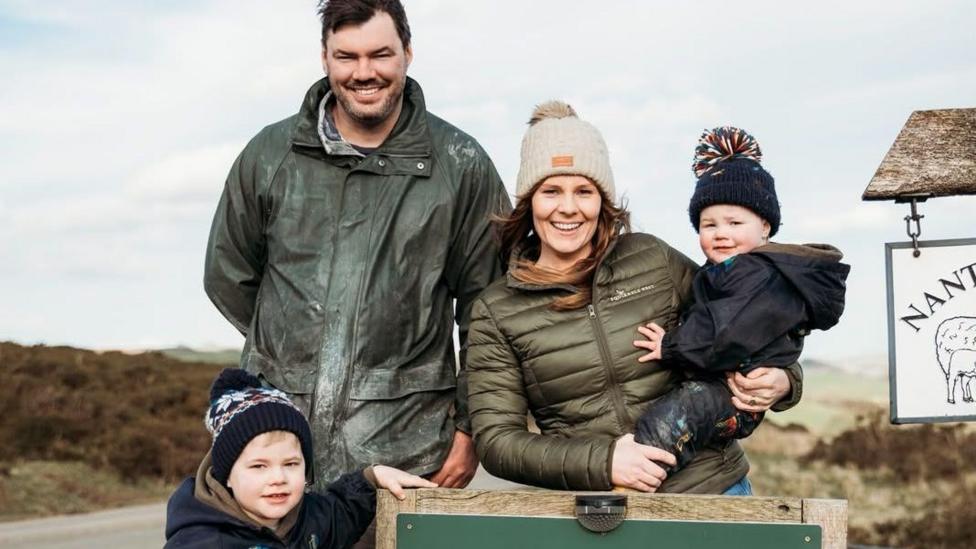
The frustration extends beyond individual hosts. Laura Lewis, who runs a directory helping holiday-let owners market their properties, reports that most of her clients are unhappy with the new rules.
Some people say it's factored into the cleaning fee, but I wouldn't leave a holiday let with all the washing-up to do. It's not the right thing,she says. The announcement has compounded growing discontent following Airbnb's commission rate increases last year. Many owners are now investing in their own websites and social media to attract direct bookings and avoid platform fees. Lewis has taken this approach with her three treehouses and plans to remove her listings from Airbnb entirely.
What do guests think about the changes?
For many travellers, the new policy represents welcome relief from burdensome checkout requirements. Jessica Newhook booked an Airbnb in Florida for a family reunion of 11 guests and was instructed to
leave the property move-in ready for the cleaners,despite paying a $250 (£187) cleaning fee. The host demanded that they wash and fold towels, clean bedding and kitchen areas, and sweep and mop floors. She was also warned that their behaviour needed to improve or they could be asked to leave after they left chairs blocking bins.
We had rules about everything and it was not relaxing at all,Newhook reflects. While she appreciates the home comforts of Airbnb stays, she finds that the combination of relentless rules and rising cleaning fees has diminished its appeal.
It is getting to the point where a hotel is cheaper and I know what to expect,she observes.
What about the middle ground?
Krissi Foskett, 46, from Glasgow, operates a national cleaning company and regularly stays in Airbnb properties, giving her perspective on both sides of the debate. During a recent stay in Stafford, she paid a £35 cleaning fee but was still asked to strip beds, put on a wash, empty bins and carry rubbish down a long track to a recycling area.
I don't particularly mind doing those things, but it did make me question what exactly I was paying the additional cleaning fee for,she says.

Foskett distinguishes between considerate guest behaviour—such as placing dirty dishes in the dishwasher—and being
expected to prepare the property for the next guests.Through her cleaning business, she has witnessed both extremes: teams arriving to find broken furniture, vomit and pet urine, as well as properties left spotless. While she sympathises with hosts facing tight turnarounds and rising cleaning costs, she argues these expenses should not be transferred to guests.
If you're running an Airbnb as a business, professional cleaning is a cost of doing business,she maintains.
What are the specific details of the new policy?
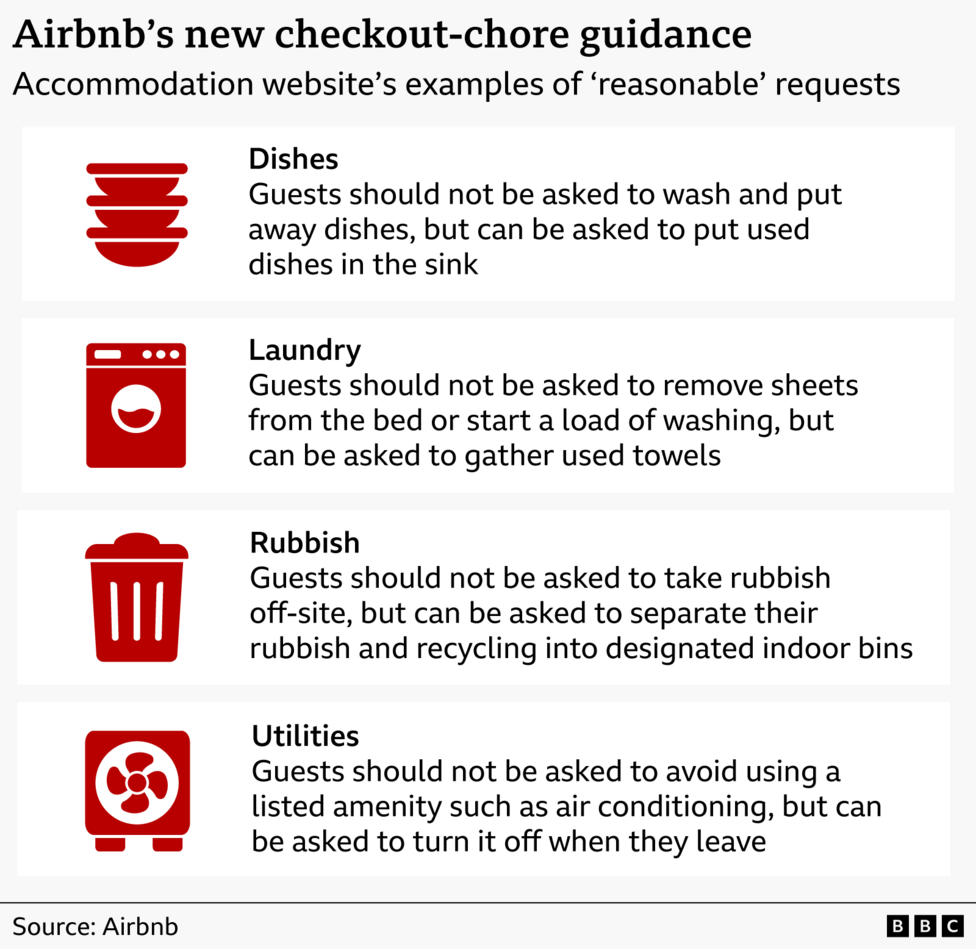
According to AFAR Magazine, the policy distinguishes between binding house rules and smaller requests: guests are required to follow house rules but are encouraged, rather than required, to comply with requests. Hosts must disclose house rules and requests in the listing before booking, and Airbnb may flag non-compliant requests and, if they remain unresolved, warn hosts or reduce listing visibility.
Importantly, Airbnb clarifies that guests remain responsible for messes requiring excessive or deep cleaning, and for damage. The new policy does not eliminate cleaning fees. Additionally, hosts can no longer restrict guests' use of advertised amenities or impose their own fines; hosts must seek damage compensation through Airbnb's protection program.
Are all hosts opposed to the changes?
Not all property owners view the new rules negatively. Matt Prosz, who hosts and manages other Airbnb properties full-time, believes the update will improve the guest experience without significantly changing how most people behave. Prosz joined Airbnb's co-host network during the pandemic and now leads a London community of approximately 3,000 hosts.
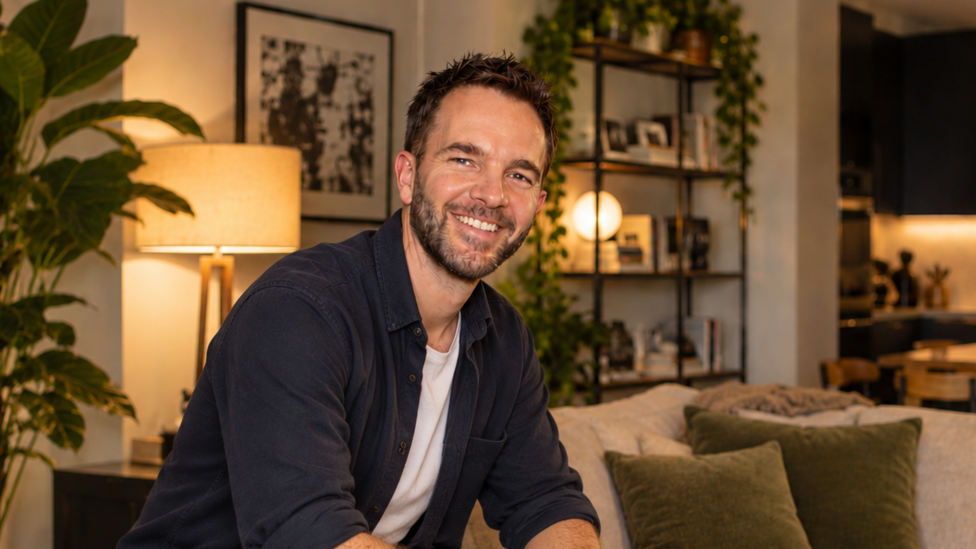
At his south-west London property, guests are asked only to lock up and return the keys.
People sometimes strip the beds or do things without me asking, and that's nice for my cleaners, but I don't expect it,he explains. Prosz doubts the changes will lead to guests leaving properties in worse condition, pointing to Airbnb's mutual review system as a natural enforcement mechanism.
If I put a big chore list, I wouldn't expect a five-star review and vice versa – if a guest leaves the place in a state, you're not going to give them a good review,he notes.
He believes the system encourages both sides to behave reasonably and that most guests will continue to treat properties with respect.
Airbnb is trying to cut out the silly stuff because it's not a good guest experience,Prosz argues.
What do the statistics show?
Data reveals the prevalence of cleaning fees across the platform. According to AirROI, some 63.2% of Airbnb listings charge a cleaning fee, with an average cost of £55. This widespread practice underscores the financial stakes involved in the policy change for both hosts and guests.
When does the policy take effect?
The policy takes effect on 20 November 2026 for reservations made on or after that date. Existing bookings are not affected by the changes, allowing current guests and hosts to complete their arrangements under the previous guidelines.