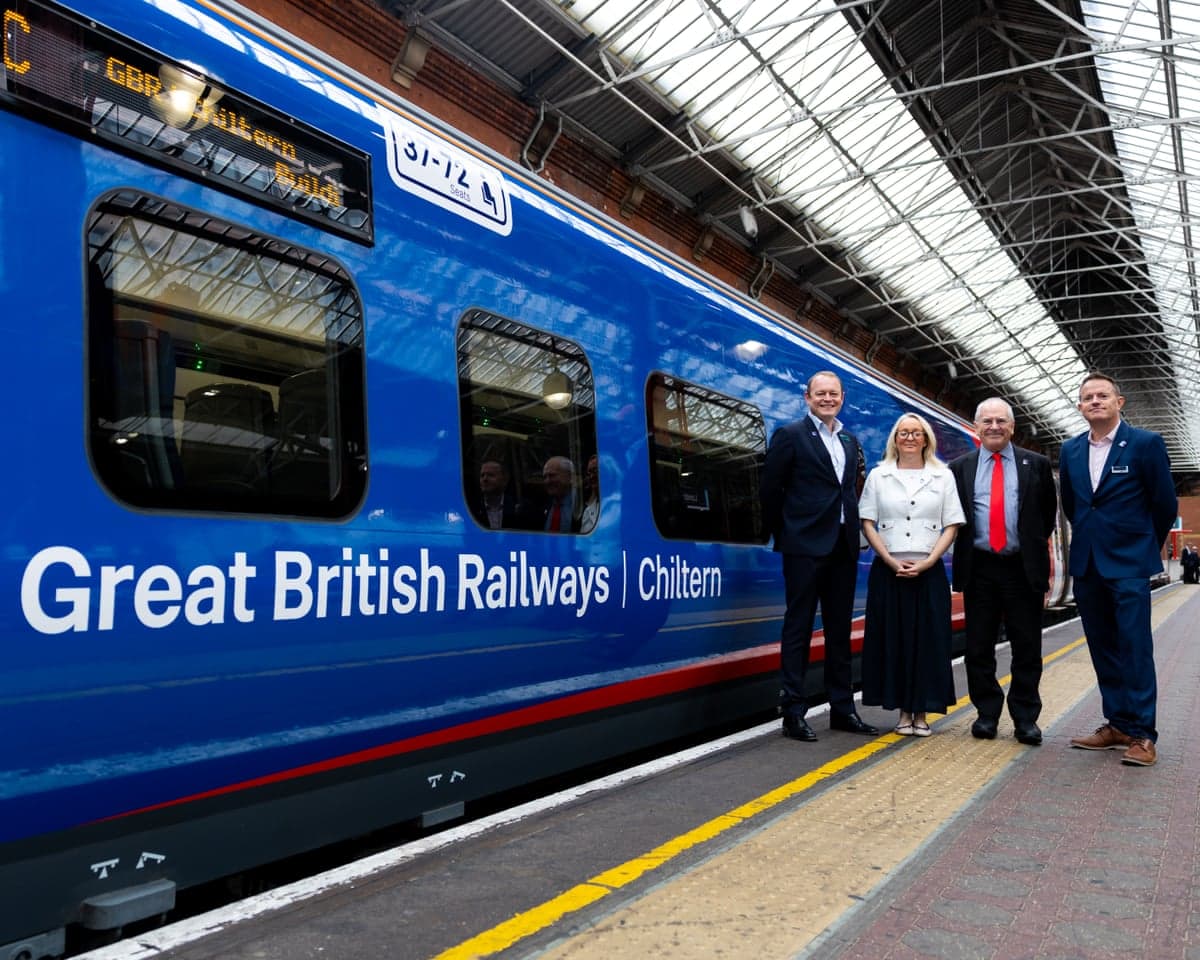
Chiltern Railways transferred into public ownership on 20 September 2026, becoming the sixth train operator to move under state control as the government pursues its ambition to bring all major passenger rail services into the public sector. The operator, which runs commuter services on the Chiltern mainline between London Marylebone and Birmingham, now operates under the management of DfT Operator Ltd., with four remaining operators scheduled to follow by the end of 2027.
The transfer marks a significant milestone in the government's rail reform programme. Great British Railways, a single public body combining track and train functions for the first time since privatisation, will eventually unite all passenger operators under one integrated structure. Chiltern's move reverses three decades of private operation following its privatisation in 1996.
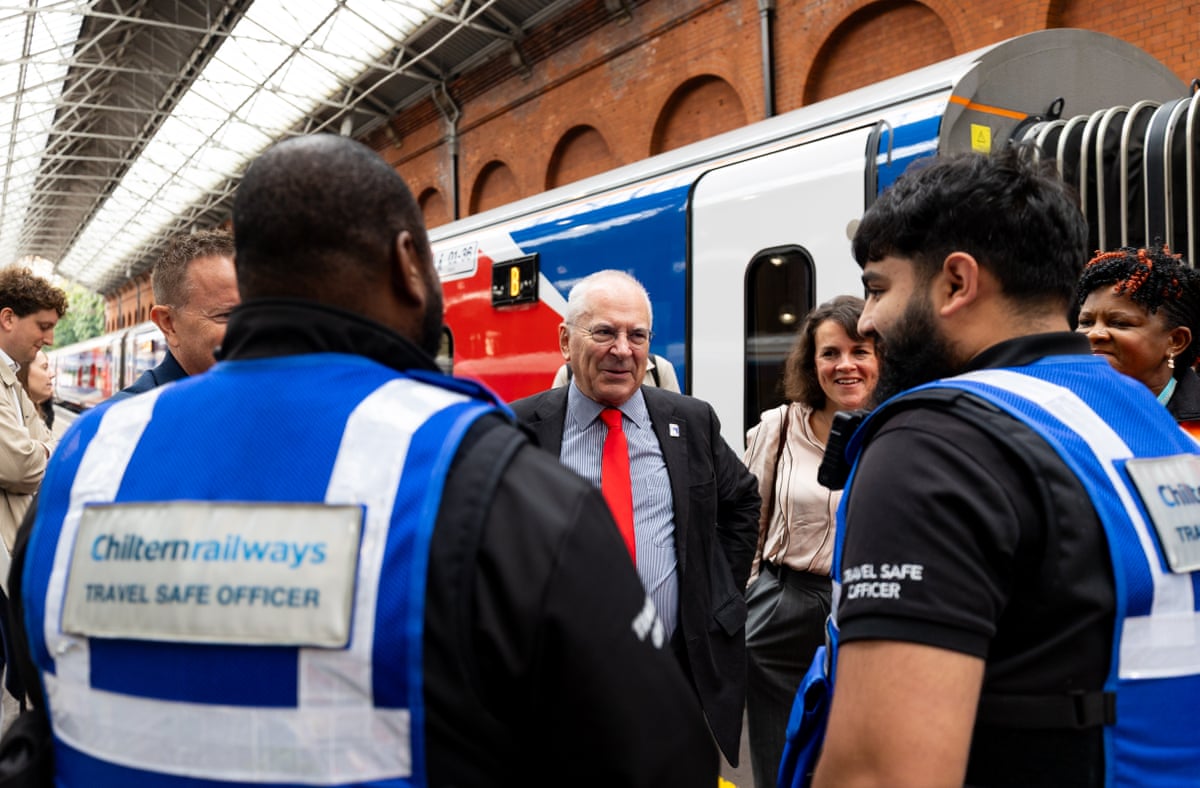
The Department for Transport highlighted the transfer as an opportunity to address long-standing passenger concerns. Officials said the move would deliver more reliable services and tackle what they described as the persistent problem of overcrowding on the network.
What improvements are planned for passengers?
The government has committed to a comprehensive package of enhancements for Chiltern passengers. From December 2026, the operator will introduce 25 additional daily services, adding almost 10,000 extra weekday seats, nearly 5,000 extra Saturday seats, and over 3,000 extra Sunday seats. Beyond the timetable expansion, the improvements include new trains, upgraded stations and enhanced onboard facilities such as improved wifi connectivity.
Tony Baxter, interim managing director of Chiltern Railways, said:
Customers will see improvements made possible thanks to years of planning, dedication and hard work by Chiltern colleagues. Public ownership will further strengthen that progress through closer collaboration across the industry.

How does this fit into the broader nationalisation programme?
The government legislated in 2024 to renationalise private train operations as their contracts expired, joining four operators already in public ownership and Network Rail to eventually establish an integrated body. The Department for Transport formally announced Chiltern's transfer on 17 September 2026, with the service now serving communities across Buckinghamshire, Oxfordshire, Warwickshire and the West Midlands under public management.
Rail minister Peter Hendy said:
Every transfer into public ownership gives us the chance to tackle the bread-and-butter issues people care about – more frequent, comfortable trains that turn up on time. As we set up Great British Railways, we're putting passengers first. It will not happen overnight, but we will build a railway the country can trust and rely on and that will create growth, jobs and homes.
What about East West Rail?
The Department for Transport identified the transfer as providing a fresh opportunity to deliver East West Rail, the long-awaited services on a completed stretch of the future Oxford-Cambridge line. However, the start date for passenger services between Oxford and Milton Keynes remains unannounced. As of early August 2026, the first Oxford–Milton Keynes passenger section still had no confirmed launch date, and no progress on this front has been disclosed following the transfer to public ownership.
Are there any obstacles ahead?
Industrial relations pose a significant challenge to the public ownership transition. The RMT union is scheduled to demonstrate outside London Marylebone station on Monday, with members being balloted for strike action over plans backed by the Department for Transport for driver-only operation. This dispute threatens to complicate the government's efforts to demonstrate the benefits of publicly owned rail services.
On the first day of public ownership, minor disruption occurred near Bicester Village because engineering work was not finished on time, highlighting the operational challenges that can accompany major transitions.
What happens next?
Great Western Railway is scheduled to transfer into public ownership on 13 December 2026, continuing the government's programme to bring all major operators under state control. Chiltern's next major timetable change, including the additional services and seats, is due in December 2026. The government remains committed to completing the transfer of all remaining operators by the end of 2027, though the timeline for East West Rail services remains uncertain.
Key Facts
- Chiltern Railways became the sixth operator to transfer into public ownership on 20 September 2026, now managed by DfT Operator Ltd.
- The operator serves communities across Buckinghamshire, Oxfordshire, Warwickshire and the West Midlands on the mainline between London Marylebone and Birmingham.
- From December 2026, Chiltern will introduce 25 extra daily services and almost 10,000 additional weekday seats as part of planned improvements.
- Four remaining operators are scheduled to transfer by the end of 2027 under the Passenger Railway Services (Public Ownership) Act 2024 programme.
- The RMT union is balloting members for strike action over driver-only operation plans, creating potential industrial relations challenges for the newly public operator.