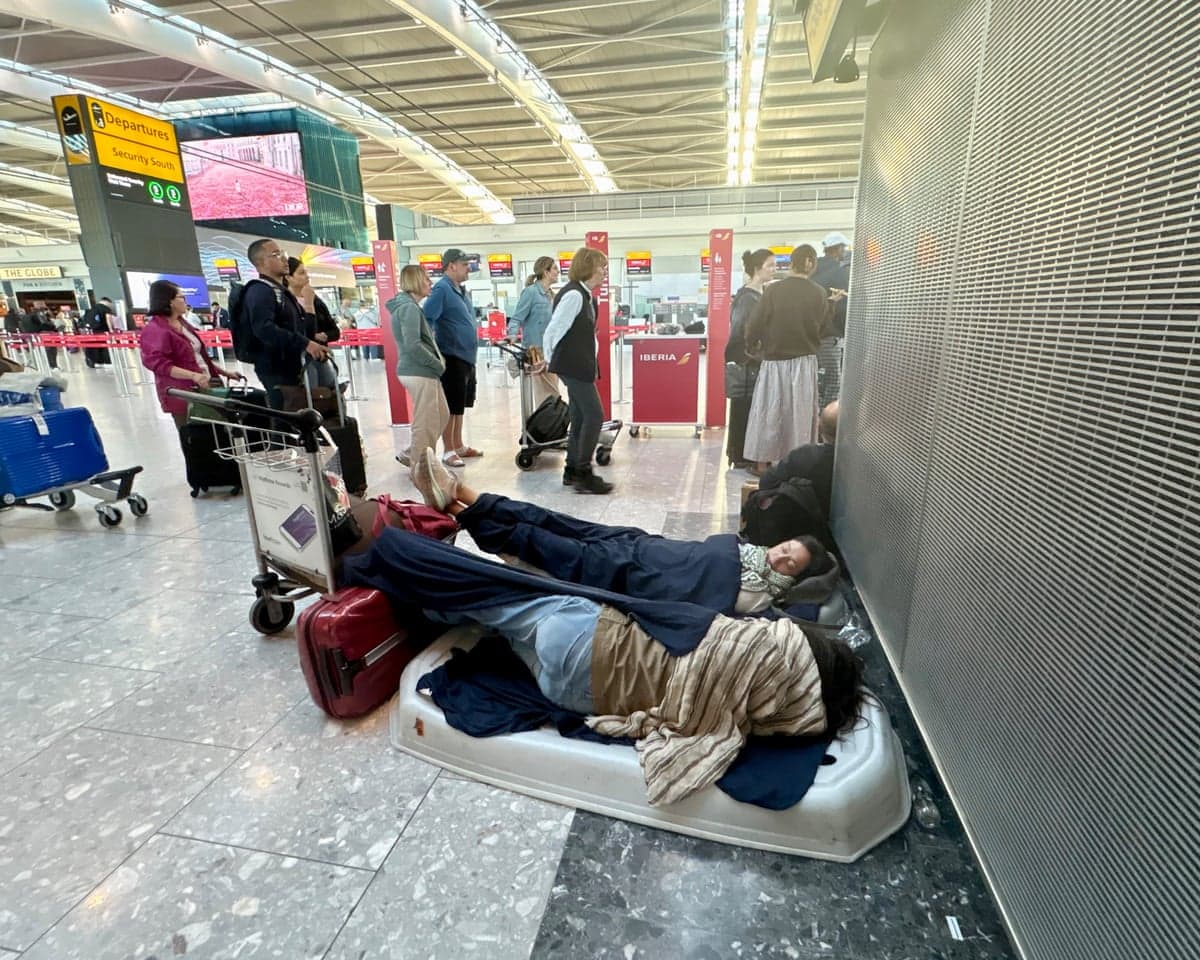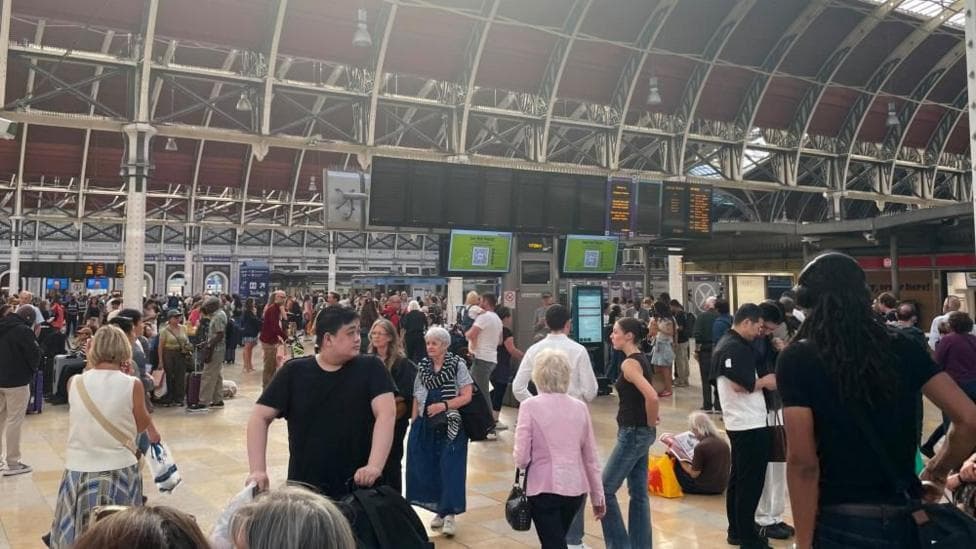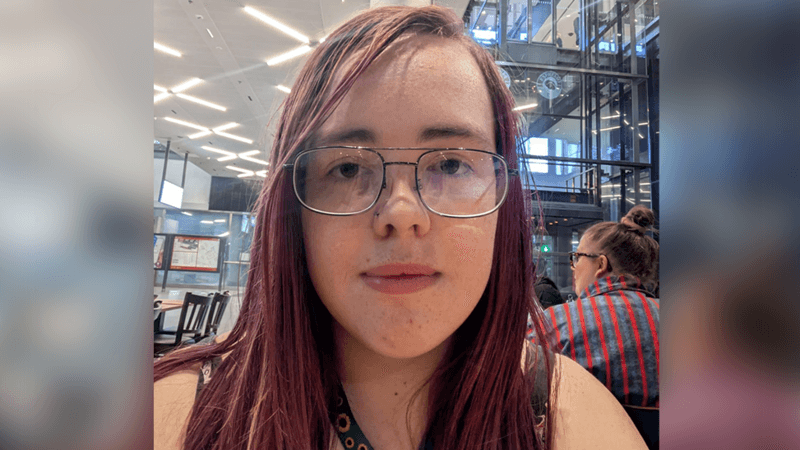
Josephine Rogers, a 19-year-old from Newport, was among hundreds of passengers stranded when her flight home from Finland was cancelled during a major air traffic control failure on 8 September 2026. She spent eight hours queuing at Amsterdam Schiphol Airport without access to the disability support services she relies on, highlighting how disabled travellers face compounded difficulties when travel systems break down.
Rogers, who has fibromyalgia, a condition causing severe pain that can leave her unable to walk long distances or stand for extended periods, was part of a cultural exchange group of 13 young people returning from Finland. The disruption that day affected far more than her flight: according to Euronews, the technical fault caused more than 1,000 flight cancellations across the UK, with flight-tracking data indicating the scale exceeded 2,000 cancelled flights, with hundreds still grounded the following day.
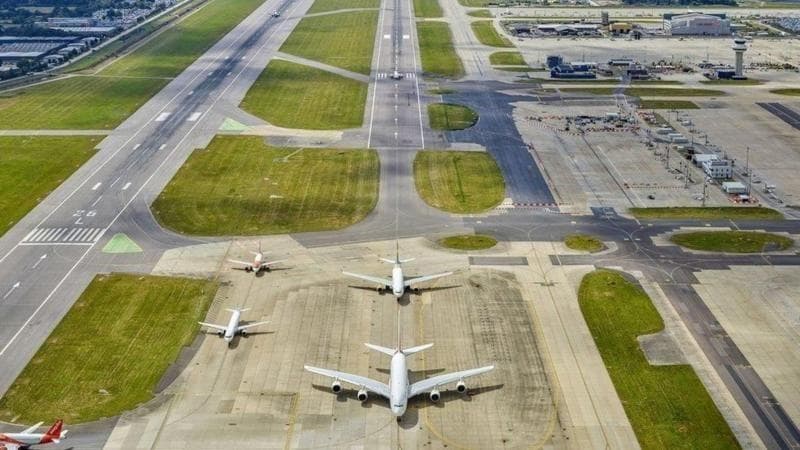
The crisis originated from a software fault in NATS' flight-plan processing system affecting UK and Irish airspace. At Amsterdam Schiphol alone, 58 flights between Amsterdam and UK airports were cancelled, with airlines including KLM, easyJet and British Airways cutting services. The disruption rippled across 15 UK airports and beyond as airlines and airports worked to clear the backlog.
How did the disruption affect disabled passengers?
Rogers described how the special assistance she required became unavailable during the chaos. She explained that her condition causes
extreme pain that leaves me bed-bound for days, and when severe,
my leg start to buckle and you can't think with pain. Normally, she can navigate airports with dedicated support services, but on 8 September these were suspended.
During the eight-hour wait, Rogers found herself without assistance at automated gates, and when the group progressed to passport control, the additional needs lane was closed.
We waited at the desk a half an hour and no one came, she said. The experience reinforced her broader frustration with disability provision in the UK.
After years of promises and laws to do better for disabled people it seems like no progress has been made. When the system fails, it fails us even more.

What broader impact did the disruption have?
Rogers' experience reflects a wider pattern: when major operational failures occur, disabled and elderly passengers face disproportionate hardship. She observed that
it makes a hard situation even worse for a large portion of people, elderly and disabled. The disruption on 8 September was particularly severe because it affected not just one airport but the entire UK aviation system, leaving no alternative routes or support structures in place.
Schiphol Airport acknowledged the problem in a statement, saying:
Passengers with reduced mobility can be particularly affected by disruptions. It is precisely in situations like these that people should be able to rely on support. We therefore understand how frustrating it can be when a journey is already complicated by disruption and someone feels they are not receiving the assistance they need.The airport added that
situations involving major operational disruptions can be particularly challenging, and noted that demand for assistance had been
increasing for many yearswhile the airport continued to
invest in this area.
What happened after the group reached home?
Charities stepped in to help Rogers' group return to Wales. Both Taith, the cultural exchange organisation that sponsored the trip, and Mind in Gwent, a mental health charity where Rogers works, assisted in arranging train transport home. However, the disruption created additional problems: Rogers' luggage, containing medications she needed, remained missing two days after she arrived home, adding to the stress of the already difficult journey.
What recourse do affected passengers have?
Schiphol Airport stated that passengers who believe the assistance they received fell short of expectations can lodge formal complaints with either the airport or the airline involved. The airport encouraged those affected to use this process, though it remains unclear what compensation or remedies might result from such complaints in cases of system-wide disruption.
What happens next with the backlog?
NATS confirmed that the technical fault had been resolved, but recovery continued into the following day with further cancellations and delays across UK airports. Aviation regulators and NATS were working to clear the backlog of delayed flights, with disruption expected to persist beyond the initial day of the crisis.
Key Facts:
- Josephine Rogers, 19, was left without disability support for eight hours at Amsterdam Schiphol during the 8 September 2026 air traffic control failure
- The disruption caused more than 1,000 flight cancellations across the UK, with some estimates exceeding 2,000 cancelled flights
- Rogers has fibromyalgia, a condition causing severe pain that restricts her mobility and requires airport assistance services
- Charities including Taith and Mind in Gwent helped the group of 13 young people return home by train
- Schiphol Airport encouraged affected passengers to lodge formal complaints if they felt assistance did not meet expectations