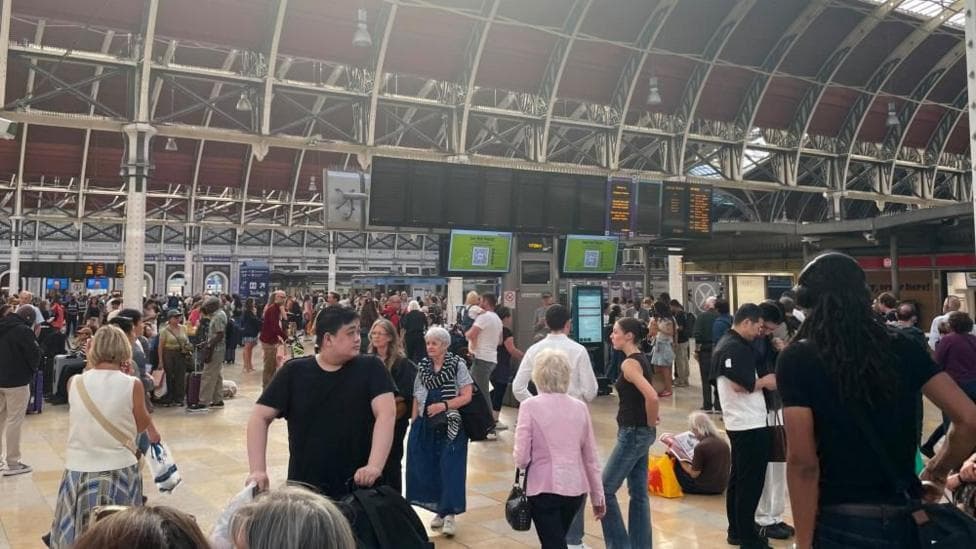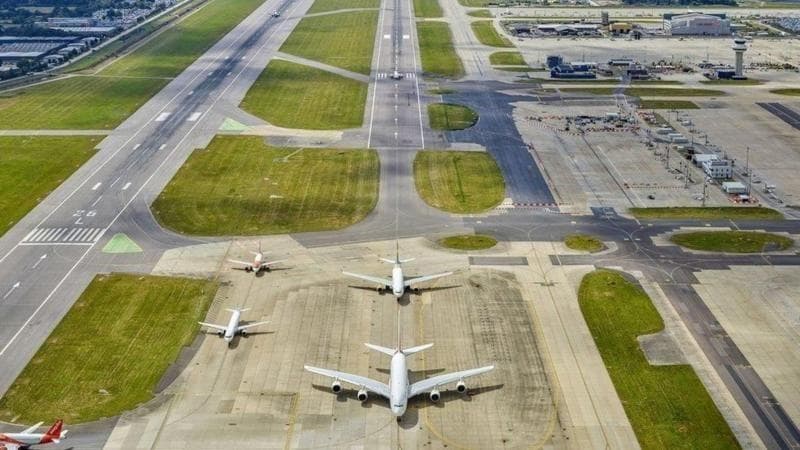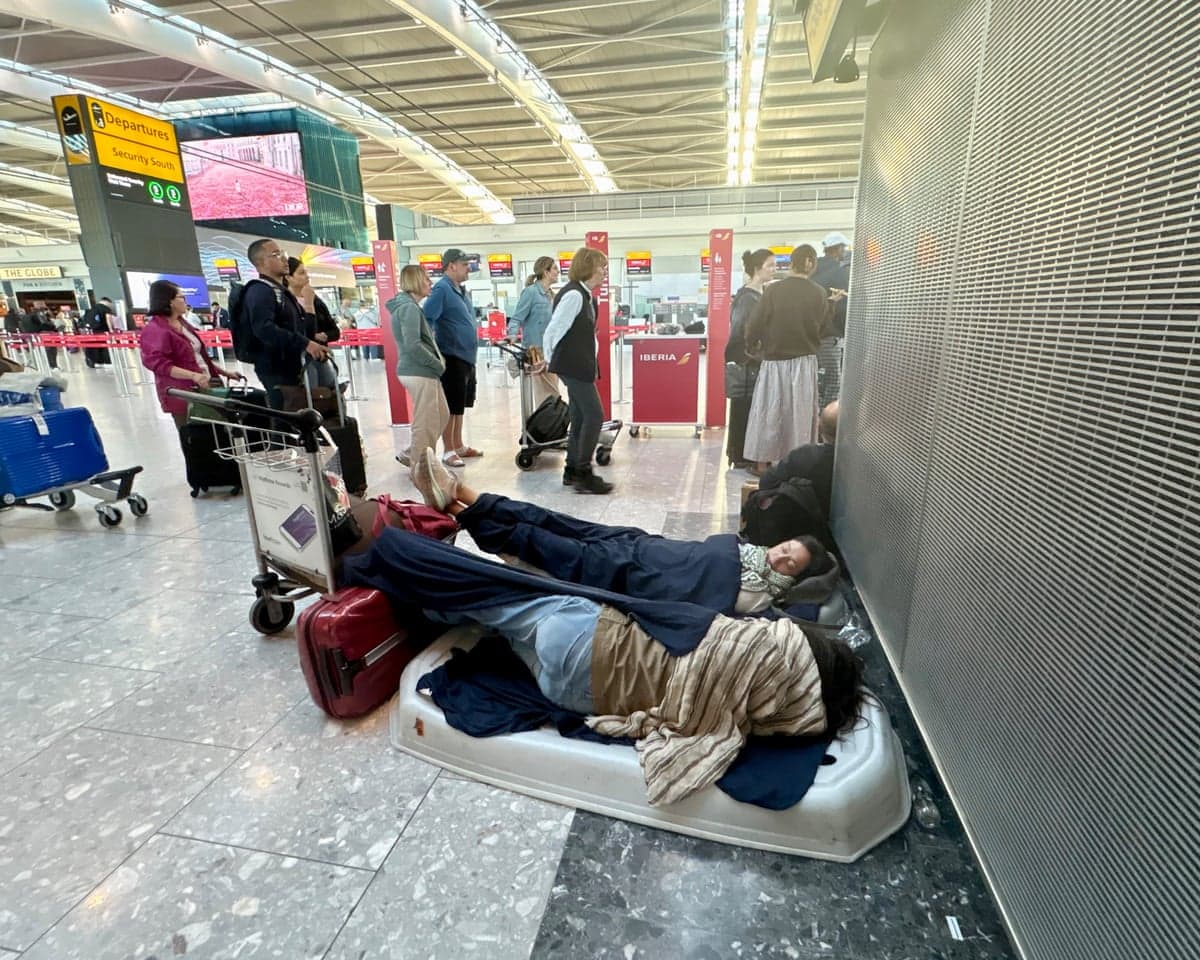
The chief executive of National Air Traffic Services has been called to meet the UK transport secretary as flight disruptions persisted into a second day following a system malfunction, with cancellations exceeding 1,300 across British airports.
Martin Rolfe is scheduled to meet Heidi Alexander before she addresses Parliament for the second reading of the Civil Aviation Bill. The incident, which began around 1pm on Tuesday at the air traffic control provider serving 15 UK airports, has stranded hundreds of thousands of passengers and intensified scrutiny on the organisation's leadership.
According to flight-tracking data, approximately 490 departure delays and around 525 arrival cancellations or delays were recorded at major hubs including Heathrow, Gatwick, London City, Luton, Edinburgh and Bristol by 15:18 GMT on Tuesday. By Wednesday morning, Heathrow had recorded 246 cancellations, while Gatwick faced 33.
Rolfe ruled out a cyber attack as the cause and apologised to affected passengers.
I'd like to start, as you might expect, by apologising to everyone who's been impacted by the issue that we had yesterday.He confirmed that
We will be doing a very, very thorough and full investigation. We have at this point ruled out cyber. We don't believe it was a cyber attack.
The disruption originated in the organisation's flight data processing system. According to reports from aviation sources, the airspace remained open while engineers worked to restore normal operations, and the system was eventually restored after nearly four hours. However, by that point, most flights scheduled for departure had not yet taken off, and the disruption extended to incoming flights across much of southern England.
Rolfe stressed that safety remained the organisation's priority throughout the recovery effort.
There is nothing we hate more than delaying people, and not allowing them to get to their destination. It disrupts airports and disrupts airlines. And we absolutely take accountability and responsibility for that. That is our job. But our job is also to make sure that people stay safe. We never do this lightly.
He added that
We had everybody on site. Everybody was in the right place. We had all the engineers in place. We had our various partners from software industries and so on, all on hand. So this was resolved as quickly as it could be, but within the limits of making sure that it all stayed safe.
What caused the disruption?
The underlying problem lay within the flight data processing system operated by National Air Traffic Services. Rolfe indicated that the incident was unprecedented in the organisation's operational history.
I don't believe we've ever seen an incident happen more than once. So this will be something different that we've never seen in 50 years of operation.
The organisation stated that
This has been a very complex recovery and has created difficulties for the whole aviation network, from which it will take time to recover.
How is the recovery progressing?
Flights from British airports had begun resuming early on Wednesday, but airports warned disruption would continue because aircraft were in the wrong places after the outage. Heathrow Airport stated that
Following yesterday's NATS technical issue, flights are operating today, but some disruption may continue as airlines reposition aircraft and crew. Please check your flight status with your airline before travelling to the airport and only travel if your flight is confirmed to be operating.
The airport added:
We apologise to those affected and have extra colleagues across our terminals to support passengers while we work with NATS and airline partners to restore normal operations as quickly as possible.

However, flight tracking data indicated that 177 additional flights were cancelled on Wednesday, with nearly all cancellations occurring at London Heathrow as the backlog continued to clear.
What have government officials said?
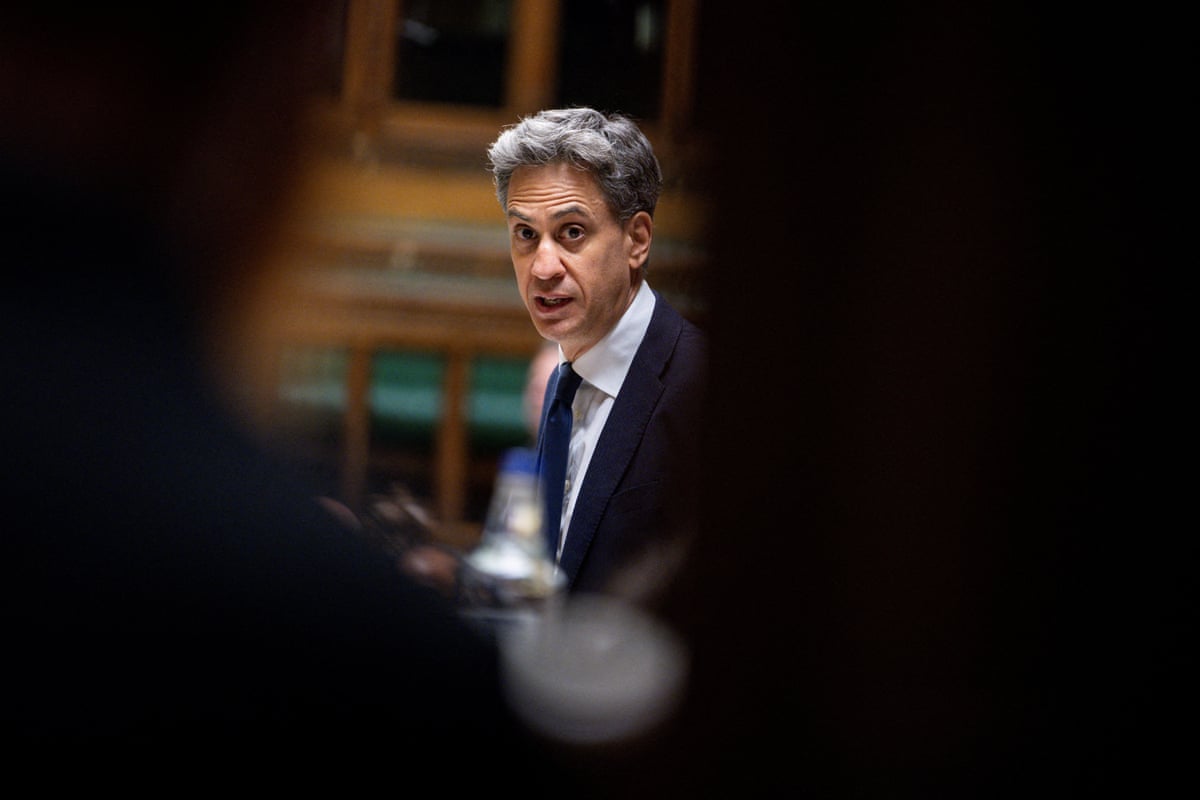
Foreign Secretary Ed Miliband described the disruption as unacceptable and stressed the need to prevent recurrence.
First of all, I want to apologise to all of the passengers who have faced disruption. This is frankly unacceptable. It was a problem at the National Air Traffic Service, but we can't have this happen again.
He continued:
Frankly, we've got to have our airports running smoothly and properly, without those problems, and that is what the transport secretary will be asking for from the head of the National Air Traffic Service.
Has NATS invested adequately in its systems?
Rolfe defended the organisation's investment record, noting that it has spent more than £1 billion on technology since its partial privatisation 25 years ago.
Nats was actually a partial privatisation, 25 years ago, and since that point has had access to funding, we've invested way more than a billion [pounds], in technology over that time. Our service has consistently improved. Our safety has consistently improved from a very good base. But all of those things don't detract from the fact that when these things happen, it is disappointing and upsetting, for which I apologise.
He emphasised the complexity of operating critical infrastructure continuously.
We are in a critical national infrastructure business where safety is our priority and it runs 24/7. It runs, you know, every single day of the year, every minute of the day, every minute of the night. It is never quiet in UK skies. Inevitably, things do go wrong in complex systems. We never want them to. We always hope they won't, but we absolutely plan for them to and make sure we handle them properly.
When questioned about whether similar incidents occur in other countries, Rolfe responded:
Absolutely. In fact, I would say the UK has one of the best reputations in the world for its air traffic control service, both from a safety perspective and from a resilience perspective. We do have one of the best systems and one of the best services in the world. and that's consistently recognised globally.
Rolfe stated that he accepted full responsibility for the incident.
I am the CEO of a piece of critical infrastructure, so it is my job to take responsibility for that. What I absolutely take responsibility for is keeping people safe and delivering the best service we possibly can on a day like today. You will understand my focus is entirely about how we actually resolve this issue, get things back to normal, help our airlines, our airport customers and the travelling public.
What happens next?
Passengers have been advised to check with their airline for flight status on Wednesday and Thursday as the backlog clears. National Air Traffic Services said it would continue working with airlines and airports to recover from the disruption and restore normal operations as quickly as possible.
A thorough investigation into the incident will follow once immediate recovery efforts are complete. The disruption marks the third major stoppage at UK air traffic control in just over three years, intensifying pressure on the organisation and its leadership to prevent future occurrences.
Oil prices surge amid Middle East tensions
In separate market developments, Brent crude oil reached $100.19 per barrel, marking the first time since 24 July that the global benchmark has hit this level. The price jump of more than $2, representing a 2.2% increase, reflects escalating military tensions in the Middle East.
The oil price has risen by approximately one quarter since early last month as diplomatic hopes fade for a US-Iran nuclear agreement to end the six-month conflict that began with air strikes by the US and Israel on Tehran on 28 February.
This week, attacks by Iran-backed Houthi rebels from Yemen have targeted Saudi oil facilities, marking an escalation in the regional conflict. These strikes pose potential threats to oil shipments via the Red Sea, an alternative route to the Strait of Hormuz, which has been effectively closed for months.