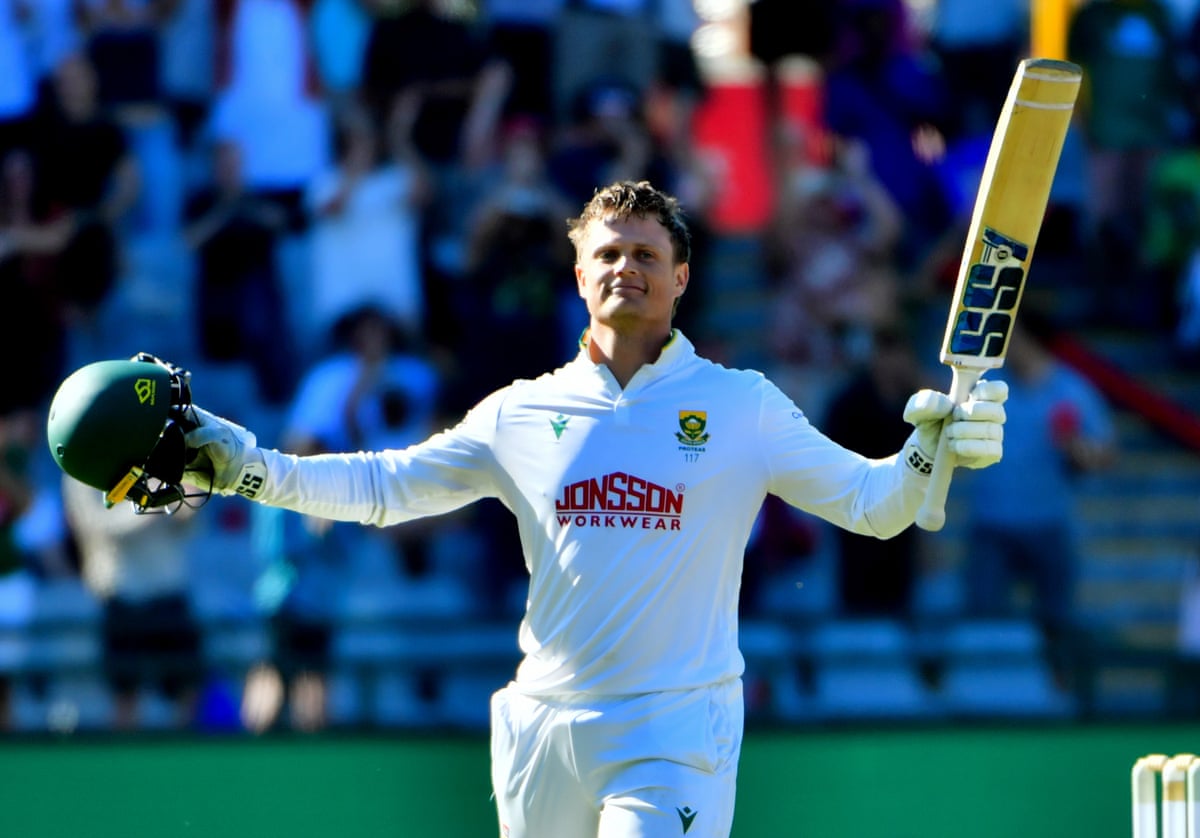
Ryan Rickelton and Wiaan Mulder both reached three figures on the fourth day of the third Test at Cape Town, transforming South Africa's position from precarious to commanding. The pair's partnership of 154 runs took the hosts from 40 for 4 to 387 all out, setting Australia a target of 288 runs to win the Test and claim the series. According to The Guardian, Australia's celebrated bowling quartet managed only four additional dismissals across the day, while BBC Sport noted that the target represents the second-highest fourth-innings chase in the 62 previous Tests at Newlands.
The series remains finely balanced after two Tests. Australia won the opening Test in Durban by 214 runs, while South Africa levelled the series with an innings victory at Gqeberha on 22 October 2026. This decider at Newlands will determine the outcome of the three-match contest, with the winner topping the International Cricket Council's Test rankings.
How did Rickelton transform his Test credentials?
Rickelton arrived at Cape Town as an unlikely candidate for a Test match century. The franchise cricketer, who spends most of his calendar year playing Twenty20 cricket, had struggled in the earlier Tests of this series. In Durban, he was dismissed for 0 and 2 while opening the innings, then managed only 31 at Gqeberha lower down the order. His aggressive T20 strike rate of 150 runs per hundred balls appeared incompatible with the demands of Test cricket, where his first-class average rate is roughly one-third of that pace.
Yet on the Cape Town pitch, Rickelton demonstrated a different skill set entirely. Rather than pursuing the aggressive approach that had characterised South Africa's first-innings batting, he and Matthew Breetzke absorbed sustained pressure from Australia's freshly rested bowlers. The surface offered little lateral movement, though Nathan Lyon extracted increasing turn from the footmarks and the short ball remained a threat. Rickelton's method was methodical: he punctuated solid defence with singles in most overs, keeping the innings ticking over. At tea on day four, South Africa were 294 for 5, with Rickelton and Mulder unbeaten after adding 113 for the sixth wicket, the lead standing at 194 runs at that point.
Breetzke's dismissal at lunch—pulled to long leg in an uncharacteristic moment of impulsiveness—appeared to have shifted momentum back towards Australia. The wicket ended a remarkable streak for Pat Cummins of 372 balls without a dismissal, unprecedented in his career despite some effective spells. However, Rickelton was now immovable, and when Mulder joined him, the partnership developed into a war of attrition that frustrated the Australian attack for the remainder of the day.
What made the Rickelton-Mulder partnership so difficult to break?
The partnership's resilience lay in its combination of defensive solidity and selective aggression. Lyon continued to extract turn with his off-breaks, finding edges that deflected safely off body and bat, but the batsmen's technique remained sound. Mulder occasionally attacked the spinner, while Rickelton showed the ability to punish the rare loose delivery from the fast bowlers, driving down the ground when Australia overpitched and backing himself on the up once the new ball lost its seam movement.
Marnus Labuschagne, Australia's leg-spinner, generated considerable turn from his position, but Mulder's initial response was to sweep outside leg stump, where the only genuine risk was a gloved catch. The pair tormented the Australian bowlers deep into the final session, with Rickelton's century arriving after a laboured passage through the 90s. At that point, South Africa's lead had swelled to 235 on a pitch that was rapidly deteriorating, and the match's complexion had shifted decisively. According to BBC Sport, South Africa's false shot percentage was just 11 per cent across day four, a drop from 18 per cent on day three, indicating the batsmen's growing control.
How did Australia finally break through?
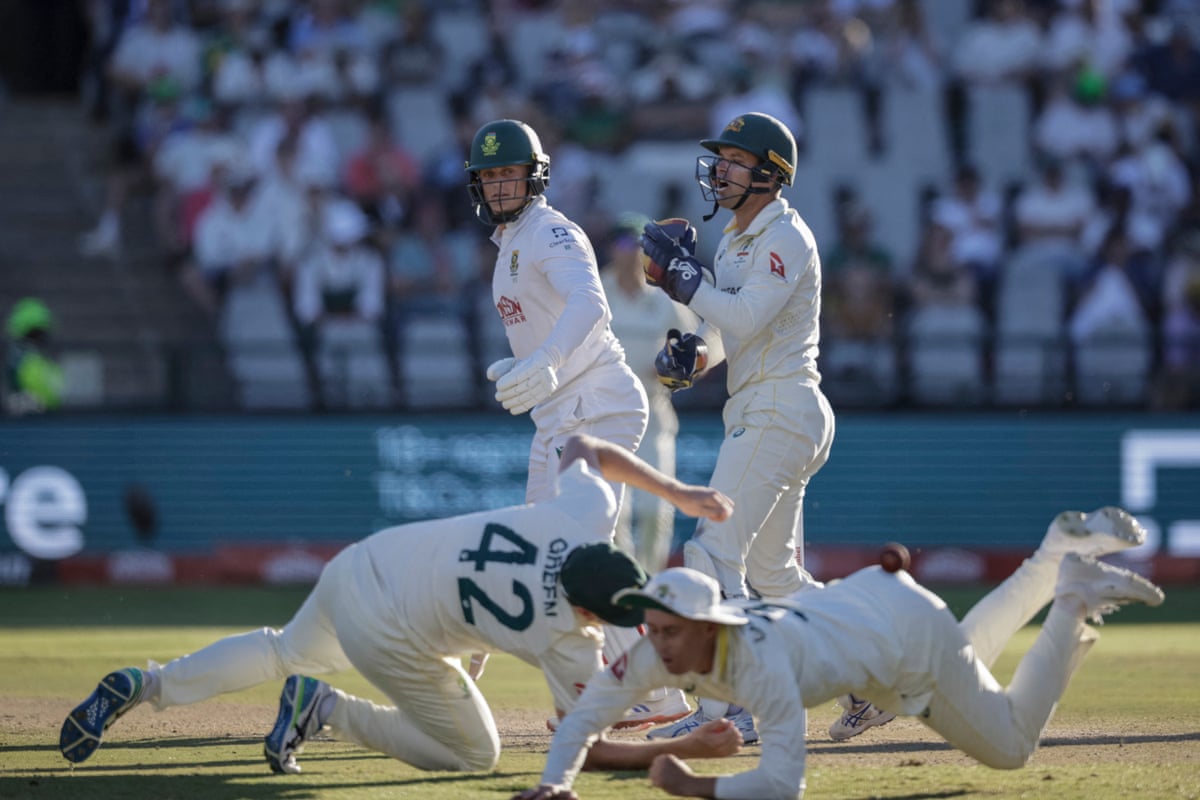
Rickelton's departure triggered a late flurry of activity. Mulder, attempting to accelerate, switched to reverse-sweeping Labuschagne's leg-breaks aimed at the off-side fence. A full toss that would normally have cleared the boundary was instead struck directly to Inglis at backward point. The fielder spotted Rickelton running and Mulder standing still, allowing Labuschagne to gather the throw and complete a run-out for 101.
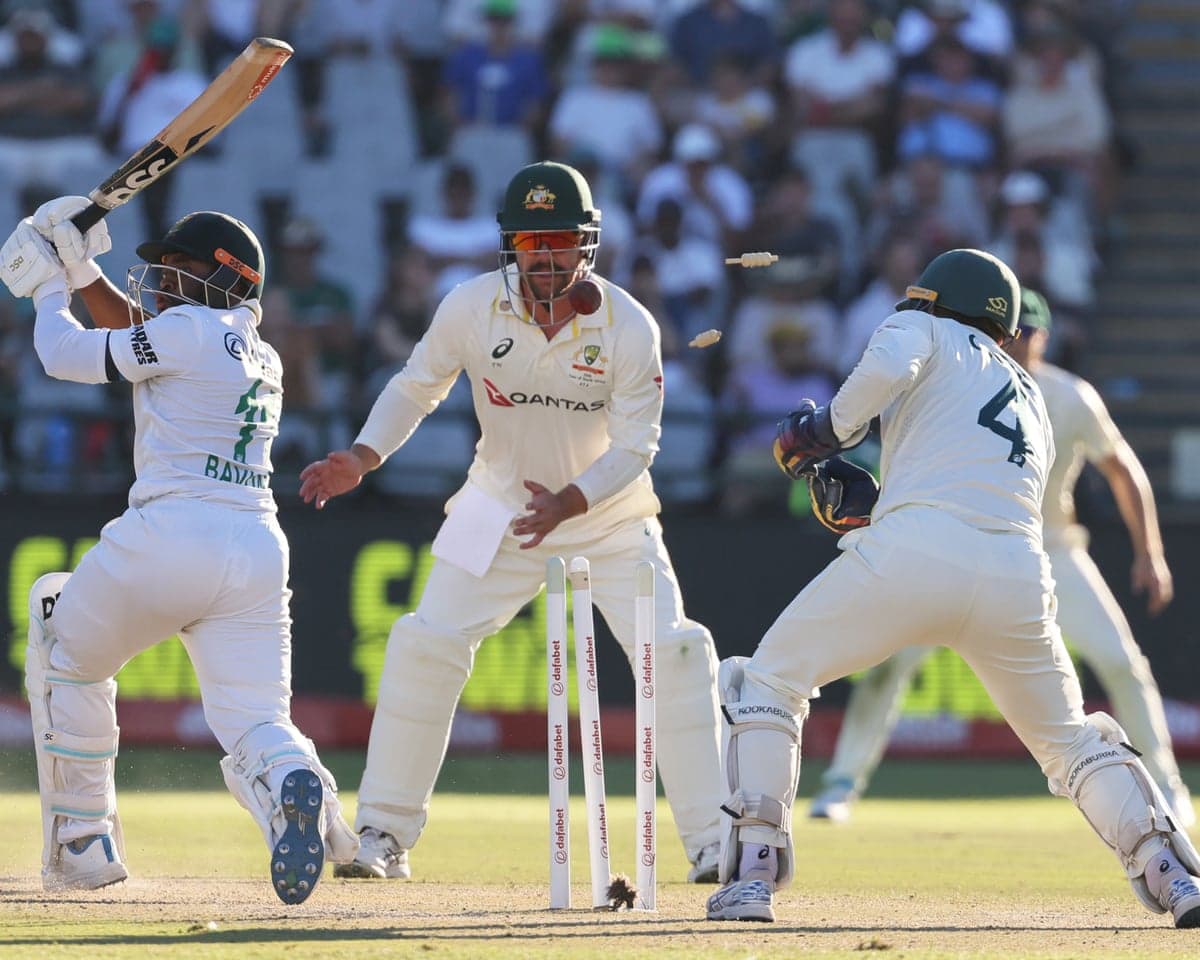
The breakthrough opened the door for Australia, but South Africa's lower order proved more resilient than expected. Marco Jansen followed the trend of holing out on the pull, hitting Starc to Lyon for nought. Lyon finally claimed his first wicket of the day when Simon Harmer shouldered arms on 1, the off-spinner's turn proving decisive. Gerald Coetzee then ran himself out for the same score, Labuschagne producing a direct hit from the cordon to the non-striker's end.
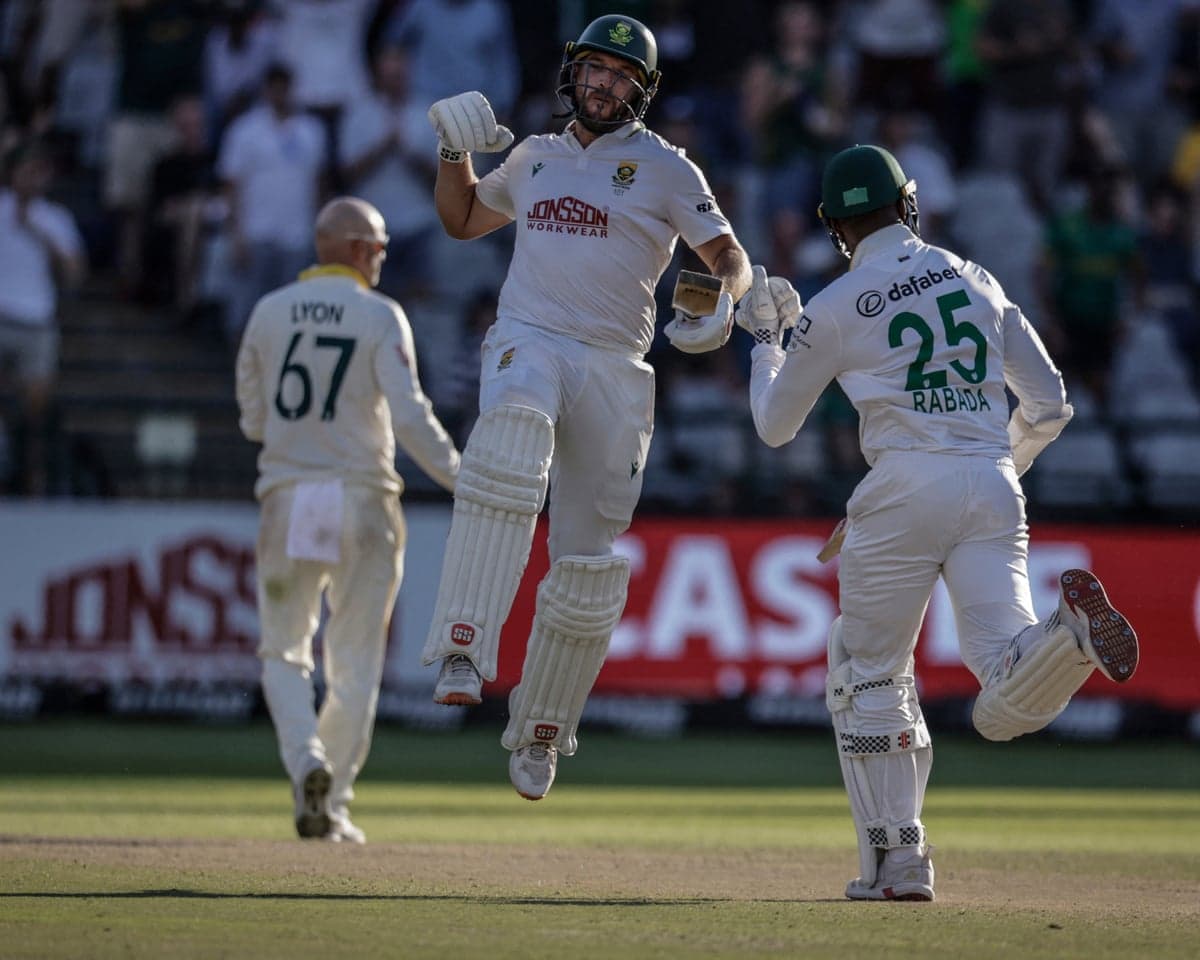
With South Africa nine down and only 251 ahead, Australia sensed an opportunity. However, Mulder steadied the innings alongside Kagiso Rabada, farming strike for extended periods while targeting boundaries. He progressed from 82 to 115, finally falling in the last over of the day when he attempted to hit a fifth six off Cummins, caught down the ground from a cross-bat shot. The final-wicket partnership between Mulder and Rabada added 36 runs, suggesting that run-scoring remains possible on the surface despite its deterioration.
What does the pitch tell us about day five?
The wicket has deteriorated significantly by day four, offering increasing assistance to spinners, which could prove decisive in the final innings. According to BBC Sport, the PitchViz rating—a measure of surface difficulty—jumped to 6.6 in the final session, comfortably the highest rating of the Test. The ball was turning significantly more in the final session than at any point across the previous four days. However, uneven bounce has not yet been a factor, though one delivery to Rickelton shortly after tea shot low, suggesting the surface may become increasingly unpredictable.
Simon Harmer's dismissal in the final session, bowled shouldering arms by a ball from Nathan Lyon which turned back sharply, demonstrated the difficulty ahead for Australia's batsmen. Harmer dismissed Travis Head, Marnus Labuschagne, Josh Inglis and Alex Carey in Australia's first innings—all recognised batters—and the 37-year-old Essex spinner will be crucial to South Africa's chances on day five.
What does history suggest about Australia's chances?
Australia's target of 288 is precisely calibrated for a contest that has remained evenly poised throughout. According to BBC Sport, if Australia chase it successfully on day five, it would be the second-highest fourth-innings chase in the 62 previous Tests at Newlands. The highest was Australia's own chase of 331 for a four-wicket win in an epic Test against South Africa in 2002, when Ricky Ponting hit a brilliant 100 not out. There have been five other scores above 288 in the fourth innings at Newlands—all of which were made in defeats or when salvaging a draw.
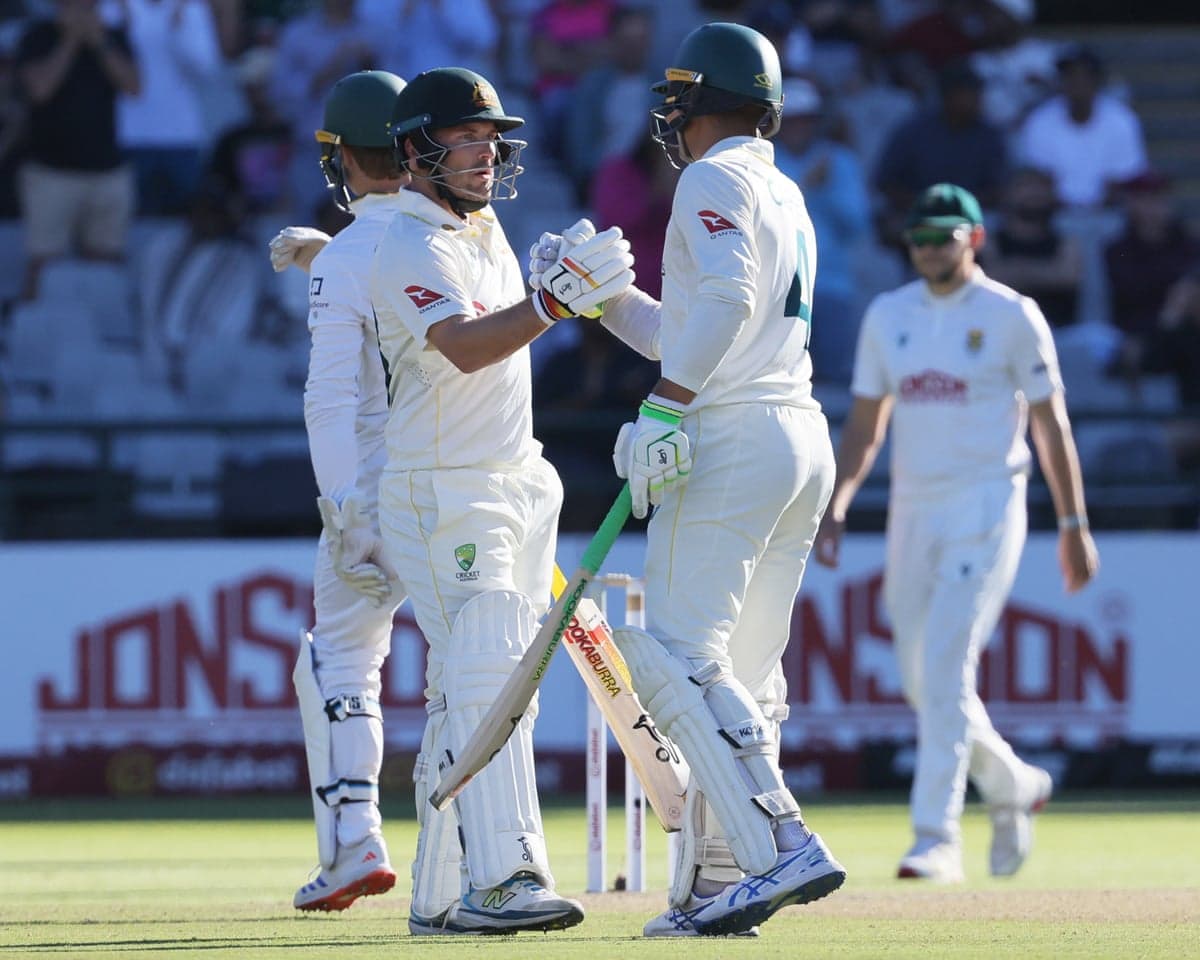
Australia's first-innings total of 429 had given them a 100-run lead over South Africa's opening 329. Josh Inglis contributed 102 and Alex Carey 80 to that total, while Simon Harmer took 4 for 104. However, Australia's record in fourth-innings chases has improved markedly in recent years. Between 2008 and 2019, they failed in 14 of their 17 fourth-innings chases when set targets between 200 and 350. Since 2023, however, Cummins' men have pulled off pursuits of 282 and 279, in addition to a Perth victory last year.
Travis Head is likely to play a crucial role in Australia's pursuit. Faced with a target of 205 in the first Ashes Test almost a year ago, the opener thrashed a sensational 123 from 83 balls to turn a tricky chase into a riotous charge to victory over England. Few sides have been better in key moments in the modern era, and Saturday will provide another chance for Australia to deliver under pressure.
What happens next?
The match is scheduled to conclude on 31 October 2026, with the fifth day providing a full innings for Australia to pursue their target. The series outcome now rests on Australia's ability to construct a substantial chase on a wearing surface against a South African attack that has shown considerable resilience. Both teams have demonstrated their capacity to recover from difficult positions in this series, making the final day genuinely unpredictable.