
A Scottish council that has operated without traffic wardens for over a decade is preparing to reintroduce them within months as it seeks to address what residents and officials have characterised as parking enforcement breakdown on its streets.
Dumfries and Galloway Council is among a small number of Scottish local authorities without a Decriminalised Parking Enforcement (DPE) regime. According to BBC News, the council applied for DPE powers in June of the previous year, and Transport Scotland has indicated that the authority to issue penalty notices should be granted by the end of the current year.
The last traffic wardens departed from Dumfries and Galloway's streets following a review that took place after Police Scotland's establishment in April 2013. Since that time, the vast majority of Scottish councils have adopted DPE arrangements, which empower their own enforcement officers to issue penalties for parking violations.
What prompted the push for traffic wardens?
Parking conditions in Dumfries have deteriorated significantly, with residents and council members expressing serious concerns. Earlier in the year, Councillor Linda Dorward raised the issue at a meeting of the Nithsdale area committee, describing the situation in stark terms.
"Restrictions are routinely ignored and dangerous parking is commonplace,"she stated, adding that
"We might as well not have any double yellow lines in Dumfries town because nobody bothers about them."
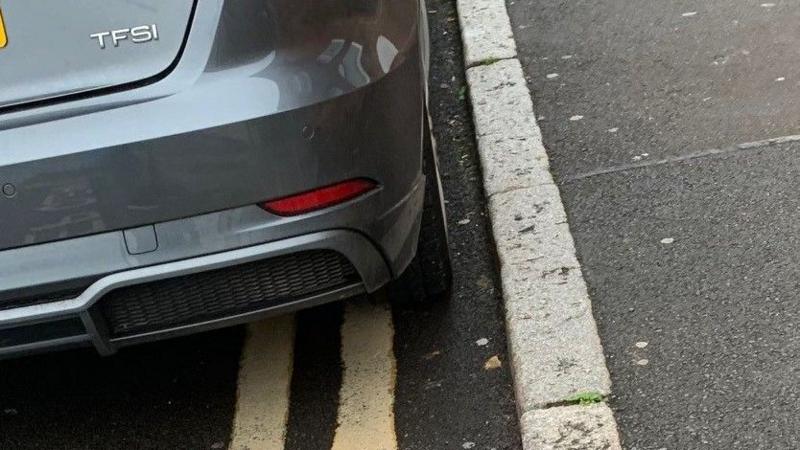
The absence of dedicated enforcement has created what officials characterised as "near anarchy" on the town's streets. Councillor Dorward called for a clear timeline to be established for introducing DPE, which would enable the return of traffic wardens to tackle the problem.
How will the new enforcement system work?
Once the powers are formally granted, Dumfries and Galloway Council will determine the timing and approach for enforcement operations. Some local authorities have chosen to implement a transition period in which drivers receive warning notices before penalty charges are formally issued. Transport Scotland confirmed that such decisions rest with individual councils.
According to the Daily Record, the council's proposed scheme was budgeted to generate £412,781 in income for 2025–26, which could require issuing between 4,127 and 8,254 tickets depending on whether drivers paid the full £100 penalty or a reduced £50 charge. A 2024 council report proposed deploying six wardens: two stationed in Dumfries, one in Stranraer, one covering the central zone, one for the eastern zone, and one roving officer.
Police have acknowledged they have "no capacity" to conduct regular parking patrols but have committed to focusing on "problematic areas when there are no other higher priority issues or incidents to deal with."
Where does Dumfries and Galloway stand nationally?
Currently, 23 of Scotland's 32 councils possess DPE powers, with Dumfries and Galloway positioned to become the 24th. Transport Scotland confirmed that no other local authorities are currently progressing through the application process. According to Transport Scotland's 2025–26 annual report, Dumfries and Galloway has applied to Scottish Ministers to decriminalise parking enforcement and is awaiting a formal response.
The broader context of parking enforcement challenges extends across Scotland. The Scottish Borders lost its last dedicated roads policing department in 2026 after nearly 60 years, with officers relocated to Midlothian, eliminating specialised traffic enforcement across 2,000 miles of roads. Meanwhile, enforcement practices elsewhere have drawn criticism, with drivers in Cardiff fined £100 for using a pub car park to access parcel lockers, prompting complaints about signage and grace periods.
What happens next?
Transport Scotland's published process indicates that draft statutory instruments will be laid before the Scottish Parliament, and if no objections are raised during the 28-day negative procedure, the powers will come into force. Once Dumfries and Galloway receives formal approval, the council will need to establish operational procedures, recruit and train wardens, and determine whether to implement a warning period before issuing penalties.