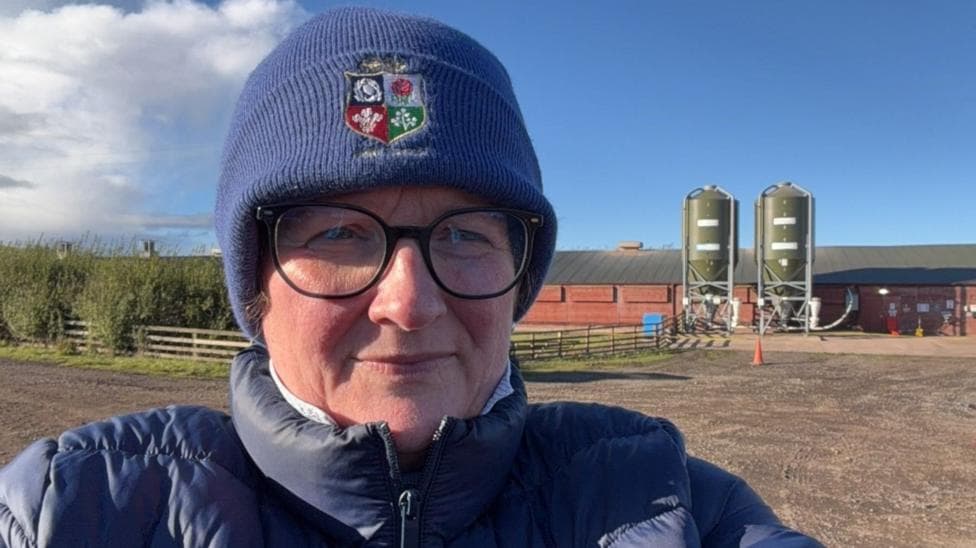
A free-range egg producer in Northumberland has become England's first confirmed case of highly pathogenic avian influenza this season, resulting in the loss of 32,000 birds and an estimated financial impact exceeding £100,000. Catherine Armstrong discovered the outbreak at her farm near Belford this week after finding dead birds accumulating in her barns. According to BBC News, the virus is believed to have been introduced by wild birds despite the farm's strict biosecurity protocols.
Armstrong described the emotional toll of the outbreak, which unfolded rapidly over several days. Her flock, which normally produces 28,500 eggs daily for supply to UK supermarkets, began showing signs of illness a week before confirmation. The situation deteriorated swiftly: initial deaths of 39 birds on Friday escalated to more than 1,000 by Sunday night, and within two days of the virus being confirmed on Tuesday, all remaining poultry had been culled to prevent further spread.
The outbreak has triggered significant trade restrictions. Hong Kong suspended imports of poultry meat and products, including eggs, from the affected Northumberland area on 21 October, and the UK's confirmed Belford case caused Great Britain to lose its freedom-from-HPAI status. Control measures have been implemented across the region, with a 3-kilometre protection zone and 10-kilometre surveillance zone established around the farm.
How did the outbreak develop?
Armstrong first noticed problems when her employee reported unusual mortality in the shed.
"At this age of the flock, you would tend to see the odd death but on the Friday my lady who works in the shed messaged me at night to say that 39 had died,"she explained. The Animal and Plant Health Agency (APHA) was contacted and a veterinary assessment was arranged, though Armstrong suspected the diagnosis before confirmation arrived.
"In my heart of hearts, when you are shovelling dead birds out of a shed, you feel... well, I didn't need the results. I knew what the results would be."By Tuesday, the virus had been confirmed as H5N1, and the scale of the problem became apparent as thousands of birds lay dead across the facility.
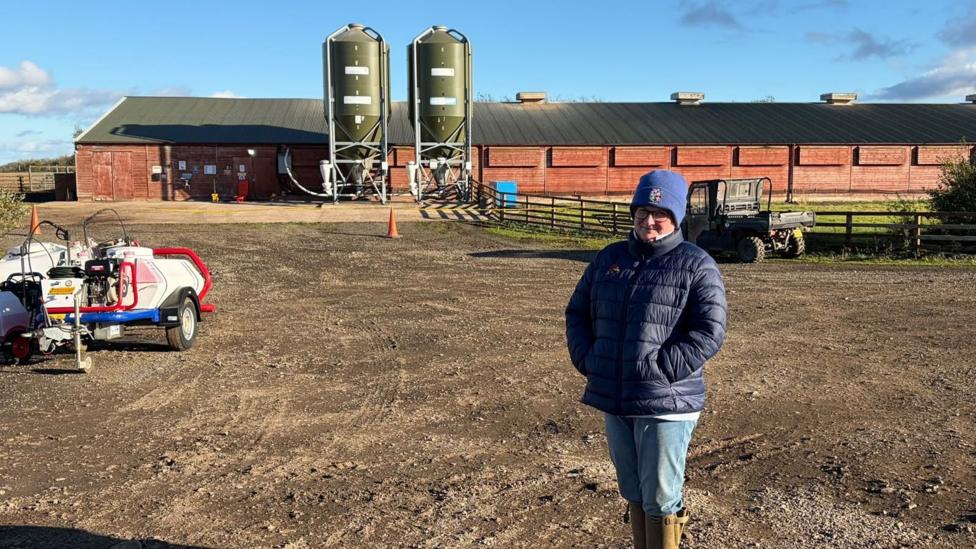
What emotional impact has this had on the farmer?
Armstrong described an intense emotional journey through the crisis, moving from shock to anger to resignation and finally to grief.
"All your worst fears, I suppose, are realised then. It is an emotional roller coaster. I mean, for instance, on the Sunday, I just felt numb. On the Monday, just a bit like 'Why me?'. Angry, cross, upset. On the Tuesday, it's a bit matter of fact. It's like, 'Right, we've got to do this. I've got to do that'. And on Wednesday, I was just desperately sad."
The visual impact of the outbreak proved particularly distressing.
"Normally, you'd open up a hen shed door and there'd be 16,000 birds looking at you but to see them all lying dead, just a carpet of dead birds, is quite shocking. As a poultry keeper, it's a horrible shock."Despite the devastating financial and emotional toll, Armstrong expressed determination to rebuild, stating she was not going to allow the outbreak to defeat her business.
What is the wider industry response?
Armstrong praised the APHA staff for their rapid response and the broader poultry industry for its support during the crisis. Gary Ford, of the British Free Range Egg Producers' Association (Bfrepa), acknowledged that the farm maintained high biosecurity standards but noted that such measures cannot guarantee protection.
"sadly, as was the case here, that does not always prevent infection as free-range hens come into regular contact with wild birds, which spread this dreadful disease"he said.
Ford indicated that Bfrepa would be pressing the government to implement a regional housing order to protect poultry farms located near coastal areas and known migration routes of wild birds. This reflects growing concern within the industry about the vulnerability of free-range operations to disease transmission from wildlife.
What preventive measures are being considered?
Farmers have been awaiting results from a government trial of a bird flu vaccine in turkeys, which concluded in August. However, the Department for Environment, Food and Rural Affairs (Defra) confirmed that results would not be available until the end of the year, meaning vaccination would not be an option for the current bird flu season. Veterinary agencies will continue assessing risk as wild-bird migration progresses, with housing orders or prevention zones potentially following if the situation deteriorates further.
An APHA spokesperson warned that colder temperatures and the arrival of migratory birds were expected to drive an increase in infection cases.
"it is so important that bird keepers have robust biosecurity measures in place to limit the spread of this devastating disease"the agency stated.
What is the public health risk?
The UK Health Security Agency (UKHSA) assessed the risk to the general public's health posed by avian influenza as very low. The Food Standards Agency (FSA) similarly determined that bird flu poses a very low food safety risk, with properly cooked poultry and poultry products, including eggs, remaining safe to eat. These assessments have been consistent despite the outbreak's severity at farm level.
What is the broader context?
This outbreak represents a significant escalation in the 2026–27 bird flu season in the UK. The first confirmed case of the season was H5N5 in poultry on the Isle of Lewis on 2 October, which prompted authorities to establish protection and surveillance zones around that property. The Belford case marks England's first confirmed outbreak of the season and introduces a different viral strain, H5N1, adding complexity to the outbreak response.
The loss of freedom-from-HPAI status for Great Britain carries trade implications beyond Hong Kong's import suspension. The government has assessed poultry exposure risk as low with poor biosecurity measures and very low with consistently stringent biosecurity, providing some reassurance for farms that maintain high standards. However, the Belford farm's experience demonstrates that even well-managed operations remain vulnerable to introduction of the virus through wild bird contact.
Key Facts
- Catherine Armstrong's free-range farm near Belford, Northumberland, lost 32,000 egg-laying birds to H5N1 bird flu, with estimated losses exceeding £100,000
- The outbreak developed rapidly over a week, from initial deaths on Friday to confirmation on Tuesday and complete culling by Wednesday
- A 3-kilometre protection zone and 10-kilometre surveillance zone have been established around the farm, with public footpaths closed and poultry keepers required to house or net their birds
- Hong Kong suspended imports of poultry products from the affected area, and Great Britain lost its freedom-from-HPAI status following the confirmed case
- A government vaccine trial concluded in August but results will not be available until the end of the year, leaving no vaccination option for the current season