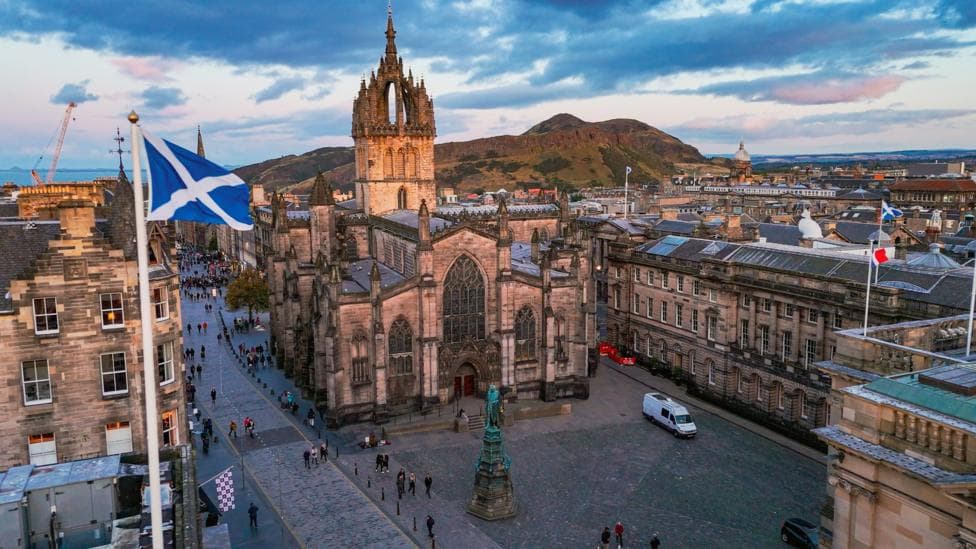
Scotland's local government faces its most significant restructuring in decades, but council leaders are demanding a fundamental rethink of the Scottish government's ambitious proposals. According to BBC News, ministers have outlined plans to replace the country's 32 councils with six to ten large regional authorities alongside 120 to 160 smaller community bodies. Following a gathering of all 32 council leaders, the umbrella organisation Cosla has rejected the government's structural approach and set out an alternative vision centred on devolving greater powers to local communities and overhauling how councils are funded.
Cosla president Shona Morrison acknowledged that public services require transformation but insisted the Scottish government's proposals and its engagement strategy "need a rethink". The council leaders' counterproposal prioritises building on existing councils through enhanced regional collaboration rather than dismantling the current system entirely.
What exactly is the government proposing?
The Scottish government has positioned "public service reform" as a cornerstone objective for this parliamentary term. Although the SNP's election manifesto made no mention of wholesale local government restructuring, ministers rapidly developed a comprehensive vision after councils pressed them for clarity on their intentions.
Under the government's plan, Scotland would be divided into six to ten large regional authorities responsible for major services including education, waste management, economic development and significant planning applications.
Alongside these regional bodies, the government envisions 120 to 160 smaller community authorities handling neighbourhood-level matters such as business licensing and town centre regeneration. Island communities would operate under separate arrangements. The government initially proposed completing agreement on a path forward within just three months, an ambitious timescale that has already drawn scepticism from council leaders.
How are councils responding to these proposals?
Cosla has reframed the debate, arguing that discussions must focus on the outcomes local government delivers for communities rather than structural reorganisation alone. The council leaders' alternative approach differs markedly from the government's vision.
Cosla proposes retaining the 32 existing councils as the foundation while introducing stronger "regional collaboration and shared capacity". Services would be integrated across larger areas "without automatically assuming a new regional authority is needed". The organisation has indicated openness to "voluntary consolidation of councils" where communities support it, but only following "democratic agreement".
Cosla has questioned whether the proposed 130-plus community authorities would deliver genuine added value. Instead, council leaders are advocating for a "whole-system" review examining where powers should sit across Holyrood, the NHS, national agencies and public bodies alongside councils—with the objective of positioning decision-making as close to communities as possible.
This approach aligns partially with First Minister John Swinney's broader vision, which includes reducing mainland health boards from 14 to two and consolidating numerous public sector bodies and agencies. However, the scope of the undertaking is staggering: a complete restructuring of Scotland's governance architecture.
Could council tax reform be part of the deal?
Conversations with local government officials reveal that financial concerns often outweigh structural ones. The traditional autumn debate over local government's budget settlement from Holyrood is approaching, and Cosla has made "funding guarantees" a non-negotiable element of discussions from the start—including reform of council tax.
The SNP has championed council tax abolition since 2003, though it typically frames such changes as long-term objectives. Last summer, the party stated that reforms "will not be possible this decade" because revaluing properties would demand an electoral mandate in 2031.
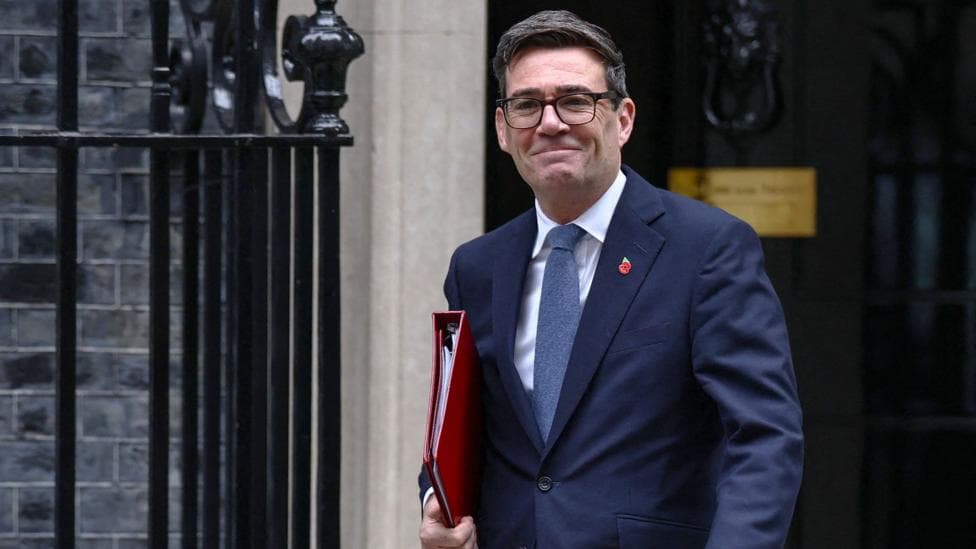
The existing system relies on property valuations from 1991, meaning someone must eventually confront the politically fraught task of updating assessments. Council tax reform extends beyond the current system, as demonstrated by innovations such as visitor levies. The "roadmap" for fiscal devolution recently announced for English councils presents intriguing possibilities. Chancellor John Healey has proposed directing some income tax revenues directly to local authorities—a concept the SNP favoured enough to include in their 2016 election manifesto. Greater Manchester Mayor Andy Burnham has characterised Scotland as "one of the most centralised nations in Europe", raising the question of whether his devolution discussions with Swinney might result in additional powers flowing to local level beyond Holyrood.
What are the immediate next steps?
Cosla leadership is scheduled to meet First Minister Swinney the week following 30 October for substantive negotiations now that both sides have articulated their positions. Deputy First Minister Jenny Gilruth, who also serves as Finance Secretary, is expected to attend and may prove instrumental given her responsibility for presenting the government's budget plans in early December.
Cosla has stressed that reform plans "cannot be separated" from the forthcoming budget, which faces severe financial constraints. The Scottish government's own medium-term financial strategy projects a £4.8 billion shortfall between planned expenditure and anticipated income by 2029-30. Council leaders are unlikely to embrace reform proposals without credible funding commitments, and budget negotiations could easily derail reform discussions if adequate resources are not allocated.
Public sector pay arrangements present another complication. The three-year pay envelope agreed two years ago leaves minimal flexibility, and absent additional funding, disputes with unions over pay settlements appear probable—the same unions that will influence local reform negotiations. According to Local Government Association reporting, Cosla and unions including UNISON, Unite and GMB have warned that the proposals are generating uncertainty for council staff, with critical questions about employment, staff transfers and contractual terms remaining unanswered.
Council elections across Scotland are scheduled for May next year. The government maintains these can proceed because the new system could preserve existing ward boundaries, allowing the 1,226 councillors elected in May to transition to the new authorities, serving on both regional and community bodies.
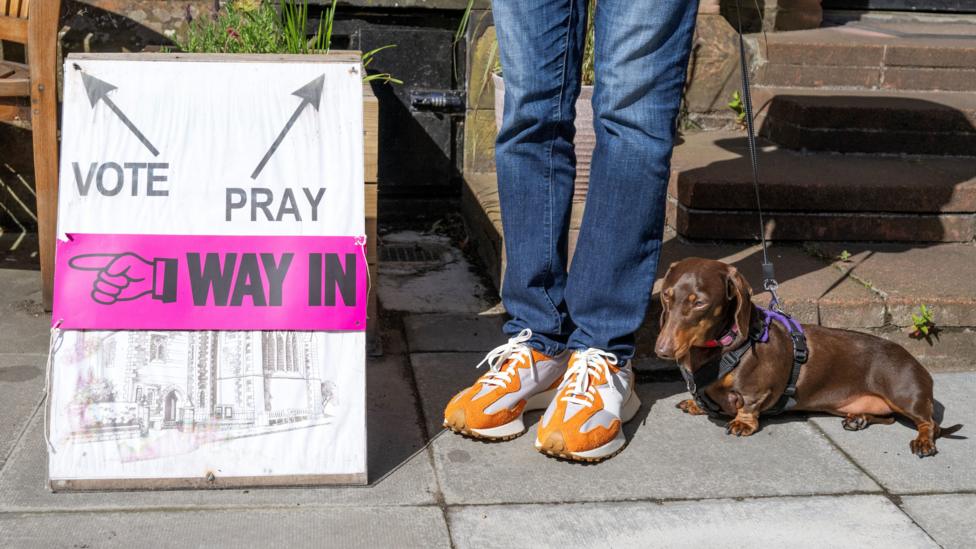
This arrangement raises substantial complications. A region encompassing Glasgow and surrounding areas could contain more than 350 councillors, while some community authorities might comprise merely two or three representatives covering either tiny urban pockets or expansive rural territories. Given that council election turnout frequently disappoints—an Aberdeen by-election in summer 2026 attracted just 13.3% participation—voters will require transparent understanding of the choices before them.
Will these reforms actually happen?
With both central and local government having articulated competing visions, the possibility of identifying a workable path forward is becoming clearer. However, the notion of settling the matter within months should be abandoned. This undertaking will require years to complete, assuming it progresses at all.
The complications are numerous. Beyond the councillor and ward questions, dozens of issues demand resolution: council property holdings, accumulated debts, pension obligations and the division of local government responsibilities. Certain responsibilities may prove non-negotiable. The government has publicly discussed transferring social care duties to health boards, a shift councils will almost certainly resist.
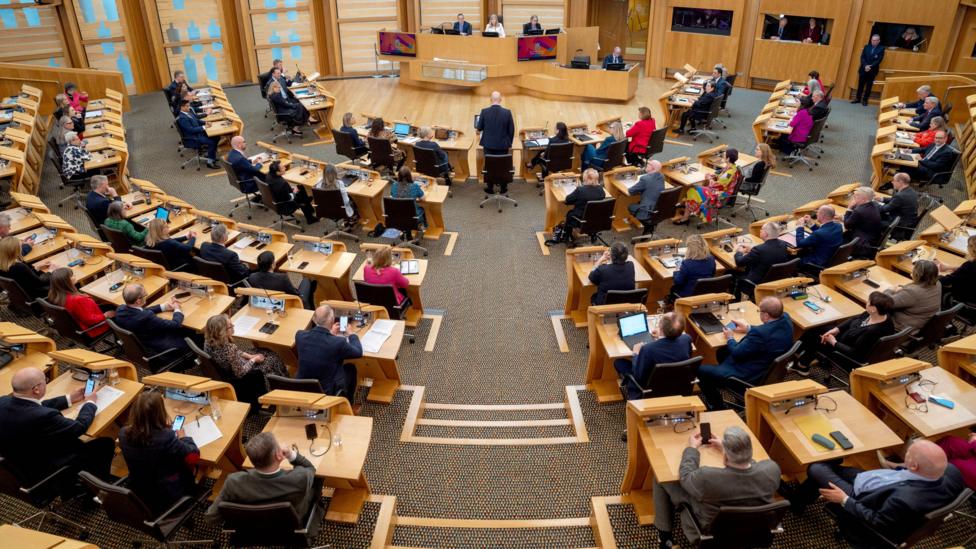
Social care reform itself presents obstacles. Any reform legislation must navigate Holyrood, and broad consensus must be constructed to prevent a repeat of the National Care Service collapse—an ambitious initiative that faltered due to unclear government direction and failure to secure agreement with local government and unions. That episode offers a cautionary lesson.
All stakeholders acknowledge the necessity for public service transformation to enhance efficiency, benefit communities and stabilise public finances. The government attempted to inject urgency through the tight initial consultation window. Yet this remains an enormous and intricate undertaking. Combined with health board restructuring, it would represent Holyrood's most substantial single reform effort.
A significant concern is that sustained focus on reform creates near-term uncertainty, causing other initiatives to stall. Councils have substantial work ahead—from national projects like compulsory purchase rule reform to local development plans, which may sound technical but are essential in determining whether housing developments can proceed. According to Local Government Lawyer, the European Charter of Local Self-Government (Incorporation) (Scotland) Act 2026, which took effect on 15 October, requires Scottish ministers to act compatibly with the Charter, including its principles on local self-government and consultation—a legal framework that will shape how reform discussions proceed.
The negotiations unfolding over coming weeks carry implications extending far beyond structural questions. They will influence responses to the housing crisis, the vitality of town centres, the quality of local school provision and care services, and ultimately your council tax bill and waste collection schedule.