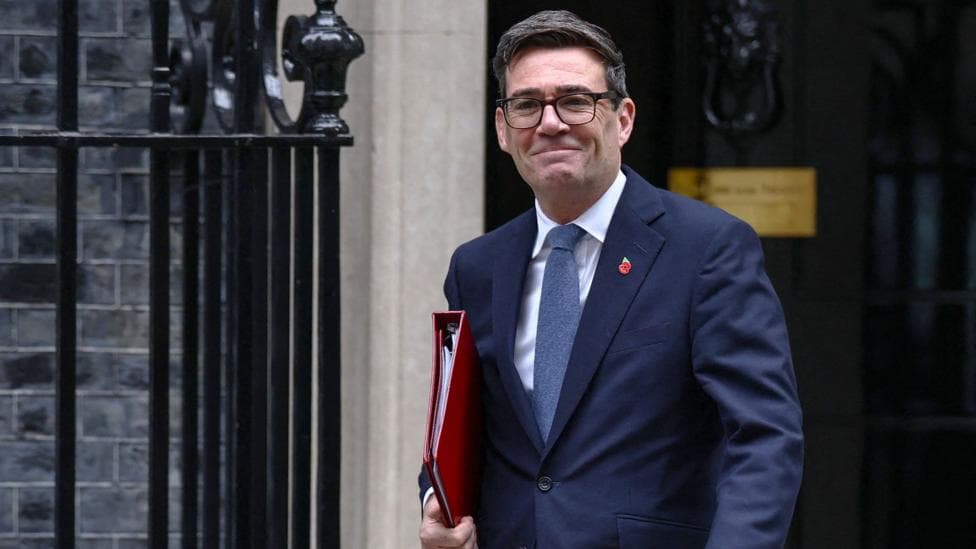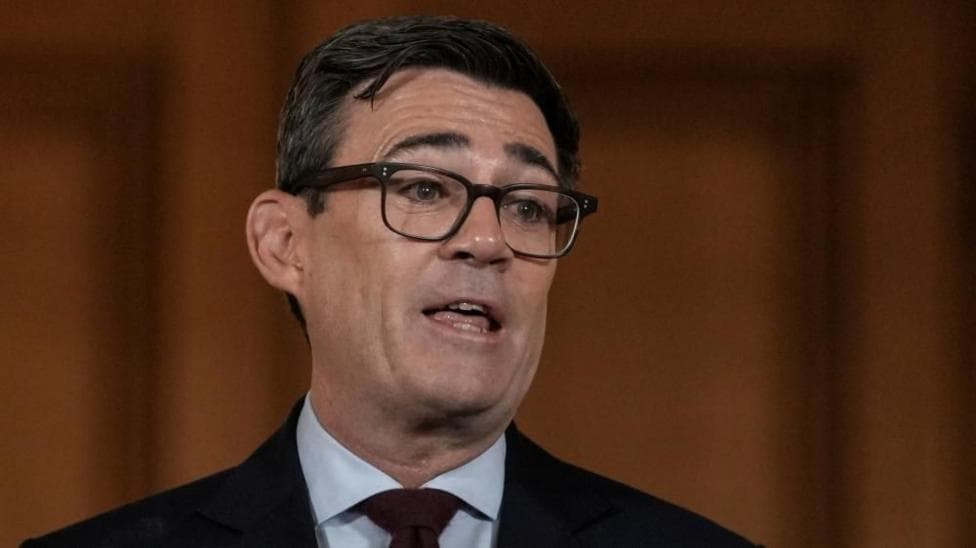
Prime Minister Andy Burnham has indicated willingness to consider a formal British apology for the nation's involvement in the transatlantic slave trade, though he has explicitly rejected the possibility of financial reparations. According to BBC News, Burnham stated he wanted to engage in "dialogue with those affected" and remained open to "calls for an apology", but maintained that reparations represented "not the right answer".
The Prime Minister's position comes as King Charles III undertakes a Caribbean tour ahead of next week's Commonwealth leaders summit, during which renewed demands for an apology have intensified. In the Bahamas, the King acknowledged the "suffering of the past", and subsequently visited a site commemorating a rebellion by enslaved people against British colonial authorities in Guyana.
On Saturday, Burnham characterised the transatlantic slave trade—the forced trafficking of Africans to the Americas—as a "brutal and barbaric violation" and declared that Britain must "face up to the past". However, he maintained the longstanding British government position of declining to offer reparation payments. In a piece for The Guardian, Burnham wrote:
"I do not think that British people today can be held liable for historical wrongs, however heinous, that happened in a different age under different laws and in which they played no personal part."
Burnham proposed offering Commonwealth nations a "structured dialogue" on the issue, noting that these countries had sought an "honest conversation" for years. He stated:
"Listening to calls for a formal apology on behalf of the British state will form an important part of this process. I am open to them."A government source told the BBC this approach was "morally the right thing to do".
What did reparations campaigners say?
The All-Party Parliamentary Group (APPG) for Afrikan Reparations offered a cautious response. Chair Bell Ribeiro-Adday welcomed the government's acknowledgment of Britain's historical role but argued the position had "still fallen short of a formal state apology and that actually costs nothing". Speaking on BBC Radio 4's Today programme, she emphasised that the issue extended beyond financial considerations:
"Acknowledgment is not the same as understanding. Until we apologise, we are never going to be on equal footing… it's meant to be a family of nations - a Commonwealth - and it's simply not the case."
Ribeiro-Adday, MP for Clapham and Brixton Hill, noted that no formal invoice for financial reparations had been presented to the UK government, suggesting that focusing debate on monetary compensation missed the broader point.
"My worry is the focus on financial reparations, and I think that is deeply problematic and has not quite listened to what people have said,"she explained.
Denis O'Brien, founder of The Repair Campaign, described Burnham's statement as disappointing and insufficient.
"The British Government must stop obfuscating and give a full and formal apology now. This would be a significant and symbolic first step towards reparatory justice,"he said.
Mia Mottley, Prime Minister of Barbados, who has previously sought reparations, offered a more measured response to Burnham's announcement, indicating she would engage in good faith while continuing to pursue reparatory justice.
What is the broader context?
This statement reflects escalating international pressure on Britain and the Commonwealth regarding slavery's legacy. According to Yahoo News, Caribbean reparations campaigners noted that the region had struggled to secure unanimous Commonwealth agreement to advance discussions on historical harms through structured dialogue. The Commonwealth secretary-general, Shirley Ayorkor Botchwey, stated that reparations could take financial or non-financial forms and that "it wouldn't hurt" for the King to apologise.
In June 2026, African and Caribbean representatives endorsed a 19-point reparations plan in Ghana that called for measures including debt relief, development financing, return of cultural property and establishment of a global reparations fund. CARICOM Reparations Commission chair Sir Hilary Beckles has urged Commonwealth leaders to make the upcoming summit "the CHOGM of reparations".
Downing Street views strengthening the Commonwealth as strategically important in a geopolitical context where China and Russia are expanding their influence. This week alone, President Vladimir Putin hosted a Russia-Africa summit in Moscow.
What is Britain's historical role in slavery?
From the 16th Century onwards, English authorities and the monarchy were prominent participants in the centuries-long slave trade. Britain subsequently played a key role in ending the trade through Parliament's passage of legislation abolishing slavery in 1833. However, as part of that law, British plantation owners received compensation for the loss of enslaved people they had held. The UK only completed repayment of the debt it had incurred to cover these payments in 2015.
The British government has never formally apologised for slavery or offered reparations. Burnham's position maintains the policy of his predecessors, declining to move beyond acknowledgment toward either formal apology or financial redress.
What happens next?
The Commonwealth Heads of Government Meeting is scheduled for November 1–4 in Antigua and Barbuda, where reparations discussions are expected to feature prominently. The summit will provide a formal setting for continued negotiations between Britain and Commonwealth nations on how to address the legacy of slavery and the transatlantic slave trade.